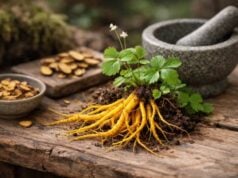
Chinese angelica—often called dong quai or dang gui—is a traditional East Asian herb made from the aromatic root of Angelica sinensis. It is best known for its long-standing use in women’s health, especially for menstrual discomfort, cycle irregularity, and the “tired and run-down” feeling that can accompany heavy or stressful months. Modern interest has expanded into circulation support and inflammation balance, largely because the root contains distinctive plant compounds such as phthalides, phenolic acids, and complex polysaccharides.
At the same time, dong quai is not a simple “hormone herb,” and the most reliable benefits are often reported when it is used as part of a well-designed formula rather than as a stand-alone supplement. It also has meaningful safety considerations, particularly for people who bruise easily, take blood thinners, or have hormone-sensitive conditions. This guide explains what Chinese angelica is, what is in it, how it is used in practice, typical dosage ranges, and the safety details that help you make a careful, informed decision.
Key Takeaways
- Commonly used for menstrual comfort and circulation support, especially in traditional multi-herb formulas.
- Typical adult range: 3–6 g/day dried root (decoction) or 300–1,000 mg/day standardized extract, depending on product strength.
- Avoid combining with anticoagulants or antiplatelet drugs unless a clinician approves due to bleeding-risk concerns.
- Avoid during pregnancy, and use extra caution with hormone-sensitive conditions or before surgery.
Table of Contents
- What is Chinese angelica and whats in it
- Key medicinal properties and how it works
- Does it help menstrual cramps and PMS
- Menopause and other common uses
- How to use Chinese angelica
- How much to take per day
- Safety, side effects, and what evidence shows
What is Chinese angelica and whats in it
Chinese angelica (Angelica sinensis) is a perennial plant in the Apiaceae family (the same botanical family as celery, carrot, and fennel). In herbal practice, the medicinal portion is the dried root, typically sliced, aromatic, and slightly sweet-bitter. In traditional East Asian medicine, it is classified as a “blood-tonifying” and “blood-moving” herb, meaning it is used when symptoms are interpreted as poor nourishment, sluggish circulation, or cycle disruption. You will most often see it sold as dried root for decoctions, powdered root, capsules, or extracts, and it is also a central ingredient in many classic formulas.
Key ingredients and active compounds
Chinese angelica contains several well-studied chemical families. Different products emphasize different fractions, which is one reason effects can vary.
- Phthalides (often discussed as ligustilide and related compounds): aromatic constituents associated with smooth-muscle effects and the characteristic scent of the root. These are frequently mentioned in discussions of cramping and vascular tone.
- Phenolic acids (commonly including ferulic acid): antioxidant and signaling-active compounds that may contribute to inflammation balance and circulation-related effects.
- Polysaccharides (often called angelica polysaccharides): large carbohydrate structures studied for immune signaling and hematopoietic support in experimental settings.
- Coumarins and related compounds: naturally occurring plant chemicals that are relevant to safety discussions, particularly around bleeding risk and drug interactions.
Why processing and sourcing matter
Traditional preparation methods (such as wine-processing in some systems) can change aroma, taste, and the relative amounts of marker compounds. Modern manufacturing choices—harvest timing, drying temperature, and extraction solvent—also influence what ends up in a capsule or tincture. If you are choosing a supplement, it helps to look for:
- The botanical name (Angelica sinensis) and plant part (root)
- A clear dose per serving (not hidden in blends)
- Standardization details or at least extraction information
- Third-party quality signals (contaminant testing is especially important for roots)
Chinese angelica is best understood as a chemically complex root whose effects depend on both its constituent profile and the way it is prepared.
Key medicinal properties and how it works
People often describe dong quai as “hormone balancing,” but that phrase can be misleading. Chinese angelica is better framed as a root that may influence circulation, smooth muscle tone, and inflammatory signaling, with possible secondary effects on how the body experiences menstrual and menopausal transitions. The most responsible way to use it is to match it to a symptom pattern rather than assuming it raises or lowers hormones directly.
Circulation and vascular tone
Chinese angelica is traditionally used to support “blood movement,” and modern research discussions often focus on vascular function and platelet-related pathways. In practical terms, this is why it shows up in formulas used for cold extremities, dull pelvic discomfort, or cyclical tension that feels “stuck.” The same category is also why bleeding risk and medication interactions must be taken seriously (more on that in the safety section).
If circulation support is your main interest, some people compare dong quai with other cardio-focused herbs such as hawthorn for cardiovascular antioxidant support, which is commonly used for different goals and with a different safety profile.
Smooth muscle support
Many traditional uses relate to discomfort that feels crampy, spasmodic, or pressure-like. Compounds in the phthalide family are frequently discussed for their potential effects on smooth muscle behavior. This may help explain why Chinese angelica is often paired with other herbs in menstrual formulas: one herb may target spasm-like sensations, while others support warmth, calm, or fluid balance.
Inflammation and oxidative stress balance
Ferulic acid and related polyphenols are studied for antioxidant activity and signaling effects that can intersect with inflammatory pathways. For a person, the meaningful question is not whether an herb is “antioxidant,” but whether it changes symptoms you can notice: fewer days of discomfort, lower intensity, or improved resilience during predictable hormonal windows.
Polysaccharides and immune signaling
Angelica polysaccharides are widely researched in laboratory and animal models for immune modulation and hematopoietic support. This research is promising, but it does not automatically translate into a proven human benefit for fatigue, anemia, or immunity. A realistic takeaway is that the herb contains biologically active polysaccharides, yet clinical outcomes depend on dose, preparation, and context, and are often better documented in combination formulas than in isolated use.
Overall, Chinese angelica is best viewed as a multifunctional root whose most plausible actions involve circulation, smooth muscle comfort, and inflammatory signaling—rather than a direct, predictable hormone effect.
Does it help menstrual cramps and PMS
Chinese angelica is one of the most recognizable women’s-health herbs in East Asian practice, but expectations should stay grounded. For many people, the strongest real-world use case is menstrual comfort, especially when cramps are accompanied by fatigue, coldness, or a dull, heavy pelvic sensation rather than sharp pain alone. It is also often used when PMS includes tension, irritability, and a sense of “congestion” or bloating.
Where it may fit best
Chinese angelica tends to be used when menstrual discomfort has one or more of these features:
- Cramping plus a heavy, dragging, or pressure-like feeling
- Symptoms that improve with warmth, gentle movement, or rest
- Cycles that feel depleting (fatigue, low appetite, low resilience)
- PMS that includes tension and a sense of sluggish circulation
It is less clearly targeted when pain is severe, sudden, associated with fainting, or accompanied by unusual bleeding patterns. Those scenarios deserve medical evaluation to rule out causes such as endometriosis, fibroids, infection, or other conditions.
How it is typically used for cramps
In many systems, dong quai is not taken as a quick fix on day one. Instead, it is used:
- Daily across the cycle for several weeks, especially when the goal is improved patterning
- In the luteal phase (the last 10–14 days), when PMS is the main target
- As part of a formula, where synergistic herbs cover multiple symptom dimensions (spasm, stress physiology, fluid retention, circulation)
If you are primarily seeking an antispasmodic approach for cramps, you may also want to compare it with cramp bark for antispasmodic support, which is often discussed specifically for spasm-like discomfort.
What counts as a realistic outcome
A practical outcome is not “no cramps ever.” A reasonable trial looks like:
- A reduction in pain intensity (for example, fewer high-pain hours)
- Less reliance on rescue measures
- Improved ability to sleep or function during the first 1–2 days
- Shorter duration of the worst symptoms
Track two or three symptoms for two cycles so you can tell whether changes are real. Many people also benefit from basics that make any menstrual strategy work better: regular meals, adequate iron intake if bleeding is heavy (with clinician guidance), and a plan for stress and sleep during the premenstrual window.
Chinese angelica may be helpful for menstrual comfort, but it is not a replacement for evaluation when pain is severe or patterns change suddenly.
Menopause and other common uses
Beyond menstrual concerns, Chinese angelica is frequently marketed for menopause support and general vitality. This is an area where the tradition is strong, but modern evidence is mixed—especially for dong quai as a stand-alone herb. Many clinical studies evaluate multi-herb formulas, so it can be difficult to isolate the role of Chinese angelica itself.
Menopause symptoms
Dong quai is often used for:
- Hot flashes and night sweats
- Sleep disruption and irritability
- Vaginal dryness (more often discussed than well proven)
- General “transition support” during perimenopause
In practice, the best outcomes tend to be reported with formula-based approaches that target multiple systems at once (thermoregulation, stress response, sleep quality). If hot flashes are your main concern and you are comparing herbal options, black cohosh for menopausal support is commonly discussed in the same decision space, though the two herbs are not interchangeable and have different risk profiles.
Circulation, cold extremities, and fatigue
Chinese angelica is traditionally used when fatigue overlaps with signs interpreted as insufficient nourishment or poor circulation. People describe this as feeling cold, depleted after a period, or “not bouncing back” easily. Modern mechanistic research highlights polysaccharides and phenolic compounds, but human outcomes are less clear. If fatigue is persistent, the most helpful step is often to rule out common drivers such as iron deficiency, thyroid imbalance, sleep apnea, under-eating, or chronic stress physiology.
Skin, recovery, and inflammation narratives
You may see dong quai promoted for skin glow, recovery, or inflammation balance. These claims often lean on antioxidant and signaling language. The honest middle ground is that Chinese angelica contains bioactive compounds studied for inflammation-related pathways, but that does not guarantee a visible cosmetic change. If you try it for these reasons, treat it as a secondary experiment rather than a primary solution—and keep safety constraints front and center.
Who should be cautious with “women’s tonic” marketing
Menopause and vitality marketing sometimes glosses over key cautions:
- People with heavy bleeding should not assume a “blood herb” is always appropriate.
- People using anticoagulants or antiplatelet drugs should treat dong quai as a potential interaction risk.
- People with hormone-sensitive conditions should avoid casual self-prescribing based on vague “estrogen-like” claims.
Chinese angelica can be part of a thoughtful menopause or vitality plan, but it works best when used with clear goals, time limits, and attention to individual risk factors.
How to use Chinese angelica
Chinese angelica can be used in several forms, and the best choice depends on whether you want a traditional preparation, consistent capsule dosing, or a formula that targets multiple symptoms. Because the herb’s effects can vary by extraction method and dose, choosing a form you can use consistently is often more important than choosing the “strongest” product.
Common forms
- Decoction (simmered tea) made from dried root slices: the most traditional method, often used in multi-herb combinations.
- Powder or granules: convenient for people who prefer a tea-like method without long simmering.
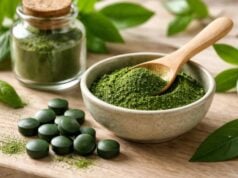
- Capsules and tablets: easiest for consistent daily dosing; quality varies widely.
- Tinctures: flexible dosing for adults who tolerate alcohol-based extracts; taste is strong.
- Traditional formulas: often the most realistic way dong quai is used in practice, because formulas can address cramping, tension, and fatigue together.
Simple decoction method
If you are using dried root slices, a common approach is:
- Place the measured root in a pot with water.
- Bring to a gentle simmer for 20–30 minutes.
- Strain and drink warm, or split into two servings.
Because dong quai is frequently used in formulas, many people blend it with supportive herbs that improve taste and tolerability. For example, licorice is used in many traditional blends, but it is not right for everyone; see licorice uses and safety considerations if you have blood pressure concerns.
Best practices for a useful trial
- Pick one form and keep it consistent for at least 6–8 weeks if your goal is cycle or menopause support.
- Avoid stacking many hormone-focused supplements at the same time. Too many variables makes it hard to judge benefits and side effects.
- Use symptom tracking, not memory. Note cramp intensity, number of hot flashes, sleep quality, and energy for a baseline cycle, then compare.
- Set a stop rule: if you have no meaningful improvement after a structured trial, discontinue and reassess the plan.
Practical troubleshooting
If you feel worse, the most common reasons are dose and mismatch. Dong quai is not ideal for every pattern—especially heavy bleeding, strong heat sensations, or a history of easy bruising. If taste or stomach upset is the issue, switching forms (from decoction to capsule, or lowering the dose) can help.
Used wisely, Chinese angelica is most effective as a consistent routine with a clear goal, not an occasional “women’s tonic” taken without a plan.
How much to take per day
Dosing for Chinese angelica varies by form, concentration, and whether you are using it alone or within a formula. A small capsule dose could be more concentrated than several grams of root in a tea. The safest approach is to follow a reputable product label and use the ranges below as context—especially if you switch forms.
Typical adult dosage ranges
Common traditional and supplement ranges include:
- Dried root (decoction): often 3–6 g/day, sometimes divided into two servings. In some traditional protocols, higher ranges (such as 6–12 g/day) are used under practitioner supervision.
- Powdered root: commonly 1–3 g/day, depending on grind and preparation method.
- Standardized extract capsules/tablets: often 300–1,000 mg/day, depending on extract strength and standardization.
- Tincture: product-dependent; many labels fall in the range of 2–4 mL, 1–3 times daily.
Because products differ, the label matters. If a product does not clearly state the amount of Angelica sinensis root or extract, it is harder to use safely and consistently.
Timing and duration
For menstrual or cycle goals:
- Many people take it daily across the cycle for 6–8 weeks.
- Others focus on the second half of the cycle when PMS is the main concern.
- If symptoms are predictable, starting 10–14 days before the period can be a structured approach.
For menopausal goals:
- A meaningful trial often lasts 8–12 weeks, because symptom patterns fluctuate naturally and short trials can be misleading.
A conservative “start low” approach
If you are cautious, sensitive to herbs, or prone to headaches or GI upset:
- Start at half the target dose for 3–7 days.
- Increase gradually to the intended dose if tolerated.
- Keep the dose stable for several weeks before judging results.
When to stop or change course
Stop and reassess if you notice:
- Increased bruising, nosebleeds, or unusually heavy menstrual bleeding
- New headaches that are persistent or severe
- Rash, wheezing, swelling, or other signs of allergic reaction
- Worsening pelvic pain, irregular bleeding, or symptoms that feel “new” rather than familiar
The best dose is the smallest dose that achieves a meaningful benefit without side effects—used for a defined period with a clear reason for continuing or stopping.
Safety, side effects, and what evidence shows
Chinese angelica has a long history of traditional use, but it is not a low-stakes herb for everyone. Safety concerns center on bleeding risk, hormone-sensitive conditions, and product quality. Evidence also matters: many studies evaluate formulas containing dong quai, so strong conclusions about the root alone are limited.
Common side effects
Some people tolerate dong quai well, while others experience:
- Stomach upset, nausea, or loose stool
- Headache or lightheadedness
- Skin sensitivity or rash in susceptible individuals
- Changes in menstrual flow (this can be a red flag rather than a “normal adjustment”)
If side effects appear, discontinue and reassess before trying a lower dose or a different form.
Who should avoid it
Avoid dong quai unless a qualified clinician specifically recommends it if you:
- Are pregnant (risk considerations include uterine effects and bleeding concerns)
- Are breastfeeding (safety data are limited)
- Have bleeding disorders, very heavy periods, or unexplained bleeding
- Have a history of hormone-sensitive cancers or are on related therapies, unless your oncology team approves
- Are preparing for surgery (a conservative rule is to stop well in advance, with clinician guidance)
Drug interactions that matter most
Chinese angelica is repeatedly flagged in safety literature for potential interactions with:
- Anticoagulants (such as warfarin) and antiplatelet drugs
- Frequent high-dose NSAID use (bleeding risk layering)
- Some drugs metabolized through major liver enzyme pathways (interaction likelihood depends on product and dose)
If you take blood thinners or have been advised to avoid bleeding-risk supplements, treat dong quai as a “do not add casually” herb.
What the evidence actually supports
- For menopause symptoms: clinical results are mixed, and benefits are more often evaluated in formulas than in isolated dong quai. Some trials show symptom improvements without clear hormone shifts, while others show minimal differences versus placebo.
- For menstrual symptoms: traditional use is strong, but high-quality trials on dong quai alone are limited. Many studies involve multi-herb approaches, which may be more realistic but make attribution difficult.
- For broader claims (energy, anemia, immune support): mechanistic research is active, especially on polysaccharides, but human outcomes are not consistently established for self-care use.
A sensible takeaway is that Chinese angelica may be helpful for some cycle and transition symptoms—especially in formula context—but it should be used with careful attention to bleeding risk, hormone-sensitive situations, and product transparency.
References
- Effects of herbal medicine (Danggwijagyaksan) for treating climacteric syndrome with a blood-deficiency-dominant pattern: A randomized, double-blind, placebo-controlled pilot trial – PubMed 2021 (RCT)
- Current update on herbal sources of antithrombotic activity—a comprehensive review – PMC 2022 (Review)
- Comparative study on Angelica sinensis after different processing with yellow rice wine in color, aromas, chemical components, and antioxidant activities – PubMed 2023 (Quality and Chemistry Study)
- Pharmacological action of Angelica sinensis polysaccharides: a review – PMC 2025 (Review)
- Public statement on Angelica sinensis (Oliv.) Diels, radix 2013 (Regulatory Statement)
Disclaimer
This article is for educational purposes only and does not provide medical advice, diagnosis, or treatment. Chinese angelica (dong quai) may affect pathways involved in bleeding risk and may interact with anticoagulants, antiplatelet drugs, and other medications. Do not use this herb during pregnancy, and consult a qualified clinician or pharmacist before use if you are breastfeeding, have heavy or unexplained bleeding, have a hormone-sensitive condition, or take prescription medicines. Seek prompt medical care for severe pelvic pain, new or heavy bleeding, shortness of breath, chest pain, or signs of an allergic reaction.
If you found this guide useful, consider sharing it on Facebook, X (formerly Twitter), or your preferred platform so others can make more informed and safer choices.