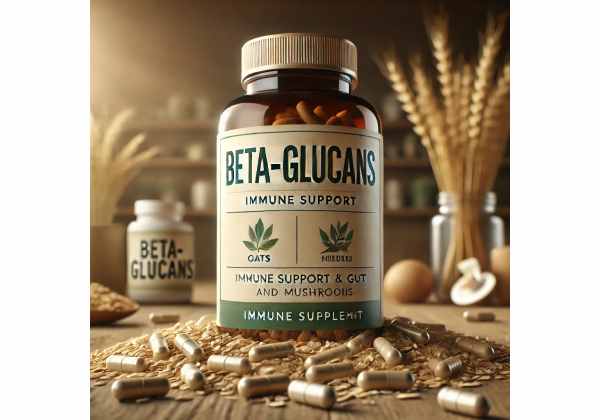
Beta-glucans are best known as fibers from oats, barley, yeast, and mushrooms, but their relevance to brain and mental wellness is more interesting than it first appears. They are not classic stimulants or fast-acting nootropics. Instead, they may support the brain through steadier blood sugar, healthier cholesterol levels, immune signaling, gut microbiome effects, and lower inflammatory stress. That makes them a practical supplement for people who want broader support for energy, resilience, and cognitive function rather than a dramatic short-term boost.
At the same time, not all beta-glucans are the same. A cereal beta-glucan in oat bran behaves differently from a yeast or mushroom extract, and that distinction matters when you are choosing a product or deciding what results to expect. This guide explains what beta-glucans are, how they may influence the brain, where the evidence is strongest, how to use them, and what safety points deserve attention.
Table of Contents
- What Beta-Glucans Actually Are
- How They May Affect the Brain
- Potential Benefits for Mental Wellness
- Best Uses and Who May Benefit
- Dosage, Forms, and How to Take
- Safety, Side Effects, and Precautions
What Beta-Glucans Actually Are
Beta-glucans are natural polysaccharides, which means they are long chains of glucose linked together in a specific pattern. That sounds simple, but the structure changes depending on the source, and those structural differences shape what the compound does in the body.
The main forms people encounter are:
- Cereal beta-glucans from oats and barley, usually described as beta-1,3/1,4 glucans
- Yeast beta-glucans from Saccharomyces cerevisiae, usually beta-1,3/1,6 glucans
- Mushroom beta-glucans from species such as reishi, shiitake, maitake, and lion’s mane, also mostly beta-1,3/1,6 based
This matters because cereal beta-glucans act mainly like soluble fiber. They increase the viscosity of food in the digestive tract, which can slow carbohydrate absorption, blunt glucose spikes, and help lower LDL cholesterol. Yeast and mushroom beta-glucans are studied more for immune and gut-microbiome effects.
For brain health, that means beta-glucans are not one single supplement category with one predictable outcome. A bowl of oats, an oat fiber powder, a purified yeast extract, and a mushroom complex may all contain beta-glucans, but they are being used for different reasons.
In practice, beta-glucans tend to fit into two real-world roles:
- Metabolic and cardiovascular support, especially from oat and barley sources
- Immune, microbiome, and resilience support, especially from yeast and mushroom sources
Both roles can matter for the brain. Stable blood sugar, better vascular health, and better gut health all affect mental clarity and long-term cognitive resilience. That is why beta-glucans sit in an interesting middle ground between a fiber supplement and a brain-support nutrient.
They also show up in both foods and supplements. Food sources include oats, barley, and some mushrooms. Supplements can come as powders, capsules, sachets, beverage mixes, or mushroom extracts standardized for beta-glucan content. For many people, starting with food makes sense, especially alongside other brain-healthy foods. But supplements can be useful when the goal is a more consistent dose or a specific source, such as yeast-derived beta-glucan.
The biggest takeaway is simple: the word “beta-glucans” tells you the family, not the exact effect. To judge a product well, you need to know the source, the form, the dose, and what health goal it is actually designed to support.
How They May Affect the Brain
Beta-glucans do not usually act on the brain the way caffeine, L-theanine, or citicoline might. Their effects appear to be broader, slower, and more indirect. That is not a weakness. In many cases, it is exactly why they may be useful for mental wellness.
The first pathway is blood sugar regulation. Large swings in glucose can leave some people feeling mentally dull, irritable, hungry, or drained. Oat beta-glucan can help reduce post-meal glucose and insulin spikes, which may support steadier energy and fewer crashes over the day. That can matter for concentration, patience, and perceived mental stamina.
The second pathway is vascular and cardiometabolic health. The brain depends on good blood flow and a healthy metabolic environment. Beta-glucans from oats and barley are well studied for LDL reduction and can support a healthier cardiovascular profile over time. That is not the same as saying they directly improve memory tomorrow morning, but it does support the biological terrain the brain depends on.
The third pathway is immune signaling and inflammation. Yeast and fungal beta-glucans interact with immune receptors such as Dectin-1 and complement receptor 3. This can influence innate immune activity and inflammatory tone. Since chronic low-grade inflammation is increasingly discussed in relation to fatigue, low mood, and cognitive complaints, this is one of the most plausible ways beta-glucans may affect mental wellness.
The fourth pathway is the microbiome. Because beta-glucans are not fully digested in the upper gut, part of their value comes from what happens later. They can be fermented by gut microbes and may help shape the intestinal environment. That gives them a place in the wider gut-brain axis conversation, where digestion, immune activity, microbial metabolites, and brain function are closely linked.
A fifth pathway may be stress resilience. Some human studies suggest improvements in fatigue, vigor, or general well-being, especially in people under physical or psychological stress. That does not prove a direct antidepressant or anti-anxiety effect, but it suggests beta-glucans may help people feel more resilient under load.
A balanced view is important here. The mechanistic story is promising, but it is stronger than the direct human brain-outcome data. In other words, beta-glucans make a lot of biological sense for brain support, but the clearest human evidence is still stronger for metabolic, immune, and gastrointestinal effects than for memory enhancement or psychiatric treatment.
That is why beta-glucans are best understood as foundational support compounds. They may help the brain by improving the systems around it: glucose control, immune balance, gut health, and long-term cardiovascular stability.
Potential Benefits for Mental Wellness
The most realistic way to think about beta-glucans is not as a miracle cognition supplement, but as a layered support tool. Their potential benefits for brain health and mental wellness seem to cluster around a few consistent themes.
1. More stable daily energy
When beta-glucans reduce the sharp rise and fall of post-meal blood sugar, some people may notice better steadiness across the day. This does not usually feel like stimulation. It is closer to fewer dips, less afternoon drag, and a more even mental pace.
2. Reduced fatigue and improved vigor
This is one of the more interesting areas in human research. Several trials and a recent meta-analysis suggest beta-glucans may reduce fatigue and improve vigor or mood-state measures in healthy adults. That does not mean they treat a medical fatigue disorder, but it does suggest a possible role in mental and physical resilience.
3. Support for stress-heavy periods
People who are training hard, sleeping poorly, traveling often, or working under sustained pressure may benefit most. In these contexts, beta-glucans may help support immune function and perceived well-being, which can indirectly protect mood and mental performance.
4. Indirect support for focus and mental clarity
If someone’s “brain fog” is tied to poor meal balance, inflammatory stress, low-fiber eating, or frequent colds, beta-glucans may help in a practical way. They are not precision nootropics, but they can improve the background conditions that affect clarity and consistency. This is especially relevant when low-grade inflammation is part of the picture, as discussed in broader work on inflammation and brain fog.
5. Long-term cognitive protection through whole-body health
Better cholesterol, better glycemic control, and a healthier gut environment are not trivial side benefits. They are pieces of the long game. Over years, they may support better brain aging, even if short-term cognitive changes are subtle.
Still, the evidence has limits:
- Human studies on direct memory improvement are limited
- Evidence for diagnosed depression, anxiety disorders, or ADHD is not strong enough to support treatment claims
- Results likely vary by source, dose, structure, and baseline health status
So what can you reasonably expect? For many people, the most plausible benefits are:
- smoother energy
- less perceived fatigue
- improved general well-being
- better digestive and metabolic support that may spill over into mood and cognition
That makes beta-glucans especially appealing for people who want a low-hype supplement with broader health effects, rather than a sharp acute mental-performance tool.
Best Uses and Who May Benefit
Beta-glucans are best used when the goal is system support, not instant mental enhancement. They may fit well for people whose cognitive or mood struggles overlap with gut issues, stress load, blood sugar swings, or frequent immune challenges.
They may be most useful for:
- People with energy crashes after meals, especially if they eat high-carbohydrate breakfasts or lunches
- People under chronic stress, who want broader resilience support
- People with low-fiber diets, where adding beta-glucan may improve gut and metabolic health
- Older adults focused on healthy aging, especially when cardiovascular and glucose regulation matter
- People who want a gentle stack foundation, rather than another stimulating compound
They may be a particularly good choice when someone’s brain-health plan already includes basics like:
- better sleep
- more protein and fiber
- regular movement
- less blood sugar volatility
- a calmer inflammatory load
In that setting, beta-glucans can strengthen the foundation.
They also make sense for people who prefer food-first interventions. Oats and barley are familiar, affordable, and easy to use consistently. A supplement may be more convenient, but it is not automatically superior. For some people, a steady intake of oat bran, barley products, or mushroom-rich meals may be enough to deliver meaningful benefits.
Supplement forms become more relevant when you want a specific purpose:
- Oat or barley beta-glucan for glycemic and cholesterol support
- Yeast beta-glucan for immune resilience and broader stress support
- Mushroom extracts standardized for beta-glucans for people interested in mushroom-based wellness, often alongside compounds discussed in guides to lion’s mane and related fungi
Who may notice less?
- People already eating a high-fiber diet
- People expecting a rapid nootropic effect
- People whose symptoms are driven by an untreated medical issue, severe sleep loss, or major psychiatric illness
Beta-glucans also pair naturally with lifestyle approaches that improve gut ecology. That is one reason they are often discussed in the same practical space as fiber and the microbiome. In some cases, they may work especially well as part of a larger pattern that includes fermented foods, diverse plant intake, and fewer ultra-processed meals.
In short, beta-glucans are usually best for people who want steady support, not a dramatic feeling. They shine most when brain health is approached as a whole-body problem rather than a single neurotransmitter problem.
Dosage, Forms, and How to Take
There is no single universal beta-glucan dosage for brain health because the ideal amount depends on the source and the outcome you care about. That is one of the most important things to understand before buying a product.
For oat and barley beta-glucans, the best-studied daily intake for cholesterol support is often around 3 grams per day, usually split across meals. Research on post-meal glucose control also suggests that dose and viscosity matter. In practical terms, cereal beta-glucans work best when they are taken with food, especially meals containing carbohydrates.
For yeast and fungal beta-glucans, human studies have used much smaller amounts by weight, often in the 250 mg to 500 mg per day range, though some trials go higher. These are structurally different compounds, so milligram-to-gram comparisons with oat fiber are not meaningful.
When choosing a form, think in terms of purpose:
- Powders and beverage mixes: useful for oat and barley beta-glucans, especially when you want a measured gram-level intake
- Capsules: useful for yeast and mushroom beta-glucans, especially for standardized daily use
- Whole-food sources: useful for general health support and better consistency over time
A practical approach looks like this:
- Choose the source first.
Pick cereal beta-glucans for blood sugar and cholesterol support. Pick yeast or mushroom beta-glucans for immune and resilience support. - Start low if you are fiber-sensitive.
A smaller starting dose reduces the chance of bloating or gas. - Be consistent for at least 4 to 8 weeks.
Beta-glucans are not usually judged well after two days. - Take cereal beta-glucans with meals.
Timing matters more here because their physical effect in the digestive tract is part of how they work. - Track the outcomes that matter.
Useful markers include afternoon energy, post-meal crashes, digestive comfort, illness frequency, and overall stamina.
When evaluating labels, look for:
- the source of the beta-glucan
- the actual amount of beta-glucan, not just the extract weight
- whether the product is standardized
- third-party testing or transparent manufacturing details
- added ingredients that may change the effect, such as caffeine, mushroom blends, or sweeteners
Many mushroom products are marketed for cognition but do not clearly state beta-glucan content. That makes comparison difficult. A stronger product label tells you both the species and the beta-glucan amount.
For most people, the smartest dosing mindset is conservative and consistent. Use enough to match the intended purpose, but do not assume more is better.
Safety, Side Effects, and Precautions
Beta-glucans are generally well tolerated, especially when used in food-like amounts or in standard supplement doses. That said, “well tolerated” does not mean risk-free for every person or every product.
The most common side effects are digestive:
- bloating
- gas
- fullness
- mild changes in bowel habits
These effects are more likely with cereal beta-glucans because they are taken in gram-level fiber doses. They are also more likely when the dose rises too quickly or when someone already has a sensitive gut.
A few practical safety points matter:
Start gradually.
If you jump from a low-fiber diet to a high-dose oat or barley product, your gut may protest before it adapts.
Watch mixed mushroom formulas.
Some products marketed as beta-glucan supplements are actually proprietary blends. The label may emphasize mushrooms while giving little detail on potency, contaminants, or active content.
Use extra caution with immune-related conditions.
Yeast and mushroom beta-glucans may affect immune signaling. That does not automatically make them unsafe, but people with autoimmune disease, organ transplants, or immunosuppressive therapy should ask a clinician before using them.
Consider medication context.
People taking glucose-lowering medication should be alert to improved glycemic response, especially if diet changes at the same time. Beta-glucans are not known for dramatic interactions, but they can shift the metabolic picture enough to matter.
Pregnancy and breastfeeding need more caution.
Food sources are usually straightforward, but concentrated supplements deserve individual review because product quality and clinical data vary.
Allergy and tolerance still matter.
Someone sensitive to yeast, mushrooms, or certain grains may tolerate one source better than another.
In terms of real-world risk, the more common problem is not toxicity. It is mismatch: using the wrong source for the wrong goal, taking too much too fast, or choosing a weak product with vague labeling.
A good rule is to treat beta-glucans as supportive tools, not treatment substitutes. If you have persistent depression, marked anxiety, unexplained fatigue, cognitive decline, major digestive symptoms, or a chronic inflammatory condition, a supplement should not replace medical evaluation.
For healthy adults, though, beta-glucans have a favorable safety profile and a reasonable evidence base for cautious use. The key is choosing a source that matches the outcome you want and giving it enough time to work.
References
- Exploring the therapeutic potential of yeast β-glucan: Prebiotic, anti-infective, and anticancer properties – A review. 2024 (Review)
- Effects of fungal beta-glucans on health – a systematic review of randomized controlled trials. 2021 (Systematic Review)
- Effect of Oat β-Glucan on Affective and Physical Feeling States in Healthy Adults: Evidence for Reduced Headache, Fatigue, Anxiety and Limb/Joint Pains. 2021 (Human Trial)
- Effects of β-glucans on fatigue: a systematic review and meta-analysis. 2025 (Systematic Review and Meta-Analysis)
- The effect of oat β-glucan on postprandial blood glucose and insulin responses: a systematic review and meta-analysis. 2021 (Systematic Review and Meta-Analysis)
Disclaimer
This article is for educational purposes only and is not medical advice. Beta-glucans are not approved treatments for depression, anxiety, cognitive impairment, or any psychiatric condition. If you have persistent mood changes, brain fog, severe fatigue, an autoimmune condition, digestive disease, or take prescription medications, speak with a qualified clinician before starting a new supplement. Seek urgent medical care for suicidal thoughts, chest pain, new neurological symptoms, or sudden confusion.
If this article helped you, consider sharing it on Facebook, X, or your preferred platform.