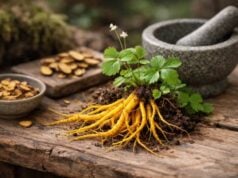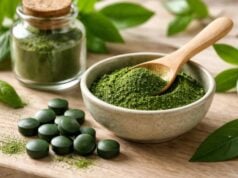
Chinese licorice (Glycyrrhiza uralensis), known as gan cao in traditional Chinese medicine, is a sweet, earthy root that shows up in everything from throat teas to complex herbal formulas. People reach for it most often when they want gentle respiratory comfort, a smoother-feeling throat, or digestive support—especially when irritation or dryness is part of the picture. Beyond its traditional role, modern research has focused on licorice’s signature saponins and flavonoids, including glycyrrhizin, which can influence inflammation pathways and the body’s stress-hormone signaling.
That last point is also the reason safety matters so much with Chinese licorice. In higher doses or longer use, glycyrrhizin can raise blood pressure and lower potassium in some people, which changes how you should approach dosing, duration, and who should avoid it. This guide covers what Chinese licorice is, what is in it, how it is used in everyday practice, and how to make decisions that prioritize benefit without ignoring risk.
Core Points for Chinese Licorice
- May soothe throat irritation and support easier coughing when used short-term in teas, syrups, or lozenges.
- Long or high-dose use can raise blood pressure and lower potassium; avoid “daily tonic” use.
- Typical dried-root tea range is about 1.5–6 g/day for short periods, with lower starting doses preferred.
- Avoid if you have uncontrolled hypertension, low potassium, heart failure, kidney disease, or are pregnant or breastfeeding.
Table of Contents
- What is Chinese licorice?
- Key compounds and actions
- Does it help cough and sore throat?
- Digestive support and reflux
- How to use Chinese licorice
- How much Chinese licorice per day?
- Safety and evidence
What is Chinese licorice?
Chinese licorice is the dried root and rhizome of Glycyrrhiza uralensis, a plant native to parts of northern China and Central Asia. While “licorice” can refer to several Glycyrrhiza species, Chinese licorice is distinct in traditional use and supply chains, and it is especially common in East Asian herbal practice. The root tastes naturally sweet, but it is not simply a flavoring herb. In classical formulations, gan cao is often described as a “harmonizer,” meaning it helps blend a formula, moderate harshness, and support tolerance—particularly when a recipe includes more stimulating or bitter ingredients.
In practical modern terms, Chinese licorice shows up in three everyday contexts:
- Respiratory comfort: teas, syrups, or lozenges for a dry or scratchy throat and to make coughing feel more productive
- Digestive support: bittersweet preparations used when the stomach feels irritated, tense, or reactive
- Formula support: included in multi-herb blends to improve palatability and reduce the chance of stomach upset
You may also see it sold as “licorice root,” which can cause confusion with candy licorice. Many licorice candies contain little or no real licorice, and some use anise flavor instead. Conversely, some “natural licorice” products contain concentrated extracts, where the dose of glycyrrhizin can become high enough to matter. For health purposes, it is worth treating Chinese licorice as a true medicinal herb, not a casual sweetener.
Traditional preparations sometimes involve processing, such as honey-frying (often used to soften the herb’s impact and emphasize its tonifying qualities). In everyday use, though, most people encounter Chinese licorice as dried slices for decoction, granules, tinctures, or standardized extracts.
A good starting mindset is this: Chinese licorice is most helpful when it is goal-directed and time-limited. It is not the kind of herb that rewards open-ended daily use, especially if you are sensitive to blood pressure changes or fluid retention. If you approach it like a short-term support tool—rather than a “forever supplement”—it becomes easier to use well.
Key compounds and actions
Chinese licorice contains a wide range of bioactive constituents, but a few groups explain most of its well-known effects and most of its safety concerns. Understanding these groups helps you choose the right form and dose for your goal.
1) Triterpenoid saponins (glycyrrhizin and glycyrrhetinic acid)
Glycyrrhizin (also called glycyrrhizic acid) is the best-known compound in licorice. In the body, it is metabolized to glycyrrhetinic acid, which can influence enzymes involved in cortisol signaling. This is where the “double-edged” nature of licorice appears: the same pathway that may contribute to anti-inflammatory and soothing effects can also promote sodium retention and potassium loss in susceptible people.
What that means in daily life:
- Short-term use can feel supportive for irritation-related symptoms.
- Long-term or high-dose use can contribute to higher blood pressure, swelling, and low potassium.
2) Flavonoids and chalcones (liquiritin, isoliquiritigenin, and related compounds)
These plant pigments are often discussed for antioxidant and anti-inflammatory activity. They also help explain why licorice can feel “smoothing” to mucous membranes. In a practical sense, flavonoids may support the body’s response to oxidative stress during irritation, whether in the throat or the digestive tract.
3) Polysaccharides and demulcent-like effects
Licorice does not have the same mucilage profile as classic demulcents, but the root can still feel coating and soothing in warm preparations. Many people experience this as reduced “rawness” in the throat or a calmer stomach sensation, especially when symptoms are tied to dryness or irritation.
4) Antimicrobial-adjacent activity (context-dependent)
In lab studies, licorice compounds can affect microbial behavior. In real-world use, this does not make licorice a replacement for antibiotics. It may, however, help explain why it is used in oral-care products and throat blends.
A useful way to think about Chinese licorice is to separate comfort mechanisms from risk mechanisms:
- Comfort tends to come from soothing, anti-inflammatory, and protective effects on irritated tissue.
- Risk tends to come from glycyrrhizin’s hormone-like influence on fluid and electrolyte balance.
If you want licorice’s soothing qualities with less blood-pressure risk, you may see products labeled “deglycyrrhizinated licorice” (DGL). DGL is processed to remove most glycyrrhizin, shifting the risk-benefit profile for some goals, especially digestive ones. DGL is not automatically “better,” but it is often a smarter match when you want mucosal support without systemic mineralocorticoid-like effects.
The practical takeaway is simple: with Chinese licorice, compound awareness is safety awareness. The more glycyrrhizin you take, and the longer you take it, the more the safety conversation should lead.
Does it help cough and sore throat?
Chinese licorice has a long tradition in respiratory formulas, especially when symptoms involve dryness, scratchiness, or irritation. Many people describe it as “smoothing” rather than strongly suppressive. In other words, it does not usually shut down a cough the way a strong antitussive might. Instead, it can make coughing feel less raw and help secretions feel easier to move when congestion is present.
How it may help in practice:
- Throat comfort: Warm licorice tea or syrup can reduce the sensation of scraping or dryness, especially when talking or swallowing feels unpleasant.
- Cough support: It may help a cough feel more productive and less irritating, particularly when cough is driven by post-nasal drip or throat inflammation.
- Voice strain: People who use their voice heavily sometimes use licorice blends short-term when the throat feels “overworked.”
- Night-time irritation: A small, warm dose in the evening can feel calming if the cough is fueled by throat dryness.
Best-fit cough types:
Chinese licorice tends to fit best when the cough is not primarily coming from deep lung disease, but from upper-airway irritation. It is also commonly paired with other herbs in multi-ingredient blends rather than used alone.
Forms that match respiratory goals:
- Tea or decoction: gentle, hydrating, and easy to dose conservatively
- Syrups and lozenges: convenient for frequent throat coating
- Gargles: sometimes used for throat and oral comfort, especially in short bursts
If you want a classic demulcent approach for a very dry cough, marshmallow root is another common option that focuses heavily on mucilage and coating action (see marshmallow demulcent uses). Licorice and marshmallow are sometimes paired, but the decision point is risk: licorice brings more electrolyte and blood-pressure considerations, while marshmallow is typically gentler for systemic effects.
When not to self-treat:
Seek medical care if you have any of the following:
- Shortness of breath, chest pain, or wheezing that is new or worsening
- High fever, coughing blood, or symptoms lasting longer than 2–3 weeks
- Severe sore throat with trouble swallowing fluids
- Suspected pneumonia, asthma flare, or COVID-19 complications
Chinese licorice can be a reasonable short-term support for mild respiratory discomfort, but it should not delay evaluation when symptoms suggest deeper infection or airway disease. For most people, the most responsible respiratory use is short duration, modest dose, and clear stop rules if symptoms worsen.
Digestive support and reflux
Chinese licorice is often used for digestive comfort when the issue feels like irritation rather than heaviness. People commonly describe the target sensations as burning, tenderness, “nervous stomach,” or a reactive gut that flares with stress, spicy foods, or irregular meals. In traditional practice, licorice is frequently combined with other herbs to support the stomach and the throat’s upper digestive lining, which is one reason it is discussed in the context of reflux-like symptoms.
Where licorice may fit best:
- Occasional reflux discomfort: especially when throat irritation and hoarseness suggest the upper airway is involved
- Functional dyspepsia patterns: upper abdominal discomfort, early fullness, or nausea that does not have an alarming cause
- Irritation after NSAID use: only with clinician guidance, since NSAID injury can be serious
- Stress-linked stomach tightness: when symptoms track with deadlines, poor sleep, or anxious tension
In practice, licorice is often used in two different philosophies:
1) Whole-root support (contains glycyrrhizin)
This approach leans into the broad “soothing and regulating” feel of licorice. It is more traditional, and it may feel more noticeable for some people. The tradeoff is that glycyrrhizin exposure rises with dose and duration.
2) DGL support (reduced glycyrrhizin)
DGL is typically used for mucosal support without pushing the blood-pressure and potassium risks as strongly. Many DGL products are chewable tablets designed to mix with saliva and coat the upper digestive tract, which fits the “lining support” idea. DGL is not a guarantee—reflux has many causes—but it can be a more cautious first choice for people who are sensitive to hypertension or fluid retention.
Practical strategies that improve results:
- Use with a routine change. If reflux is the goal, pair any herb trial with earlier meals, smaller late-night portions, and reduced alcohol. Herbs rarely outwork habits.
- Dose around meals. Many people do better using licorice or DGL before meals rather than after symptoms are intense.
- Keep the trial time-limited. Two to four weeks is a reasonable window to assess whether it is worth continuing.
If your digestion tends to benefit from warming, motility-supporting herbs, ginger is a common complement (see ginger digestive support options). Ginger and licorice can be paired in formulas, but they serve different purposes: ginger often supports motility and nausea, while licorice often targets irritation and tissue comfort.
A final caution: persistent reflux, frequent vomiting, black stools, unexplained weight loss, or progressive difficulty swallowing should not be managed with herbs alone. Those symptoms deserve medical evaluation before any supplement plan.
How to use Chinese licorice
Chinese licorice can be used as a tea, a decoction, a syrup, or a standardized supplement. The “best” form is the one that matches your goal and lets you control dose and duration—two variables that matter a lot with licorice.
1) Dried root tea (simple and conservative)
This is often the easiest way to start because it naturally limits dose and encourages hydration.
A practical method:
- Add 1–2 grams of dried root slices to 250–350 mL (8–12 oz) water.
- Simmer gently for 10–20 minutes (a light decoction), then strain.
- Drink once daily at first, then adjust based on response and tolerance.
For throat comfort, many people sip slowly rather than treating it like a fast beverage.
2) Syrups and lozenges (throat-focused convenience)
These forms are useful when you want frequent coating and do not want to brew tea repeatedly. The tradeoff is that extracts can vary. Look for labels that clarify whether the product is whole-root, standardized, or DGL.
3) Granules and powders (common in traditional practice)
Granules can be convenient and closer to the decoction “feel,” but they still vary in concentration. Measure carefully and start lower than the label maximum if you are unsure how your body responds.
4) Capsules and standardized extracts (stronger, less forgiving)
These are most likely to produce higher glycyrrhizin exposure because concentrated extracts make it easy to take “one more capsule.” If you choose this route, treat it like a short, deliberate trial with clear stop rules.
5) DGL chewables (digestive lining support)
DGL is often used for reflux- and irritation-oriented goals, typically chewed 15–20 minutes before meals. Chewing matters because saliva mixing is part of the coating strategy.
How Chinese licorice is used in formulas
In traditional Chinese herbalism, gan cao frequently appears in multi-herb blends for respiratory and digestive patterns and is sometimes included to “harmonize” or improve tolerance. In modern terms, it can make formulas more palatable and may reduce irritation from stronger ingredients. For readers exploring formula-style support, astragalus is another herb commonly discussed for immune and resilience goals (see astragalus immune support basics), though it serves a different role than licorice.
Quality and labeling tips:
- Prefer products that list the species (Glycyrrhiza uralensis) and plant part (root).
- Be cautious with “proprietary blends” that hide actual amounts.
- Avoid long-term daily use unless a clinician is monitoring blood pressure and potassium.
- Remember that taste is not a dosage guide. Sweetness does not tell you the glycyrrhizin content.
The most important use principle is not the form—it is the plan. Define your goal, choose the gentlest form that can realistically achieve it, and keep the trial short enough that benefits are tested without drifting into risk.
How much Chinese licorice per day?
Chinese licorice dosing depends heavily on the form, how long you plan to use it, and whether you are using whole-root (with glycyrrhizin) or DGL (reduced glycyrrhizin). Because licorice can affect blood pressure and potassium, the safest dosing approach is start low, use short-term, and reassess rather than treating the label maximum as a target.
A) Dried root (tea or decoction)
A practical, conservative range for adults is:
- Start: 1–2 g/day dried root (simmered as tea)
- Typical short-term range: 1.5–6 g/day
- Duration: 7–14 days for throat goals, up to 2–4 weeks for digestive goals, then reassess
If you are sensitive, stay near the low end and avoid daily use beyond two weeks without monitoring.
B) Liquid extracts and tinctures
Because concentrations vary, follow label guidance, but consider a conservative structure:
- Start: the lowest labeled dose once daily
- Build: only if needed after 3–4 days of good tolerance
- Limit: avoid continuous high-dose use beyond 2–4 weeks without clinician guidance
C) Capsules (most likely to over-deliver glycyrrhizin)
If you use capsules, look for standardization details. If the product does not disclose glycyrrhizin content, it is harder to dose safely. For most people, capsules are not the best first choice unless you are working with a clinician.
D) DGL chewables (digestive-focused)
Many products use a pattern such as:
- Typical range: 380 mg chewable tablets, 1–2 tablets, 15–20 minutes before meals
- Common schedule: 1–3 times per day
- Duration: 2–4 weeks, then reassess
DGL is often chosen specifically to reduce blood-pressure risk, but it is still wise to use the smallest effective amount.
Timing considerations (small changes that matter):
- For throat comfort, sipping warm tea in the evening or between speaking-heavy blocks can be helpful.
- For digestive goals, many people do better using licorice or DGL before meals rather than reacting after symptoms build.
- Avoid combining high-dose licorice with heavy alcohol intake or very salty meals, since fluid retention and blood pressure effects can become more noticeable.
A practical self-check during a trial:
- Monitor for new swelling (rings tighter, sock marks), headaches, muscle weakness, or heart “fluttering.”
- If you have a home cuff, check blood pressure twice per week during use.
- If you are on medications that affect electrolytes, do not “experiment” without clinician input.
With Chinese licorice, dose is not just about effectiveness. It is also about respecting the point where a helpful soothing herb can become an avoidable stressor.
Safety and evidence
Chinese licorice is a herb where safety and evidence need to be discussed together, because the best-known risk (blood pressure and potassium changes) is also one of the best-documented effects. For most healthy adults using modest amounts short-term, licorice may be tolerated. Problems are more likely when people use concentrated products, combine multiple licorice sources (tea plus capsules plus candies), or keep taking it for months.
Key safety concerns (whole-root products):
- Higher blood pressure and fluid retention: may show up as headaches, swelling, or elevated readings
- Low potassium (hypokalemia): can cause weakness, cramps, constipation, or abnormal heart rhythms
- Medication interactions: especially with drugs that already influence potassium, blood pressure, or fluid balance
Who should avoid Chinese licorice unless a clinician directs otherwise:
- People with uncontrolled hypertension, heart failure, or significant edema
- Anyone with kidney disease or a history of low potassium
- Those taking diuretics, corticosteroids, digoxin, stimulant laxatives, or multiple blood-pressure medicines
- Pregnant or breastfeeding individuals (avoid medicinal dosing unless specifically advised)
Stop rules that should be non-negotiable:
Stop using licorice and seek medical advice promptly if you develop:
- New swelling, shortness of breath, or rapid weight gain over a few days
- Marked weakness, heart palpitations, or persistent muscle cramps
- Blood pressure readings that rise noticeably above your usual range
What the evidence supports most clearly:
- Symptom-oriented soothing use: Licorice is widely used for throat and digestive irritation patterns, and its traditional demulcent-like reputation is consistent with its chemistry and common experience.
- Oral-care applications: Clinical research has explored licorice extracts in mouthwashes and oral health settings, suggesting a plausible role in microbial balance and plaque-related outcomes.
- Digestive mucosal support (especially DGL): DGL is frequently studied and used for digestive comfort, though results vary by product and condition.
Where evidence is mixed or limited:
- Long-term immune boosting and “adrenal support”: these claims are often vague and can encourage overuse, which increases risk.
- Metabolic and liver claims: there are interesting signals in research, but they are not a reason for unsupervised, long-duration use in the general public.
- Replacing medical care: licorice is not a substitute for evaluation of persistent cough, recurrent reflux, ulcers, or chronic pain.
A balanced decision framework is to ask three questions:
- Is my goal short-term symptom support or long-term disease management? Licorice fits the first far better than the second.
- Can I choose a form that matches my risk profile? If blood pressure is a concern, consider DGL or choose another herb entirely.
- Do I have a clear end date? Two to four weeks is a sensible boundary for most self-directed trials.
If you want a gentler digestive herb for occasional stomach tension that does not carry the same electrolyte concerns, peppermint is a common option for some people (see peppermint digestive support). The right choice depends on your symptoms and your medical context, but the guiding principle stays the same: with Chinese licorice, safer use is usually short, specific, and well-monitored.
References
- Glycyrrhiza, a commonly used medicinal herb: Review of species classification, pharmacology, active ingredient biosynthesis, and synthetic biology – PMC 2024 (Review).
- Liquorice Toxicity: A Comprehensive Narrative Review – PMC 2023 (Review).
- Pseudohyperaldosteronism Due to Licorice: A Practice-Based Learning from a Case Series – PMC 2024 (Clinical Review).
- A Randomized, Double-Blind, Placebo-Controlled Clinical Trial of a Mouthwash Containing Glycyrrhiza uralensis Extract for Preventing Dental Caries – PMC 2021 (RCT).
- Liquiritiae radix – herbal medicinal product | European Medicines Agency (EMA) 2025 (Monograph).
Disclaimer
This article is for educational purposes only and does not provide medical advice, diagnosis, or treatment. Chinese licorice can raise blood pressure and lower potassium, particularly with higher doses, concentrated extracts, or long-term use. If you are pregnant or breastfeeding, have high blood pressure, heart or kidney disease, edema, or a history of low potassium, or if you take prescription medications (especially diuretics, corticosteroids, digoxin, or blood-pressure medicines), consult a qualified clinician before using licorice products. Stop use and seek medical care if you develop swelling, severe weakness, palpitations, shortness of breath, or a significant rise in blood pressure.
If you found this guide helpful, please consider sharing it on Facebook, X (formerly Twitter), or your preferred platform so others can make safer, better-informed choices.