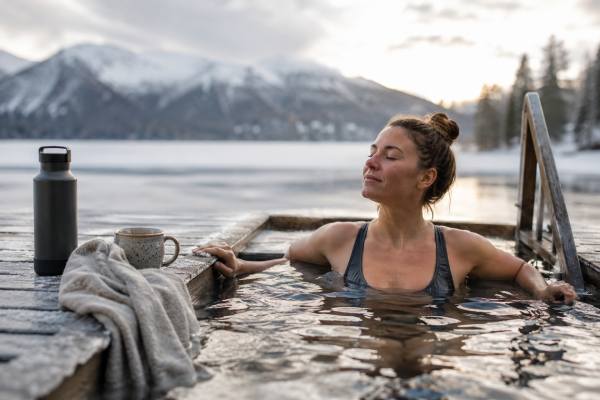
Cold plunges, ice baths, winter swimming, and cold showers have moved from niche practices into mainstream wellness culture. They are often promoted as a way to “boost” the immune system, build resilience, sharpen mood, and reduce inflammation. That story is appealing, especially in a time when many people want low-cost ways to feel stronger and recover better. But the science is more nuanced than the slogans suggest.
Cold exposure clearly changes the body. It raises adrenaline, constricts blood vessels, activates thermoregulation, and can influence inflammatory and stress-related pathways. What it has not clearly proven is broad, reliable protection against everyday infections. The strongest evidence points to short-term physiological effects, some promising signals for stress resilience and wellbeing, and much less certainty around immune outcomes that matter in daily life. The risks are real too, especially for people with cardiovascular or respiratory vulnerability.
That makes cold exposure neither miracle nor myth. It is a real stressor with possible benefits, meaningful limits, and a safety profile that deserves more respect than it usually gets.
Quick Summary
- Controlled cold exposure may improve stress tolerance, alertness, and some inflammatory markers, but it has not proven a broad immune-boosting effect.
- Cold showers and cold-water immersion may support resilience for some healthy adults, especially when practiced consistently and cautiously.
- Evidence for fewer infections is limited, and one often-cited trial found less sickness absence, not fewer illness days.
- Sudden cold immersion can sharply raise heart rate, blood pressure, and breathing, creating serious risk for some people.
- The safest way to try it is to start with brief, mild exposure, warm up gradually, and avoid extreme cold if you have heart, lung, nerve, or cold-triggered conditions.
Table of Contents
- What Cold Exposure Does to Immunity
- Where the Benefits Look Real
- What the Evidence Does Not Prove
- The Main Risks and Side Effects
- Who Should Avoid It
- How to Try It More Safely
What Cold Exposure Does to Immunity
Cold exposure is best understood as a controlled stressor. When you step into cold water or end a shower with cold water, your body responds immediately. Blood vessels in the skin constrict, breathing speeds up, heart rate can rise, and stress hormones such as norepinephrine surge. That response is not automatically harmful. In small doses, it may act like a hormetic stressor, meaning a manageable challenge that prompts adaptation. But a stress response is not the same thing as a clear immune benefit.
The immune system reacts to cold in complex, time-dependent ways. Some studies show short-term shifts in circulating immune cells and inflammatory signaling after cold exposure. There may be changes in cytokines, stress mediators, and autonomic nervous system tone. These findings help explain why cold exposure is often discussed alongside resilience, adaptation, and recovery rather than just “staying warm.” But these are mechanism-level changes, not proof that a person will catch fewer colds or recover faster from infection.
This distinction matters because many wellness claims skip straight from biology to broad promises. A brief rise in norepinephrine or a shift in an inflammatory marker does not automatically translate into better everyday immunity. The body can mount a measurable response to cold without producing the kind of consistent, real-world infection protection that people expect.
There is also a difference between acute and repeated exposure. A single cold plunge can feel dramatic, but repeated exposure tends to change how the body reacts. Some people report less distress, more tolerance, and a sense of improved wellbeing over time. That does not necessarily mean the immune system has been “strengthened” in a simple way. It may mean the stress response becomes more regulated, which can matter because chronic stress and poor recovery can themselves affect host defense. This is one reason cold exposure is better discussed through the lens of immune resilience rather than immune boosting.
Another important point is that cold itself is not one thing. Cold showers, full-body ice baths, open-water swimming, cold air exposure, and cryotherapy are not interchangeable. Duration, water temperature, body surface exposure, acclimatization, and recovery all change the physiological effect. A brief cool rinse after a warm shower is not the same as several minutes in near-freezing water.
So what does cold exposure do to immunity? It appears to influence stress physiology and some immune-related signals. That is real. What remains less certain is how often those changes produce clinically meaningful immune benefits. For most readers, the safest conclusion is that cold exposure can modulate the body’s response systems, but it should not be treated as a proven shortcut to fewer infections or stronger immunity overall.
Where the Benefits Look Real
The most credible benefits of cold exposure are not the most dramatic ones. Current evidence does not strongly support bold claims that cold plunges transform immunity overnight, but it does point to some plausible areas where benefits may exist, especially in healthy adults using controlled, repeated exposure.
One area is stress regulation. Cold exposure creates an acute challenge, and repeated exposure may help some people feel more capable of handling discomfort. That does not mean everyone becomes calmer or healthier, but it may partly explain why many regular users report improved mood, alertness, and a sense of increased resilience. Reviews of cold-water immersion suggest possible time-dependent benefits for stress and wellbeing, though the data remain limited and not all studies agree.
Another area is inflammation. Some protocols appear to influence inflammatory markers, and the Wim Hof literature has drawn particular attention here. However, it is important to keep this in proportion. “Anti-inflammatory” does not mean universally good, and it certainly does not mean the practice is appropriate for everyone. It simply means certain pathways may shift in ways researchers consider potentially helpful in some contexts. That is interesting, but not the same as a blanket health recommendation.
Recovery is another reason people use cold exposure, especially athletes. Cold water is commonly used after intense training to reduce soreness and improve the feeling of recovery. That is a different goal from immune support, but the two are often blurred together. Recovery practices can matter for overall stress load, and heavy training without adequate recovery can undercut immune function. That broader connection is why cold exposure sometimes appears beside topics like exercise and immunity and overtraining.
There is also one widely cited cold-shower trial suggesting reduced sickness absence from work. That finding is intriguing because it points toward a real-world outcome rather than just a blood marker. But the nuance matters: participants did not report fewer illness days, only less work absence. That leaves open several possibilities, including perception changes, behavior changes, or feeling more capable despite similar symptom burden. It is a signal worth noting, not a reason to declare the case closed.
Cold exposure may also help some people feel mentally sharper or more energized. Part of that effect may be simple arousal. A cold shower wakes you up because it strongly activates the nervous system. That can feel subjectively powerful even if the immune effect is modest. The same is true of mood: some people feel better after cold exposure, but that does not mean the practice is an immune intervention in the strict sense.
In short, the most believable benefits are modest and context-dependent: stress resilience, perceived recovery, possible inflammatory modulation, and perhaps small effects on wellbeing or function. Those are meaningful enough to interest many healthy adults. They are just not the same as a proven, broad-spectrum immunity upgrade.
What the Evidence Does Not Prove
The biggest problem in this area is not lack of interesting biology. It is overreach. Many articles and social posts treat cold exposure as if it has already been shown to prevent common infections, strengthen the immune system in a broad way, and improve health across nearly every domain. The evidence does not support that level of certainty.
First, there is no strong proof that routine cold exposure reliably prevents colds, flu, or other everyday infections. A few findings are suggestive, but the human evidence is still small, mixed, and often indirect. Many studies are short, involve few participants, or measure physiological signals rather than clinically important outcomes. That is not useless research, but it should lower our confidence in sweeping claims.
Second, some of the most enthusiastic claims are heavily confounded. People who cold-plunge regularly are often already health-conscious. They may exercise more, sleep better, spend more time outdoors, have strong social routines, or be more motivated to tolerate discomfort. Those factors can affect wellbeing and even illness experience on their own. It is very difficult to separate the effect of cold from the effect of the person who chooses cold.
Third, the term “immunity” is often used too loosely. Immunity is not one dial that can be turned up. The body needs balance, containment, recovery, and tolerance, not just more activation. This is why articles that promise immune “boosting” should be read carefully. In reality, a healthier framework is usually supporting immune function through layered habits and recognizing that many popular claims belong in the category of immune myths and misleading shortcuts.
Fourth, more stress is not always better stress. Hormesis is real, but only within limits. Too little challenge may undertrain adaptation, but too much challenge can backfire. Cold exposure that is too intense, too frequent, poorly recovered from, or pursued during illness, sleep deprivation, or heavy training may simply add strain. That is especially relevant for people already under physical stress. Cold is not an isolated stimulus. It lands on top of whatever else the body is already carrying.
There is also no strong basis for treating cold exposure as a substitute for basics that matter more. Poor sleep, excess alcohol, chronic stress, heavy ultra-processed food intake, smoking, and overtraining all weaken recovery and resilience in better-established ways. The same is true for ordinary preventive habits. If you are not covering those foundations, cold exposure is unlikely to compensate. This is one reason it belongs in the broader discussion of what weakens your immune system rather than in a special category of immune magic.
The most honest reading of the evidence is this: cold exposure may have interesting and possibly useful effects, but it has not earned the status of a proven immunity intervention for the general public. That gap between fascination and proof is where caution belongs.
The Main Risks and Side Effects
Cold exposure is often framed as if the main risk is being uncomfortable. In reality, the immediate physiological risks can be much more serious than that, especially with sudden immersion in cold water. The problem begins with the cold shock response. When the body is plunged into cold water, breathing can become sudden and uncontrollable, heart rate jumps, blood pressure rises, and panic can follow. If the face goes under during that involuntary gasp, drowning can happen quickly.
This is one reason cold showers and cold plunges are not the same conversation. A brief cold shower in a standing bathroom is not harmless for everyone, but it does not usually carry the same drowning and cold-shock risks as jumping into open water. Ice baths, cold tubs, and winter swimming place much greater demand on the cardiovascular and respiratory systems, and they remove the easy exit that a shower provides.
Hypothermia is another serious risk, particularly with prolonged exposure, low body fat, strong wind, open water, or fatigue. Early signs can be subtle: shivering, clumsiness, confusion, slurred speech, or unusual exhaustion. The danger is that judgment also worsens as body temperature drops. A person may not appreciate how impaired they are becoming. That is part of why cold water accidents are so dangerous even in people who consider themselves fit.
Cardiovascular strain is a major concern. Sudden cold can provoke a sharp pressor response, meaning blood pressure and cardiac workload rise quickly. For healthy people this may simply feel intense. For people with heart disease, arrhythmia risk, uncontrolled hypertension, or poor cardiovascular reserve, it can be dangerous. The same caution applies to sudden temperature swings around heavy exertion, dehydration, or stimulant use.
Respiratory effects matter too. Cold air or cold water can trigger bronchospasm in susceptible people, especially those with poorly controlled asthma. Hyperventilation from shock can make the experience feel even more threatening. There are also smaller but still relevant risks: dizziness, fainting, falls when exiting slippery tubs, and delayed rewarming after overexposure.
A subtler risk is behavioral. People sometimes increase intensity too fast because the practice is culturally tied to toughness. That can turn a potentially manageable habit into a strain cycle, especially in people already running low on recovery. If poor sleep, heavy stress, or intense training are already present, adding a strong cold stressor may not be wise. This overlap is why recovery signals such as sleep quality and even tools like HRV and illness-readiness tracking can provide useful context, even if they are not definitive.
The take-home point is not that cold exposure is inherently unsafe. It is that it deserves the same respect as any meaningful physiological stressor. The risks rise with colder temperatures, longer durations, water immersion, isolation, poor supervision, and pre-existing health issues. That reality should shape the decision more than trends or bravado.
Who Should Avoid It
The clearest answer here is not a simple blacklist but a risk-based one. Some people should avoid cold exposure altogether, especially unsupervised or extreme exposure. Others may not need to avoid it completely but should get medical clearance, modify the method, or choose milder forms only.
People with known cardiovascular disease are high on the caution list. That includes coronary artery disease, prior heart attack, heart failure, uncontrolled high blood pressure, significant valve disease, or known arrhythmias. Sudden cold can sharply increase heart workload and blood pressure. Even if a person feels stable in everyday life, abrupt immersion is not the same as ordinary activity. The same caution applies to people with a history of unexplained fainting or cardiac symptoms during exertion or temperature extremes.
People with certain electrical heart conditions or inherited rhythm disorders also deserve extra caution. The combination of sympathetic surge, breath changes, and sudden immersion can be risky. Similarly, anyone with severe peripheral vascular disease, marked Raynaud’s phenomenon, or cold-induced circulatory symptoms may find that cold exposure causes more harm than benefit.
Respiratory vulnerability matters too. People with poorly controlled asthma, cold-triggered bronchospasm, or severe anxiety around breathlessness may react badly, especially to open-water exposure. Neurologic conditions can also change the risk profile. Reduced sensation, neuropathy, seizure disorders, or balance problems can make cold exposure harder to judge and recover from safely.
Pregnant people, frail older adults, and very young children should not be treated as routine candidates for intense cold exposure protocols. This is not because brief cool water is inherently toxic, but because the evidence for benefit is weak while the downside from overexposure or poor temperature regulation can be greater. The same applies to people who are currently ill, feverish, dehydrated, exhausted, or recovering from major physical stress. In those moments, adding a strong cold stressor usually makes less sense than focusing on hydration, sleep, and measured recovery.
People with a history of disordered, all-or-nothing health behavior should also pause. Cold exposure is easy to turn into a toughness ritual. If the practice becomes punishing, compulsive, or tied to guilt, it stops being a wellness tool and starts becoming another stress load. That framing overlaps with the broader warning against overstating immune-support tools and the need to see cold as just one optional practice among many.
A good rule is simple: if a sudden surge in breathing, blood pressure, or cardiovascular demand sounds like it could be a problem for you, do not assume a trend overrides that concern. Extreme or unsupervised cold exposure is not the place to test it. When in doubt, ask a clinician before you start.
How to Try It More Safely
If you are a healthy adult who still wants to experiment with cold exposure, the safest approach is to think in gradients, not heroics. The goal is not to prove toughness. It is to see whether modest, controlled exposure feels useful without overwhelming your body or ignoring clear warning signs.
Start with the mildest version that still feels meaningfully cold. For most people, that means ending a warm shower with a brief cool or cold period rather than jumping into an ice bath or open water. Short duration matters. Even 15 to 30 seconds at the end of a shower can be enough to judge how your body responds. If that feels tolerable over time, you can extend slowly. There is no evidence-based reason most people need extreme temperatures or long durations to get every potential benefit available.
A few safety principles matter more than protocol details:
- Never start with unsupervised open-water cold exposure. The risks of cold shock, panic, and impaired swimming are too high.
- Do not combine cold exposure with alcohol, exhaustion, or illness. These states reduce judgment and increase stress on the body.
- Warm up gradually afterward. Dry off, dress warmly, and let body temperature recover. Avoid the mindset that staying cold longer is always better.
- Stop immediately if you feel chest pain, severe breathlessness, marked dizziness, confusion, or loss of coordination.
- Keep the head and face out of very cold water when starting. Sudden facial immersion intensifies the shock response.
- Progress slowly, not daily by force. A practice that leaves you feeling wiped out, sleep-disrupted, or unusually strained is probably not helping.
It also helps to keep expectations grounded. Use cold exposure as one optional stress-management or recovery practice, not as the centerpiece of your immune plan. The foundation still lies elsewhere: good sleep, adequate food, consistent movement, stress regulation, and staying out of the red zone of chronic overload. This is why cold exposure fits best alongside stress regulation and the wider picture of evidence-based immune support.
A final point is worth making clearly: more intense does not mean more effective. Many people who benefit most from cold exposure do so through controlled consistency, not extremes. If you are curious, the best starting question is not “How cold can I go?” It is “Can I use a mild dose safely enough to learn whether it helps me at all?” That mindset is safer, more sustainable, and much closer to what the evidence actually supports.
References
- Effects of cold-water immersion on health and wellbeing: A systematic review and meta-analysis 2025 (Systematic Review)
- Does the Wim Hof Method have a beneficial impact on physiological and psychological outcomes in healthy and non-healthy participants? A systematic review 2024 (Systematic Review)
- Health effects of voluntary exposure to cold water – a continuing subject of debate 2022 (Review)
- The Effect of Cold Showering on Health and Work: A Randomized Controlled Trial 2016 (RCT)
- Preventing Hypothermia | Winter Weather | CDC 2024 (Official Guidance)
Disclaimer
This article is for educational purposes only and is not a substitute for medical advice, diagnosis, or treatment. Cold exposure can trigger serious cardiovascular and breathing responses, and it is not appropriate for everyone. Seek medical guidance before trying cold plunges, ice baths, or winter swimming if you have heart disease, high blood pressure, asthma, fainting episodes, circulation problems, nerve problems, pregnancy, or any chronic medical condition. Get urgent help for confusion, chest pain, severe shortness of breath, loss of coordination, or signs of hypothermia after cold exposure.
If this article helped you, please share it on Facebook, X, or another platform you use.