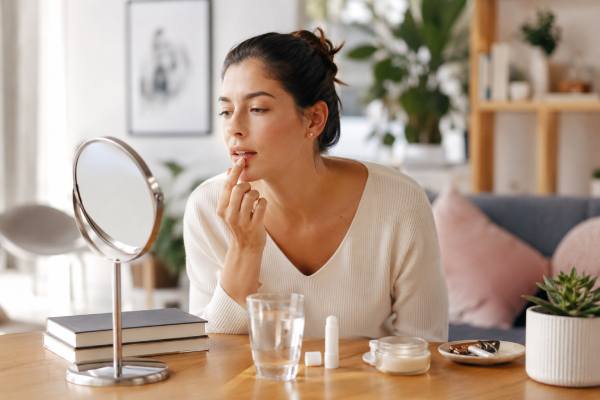
Cold sores are small, but they raise big questions. Why do they keep coming back? Do frequent outbreaks mean your immune system is weak? And when is a cold sore just an annoyance versus something that deserves treatment? The answers are more nuanced than most people expect. Cold sores are usually caused by herpes simplex virus type 1, a virus that stays in the body after the first infection and can reactivate later. That reactivation does involve immunity, but it does not automatically mean something is seriously wrong.
For many people, outbreaks are linked to a familiar set of pressures: sun exposure, stress, fever, poor sleep, illness, or friction around the lips. For others, repeated or unusually severe sores can be a clue that medical treatment, or sometimes a closer look at immune health, is worth considering. The goal is not to fear every flare. It is to understand what tends to trigger cold sores, what actually helps prevent them, and when prompt treatment makes a real difference.
Key Facts
- Most cold sores reflect a reactivation of HSV-1, not a new infection each time.
- Stress, sun, illness, lip trauma, and poor sleep are common triggers even in otherwise healthy people.
- Starting treatment during tingling, burning, or itching often works better than waiting for full blisters to appear.
- Frequent or severe outbreaks do not always mean dangerous immune weakness, but they deserve more attention if sores are prolonged, widespread, or unusual.
- A practical prevention step is daily lip sun protection and avoiding close contact, shared lip products, and kissing while sores are active.
Table of Contents
- What Cold Sores Say About Immunity
- Common Triggers That Cause Flares
- How to Prevent Spread and Outbreaks
- What Actually Helps Early
- When Prescription Treatment Makes Sense
- When to Get Medical Help
What Cold Sores Say About Immunity
Cold sores are a good example of how the immune system is not simply “strong” or “weak.” After the first HSV-1 infection, the virus does not leave the body. It becomes latent in nearby nerve tissue and may reactivate later, usually in or around the same general area. Your immune system helps keep that reactivation under control most of the time. When a cold sore appears, it usually means the virus found an opening in that control, not that the immune system has completely failed.
That distinction matters because many people assume every flare means their immunity is poor. Usually, that is not the best interpretation. Plenty of otherwise healthy people get occasional cold sores. The immune system may be temporarily distracted, stressed, or under more pressure than usual, but that is different from having a true immune deficiency. In practical terms, an outbreak after a sleepless week, a febrile illness, a beach trip, or a stressful stretch at work is a very different signal from outbreaks that are constant, unusually severe, slow to heal, or spreading widely.
It is more helpful to think of cold sores as reflecting fluctuations in immune control. When sleep is shortened, stress hormones stay elevated, another infection is present, or the skin barrier is irritated, HSV-1 may reactivate more easily. That is one reason the broader factors covered in what weakens your immune system matter so much. They do not just influence how often you catch colds. They also affect how well the body keeps latent viruses quiet.
The other important point is that cold sores do not prove a person has a serious immune disorder. That concern becomes more reasonable when outbreaks are frequent, unusually painful, involve large areas, recur in someone taking immune-suppressing medication, or come with other warning signs such as recurrent chest infections, unexplained weight loss, severe thrush, or poor wound healing. In that kind of pattern, information about signs of a weak immune system can help frame when a deeper evaluation is worth discussing.
So yes, cold sores are connected to immunity. But they are connected in a dynamic, everyday way for most people, not in a dramatic “my immune system is broken” way. The better question is not whether immunity matters. It clearly does. The better question is what kind of immune stress is happening, how often flares occur, and whether the pattern looks common and manageable or persistent enough to need treatment and closer attention.
Common Triggers That Cause Flares
Cold sores often feel unpredictable, but most people with recurrent outbreaks eventually notice a pattern. One of the strongest triggers is sunlight, especially intense ultraviolet exposure to the lips and surrounding skin. A long beach day, skiing, hiking, or even a windy outdoor weekend can be enough to trigger a flare in someone who is prone to them. This is why lip sunscreen is not just cosmetic for some people. It can be one of the most practical prevention tools they use.
Stress is another major trigger. That does not mean a stressful day automatically causes a sore, but chronic stress can shift immune signaling and make reactivation more likely. The same is true for poor sleep, travel fatigue, and periods of overwork. That link is one reason articles on stress and immunity and sleep and immune function are so relevant to recurrent HSV-1. People often look for a single trigger when the real issue is a cluster of smaller ones arriving at the same time.
Illness is also common. Fever, respiratory infections, flu-like episodes, and even the general inflammatory stress of being sick can wake the virus up. This is part of why cold sores are still sometimes called fever blisters. The flare is not caused by the new infection directly. It is more that the body is already busy, and HSV-1 takes advantage of the moment.
Physical irritation matters too. Chapped lips, dental work, cosmetic procedures near the mouth, lip biting, or friction from wind and dry air can all make the local environment more favorable for a recurrence. Hormonal changes may play a role for some people as well. Not everyone has the same trigger profile, which is why personal pattern tracking is useful. Two people can both get recurrent cold sores and have very different reasons for the timing.
A simple trigger log can help more than people expect. Write down:
- When the sore began.
- Whether there was tingling or burning first.
- Any sun exposure in the prior two days.
- Sleep quality that week.
- Current illness, fever, or sore throat.
- Stress level.
- Lip dryness, dental work, or friction.
- Menstrual timing, if relevant.
After a few flares, patterns often become easier to see. That matters because prevention is much more realistic when you know your own triggers. You may not stop every recurrence, but you can usually shrink the number of “surprise” outbreaks once the pattern becomes clearer. Cold sores often seem random only until the setup behind them becomes visible.
How to Prevent Spread and Outbreaks
Prevention works on two levels with cold sores: lowering the chance of reactivation and lowering the chance of spreading the virus to someone else. These are related, but they are not the same. A person can do a good job preventing outbreaks and still accidentally spread HSV-1 if they are not careful during an active sore. Likewise, a person can avoid transmitting it during a flare but still keep triggering recurrences through sun exposure or poorly managed stress.
The most practical prevention step for many people is sun protection. If sunlight is a trigger, use a lip balm with broad-spectrum SPF 30 or higher and reapply it when you are outside for long periods, especially in sun, wind, or snow. This is one of the most evidence-aligned self-care habits because it targets a specific and common trigger. If you repeatedly flare after outdoor time, it is worth treating lip sun protection like part of your cold sore plan, not an optional extra.
Stress reduction helps too, though it has to be realistic. This does not mean trying to become stress-free. It means creating enough recovery to reduce the odds of immune drift: better sleep, fewer repeated all-nighters, more consistent meals, and less piling of alcohol, travel, sickness, and overwork into the same week. Those small changes often matter more than people expect.
To prevent spread during an active cold sore:
- Do not kiss anyone while blisters or crusted sores are present.
- Avoid oral sex during an active outbreak.
- Do not share lip balm, lipstick, towels, razors, drinks, or utensils.
- Wash your hands after touching the area or applying treatment.
- Avoid picking, peeling, or popping the blisters.
A few groups need extra caution. Babies, people with eczema, and people with weakened immune systems can develop more serious complications from HSV exposure. A cold sore that is routine for one adult can be much more dangerous in a newborn or in someone whose skin barrier is already compromised. That is why active sores should be treated with more respect than many people give them.
People sometimes worry about “reinfecting” themselves. The more practical concern is contamination of items that repeatedly contact the mouth during an active flare. Replacing or cleaning lip products and toothbrushes after a sore resolves can be reasonable if they were used directly on or around the lesion. That is not magic prevention, but it is a sensible hygiene step.
The broader message is simple: cold sore prevention is rarely about one miracle trick. It is usually about trigger management, sun protection, careful hygiene, and early response when prodrome begins. Those habits are not dramatic, but they are often what make outbreaks less frequent and less disruptive over time.
What Actually Helps Early
The earliest stage of a cold sore is often the most important. Many people feel tingling, itching, burning, tightness, or tenderness before blisters fully appear. That phase is called the prodrome, and it is usually the best time to act. By the time a large blister cluster is present, there is still value in treatment, but the chance to shorten the course may be smaller than it was a day earlier.
The most evidence-based early treatments are antiviral medications. These may be topical or oral, but oral options usually matter more when outbreaks are painful, frequent, or disruptive. Topical antivirals can help some people, especially when used very early, though they tend to be less powerful than prescription oral treatment. Supportive care still matters: keeping the area clean, protecting cracked lips with plain petrolatum, and avoiding picking can reduce discomfort and help healing progress more smoothly.
It also helps to keep expectations realistic. No treatment makes a cold sore disappear instantly. What good early treatment can do is shorten symptom time, reduce pain, and sometimes stop a small flare from becoming as dramatic as it otherwise would have been. That is meaningful, especially for people who get cold sores before important events, travel, or work presentations.
At-home care that tends to be reasonable includes:
- Starting treatment during tingling or burning if you have been given a plan.
- Keeping lips moisturized with a simple barrier ointment.
- Using a cool compress for comfort.
- Avoiding acidic, spicy, or very salty foods if the sore is irritated.
- Protecting the lips from sun and wind while healing.
Where people often go off track is chasing remedies with weaker evidence while ignoring timing. They may buy multiple products after the blister is fully formed and assume more is better. In reality, choosing one sensible plan and using it early matters more than building a crowded “cold sore kit.” This same caution applies to supplements. Some people experiment with options like lysine, and there is ongoing interest in that topic, but the evidence is less consistent than it is for antivirals. That is why discussions such as lysine for cold sores and lysine versus arginine are best viewed as secondary, not as a replacement for proven treatment strategies.
If you get recurrent flares, it is worth talking with a clinician before the next one happens so you have a plan ready. The most effective cold sore treatment is often not a new product. It is knowing what to do during the first few hours, when treatment still has the best chance to change the course.
When Prescription Treatment Makes Sense
Not every cold sore needs a prescription. Many resolve on their own in about one to two weeks, sometimes a bit longer, especially in a first outbreak. But “self-limited” does not mean treatment is never useful. Prescription treatment makes the most sense when outbreaks are frequent, severe, unusually painful, difficult to control with simple measures, or likely to cause major disruption.
One group who may benefit is people who can reliably recognize prodrome. If you know the pattern well and can start an oral antiviral as soon as tingling begins, the medication is more likely to shorten the flare and reduce discomfort. This is especially useful if your cold sores tend to become large, recur around important events, or leave you unable to eat or speak comfortably for several days.
Another group is people with frequent recurrences. Daily suppressive therapy is not for everyone, but it can be a good option for people whose outbreaks keep returning and interfere with quality of life. Dermatology guidance often uses a threshold around six or more outbreaks per year as a point where preventive prescription treatment may be worth discussing, especially if outbreaks are severe or emotionally distressing. Some people may also use targeted prevention before a known trigger, such as intense sun exposure, dental procedures, or another recurring setup.
Prescription treatment also makes more sense in higher-risk situations:
- A cold sore near the eye.
- Multiple lesions or unusually widespread sores.
- Very severe pain.
- Sores lasting longer than expected.
- Frequent recurrences in someone with eczema.
- Cold sores in people with cancer, HIV, transplant medicine, chemotherapy, or other immune suppression.
It is also worth discussing treatment if your “cold sores” are not behaving like typical cold sores. If lesions are mostly inside the mouth, keep recurring in odd places, do not crust in a familiar way, or look more like something else entirely, diagnosis deserves a second look. Not every recurrent lip lesion is HSV-1.
One thing to avoid is assuming every immune-support supplement will help. People often add zinc, mushroom blends, or herbal formulas without considering whether they interact with other medicines or whether they actually change HSV recurrence. That is where the caution in supplement and medication interactions matters. When a prescription antiviral is the right tool, replacing it with a vague supplement plan is usually not the best trade.
The ideal cold sore prescription plan is simple and personal. You know what your outbreaks feel like early, when to start medication, and when your pattern is frequent enough to justify a preventive strategy instead of repeated crisis management.
When to Get Medical Help
Most cold sores are more annoying than dangerous, but a few situations deserve prompt medical care. One of the most important is eye involvement. If you have a cold sore and also develop eye pain, redness, gritty sensation, light sensitivity, blurred vision, or watering that feels unusual, do not wait it out. HSV can affect the eye, and that can threaten vision if treatment is delayed.
Length matters too. A typical sore should gradually move through tingling, blistering, crusting, and healing. If it is not healing after about two weeks, or if it seems to be worsening instead of improving, that is a reasonable time to seek evaluation. The same goes for severe pain, extensive swelling, trouble eating or drinking, or fever and swollen glands that feel out of proportion to a routine recurrence.
Repeated outbreaks can also justify a visit, even if each one is individually manageable. If you are getting frequent cold sores, it is worth asking whether there is a better treatment plan and whether there are broader contributors such as sleep debt, heavy sun exposure, lip trauma, medication effects, or more general immune stress. For people with unusual patterns of infection beyond cold sores, resources on frequent infections and immune testing can help frame when the question becomes bigger than HSV-1 alone.
See a clinician sooner if:
- You are pregnant and unsure how to manage a new or recurrent outbreak.
- You have eczema and HSV exposure or sores are spreading.
- You take immune-suppressing medication.
- You have cancer, HIV, a transplant history, or recent chemotherapy.
- You are caring for a newborn and have an active cold sore.
- The sores are extensive, unusually painful, or keep recurring in clusters.
It is also wise to question any new “immune weakness” theory if cold sores are the only issue. Occasional recurrent HSV-1 is common. True immune deficiency usually shows a broader pattern, often involving recurrent sinus infections, pneumonia, thrush, skin infections, or poor recovery from ordinary illness. If that wider pattern is present, then learning about immune deficiency symptoms and when to see a specialist becomes more relevant.
The bottom line is reassuring but practical. Cold sores are common, contagious, and often manageable. They reflect a lifelong virus interacting with everyday immune pressures, not necessarily a failing immune system. But when the pattern becomes frequent, severe, prolonged, involves the eye, or occurs in someone at higher risk, treatment should move from “optional” to “worth doing now.”
References
- Herpes simplex virus 2025 (Official Guidance)
- Clinical guidelines for herpes labialis: recommendations and quality evaluation according to AGREE II 2024 (Clinical Guideline Review)
- An updated review of HSV-1 infection-associated diseases and treatment, vaccine development, and vector therapy application 2024 (Review)
- Cold sores: Diagnosis and treatment 2024 (Professional Guidance)
- Cold sore remedies dermatologists recommend 2024 (Professional Guidance)
Disclaimer
This article is for educational purposes only and is not a diagnosis, treatment plan, or substitute for medical care. Cold sores can resemble other lip and mouth conditions, and recurrent or severe outbreaks may need prescription treatment or a broader medical evaluation. Seek prompt care for eye symptoms, widespread sores, dehydration, severe pain, prolonged healing, or outbreaks in infants, people with eczema, or people with weakened immune systems. If you are pregnant, immunocompromised, or taking medications that affect immunity, ask a qualified clinician for individualized advice.
If you found this article useful, please consider sharing it on Facebook, X, or your preferred platform.