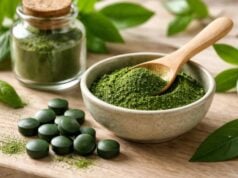
Coltsfoot (Tussilago farfara) is a spring-blooming herb with a long reputation as a “cough plant.” Traditional preparations use the flowers or leaves to soothe an irritated throat, calm dry coughs, and support more comfortable breathing when airways feel inflamed. Its appeal comes from a distinctive mix of soothing mucilage (plant polysaccharides), protective polyphenols, and aromatic compounds that can coat and calm tissues while offering gentle anti-inflammatory and antioxidant activity.
At the same time, coltsfoot is one of those herbs where safety matters as much as tradition. Many coltsfoot plants naturally contain pyrrolizidine alkaloids (PAs), compounds linked to liver injury and other serious risks. That does not mean every product is unsafe, but it does mean you should be selective, favor PA-tested options, and keep use short-term. This guide explains what coltsfoot contains, what it may help with, how people use it, typical dosing ranges, and who should avoid it.
Essential Insights
- May soothe throat irritation and help calm a dry, tickly cough when used short-term.
- Use only products tested for low or non-detectable pyrrolizidine alkaloids (PAs) to reduce liver risk.
- Typical tea range is 1–2 g dried leaf or flower per cup, up to 3 times daily for a short course.
- Avoid during pregnancy or breastfeeding, in children, and with liver disease or heavy alcohol use.
Table of Contents
- What is coltsfoot?
- Key compounds and actions
- Does coltsfoot help cough?
- Ways to use coltsfoot
- How much coltsfoot per day
- Side effects and who should avoid
- What research says overall
What is coltsfoot?
Coltsfoot is a perennial plant in the daisy family (Asteraceae). It’s easy to recognize in early spring because the yellow flower heads appear before the broad, hoof-shaped leaves. The Latin root tussis (cough) appears in its scientific name for a reason: many traditional systems used coltsfoot for coughs, sore throats, hoarseness, and “tight” or irritated breathing.
Different traditions focus on different plant parts. European herbalism often used the leaves (fresh or dried) in teas, syrups, and candies. In Traditional Chinese Medicine, the dried flower buds are known as Farfarae Flos (often used in complex formulas), typically aiming to relieve cough and help clear phlegm. In modern herbal markets, you’ll see coltsfoot sold as loose leaf, tea blends, lozenges, tinctures, and sometimes topical products.
A practical note: “coltsfoot” can be confused with other look-alike plants, and quality varies widely. If you forage, misidentification is a real risk—especially because safety hinges on plant chemistry and contamination. For most people, a reputable supplier that tests for key contaminants is safer than wild harvesting.
If your main goal is gentle respiratory comfort, it’s also worth knowing that coltsfoot is not the only classic “throat-soother.” Some people prefer herbs with a more favorable safety profile for routine use, such as mullein respiratory support, while reserving coltsfoot (if used at all) for carefully selected, short-term situations.
Key compounds and actions
Coltsfoot’s traditional “soothing” feel is not a single-ingredient story. It’s a layered effect from several classes of compounds—some helpful, some concerning.
Mucilage (polysaccharides). These gel-like plant sugars can coat irritated mucous membranes. In practical terms, that can translate to a softer-feeling throat and less “scratchy” coughing. Mucilage is most noticeable in teas and syrups, especially when steeped long enough to extract the water-soluble fraction.
Flavonoids and phenolic acids. Coltsfoot contains polyphenols such as flavonoids (commonly including glycosides related to quercetin and rutin in many Asteraceae plants) and phenolic acids (often discussed in the context of antioxidant capacity). These compounds may help moderate inflammatory signaling and oxidative stress—mechanisms that are relevant when tissues are irritated by infection, allergens, smoke, or dry air.
Tannins. Tannins are astringent polyphenols that can tighten and protect superficial tissues. In throat formulas, a small amount of tannin can complement mucilage by making the mucosal surface feel less raw.
Sesquiterpenes and other terpenoids. These are more aromatic and bioactive compounds that may contribute to anti-inflammatory effects seen in lab studies. They are also part of why coltsfoot has a distinct taste and “herbal” aroma.
The safety flag: pyrrolizidine alkaloids (PAs). This is the reason coltsfoot is controversial. Many coltsfoot plants naturally contain PAs, which can be metabolized into reactive compounds that stress and damage the liver. The risk is influenced by dose, duration, individual vulnerability, and whether the product is PA-reduced or PA-free. Some suppliers offer PA-tested coltsfoot, and some countries restrict or discourage internal use.
Because coltsfoot is often discussed alongside other botanicals used for cough blends, it helps to compare “actions” rather than hype. For example, coltsfoot’s soothing profile overlaps with demulcent and expectorant herbs, while licorice root support for the throat is often used for a different style of soothing (and has its own safety caveats). Understanding the mechanism you want—coating, thinning mucus, easing spasms, or calming inflammation—helps you choose the right tool.
Does coltsfoot help cough?
People usually reach for coltsfoot for one of two cough patterns:
- Dry, tickly cough that feels like it starts in the throat
- Irritated cough with mild congestion, where coughing is frequent and uncomfortable
The most realistic way to think about coltsfoot is as a comfort herb rather than a cure. When cough is driven by throat irritation—post-viral sensitivity, dry indoor air, voice strain, mild reflux irritation, or lingering inflammation—mucilage-rich herbs can make the throat feel less “trigger-happy.” That can reduce the urge to cough as often, especially at night.
Coltsfoot may also help when coughing is paired with mild airway inflammation. Laboratory and animal studies suggest anti-inflammatory and antioxidant activity that could, in theory, support calmer airways. But human data for coltsfoot alone is limited, and many traditional uses rely on formulas (multiple herbs working together) rather than a single plant.
In practice, people report the most benefit when coltsfoot is used in warm preparations (tea, syrup, lozenges) that are sipped slowly. The “contact time” matters: a quick gulp doesn’t give mucilage much opportunity to coat tissues. You can often tell you’re extracting enough soothing compounds when the tea feels slightly thicker or more slippery than a typical leaf tea.
For coughs with heavy mucus, fever, shortness of breath, chest pain, wheezing, or coughing up blood, self-treating with herbs is not the right next step. Those patterns can signal infections, asthma flare-ups, pneumonia, or other conditions that need medical care.
If you’re building an herbal approach for occasional cough comfort, some people pair soothing herbs with gentle aromatic plants that support easier breathing. For example, thyme-based respiratory support is often used in cough traditions for a more stimulating, aromatic profile—though it’s a different “feel” than coltsfoot’s coating, demulcent style.
Ways to use coltsfoot
Coltsfoot shows up in a few common forms. Your best choice depends on why you’re using it and how cautious you want to be about internal exposure.
1) Tea (infusion).
Tea is the classic option for throat irritation because it combines warmth, hydration, and mucilage extraction.
- Use dried leaf or flower from a reputable source (ideally PA-tested).
- Steep long enough to extract mucilage (often 10–15 minutes).
- Sip slowly to maximize throat contact.
2) Syrup, lozenges, or “cough candy.”
These can be practical for on-the-go use because they keep small amounts of herb in contact with the throat.
- Choose products that state quality controls clearly.
- Watch added sugars if you have blood sugar concerns.
- Consider timing: lozenges are often most useful before speaking or at bedtime.
3) Tinctures and extracts.
Alcohol extracts are common in herbalism, but they may not be the best match for coltsfoot’s demulcent strengths (mucilage is primarily water-soluble). Some extracts are standardized or processed for reduced alkaloids; others are not.
- Follow label dosing exactly.
- Prefer products that disclose PA testing or purification steps.
4) Topical compress (external use).
Traditional use includes applying a cooled infusion as a compress for irritated skin. This avoids swallowing the herb, although topical use still requires care if you have ragweed-family allergies or sensitive skin.
- Brew a mild infusion, cool fully, soak a clean cloth, and apply for 10–20 minutes.
- Discontinue if redness, itching, or burning occurs.
Methods to avoid (for most people).
Historically, coltsfoot leaves were smoked. This is not recommended: combustion products irritate the lungs and add avoidable risk. Likewise, do not “wing it” with home-foraged products unless you are highly confident in identification and safety testing.
If your primary goal is soothing the throat lining, you may get similar comfort from classic demulcents such as marshmallow root mucilage support, which many people reserve for repeated use because it is not known for the same PA risk profile as coltsfoot.
How much coltsfoot per day
Because coltsfoot may contain pyrrolizidine alkaloids (PAs), dosing is not just about “what works”—it’s about minimizing risk. Many cautious herbalists treat coltsfoot as a short-course herb, and many consumers choose PA-tested or PA-free products only.
That said, people still look for practical ranges. The following reflects traditional-style use and common label patterns, not a guarantee of safety.
Tea (most common traditional method).
A typical preparation is:
- 1–2 g dried coltsfoot leaf or flower (about 1–2 teaspoons, depending on cut and density)
- 150–250 mL hot water
- Steep 10–15 minutes, then strain
- Up to 3 cups daily (roughly 3–6 g/day total dried herb)
Timing tips (when it tends to help most):
- Evening and bedtime: for dry cough that interrupts sleep
- Before speaking or singing: if throat irritation triggers cough
- With warm fluids: to reinforce the soothing effect
Duration.
A conservative, practical approach is 3–7 days for a cough flare, then reassess. If symptoms persist beyond a week, or if you have worsening signs (fever, shortness of breath, chest pain), treat that as a cue to seek medical advice rather than extending an herb indefinitely.
Tinctures and extracts.
Because products vary widely, it’s safest to follow the manufacturer’s dosing directions and choose brands that explain quality controls (including PA testing). If a product is labeled “PA-free” or “PA-reduced,” treat it as a risk-reduction step—not a license for long-term daily use.
Common variables that change the “right” dose:
- Age and body size: smaller bodies generally need less, and children should avoid coltsfoot altogether
- Liver health and alcohol use: lowers the threshold for concern
- Other medications or supplements: especially those that stress the liver
- Cough type: a demulcent style tea is more relevant for dry, irritated cough than for thick, infectious sputum
If you want a warming, spicy option some people rotate in during cough season, ginger-based support is often used differently—more for warming comfort and digestion—while coltsfoot is more about coating and calming irritation.
Side effects and who should avoid
Coltsfoot’s safety discussion is dominated by pyrrolizidine alkaloids (PAs). These compounds are a known concern in several plant families, including Asteraceae. The main issue is that PAs can be metabolized into reactive intermediates that may injure liver tissue. Serious outcomes reported in PA exposure contexts include liver inflammation, scarring, and vascular injury patterns within the liver. Risk rises with higher dose, longer use, and individual vulnerability.
Who should avoid coltsfoot (internal use) entirely:
- Pregnant or breastfeeding people (risk is not worth it)
- Children and adolescents
- Anyone with liver disease (past or current), unexplained elevated liver enzymes, or a history of hepatitis
- People who drink heavily or regularly (adds liver load)
- Anyone using medications that can affect the liver, unless a clinician confirms compatibility
Possible side effects (even with short-term use):
- Upset stomach, nausea, or an unpleasant aftertaste
- Allergic reactions in sensitive individuals (especially those with ragweed-family allergies), including itching, rash, or mouth irritation
- Headache or light dizziness in some users
Drug and supplement interactions (practical cautions).
Hard interaction data for coltsfoot is limited, but the liver risk changes the conversation. If a medication label warns about liver effects, treat coltsfoot as a “do not combine without guidance” herb. Be extra cautious with combinations that can stress the liver (multiple supplements, high-dose acetaminophen, heavy alcohol use, or certain prescription medicines).
Quality and contamination concerns.
Even if a product is labeled “coltsfoot,” contamination can occur through plant mix-ups or through PA-containing weeds harvested alongside the intended plant. If you choose to use coltsfoot internally, prioritize products that describe testing for PAs and other contaminants, and avoid vague sourcing.
When to stop and seek help.
Stop using coltsfoot and contact a clinician promptly if you develop symptoms such as unusual fatigue, dark urine, yellowing of skin or eyes, right upper abdominal pain, persistent nausea, or severe itching—especially if you used the herb repeatedly or in higher doses.
Coltsfoot can be meaningful in tradition, but modern safety standards are clear: this is not a casual, everyday tea for most people.
What research says overall
Coltsfoot sits at a complicated intersection of tradition and modern evidence.
What seems reasonably supported (in principle):
- Soothing action for irritated tissues is consistent with its mucilage content and traditional preparation methods. Warm, slow-sipped tea can plausibly reduce throat irritation and the urge to cough in some people.
- Anti-inflammatory and antioxidant signals appear in lab and animal research, which aligns with its polyphenols and terpenoid profile. This supports the idea that coltsfoot may help “calm” irritated airways, at least modestly.
What remains uncertain:
- Human clinical evidence is limited. Many studies focus on extracts, isolated compounds, or formula-based traditions rather than everyday tea. That makes it hard to translate findings into a confident, real-world promise.
- Dose and preparation matter. A tea, a syrup, and a concentrated extract are not the same exposure—either for benefits or for risk. Research on one form cannot automatically be applied to another.
The major limiting factor: safety.
Even if coltsfoot offers genuine symptom comfort, the PA issue changes the risk-benefit calculation. Modern regulatory and toxicology work has placed strong emphasis on limiting PA exposure from herbal products. That means coltsfoot is often framed as “only if PA-controlled, only short-term, only for specific situations”—and many people decide the uncertainty is not worth it.
A practical, balanced takeaway.
If you are deciding whether coltsfoot belongs in your routine, consider these questions:
- Is my symptom mild and short-lived, or does it suggest something that needs medical evaluation?
- Can I get the same throat comfort from a lower-risk demulcent?
- If I still want coltsfoot, can I source a product that clearly addresses PA safety?
- Am I willing to keep use brief, rather than daily or seasonal?
For many readers, coltsfoot is best viewed as a historically important herb with a narrow modern role: occasional, carefully sourced, short-term support—if used at all.
References
- Coltsfoot (Tussilago farfara L.; Asteraceae): modern methods of extraction, phytochemistry, nanoparticles synthesis, ethnopharmacology, and biological activities 2025 (Review)
- A novel strategy based on serum metabolite-mediated interactions between the lung and gut microbiota to investigate the protective effect of Flos Farfarae against chronic bronchitis 2026 (Preclinical Study)
- Pyrrolizidine Alkaloids in Foods, Herbal Drugs, and Food Supplements: Chemistry, Metabolism, Toxicological Significance, Analytical Methods, Occurrence, and Challenges for Future 2024 (Review)
- Public statement on the use of herbal medicinal products containing toxic, unsaturated pyrrolizidine alkaloids (PAs) including recommendations regarding contamination of herbal medicinal products with PAs 2021 (Guidance)
Disclaimer
This article is for educational purposes only and does not replace medical advice. Herbs can cause side effects and interact with medications, and coltsfoot products may carry specific safety risks related to pyrrolizidine alkaloids. If you are pregnant, breastfeeding, have liver disease, take prescription medications, or are considering use for a child, consult a qualified clinician before using coltsfoot. Seek urgent medical care for severe or persistent cough, shortness of breath, chest pain, high fever, or coughing up blood.
If you found this guide helpful, consider sharing it on Facebook, X (formerly Twitter), or your preferred platform so others can make safer, better-informed decisions.