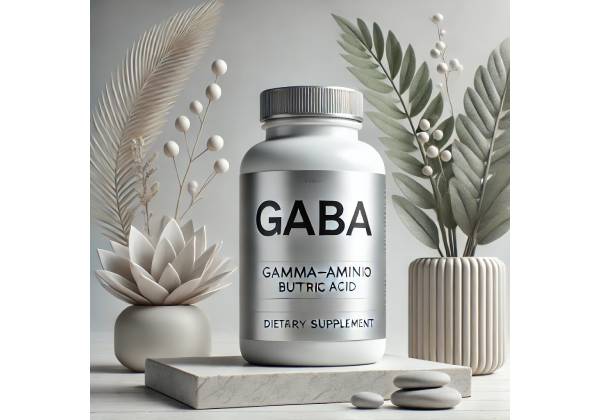
GABA is often described as the brain’s braking system. It is the main inhibitory neurotransmitter in the central nervous system, helping nerve cells quiet down after stimulation. That simple fact explains why GABA supplements are marketed for stress, sleep, relaxation, and emotional balance. But it also creates confusion. The body’s own GABA clearly matters for calm, sleep onset, and nervous-system regulation, yet that does not automatically mean a capsule of GABA will reproduce the same effects in a predictable way.
That gap between biology and real-world supplementation is what makes GABA worth a careful look. People want to know whether it can ease a restless mind, shorten the time it takes to fall asleep, or support mental wellness without heavy sedation. This article explains how GABA works, what oral GABA may and may not do, who might consider it, how to dose it more sensibly, and what safety issues matter before trying it.
Table of Contents
- Why GABA Matters in the Brain
- Can Oral GABA Reach the Brain
- Benefits for Stress, Sleep, and Mood
- Who May Use GABA
- Dosage, Timing, and Product Types
- Safety, Side Effects, and Interactions
Why GABA Matters in the Brain
GABA, short for gamma-aminobutyric acid, helps the brain avoid overload. When neurons fire, they need balance. Excitatory signals push brain activity forward, while inhibitory signals keep that activity from becoming excessive, noisy, or poorly timed. GABA is the main inhibitory messenger involved in that balancing act, which is why it is closely tied to calmness, motor control, sleep regulation, sensory filtering, and the ability to settle after stress.
This role is one reason GABA is so often discussed in mental wellness. Low or poorly regulated inhibitory signaling is linked with states of overarousal: feeling wired, restless, tense, jumpy, or unable to turn thoughts down at night. That does not mean every anxious or sleepless person has a simple “GABA deficiency,” but it does explain why the pathway attracts so much interest.
GABA also matters because many familiar drugs work by influencing the GABA system rather than by supplying GABA itself. Benzodiazepines, barbiturates, alcohol, and several anesthetic or anticonvulsant agents affect GABA-related signaling in ways that can reduce anxiety, cause sedation, impair coordination, or alter mood and memory. That can make a supplement sound more powerful than it is. A GABA supplement is not the same as a drug that strongly modulates GABA receptors, and it should not be expected to feel like one.
For brain-health discussions, that distinction is essential. The fact that GABA is central to nervous-system stability does not prove that oral GABA capsules meaningfully raise brain GABA levels or improve cognition in a broad, reliable way. It does, however, make GABA biologically plausible as a supplement for stress reactivity, sleep onset, or mild hyperarousal.
A grounded way to think about GABA is to separate three different ideas:
- GABA in the brain is vital.
- GABA-targeting drugs can be powerful.
- Oral GABA supplements may have more modest and less predictable effects.
That middle point is where many articles go wrong. They move from “GABA is calming in the brain” straight to “GABA supplements calm the brain,” as though the step between those statements were already settled. It is not. The real question is not whether GABA matters. It clearly does. The real question is whether supplemental GABA can create enough of a meaningful effect to help with sleep, stress, or emotional steadiness in daily life.
That is why GABA remains interesting, but not straightforward. It sits at the intersection of real neurobiology, modest human evidence, and very enthusiastic marketing. A useful article has to keep all three in view.
Can Oral GABA Reach the Brain
This is the central issue behind the whole supplement category. Oral GABA is easy to buy, but whether swallowed GABA meaningfully reaches the brain has been debated for years. The blood-brain barrier protects the central nervous system from many circulating substances, and older research often suggested that GABA crosses that barrier poorly. That finding shaped a long-running criticism: if supplemental GABA cannot get into the brain in useful amounts, how could it work?
The answer today is still not fully settled, but it is more nuanced than a simple yes or no.
A strict version of the argument says oral GABA should not do much because barrier penetration appears limited. A more practical version says that even limited penetration, or indirect signaling outside the brain, may still matter. Small human studies have reported changes in stress markers, heart-rate variability, relaxation-related brain-wave patterns, and sleep onset after oral GABA intake. Those findings do not prove robust brain penetration, but they do suggest that the supplement may produce some physiologic effects in at least some settings.
Several explanations are possible:
- A small amount may reach the brain in some people or under some conditions.
- Effects may be indirect, through the gut, vagal pathways, or peripheral nervous-system signaling.
- Food matrix and formulation may matter, especially in fermented or naturally derived products.
- The main benefits may come from short-term calming rather than strong central sedation.
That last point is important. A supplement does not need to work exactly like a prescription sedative to be useful. If GABA helps reduce autonomic tension, softens the stress response, or makes it a little easier to transition into sleep, some users may still experience a real benefit.
At the same time, uncertainty around mechanism should lower expectations. Oral GABA is not a proven way to raise brain GABA in the same controlled sense used in neuroscience or psychiatry. It is better understood as a supplement with plausible but incomplete mechanisms, modest human evidence, and a likely effect size smaller than the marketing suggests.
This is also where broader physiology matters. The nervous system is not isolated from the rest of the body. The gut, immune system, hormone signaling, and autonomic regulation all influence how “calm” or “activated” a person feels. In that sense, some of GABA’s possible effects may fit better with the larger gut-brain axis story than with a simple idea of directly flooding the brain with more inhibitory neurotransmitter.
So does oral GABA reach the brain? Maybe only partly, and maybe not in the way many people imagine. But that does not automatically make it useless. It means the honest answer is narrower: oral GABA may affect stress and sleep through direct and indirect pathways, but the mechanism is still uncertain, and that uncertainty should shape how confidently people use it.
Benefits for Stress, Sleep, and Mood
The strongest consumer interest in GABA centers on three outcomes: feeling less stressed, falling asleep more easily, and feeling more emotionally settled. Those are also the areas where human research, while still limited, is most relevant. Even here, though, the evidence is modest rather than definitive.
Stress and relaxation are the most plausible targets. Small studies suggest oral GABA may reduce markers of acute stress or support a calmer physiologic state during mental tasks. Some people describe this as a subtle unwinding rather than a dramatic sedative effect. That distinction fits the evidence. GABA does not look like a reliable “shut off the brain” supplement for everyone, but it may help soften the edge of temporary nervous tension.
Sleep is the other major use case. The more promising signal is sleep onset, not every aspect of sleep. In other words, GABA may help some people fall asleep faster, especially when the problem is feeling mentally keyed up, physically tense, or unable to downshift at bedtime. Evidence is much weaker for broad claims such as fixing chronic insomnia, improving all stages of sleep, or working equally well for nighttime waking and early-morning awakening.
That difference matters. Someone who lies awake for an hour because their mind will not settle is a different case from someone with sleep apnea, major depression, circadian misalignment, chronic pain, or severe insomnia. Many people who look for GABA are really dealing with a pattern closer to sleep anxiety than a simple shortage of calming neurotransmitters.
Mood support is where claims often get ahead of the evidence. There is not strong proof that GABA supplements treat depression, emotional blunting, burnout, or major mood disorders. Some people may feel less irritable or overwhelmed when they sleep better or carry less stress through the day, but that is not the same as an established antidepressant or mood-stabilizing effect.
Claims around focus, cognition, and brain health also need restraint. A calmer nervous system can indirectly help concentration. Someone who is less tense may think more clearly. But there is no solid case that oral GABA is a cognitive enhancer or a proven neuroprotective supplement for healthy adults.
A balanced summary looks like this:
- Most likely benefit: mild support for acute stress reduction or relaxation
- Potentially useful: help with sleep onset in some people
- Less convincing: broad anxiety treatment, mood disorders, cognitive enhancement, or long-term neuroprotection
- Not established: replacement for therapy, sleep treatment, or psychiatric care
That may sound less exciting than many labels promise, but it is more useful. GABA may have a place for mild hyperarousal, bedtime tension, or occasional stress-heavy periods. It is far less convincing as a universal answer for mental wellness.
Who May Use GABA
GABA tends to make the most sense for a narrow group of users rather than for everyone interested in brain health. The best fit is often someone who is generally healthy, under strain, and looking for modest support with tension, winding down, or falling asleep. That is a very different target from treating a psychiatric disorder, managing substance withdrawal, or fixing long-term insomnia with a supplement alone.
People who may reasonably consider GABA include those who:
- feel physically tense at night and want help settling down
- have mild, situational stress rather than severe ongoing anxiety
- want a non-intoxicating supplement to try before bed
- prefer a gentler option before moving to more sedating products
- notice that mental overactivation, not pain or breathing issues, is what keeps them awake
Even in that group, expectations should stay realistic. GABA is not usually an “I took one capsule and felt transformed” supplement. When it helps, it often feels subtle. Some people report smoother sleep onset, less pre-bed rumination, or a softening of temporary stress rather than a strong tranquilizing effect.
Where GABA is less appropriate is just as important.
It is not a good substitute for professional care in people with panic attacks, severe generalized anxiety, major depression, bipolar symptoms, trauma-related symptoms, or significant insomnia that has lasted for months. It is also not a practical stand-in for treatment when the real problem is sleep apnea, restless legs, high caffeine intake, alcohol use, or medication side effects.
This point matters even more in recovery and addiction-related contexts. Some people hope GABA will calm alcohol cravings, cushion withdrawal, or replace the relaxing effect they used to chase with substances. That is understandable, but it is not a role GABA supplements are proven to fill. They are not treatment for alcohol withdrawal, benzodiazepine withdrawal, or severe rebound anxiety. Those situations can be medically serious and should not be self-managed with a shelf supplement.
For many people, GABA fits best as one optional tool inside a bigger plan that also includes sleep routines, exercise, caffeine awareness, and evidence-based stress-management techniques. Used that way, it may offer modest support without asking it to do a job it cannot do.
A good rule is this: the more serious, persistent, or function-limiting the symptom pattern is, the less sensible it is to rely on GABA as the main answer. The milder and more situational the problem is, the more reasonable a cautious trial becomes.
Dosage, Timing, and Product Types
There is no single best GABA dose for every goal, and that is one reason product labels vary so much. Human studies have explored a wide range, but most consumer use for stress and sleep sits roughly in the low-to-moderate range rather than in gram-level amounts. In practice, many supplements provide between 100 and 300 mg per serving, while some acute stress studies have used lower amounts.
A practical way to think about dosing is by purpose:
- For daytime stress or situational tension: lower doses are often tried first
- For bedtime use: products commonly land in the 100 to 300 mg range
- For first-time users: starting low is wiser than copying the highest number on the bottle
A cautious approach usually looks like this:
- Start with the lowest clearly labeled dose, often 100 mg or less.
- Try it for several days before deciding it does nothing.
- Use it 30 to 60 minutes before the target effect, especially at night.
- Increase gradually only if the first dose is well tolerated and clearly too weak.
- Stop escalating if you notice next-day grogginess, dizziness, stomach upset, or no real benefit.
Timing matters because GABA is usually taken for a specific window of effect. Someone using it for bedtime tension may do best taking it shortly before bed. Someone using it for occasional stress may prefer it before a known trigger, such as travel, a difficult conversation, or a mentally demanding task.
Product form matters less than marketing suggests, but it still matters somewhat:
- Capsules and tablets: simplest for consistent dosing
- Powders: flexible but easier to overdo
- Gummies: convenient, though sometimes mixed with sugar and multiple calming ingredients
- Fermented or branded forms: sometimes marketed as more bioavailable, but differences are not always clinically meaningful
Combination products need extra caution. GABA is often paired with melatonin, magnesium, l-theanine, lemon balm, or valerian. These formulas can be useful, but they make it harder to tell what is helping and what is causing side effects. People comparing GABA with melatonin timing and dosage should remember that the two work differently. Melatonin is mainly a timing signal for the body clock, while GABA is marketed more for calming and sleep onset.
Quality matters as much as dose. Look for products that clearly list milligrams per serving, avoid proprietary blends, and provide third-party testing or certificates of analysis. Clean labeling is especially important with calming supplements, where the temptation to pile in multiple ingredients is high.
The best dose is not the highest one. It is the lowest dose that produces a noticeable benefit without creating a foggy morning or a false sense of security about a bigger problem.
Safety, Side Effects, and Interactions
GABA is generally described as well tolerated in short-term use, but “well tolerated” does not mean risk-free or appropriate for everyone. The safety data on GABA supplements are still much smaller than the data for common medications, and long-term use has not been studied as deeply as many consumers assume.
When side effects happen, they are usually mild, but they can still matter. Reported issues include:
- sleepiness or morning grogginess
- lightheadedness or dizziness
- stomach discomfort
- headache
- reduced alertness
- tingling or flushing in some users
For people taking GABA at night, the main practical concern is next-day carryover. A supplement that helps you fall asleep faster but leaves you mentally dull the next morning may not be a good trade. This matters even more for driving, shift work, childcare, or jobs that depend on quick reaction time.
Interactions are another reason to be careful. GABA is not as heavily studied for drug interactions as many prescription agents, but caution makes sense when it is combined with other substances that calm the nervous system or lower blood pressure. That includes:
- alcohol
- sleep medications
- benzodiazepines
- sedating antihistamines
- some anticonvulsants
- some blood-pressure medicines
Layering several calming agents together can push a mild supplement effect into unwanted sedation or poor coordination. People who already notice a strong connection between alcohol, sleep, and anxiety should be especially careful not to treat GABA as a simple workaround for those problems.
GABA is also not a good casual experiment for everyone. Extra caution is warranted for people who are pregnant or breastfeeding, those under 18, anyone with chronic illness, and anyone taking regular prescription medication. It is also a poor choice for self-managing serious symptoms such as panic, suicidality, mania, seizures, or withdrawal syndromes.
A few final safety points are easy to overlook:
- GABA supplements are not the same as gabapentin or pregabalin.
- Natural does not mean non-sedating.
- Bigger doses are not always more effective.
- If a product combines GABA with several other calming ingredients, the side-effect risk becomes harder to predict.
The safest use case is a careful, low-dose trial in a relatively healthy adult with mild symptoms and a clear reason for using it. The risk rises when GABA becomes part of a stack, a substitute for diagnosis, or a way to self-treat symptoms that really need medical attention.
References
- Effects of Oral Gamma-Aminobutyric Acid (GABA) Administration on Stress and Sleep in Humans: A Systematic Review 2020 (Systematic Review)
- United States Pharmacopeia (USP) Safety Review of Gamma-Aminobutyric Acid (GABA) 2021 (Safety Review)
- Efficacy and Safety of Low-Dose Gamma-Aminobutyric Acid From Unpolished Rice Germ as a Health Functional Food for Promoting Sleep: A Randomized, Double-Blind, Placebo-Controlled Trial 2022 (RCT)
- The Effect of Oral GABA on the Nervous System: Potential for Therapeutic Intervention 2024 (Review)
Disclaimer
This article is for educational purposes only and is not medical advice, diagnosis, or treatment. GABA supplements may cause side effects and may interact with alcohol, sleep aids, blood-pressure medications, and other products that affect the nervous system. Do not use GABA to self-manage severe anxiety, depression, insomnia, substance withdrawal, seizures, or other serious mental or neurological symptoms. Speak with a qualified healthcare professional before using GABA if you are pregnant, breastfeeding, under 18, have an ongoing medical condition, or take prescription medication.
If this article was helpful, please share it on Facebook, X, or any other platform where it may help someone make a safer, better-informed decision.