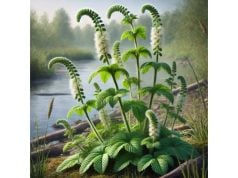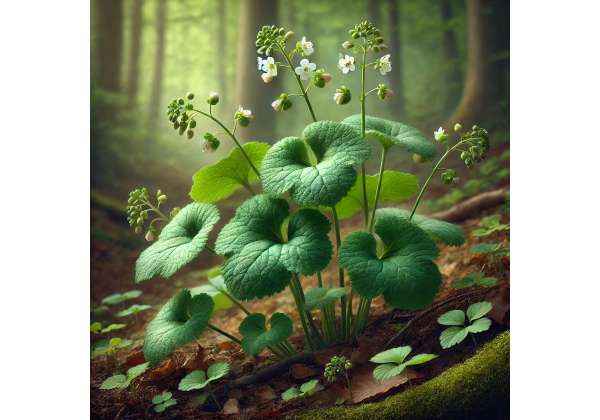
Garlic mustard is a sharp, aromatic herb that blurs the line between wild food and traditional medicine. Botanically known as Alliaria petiolata, it is a biennial plant in the mustard family with heart-shaped leaves, white four-petaled flowers, and a distinctive scent released when the leaves are crushed. That scent hints at its chemistry: sulfur-rich compounds, pungent glucosinolates, and protective phenolics that give the plant both its flavor and much of its biological interest.
Historically, garlic mustard was used as a spring green, a sauce herb, and a folk remedy for minor respiratory and skin complaints. Today, its strongest practical value is still food-first. Young leaves can brighten pestos, soups, eggs, and spreads, while its chemical profile suggests modest antioxidant, digestive, and antimicrobial potential. At the same time, it is not a clinically standardized herb, and its more concentrated parts deserve restraint.
That balance is what makes garlic mustard worth understanding. It can be flavorful, useful, and genuinely interesting, but it should be approached as a pungent seasonal herb with selective benefits rather than a high-evidence medicinal cure-all.
Quick Facts
- Garlic mustard offers sulfur compounds, polyphenols, and vitamin-rich young leaves that may support antioxidant and digestive wellness.
- Its most realistic benefits come from small culinary use, especially in pestos, chopped herb blends, soups, and egg dishes.
- A practical food-first serving is about 5 to 15 g fresh leaves per meal, usually mixed with other greens or herbs.
- Large raw amounts, concentrated extracts, and heavy seed use may irritate digestion and are not well studied for routine medicinal use.
- People with mustard-family allergies, uncertain plant identification, or pregnancy-related concerns should avoid self-directed medicinal use.
Table of Contents
- What is garlic mustard
- Key compounds in garlic mustard
- What can it help with
- How to use garlic mustard
- How much per day
- Safety and who should avoid it
- What the evidence says
What is garlic mustard
Garlic mustard is a biennial herb in the Brassicaceae family, the same broad family that includes cabbage, mustard, radish, and cress. In its first year, it forms a low rosette of rounded, scalloped leaves. In its second year, it sends up an upright flowering stalk with triangular leaves and clusters of small white flowers. When the leaves are crushed, they release a scent that resembles mild garlic, while the taste on the palate is more like a peppery mustard green with a bitter finish.
This combination of aroma and bite explains both its culinary role and its traditional use. Garlic mustard was historically valued as an early spring herb, especially before cultivated herbs and garden greens were widely available year-round. It could be chopped into sauces, added to soups, eaten raw in small amounts, or used as a seasoning green. In older European traditions, it also appeared in folk remedies for chest congestion, minor wounds, and sluggish digestion.
Several names appear in older herb references, including hedge garlic, jack-by-the-hedge, and sauce-alone. Those names are helpful because they reveal how people actually used the plant: as a hedgerow herb, a kitchen seasoning, and a sauce ingredient rather than as a major staple food. That remains the best modern frame for it.
Garlic mustard also has a dual identity today. In Europe and parts of Asia, it is a native wild edible with ethnobotanical value. In much of North America, it is a well-known invasive plant. That ecological status does not automatically change its chemistry or edibility, but it does affect how people encounter it. Many modern users discover it through foraging rather than herbal medicine, and that makes identification and habitat quality especially important.
As a food plant, garlic mustard behaves more like a pungent seasonal herb than like a neutral leafy vegetable. Its leaves can be used raw when young, but mature leaves become harsher, more bitter, and less balanced. In that sense, it is closer to a flavoring green than to a bowl-sized salad base. A useful culinary comparison is peppery Brassicaceae greens like watercress, although garlic mustard is usually more bitter, more assertive, and less suited to large portions.
The most important baseline fact is simple: garlic mustard is an edible medicinal herb with genuine traditional value, but it is best understood as a concentrated wild green. That means it rewards modest, skilled use more than casual overuse. Understanding its chemistry helps explain why.
Key compounds in garlic mustard
Garlic mustard’s value comes from a layered chemistry rather than from one star compound. Its aroma, pungency, bitterness, and biologic activity all come from a mix of sulfur-containing defense compounds, phenolic antioxidants, vitamins, and other secondary metabolites. For readers looking for the “key ingredients,” the most important groups are glucosinolates, their breakdown products, flavonoids, phenolic acids, and a smaller group of unusual defensive molecules.
The best-known glucosinolate in garlic mustard is sinigrin. This is one reason the plant smells and tastes the way it does. When plant tissue is cut or crushed, sinigrin can be broken down into pungent compounds such as allyl isothiocyanate, which is also associated with mustard-like heat. These compounds are central to the plant’s antimicrobial and digestive reputation. They are chemically reactive, aromatic, and biologically active, which is why garlic mustard feels more medicinally “sharp” than many mild greens.
Garlic mustard is also notable for alliarinoside, an unusual hydroxynitrile glucoside that is far less familiar to casual herb users than sinigrin but highly interesting to plant chemists. It appears to be part of the plant’s defensive system and helps explain why garlic mustard has such a distinctive phytochemical profile compared with many other edible greens. This is one of the clearest signs that the plant should not be treated as interchangeable with lettuce or spinach.
Other relevant compounds include:
- Flavonoids, including apigenin- and kaempferol-related compounds
- Phenolic acids such as sinapic and p-coumaric acid derivatives reported in garlic mustard studies
- Vitamin C and carotenoid-related nutrients in the leaf
- Trace minerals and fiber typical of wild greens
- Seed oils with a more concentrated fatty acid profile than the leaf
A practical insight that often gets missed is that garlic mustard’s chemistry changes with plant part and age. Young spring leaves are usually the most balanced for food use. They still carry the plant’s sulfur compounds, but the bite is softer and the fibers are more tender. Flowers are milder and visually attractive as a garnish. Seeds and roots are more intense, more medicinal in feel, and less forgiving for casual use. In other words, the same species can behave like a fresh herb, a spice, or a wild medicinal depending on which part you choose.
This is also why dosage matters so much. A few chopped leaves in a sauce deliver flavor and modest phytochemical exposure. A concentrated extract, large raw handful, or heavy seed use creates a very different level of chemical intensity. That is especially important with plants from the mustard family, where defensive sulfur compounds are part of the whole point.
If you want a broader point of reference, garlic mustard’s chemistry overlaps in principle with other glucosinolate-rich cress-type herbs, but its profile is more unusual because of alliarinoside and its sharper wild-plant character. That makes it scientifically interesting, though not automatically clinically proven.
What can it help with
Garlic mustard may help in several modest and realistic ways, but the strongest benefits are still food-level rather than drug-like. The most credible claims relate to antioxidant support, mild digestive stimulation, seasonal nutrient intake, and limited traditional topical or antimicrobial use. It is important to separate those grounded uses from broader health promises that go beyond current evidence.
The first benefit is dietary variety. Garlic mustard adds pungency, bitterness, and green freshness at a time of year when many people want more seasonal plants in the diet. That may sound simple, but it matters. A strongly flavored herb can encourage plant diversity in meals without relying on large portions. When used well, garlic mustard functions like a nutrient-dense seasoning green rather than a bland vegetable filler.
Its antioxidant potential is the second reasonable benefit. Garlic mustard contains polyphenols, vitamin C, and carotenoid-related compounds that can contribute to the body’s broader antioxidant defenses. This does not mean it acts like a medicine for inflammation, but it supports its place among protective plant foods. The strongest case here is cumulative and nutritional, not curative.
Third, garlic mustard has a traditional digestive role that still makes sense today. Sour, bitter, and pungent herbs often stimulate appetite, saliva, and interest in food. Garlic mustard’s sulfur compounds and brisk taste may gently enhance digestive readiness when used in modest amounts with meals. In culinary practice, this is one of its most believable benefits. It wakes up food, and that sensory effect is part of its functional value.
There is also a plausible antimicrobial angle. Isothiocyanate-rich plants are widely studied for antimicrobial effects, and garlic mustard’s chemistry supports that interest. Traditional topical use for minor skin concerns and older herbal use for chest or throat complaints probably grew from this same chemical reality. Still, this is exactly where restraint is needed. Laboratory antimicrobial activity does not automatically translate into reliable clinical benefit from a home remedy.
A narrower but still useful point is its value as a spring green. Wild edible traditions often prize early leaves not because they are miracle medicines, but because they provide freshness, flavor, and micronutrients after winter diets become repetitive. Garlic mustard fits that pattern well. In the right amount, it behaves less like a supplement and more like a seasonal tool for better meals.
Compared with more established nutritive wild greens such as nettle, garlic mustard is less suited to large-volume, repeated intake and more suited to small, targeted culinary use. That is the core insight many readers miss. Its benefits are real, but they come from wise use of a chemically assertive herb, not from treating it as an all-purpose tonic.
So what can it help with? Flavor, plant diversity, mild digestive support, and a modest contribution of protective phytochemicals. That may sound restrained, but it is also the most useful and defensible answer.
How to use garlic mustard
Garlic mustard is best used with a cook’s mindset rather than a supplement mindset. Because its flavor is strong and its chemistry is concentrated, the plant works best in small to moderate amounts, especially when balanced with fats, acids, dairy, eggs, grains, or milder greens.
Young leaves are the easiest entry point. These can be finely chopped and stirred into soft cheese, yogurt, butter, or vinaigrettes. They also work well in pesto-style sauces, though most cooks get better results when garlic mustard is blended with milder herbs rather than used alone. Parsley, chives, or spinach can soften its bitterness and make the final sauce more balanced.
Practical culinary uses include:
- Pesto or green sauce with nuts, olive oil, and lemon
- Chopped into omelets, scrambled eggs, or savory pancakes
- Stirred into soups just before serving
- Mixed into herb butter for potatoes or fish
- Added to grain bowls or soft cheeses
- Used as a sharp accent in sandwiches or spreads
Flowers can be used as a garnish and have a gentler profile than the mature leaves. Seeds can be used as a spice, but they are far more concentrated and are better treated like a condiment than like a food. Some foragers also use first-year roots for a horseradish-like note, although that is a niche use and not essential for most readers.
The biggest technique rule is harvest timing. Garlic mustard is usually best before or early in flowering. As the plant ages, the leaves often become more bitter, more fibrous, and less pleasant raw. Cooking helps, especially with older leaves. A quick wilt, sauté, or stir into hot soup can make the plant more approachable without erasing its character.
A second practical rule is harvest location. Do not gather garlic mustard from roadsides, industrial areas, recently sprayed land, or places where contamination is possible. Wild edible plants are only as useful as the environment they come from. Because garlic mustard is often found in disturbed habitats, clean sourcing matters more than people think.
A third rule is handling. If harvesting in an area where the plant is invasive, avoid spreading seeds during transport and preparation. Gather responsibly, keep seed heads contained, and follow local rules.
Flavor-wise, garlic mustard is often easier to understand when compared to other pungent brassica foods such as radish. It has that same sulfur brightness, but with more bitterness and a greener, woodland feel. That is why small additions usually work better than dominant amounts.
In short, the best use of garlic mustard is as a wild herb, not a bulk vegetable. Use young parts, combine it with supportive ingredients, and let it add lift and edge rather than trying to build a whole dish around its strongest traits.
How much per day
Garlic mustard does not have a clinically standardized medicinal dose, which is the most important fact to establish before talking about quantity. There are no widely accepted capsule, tincture, tea, or extract guidelines backed by strong human trials. That means “dosage” is best approached through culinary portions, intensity of flavor, and route of use rather than through a pharmaceutical-style target.
For food use, a cautious and practical range is:
- 5 to 15 g fresh leaves per meal when used raw, chopped, or blended
- 15 to 30 g leaves when cooked and mixed with other greens or ingredients
- Up to 1 teaspoon ground seed as a spice, used occasionally rather than daily
These are not clinical doses. They are kitchen-level serving guides designed to respect the plant’s strong chemistry and taste. For most adults, that is the right way to think about garlic mustard. It is a herb that accents a dish, not a plant that needs to be consumed in bowl-sized portions to be worthwhile.
Timing also matters. Garlic mustard is usually best used seasonally, especially in early spring when the leaves are young and tender. This is one of those herbs where the natural harvest window helps regulate appropriate use. People tend to enjoy it most when it first appears, use it for a few weeks in mixed dishes, and then move on as the leaves toughen and the flavor becomes harsher.
For tea or other concentrated internal preparations, the evidence is too thin to recommend a routine daily dose. The same caution applies to homemade tinctures and medicinal extracts. The plant’s sulfur compounds are interesting, but that does not mean more is better. In fact, garlic mustard is one of those herbs where concentration can easily outpace usefulness.
A useful practical rule is to let flavor set the ceiling. If the herb is taking over the dish, scratching the throat, or leaving a harsh bitter aftertaste, the amount is probably too high for most people. That is not merely a culinary issue. It is also a sign that the exposure is moving beyond the food-first zone where garlic mustard is most sensible.
There is also a form-based difference in intensity:
- Young raw leaves are the mildest useful form.
- Cooked leaves are easier to tolerate in slightly larger amounts.
- Seeds and roots are stronger and should be treated more like spices.
- Extracts and medicinal concentrates do not have a well-established daily range.
This is why garlic mustard is not a good candidate for “more for more benefit” thinking. If you want a wild green that can be used more freely as a regular tonic food, something like dandelion greens in measured food portions is usually easier to scale. Garlic mustard works best when kept selective, seasonal, and moderate.
Safety and who should avoid it
Garlic mustard is edible, but edible does not mean unlimited. Its safety profile is shaped by three issues: potency, identification, and preparation. In normal culinary amounts, many healthy adults tolerate it well. Problems are more likely when the plant is misidentified, harvested from poor locations, or used in concentrated amounts that go far beyond food.
The most straightforward risk is plant-family sensitivity. Anyone with a known mustard-family allergy should avoid garlic mustard. Even without a formal allergy, very pungent cruciferous herbs can irritate the mouth, throat, or stomach when eaten in large raw amounts. This is especially true for people with reflux, gastritis, or very sensitive digestion.
Possible adverse effects include:
- Stomach upset after large raw servings
- Throat irritation from concentrated pungent compounds
- A bitter, harsh aftereffect when mature leaves are overused
- Skin irritation with topical experimentation in sensitive people
- Contamination exposure if harvested from polluted ground
Another caution is concentration by plant part. Leaves are the gentlest useful part. Seeds and roots are more intense and should not be treated casually. This matters because garlic mustard contains unusual defense chemistry, including glucosinolate-related metabolites and alliarinoside-linked chemistry that makes the plant biologically interesting but also less appropriate for aggressive self-medication.
Pregnant and breastfeeding adults should avoid medicinal-style use because there is not enough direct safety evidence to support concentrated intake. The same caution applies to children. Small culinary exposure as part of a normal mixed meal is a separate question, but teas, extracts, and improvised herbal dosing are not the best route in those groups.
People who should be especially cautious include:
- Anyone with a mustard-family allergy
- People with chronic digestive irritation
- Pregnant or breastfeeding adults considering medicinal use
- Children
- People who cannot confidently identify the plant
- Foragers collecting from roadsides, sprayed land, or contaminated sites
Identification is not a trivial point. Garlic mustard is distinctive once you know it, but wild-plant confidence should always come before use. If identification is uncertain, do not eat it. That rule matters more than any discussion of benefits.
A final practical safety insight is that garlic mustard should be treated as a wild herb, not as a juicing plant. Blending or juicing large quantities of a chemically assertive Brassicaceae herb is not a food tradition worth imitating without evidence. The smart way to stay on the safe side is to use the plant as people historically did: in moderate amounts, with food, and usually in combination with other ingredients.
What the evidence says
The research on garlic mustard is interesting, but it is not deep enough to support strong medicinal claims. That is the clearest summary. The plant is chemically rich, traditionally used, and supported by plausible mechanisms, yet most of the direct evidence still comes from phytochemical work, ethnobotanical documentation, and laboratory studies rather than from high-quality human trials.
What the evidence supports well is the plant’s identity as a bioactive wild edible. Multiple studies and reviews describe garlic mustard as a food plant with meaningful glucosinolate chemistry, antioxidant compounds, and traditional culinary use in European contexts. This gives solid ground for calling it a functional herb. It also explains why the plant has attracted interest for antimicrobial, digestive, and topical applications.
What the evidence supports moderately is mechanism. Sinigrin, isothiocyanate-related compounds, flavonoids, and phenolic acids give the plant a credible biochemical basis for antioxidant and antimicrobial effects. Traditional skin and respiratory uses also make more sense when viewed through that chemistry. But plausible mechanism is not the same thing as proven clinical benefit.
What the evidence supports weakly is standardized treatment use. There are no strong modern human studies showing that garlic mustard reliably treats specific diseases when taken at defined doses. That is why claims about immune support, detoxification, infection control, or anti-inflammatory action should remain modest and conditional.
A particularly important point is that the strongest papers on garlic mustard often focus on plant chemistry, ecology, or ethnobotany rather than human medicine. That does not make the herb unimportant. It just means the research story is broader than health outcomes alone. Garlic mustard is a plant with unusual defense chemistry, food heritage, and real biologic promise, but it has not yet made the leap into high-confidence clinical herbal practice.
The most evidence-aligned conclusions are these:
- Garlic mustard is a legitimate edible wild herb with traditional culinary and medicinal history.
- Its sulfur compounds and phenolics make mild antioxidant and antimicrobial activity plausible.
- Food-level use is more defensible than concentrated medicinal use.
- Safety and preparation matter because the plant is chemically assertive.
- Human dosage standards and clinical outcome data remain limited.
That last point is the one that keeps the article honest. Garlic mustard deserves attention, but not exaggeration. It is not just a weed, and it is not a miracle herb. It sits in the more interesting middle ground: a traditional wild edible with meaningful chemistry, selective practical benefits, and a strong case for respectful, moderate, food-first use.
References
- Brassicaceae Mustards: Phytochemical Constituents, Pharmacological Effects, and Mechanisms of Action against Human Disease 2024 (Review)
- Traditional Use of Wild Edible Plants in Slovenia: A Field Study and an Ethnobotanical Literature Review 2024 (Ethnobotanical Review)
- The Renaissance of Wild Food Plants: Insights from Tuscany (Italy) 2022 (Review)
- Medicinal Plants Used Traditionally for Skin Related Problems in the South Balkan and East Mediterranean Region—A Review 2022 (Review)
- Diversified glucosinolate metabolism: biosynthesis of hydrogen cyanide and of the hydroxynitrile glucoside alliarinoside in relation to sinigrin metabolism in Alliaria petiolata 2015 (Mechanistic Study)
Disclaimer
This article is for educational purposes only and is not medical advice, diagnosis, or treatment. Garlic mustard is a wild edible herb with traditional use and promising phytochemistry, but it does not have well-established medicinal dosing or strong human clinical evidence for most health claims. Use caution with wild harvesting, avoid concentrated self-treatment if you are pregnant, breastfeeding, allergic to mustard-family plants, or unsure of identification, and speak with a qualified clinician if you have a medical condition or take prescription medicines.
If you found this article useful, please share it on Facebook, X, or your preferred platform.