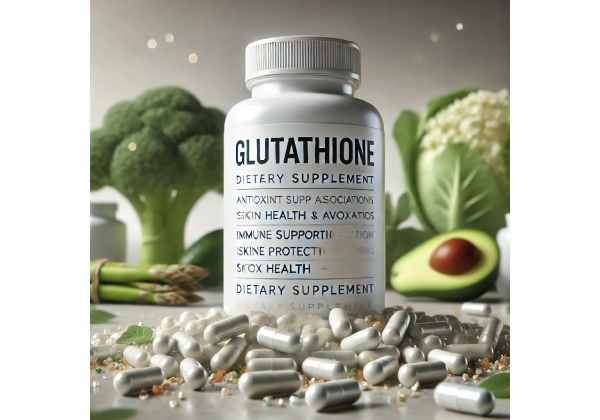
Glutathione rarely gets the same public attention as magnesium, omega-3s, or vitamin D, yet it sits at the center of some of the brain’s most protective chemistry. This small molecule is made inside the body and helps defend cells against oxidative stress, supports detoxification, and helps maintain the redox balance that neurons depend on to function well. Because the brain uses so much energy and oxygen, that protective role matters.
At the same time, glutathione is a more complicated supplement than it first appears. Low glutathione status is linked with aging, neurodegeneration, and some psychiatric disorders, but that does not automatically mean a glutathione capsule will improve memory, mood, or focus in everyday life. The form, dose, route, and reason for taking it all matter.
This guide explains what glutathione does for the brain, what the evidence suggests for mental wellness, which forms are most practical, how dosing is usually approached, and where safety and expectations need to stay grounded.
Table of Contents
- Why glutathione matters in the brain
- What it may do for mood and cognition
- Supplement forms and absorption questions
- Who may be most interested
- Dosage timing and stacking strategy
- Safety limits and smart precautions
Why glutathione matters in the brain
Glutathione is a tripeptide made from three amino acids: glutamate, cysteine, and glycine. That sounds technical, but its job is easy to understand. It helps cells neutralize reactive oxygen species, recycle other antioxidants, support detoxification reactions, and maintain the chemical environment that lets mitochondria, membranes, and enzymes do their work. In the brain, those jobs are unusually important because nervous tissue is metabolically active and vulnerable to oxidative damage.
Neurons produce a large amount of energy, and that energy production naturally creates oxidative stress. In healthy tissue, glutathione helps keep that stress in check. When glutathione status falls, the brain may become more vulnerable to inflammation, mitochondrial strain, lipid peroxidation, and disruptions in signaling. That is one reason glutathione depletion shows up so often in discussions of aging, Parkinson disease, Alzheimer disease, and psychiatric illness.
Its relevance goes beyond general antioxidant defense. Glutathione also helps with:
- preserving redox balance inside neurons and glial cells
- protecting cellular membranes from oxidative injury
- supporting mitochondrial function and energy production
- influencing inflammatory signaling
- helping regulate detoxification pathways
- limiting damage from excitotoxic stress
This is part of why glutathione often appears in conversations about neuroprotection. The brain is not only sensitive to inflammation and oxidation. It is also sensitive to cumulative wear from sleep disruption, metabolic strain, chronic stress, poor diet, toxin exposure, and age-related decline. Glutathione does not solve all of those problems, but it is one of the systems the body uses to resist them.
There is also an important structural point: glutathione in the brain is not just “floating around” independently. Astrocytes, neurons, and transport systems cooperate to maintain it. That makes glutathione less like a single nutrient with a single job and more like part of a network that supports resilience. When people talk about oxidative stress and brain fog, they are often touching this wider terrain of redox balance, energy metabolism, and inflammation. A broader overview of inflammation, brain fog, mood, and fatigue helps explain why glutathione keeps coming up in that context.
Still, the key point is balance, not hype. Glutathione is biologically central to brain health. That does not mean more is always better, or that taking it as a supplement always produces a clear mental benefit. It means the underlying system matters, especially when the brain is under stress, aging, or already struggling with disease-related processes.
What it may do for mood and cognition
The most accurate way to describe glutathione and mental wellness is this: the biology is strong, but the direct supplement evidence is still limited. There is a meaningful difference between saying glutathione is important for brain function and saying glutathione supplements reliably improve memory, focus, anxiety, or depression. The first statement is well supported. The second is much less settled.
Research in psychiatry and neurology has repeatedly linked lower glutathione or altered glutathione pathways with several conditions, including major depression, schizophrenia, bipolar disorder, and neurodegenerative disease. Brain imaging studies and post-mortem work suggest that glutathione may be lower in some brain regions in depression and other disorders. A newer meta-analysis in major depressive disorder found evidence of lower glutathione in the occipital cortex, which supports the broader theory that oxidative stress may play a role in depression for at least some patients.
That said, association is not treatment proof. Lower glutathione in a disease state does not automatically mean that taking glutathione directly will reverse symptoms. In many conditions, glutathione may be part of the stress signature rather than the whole cause. It may also be one piece of a much larger network that includes inflammation, mitochondrial changes, sleep quality, diet, physical activity, and medication response.
For everyday users, the most realistic possible benefits include:
- support for antioxidant balance during periods of higher oxidative stress
- indirect support for mental clarity when oxidative load is part of the problem
- possible support for healthy aging and resilience
- a role in broader neuroprotective strategies rather than fast symptom relief
What glutathione is not well established for is immediate or dramatic mental change. It is not a quick focus enhancer. It is not a proven antidepressant. It is not a reliable anti-anxiety supplement in the way many people hope when they first see the marketing. If someone is looking for an acute mental boost, the evidence picture is quite different from what people usually mean by nootropics for focus.
That does not make glutathione unimportant. It simply changes where it fits. It may be most relevant when mental wellness is being considered through the lens of oxidative stress, aging, neuroprotection, or recovery rather than short-term stimulation. In other words, glutathione is more of a systems-support molecule than a noticeable front-end effect.
That distinction matters because it protects readers from overspending on a supplement that may not match their actual goal. If you want a calm mind in an hour, glutathione is probably the wrong choice. If you want to support cellular defense over time as part of a bigger brain-health plan, it becomes more interesting.
Supplement forms and absorption questions
One of the biggest reasons glutathione is complicated as a supplement is absorption. The body makes glutathione inside cells, but direct oral glutathione has long raised questions because it can be broken down in the digestive tract and does not easily cross into the brain in a simple one-step way. That is why glutathione discussions often turn quickly into debates about whether the supplement “works.”
The honest answer is nuanced. Standard oral glutathione is not useless, but it is not a perfect delivery system either. Some human studies suggest that oral glutathione can increase body stores over time, especially with repeated use. Liposomal forms may improve delivery further, at least in blood markers, though the clinical meaning of that improvement for brain health is still not fully clear.
Common forms include:
- standard reduced glutathione capsules or tablets
- liposomal glutathione liquids or softgels
- sublingual products
- intravenous glutathione in medical or clinic settings
For most readers, oral and liposomal forms are the relevant ones. Intravenous glutathione is not the standard path for self-directed brain and mental wellness use, and it should not be treated like an ordinary supplement choice. The main practical question is whether a form can raise glutathione status enough to matter. Liposomal products have the strongest case for improved absorption, but even there, stronger absorption does not automatically mean proven mood or cognition benefits.
This is also the point where many people realize that precursors may be more practical than glutathione itself. The body often does better when given the building blocks it needs to make glutathione internally, especially cysteine. That is one reason interest remains high in compounds such as N-acetylcysteine for brain health, which can support glutathione synthesis more indirectly and may have a clearer evidence base in some psychiatric settings.
Food matters here too. Protein intake, sulfur amino acids, and overall dietary quality influence how well the body can maintain its own glutathione network. This is one reason a weak diet can quietly undermine the benefit of expensive supplements. Glutathione is not an isolated trick. It depends on amino acids, selenium-containing enzymes, vitamin C recycling, and overall metabolic health.
So which form is best? In practical terms:
- Standard oral glutathione is the simplest and usually cheapest.
- Liposomal glutathione may offer better absorption.
- Sublingual forms are marketed for bypassing digestion, but the evidence is still limited.
- Intravenous use is a separate clinical issue, not routine self-care.
- Precursors may be more efficient in some cases than glutathione itself.
The right choice depends less on marketing language and more on your goal, budget, tolerance, and willingness to keep expectations realistic.
Who may be most interested
Glutathione supplementation makes the most sense for people who are thinking about long-term cellular support rather than rapid mental effects. It can be especially appealing when the goal involves oxidative stress, recovery, healthy aging, or protection during periods of higher biological strain. That does not mean everyone in those groups needs it, but it helps define where glutathione is most logically placed.
People who may be most interested include:
- older adults focused on healthy aging and brain resilience
- people with high oxidative stress burdens related to illness, recovery, or environmental load
- individuals with demanding lifestyles who are already addressing sleep, diet, and exercise
- people who want a foundational rather than stimulating supplement
- those exploring antioxidant support as part of a broader clinician-guided plan
Glutathione may also attract people who describe their symptoms as feeling “run down,” inflamed, or metabolically strained rather than simply unfocused. In those cases, the appeal is often not that glutathione is a direct cognition pill. It is that the person suspects the deeper terrain of stress, recovery, and antioxidant balance may be contributing to how they feel.
Still, there are several groups for whom glutathione is probably not the best first supplement:
- anyone looking for an immediate mood lift
- someone who wants a quick concentration boost for work or study
- people with significant depression or anxiety who have not been properly evaluated
- anyone using supplements as a substitute for sleep, nutrition, or medical care
- people expecting one product to fix unexplained memory changes
That last point deserves special caution. Brain fog, forgetfulness, low motivation, and mental fatigue can come from many causes, including poor sleep, medication effects, thyroid problems, iron deficiency, depression, perimenopause, chronic stress, long COVID, and more. If symptoms are persistent or worsening, it makes more sense to review the broader list of causes of memory problems in adults than to assume glutathione is the missing piece.
Glutathione is often best understood as an option for people whose goals are preventive, supportive, and long-range. It is not the clearest first choice for someone in acute distress or someone chasing dramatic cognitive change. The more your interest centers on cellular defense and resilience, the more relevant glutathione becomes. The more your interest centers on immediate symptom relief, the weaker the fit tends to be.
In short, the best candidates are not always the people who want the most from it. They are usually the people whose expectations match what glutathione can realistically offer.
Dosage timing and stacking strategy
There is no universally accepted brain-specific glutathione dose. That is an important place to start. The dosing used in human studies varies by form, purpose, and duration, and the supplement is not standardized around a mental wellness target the way consumers often assume.
In oral studies, common supplemental amounts have often fallen in the range of about 250 to 1000 mg per day. Some trials have used 250 mg or 1000 mg over months, while liposomal studies have used 500 mg or 1000 mg daily over shorter periods. Those numbers are helpful as a reference point, but they should not be mistaken for a clinically proven dose for mood, memory, or neuroprotection.
A practical dosing framework looks like this:
- start with the product’s stated elemental amount per serving
- use the lowest sensible dose first
- give the supplement enough time to judge it fairly
- avoid changing several other variables at once
Timing is usually flexible. Glutathione is not a supplement that needs to be taken 30 minutes before a task to help you think more clearly. Many people take it with food for convenience or stomach comfort, though not everyone finds that necessary. What matters more is consistency over time.
When people want a more strategic approach, they often think in terms of stacks. That can be reasonable, but it should be done carefully. Glutathione is connected with other nutrients and pathways, so it is often discussed alongside vitamin C, selenium, alpha-lipoic acid, whey protein, cysteine donors, and general protein adequacy. Even so, more ingredients do not always mean more benefit. Complex stacks can make it hard to tell what is helping, what is unnecessary, and what is causing side effects.
A simple step-by-step approach is often better:
- Choose one clear reason for using glutathione.
- Pick one form from a reputable brand.
- Use a moderate dose consistently for several weeks.
- Track something meaningful, such as recovery, energy steadiness, or perceived brain fog.
- Reassess before adding more compounds.
Food should still be part of the plan. Protein quality, sulfur-containing foods, and antioxidant-rich plants affect how well the body supports its own glutathione system. That is one reason supplementation works best when it sits on top of solid habits rather than trying to replace them. A broader dietary pattern built around foods that support brain health often does more for long-term cognition than any single antioxidant capsule.
The bottom line on dosing is simple: glutathione is usually approached as a steady background supplement, not a fast-acting mental performance tool. Start modestly, stay consistent, and do not confuse “more expensive” or “more stacked” with more effective.
Safety limits and smart precautions
Glutathione is generally considered well tolerated when used orally in typical supplement doses, but “generally well tolerated” is not the same as universally appropriate. Safety depends on the form, route, dose, and the reason you are taking it.
For oral glutathione, reported side effects are usually mild and may include:
- nausea or stomach upset
- bloating
- loose stools
- headache in some users
- unpleasant taste with certain liquids or sublingual products
These issues are not dramatic, but they can still make a supplement a poor fit. Liposomal products, for example, may be easier for one person and more irritating for another. Since glutathione is not usually taken for an immediate payoff, tolerability matters a lot. If it causes enough discomfort that you stop after a few days, it will never get a fair trial.
Route matters too. Intravenous glutathione is sometimes marketed aggressively in wellness settings, but that is not the same as a standard evidence-based brain-health recommendation. IV use brings a different level of complexity and should not be treated like an upgraded version of an oral supplement. It is outside the scope of ordinary self-directed supplementation.
There are also reasonable precautions for certain groups:
- people who are pregnant or breastfeeding
- people with asthma, especially if using inhaled or nonstandard forms
- those on chemotherapy or complex medical treatment
- anyone with significant liver or kidney disease
- people with chronic neurological or psychiatric illness who are changing multiple supplements at once
Another practical safety point is opportunity cost. Glutathione can be safe and still be the wrong priority. If someone has chronic insomnia, heavy alcohol use, poor nutrition, untreated depression, or high inflammatory load, the supplement may end up acting as a distraction from more important care. Protecting sleep, memory, focus, and mood at the lifestyle level often does more than layering another antioxidant onto an unstable routine.
The best way to stay safe is to use glutathione conservatively. Choose a reputable product, avoid megadosing, and keep your goal specific. If you have a diagnosed condition, unexplained symptoms, or a complicated medication list, a clinician should help decide whether glutathione belongs in the plan at all.
Glutathione is not a reckless supplement, but it is one that should be used thoughtfully. The smarter your expectations and context, the more likely the experience will be both safe and worthwhile.
References
- Glutathione in the Brain 2021 (Review)
- Potential Role of Glutathione Antioxidant Pathways in the Pathophysiology and Adjunct Treatment of Psychiatric Disorders 2023 (Review)
- Glutathione alterations in depression: a meta-analysis and systematic review of proton magnetic resonance spectroscopy studies 2024 (Systematic Review and Meta-Analysis)
- How to Increase Cellular Glutathione 2023 (Review)
- Randomized controlled trial of oral glutathione supplementation on body stores of glutathione 2015 (RCT)
Disclaimer
This article is for educational purposes only and is not medical advice, diagnosis, or treatment. Glutathione supplements are not proven treatments for depression, anxiety, dementia, or persistent brain fog, and they should not replace professional care. If you have a medical condition, are pregnant or breastfeeding, take prescription medications, or are considering intravenous glutathione or a multi-supplement regimen, speak with a qualified clinician before use.
If you found this article helpful, please consider sharing it on Facebook, X, or your preferred platform.