Ground ivy is a low-growing, aromatic herb from the mint family that has been used for centuries in European folk medicine. Also known as creeping charlie, alehoof, and gill-over-the-ground, it was valued not only as a culinary and brewing plant but also as a household remedy for cough, excess mucus, sluggish digestion, loose stools, and mild urinary complaints. Today, its appeal lies in a combination of old herbal practice and newer laboratory interest. The plant contains rosmarinic acid, chlorogenic acid, rutin, caffeic acid, flavonoids, and other polyphenols that help explain its antioxidant and anti-inflammatory profile.
Even so, ground ivy is best approached with balance. It is not a modern first-line treatment for bronchitis, kidney disease, or chronic digestive disorders, and the human evidence behind many claims is still thin. Where it fits best is as a traditional herb for short-term, mild symptoms, especially when used in clearly identified forms and sensible amounts. The key is knowing what part is used, what it may realistically help, how much is typical, and where caution matters more than tradition.
Core Points
- Ground ivy is traditionally used for cough with mucus, mild digestive upset, and occasional urinary support.
- Its main bioactive compounds include rosmarinic acid, chlorogenic acid, caffeic acid, rutin, and related flavonoids.
- A common adult range is 2 to 12 g of dried aerial parts per day, depending on the form used.
- Diuretic effects may occur, and people who are pregnant or breastfeeding should avoid self-use unless advised by a clinician.
- Persistent cough, worsening urinary symptoms, or chronic diarrhea should be medically assessed rather than managed only with herbs.
Table of Contents
- What is ground ivy and what is in it?
- Does ground ivy help cough and congestion?
- What else is it used for?
- How to use ground ivy
- How much ground ivy per day?
- Side effects, interactions, and who should avoid it
- What the evidence really says
What is ground ivy and what is in it?
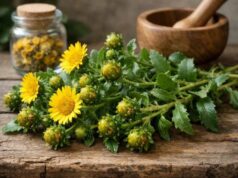
Ground ivy, botanically Glechoma hederacea, is a creeping perennial in the mint family. It spreads by runners, forms rounded scalloped leaves, and produces small purple-blue flowers in spring. Because it hugs the ground and moves aggressively through damp lawns and hedges, many people first meet it as a garden weed rather than a medicinal herb. In herbal history, though, it has a much older identity. The names alehoof and gill-over-the-ground point to a time when it was used in brewing before hops became dominant. That old use hints at something important: ground ivy is both aromatic and bitter, which helps explain why it entered traditional formulas for mucus, sluggish digestion, and damp, heavy complaints.
The medicinal part is the aerial herb, usually the dried herb top or flowering stems and leaves. That detail matters because many modern supplement pages speak loosely about “ground ivy extract” without saying which part was used or how it was prepared. In practical herbal use, the above-ground parts are the standard material.
Chemically, ground ivy is richer in polyphenols than its modest appearance suggests. Modern analyses repeatedly identify compounds such as:
- rosmarinic acid
- chlorogenic acid
- cryptochlorogenic acid
- caffeic acid
- rutin
- apigenin glycosides
- luteolin glycosides
These compounds are important because they help explain the herb’s antioxidant, anti-inflammatory, and mild antimicrobial activity in laboratory settings. Rosmarinic acid is especially worth noting. It also appears in other aromatic herbs and is often linked with calming inflammatory signaling and protecting tissues from oxidative stress. Rutin and related flavonoids contribute vascular, antioxidant, and membrane-stabilizing properties. Together, these compounds give ground ivy a more interesting medicinal profile than the plant’s reputation as a lawn invader would suggest.
Still, chemistry should not be confused with guaranteed clinical effect. A herb can contain useful molecules and still have limited human evidence. That is especially true here. Ground ivy looks promising on paper and in the lab, but it has not been studied in the same way as better-established respiratory or digestive herbs.
One useful comparison is marshmallow for soothing mucous membranes. Marshmallow relies heavily on mucilage and a coating action, while ground ivy leans more toward aromatic, bitter, and polyphenol-rich actions. That difference helps explain why ground ivy is often described as anticatarrhal and mildly expectorant rather than simply soothing.
The best way to think about ground ivy is as a traditional European herb with a respectable phytochemical profile, a long folk record, and a level of modern evidence that is intriguing but still incomplete. Its value lies in the intersection of those three things, not in any one of them alone.
Does ground ivy help cough and congestion?
This is one of the oldest and most repeated uses for ground ivy. Traditional herbal texts place it in the category of anticatarrhal and expectorant herbs, meaning it was used when mucus felt thick, lingering, or difficult to clear. That historical niche still shapes how modern monographs describe it. In Canada, ground ivy is recognized in traditional oral use for helping relieve coughs, mucus production, and bronchial complaints. That does not mean there are large modern trials proving it works in the way a cough medicine is tested today. It means there is a stable record of traditional use serious enough to guide labeling and dosage.
The likely mechanism is modest rather than dramatic. Ground ivy does not appear to be a strong bronchodilator or fast cough suppressant. It makes more sense as a mild respiratory herb that may help by:
- reducing the “stuck” or heavy feeling of mucus
- supporting easier expectoration
- adding gentle anti-inflammatory and antimicrobial activity
- working best in teas or liquid preparations during short, self-limited illnesses
In other words, this is not the herb to reach for when someone is wheezing heavily, short of breath, febrile, or clearly developing pneumonia. It is more in line with the kind of household herbal support people once used for catarrh, chesty colds, lingering mucus, and a congested post-cold cough.
Expectation is where many articles go wrong. A realistic response, if it happens, may look like:
- less throat clearing
- easier movement of mucus
- slightly less irritation from coughing
- a sense that the chest feels less “loaded”
What it should not be sold as is a cure for bronchitis, asthma, or chronic lung disease. There is a difference between traditional respiratory support and disease treatment. Ground ivy belongs in the first category.
For readers comparing herbs used for mucus-heavy respiratory complaints, great mullein for traditional respiratory support often comes up for good reason. Mullein is usually the gentler, softer herb for irritated airways, while ground ivy has a more aromatic, old-world anticatarrhal character. That does not make one better than the other. It means they fit slightly different patterns.
Another practical point is timing. Ground ivy makes the most sense early in a mild cold, during the congested middle phase of a simple upper respiratory infection, or when mucus lingers after the sharpest symptoms have passed. It makes far less sense when symptoms are severe, prolonged, or paired with chest pain, high fever, or breathing difficulty.
So yes, ground ivy may help cough and congestion, but the right word is may, not will. Its historical use is strong. Its modern clinical proof is not.
What else is it used for?
Ground ivy’s reputation extends well beyond coughs. In traditional European use, it has also been taken as a stomachic to support digestion, as an astringent for diarrhea, as a mild diuretic, and even for hemorrhoids. That wide range can make it look like a cure-all, but a better reading is that ground ivy was used as a practical household herb in situations where things felt damp, heavy, sluggish, or overproducing.
The digestive use is one of the easier traditional actions to understand. Ground ivy is aromatic and somewhat bitter. Those qualities often go together in herbs that stimulate appetite, digestive secretions, and the general readiness of the stomach for food. In that sense, it was less a remedy for every digestive disorder and more a herb for mild sluggish digestion, heaviness after meals, and a need for gentle tightening when the bowels were too loose.
Its astringent reputation is why it also appears in older descriptions for diarrhea and hemorrhoids. Astringent herbs were often chosen when tissue tone felt weak or secretions excessive. The trouble is that modern readers sometimes translate those historical uses into overly broad claims such as “repairs the gut” or “detoxes the intestines.” That goes well beyond what either tradition or modern evidence can support.
The diuretic role is similar. Official traditional guidance still allows ground ivy to be labeled as a diuretic, but even there the use is framed as occasional, not long-term. That is an important clue. The herb may encourage urinary flow mildly, but it is not a treatment for urinary tract infection, kidney stones, or persistent swelling. Those are medical issues, not tea problems.
Some sources also connect ground ivy with topical or cosmetic use. There is limited human evidence of a depigmenting effect in a small topical study, and folk practice includes skin washes and compresses. That is interesting, but it still belongs in the “emerging or traditional” box rather than the “established” one.
A reasonable summary of other uses looks like this:
- digestion: plausible traditional fit
- loose stools: historically astringent, but not a substitute for diagnosis
- occasional urinary support: mild and limited
- topical or skin interest: promising but not strongly established
If someone is mainly looking for a herb with a more focused urinary tradition, golden rod for urinary comfort is often a closer match than ground ivy. That comparison matters because many herbs overlap in old texts, but they are not equally convincing for the same problem.
Ground ivy’s broader uses are real in the historical sense. The mistake is treating all of them as equally proven in modern practice. They are not.
How to use ground ivy
The best way to use ground ivy is usually the least glamorous one: as a simple tea, infusion, or traditional liquid preparation used for a short, clear purpose. It is not a herb that benefits from being turned into a high-drama wellness product with dozens of claims attached to it.
Common forms include:
- dried herb tea
- infusion or decoction
- powdered herb
- tincture or fluid extract
- external wash or compress
For most readers, tea is the most reasonable starting point. It matches the herb’s traditional household role and allows a simple trial for mild congestion, sluggish digestion, or short-term support during a minor complaint. Tinctures may be more convenient, but their strength varies more. Capsules can be useful when the label clearly states the amount of dried herb equivalent, but many are vague.
How you use it should depend on your goal.
For respiratory support:
- Choose a simple tea or tincture.
- Use it for several days during a mild cold or mucus-heavy cough.
- Pay attention to whether mucus feels easier to clear or the chest feels less burdened.
For digestion:
- Use a lighter preparation before or after meals.
- Watch for changes in heaviness, appetite, or post-meal comfort.
- Stop if the herb irritates the stomach rather than helping it.
For occasional urinary or bowel-related use:
- Keep the trial short.
- Focus on mild, temporary complaints only.
- Reassess quickly if symptoms persist.
There is also a topical tradition. Some people use a cooled infusion as a wash or compress for mild skin irritation. That is not unreasonable, but it should stay in the realm of minor external care, not become a substitute for proper treatment of infected, spreading, or persistent skin problems. If your main goal is topical soothing, calendula for minor skin care usually has a clearer modern fit than ground ivy does.
A practical warning deserves a place here: foraging quality matters. Ground ivy is commonly found in lawns, hedgerows, and disturbed ground. Those are also places where herbicides, pet waste, runoff, and roadside contaminants may be present. A medicinal herb gathered from a chemically treated lawn is not a clean herbal remedy. If you do not know the land history, do not harvest there.
Another overlooked point is that ground ivy is not a “more is better” herb. Because it has bitter, aromatic, and mildly diuretic qualities, escalating the dose without a reason can make the experience less comfortable rather than more effective. Simple, measured use is usually the smarter path.
How much ground ivy per day?
Ground ivy dosing is not especially elegant in modern supplement language because most official traditional guidance is based on the whole dried herb, not on a highly standardized active marker. That can actually be useful. It keeps the focus on practical herbal use rather than on isolated compounds.
A widely cited adult range is 2 to 12 g of dried herb top per day. That is a broad span because it covers multiple traditional forms, including powdered herb, infusion, decoction, and certain non-standardized extracts. The form matters, but the daily dried-herb equivalent is the most stable way to think about intake.
A simple way to use that range in practice is:
- Lower end: for a cautious first trial or lighter digestive use
- Middle range: for short-term respiratory or broader traditional use
- Higher end: only when the product and preparation clearly support it, and only for short periods
Many people do best dividing the daily amount into 2 or 3 doses rather than taking it all at once. That spreads the taste, makes it easier on the stomach, and may fit the herb’s gentle action better.
A practical example might look like this:
- 1 to 2 cups of infusion made from divided daily herb amounts
- or capsule or tincture doses that clearly equal a known dried-herb intake
- or smaller, meal-linked use for digestive purposes
Timing depends on why you are using it. For digestion, before meals or with meals may make sense. For cough and mucus, spacing doses through the day is usually more practical. For occasional diuretic use, earlier daytime use is often better so the effect does not become annoying at night.
There are also two useful duration cues. First, traditional diuretic use is described as occasional use only. That should immediately discourage long-term casual use. Second, any self-treatment that goes on without improvement needs to be questioned. A cough that lingers, diarrhea that continues, or urinary symptoms that repeat should not simply lead to more tea.
Ground ivy is not a great candidate for casual daily stacking with several other bitter or diuretic herbs. That creates confusion about what is working and increases the chance of stomach irritation or excessive fluid shift. Readers who mainly want a stronger bitter-digestive pattern often compare it with gentian as a classic bitter digestive herb, which has a much more clearly “digestive bitter” identity than ground ivy.
The most sensible dosing rule is this: use the lowest amount that matches your product and purpose, divide it through the day, and keep the trial defined rather than indefinite.
Side effects, interactions, and who should avoid it
Ground ivy has a long history of use, but that should not be mistaken for strong modern safety certainty. Traditional use gives us some reassurance, yet the actual contemporary safety data are still fairly limited.
The most clearly stated caution in official traditional guidance is for pregnancy and breastfeeding. People in those groups are advised to consult a health professional before use rather than self-treat casually. In plain language, that means ground ivy is not a first-choice self-care herb during pregnancy or lactation.
Another practical safety point is its diuretic effect. Not everyone will notice it, but official labeling acknowledges that it may occur. That matters for people who already lose fluid easily, have unstable blood pressure, are taking diuretic medications, or are trying to manage fluid balance for medical reasons. A mild herb can still become inconvenient or unwise in the wrong context.
Possible issues to watch for include:
- stomach upset or dislike of the bitter taste
- increased urination
- irritation if the herb does not suit the digestive pattern
- possible sensitivity reactions in people prone to plant allergies
Formal interaction data are sparse. That means there are not many well-documented interactions, but it does not prove that interactions never happen. In practice, extra caution makes sense if you take:
- prescription diuretics
- medicines affected by hydration status
- multiple herbs aimed at digestion or fluid balance
- medications for chronic heart, kidney, or gastrointestinal conditions
The herb’s biggest safety risk may actually be misplacement, not toxicity. People may use it for complaints that should be medically assessed. That includes persistent bronchial symptoms, chronic diarrhea, blood in stool, painful or recurrent urinary problems, or hemorrhoids that do not improve. Ground ivy is a traditional support herb, not a diagnosis.
Who should be most cautious or avoid self-use?
- pregnant or breastfeeding adults
- children, unless a clinician directs use
- people on prescription diuretics or complex medication regimens
- people with unresolved respiratory, bowel, or urinary symptoms
- anyone reacting to the herb with rash, marked stomach upset, or excessive diuresis
There is also a quality issue. Because ground ivy is so common outdoors, some people assume fresh, wild-picked material is automatically safer than purchased herb. That is not always true. Lawn chemicals, roadside pollution, and plant misidentification can create avoidable problems.
A simple rule works well here: if you need to ask whether your symptoms are too serious for a mild traditional herb, they probably deserve a proper medical look first.
What the evidence really says
Ground ivy is a good example of a herb that is more interesting than the evidence is strong.
Its traditional uses are coherent. Respiratory catarrh, mild digestive stagnation, loose stools, occasional urinary support, and topical minor-care applications all fit the plant’s aromatic, bitter, polyphenol-rich profile. That alone does not prove efficacy, but it shows that the historical uses are not random. The chemistry and the tradition make sense together.
Modern research adds real value, but mostly at the preclinical level. Studies confirm that ground ivy contains abundant phenolic compounds and flavonoids, with measurable antioxidant, anti-inflammatory, anticoagulant, and antimicrobial activity in laboratory settings. Extracts have shown effects in cell models and some animal work. That is enough to support scientific interest and justify its continued place in herbal research.
What is missing is just as important. There are very few robust human clinical trials for the traditional oral uses that bring most readers to the herb. The respiratory, digestive, and diuretic claims are still driven much more by traditional use and pharmacologic plausibility than by high-quality randomized trials. That does not make them false. It makes them less certain.
The main human signal is actually topical, not internal. A small placebo-controlled study looked at ground ivy extract for UV-induced pigmentation and found a depigmenting effect over several weeks. That is interesting, but it does not validate all of the herb’s traditional uses, and it should not be exaggerated into broad dermatologic proof.
So what should a careful reader conclude?
Ground ivy is reasonable when:
- the symptom is mild
- the use is short term
- the product is clearly identified
- the expectation is modest
- the person understands the evidence is mostly traditional plus preclinical
Ground ivy is a poor choice when:
- the condition is chronic or worsening
- the claim being made is dramatic
- the seller acts as though old use equals modern proof
- the person is using it instead of seeking evaluation
The fairest summary is that ground ivy is a legitimate traditional herb with plausible mechanisms and limited modern clinical confirmation. It has enough substance to deserve respect, but not enough evidence to deserve hype. Used thoughtfully, it may still have a place in everyday herbal practice. Used carelessly, it is easy to ask more of it than the evidence can support.
References
- Monograph – Ground Ivy 2026 (Guideline)
- Comprehensive Pharmacobotanical and Phytochemical Profiling of Glechoma hederacea L. from Bihor County, North-West Romania – PMC 2025 (Phytochemical Study)
- Comprehensive Study of Traditional Plant Ground Ivy (Glechoma hederacea L.) Grown in Croatia in Terms of Nutritional and Bioactive Composition – PMC 2022 (Composition Study)
- Studying the Functional Potential of Ground Ivy (Glechoma hederacea L.) Extract Using an In Vitro Methodology – PMC 2023 (Preclinical Study)
- Clinical evaluation of the depigmenting effect of Glechoma Hederacea extract by topical treatment for 8 weeks on UV-induced pigmentation in Asian skin – PubMed 2011 (RCT)
Disclaimer
This article is for educational purposes only and does not replace medical advice, diagnosis, or treatment. Ground ivy may cause unwanted effects, may not be appropriate during pregnancy or breastfeeding, and should not be used to self-treat persistent cough, chronic diarrhea, painful urinary symptoms, or any condition that is worsening or unclear. Always review herbs and supplements with a qualified healthcare professional if you take prescription medicines, have chronic illness, or are using several products at the same time.
If you found this article useful, please share it on Facebook, X, or any other platform you prefer.