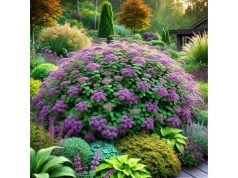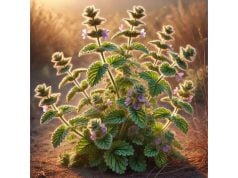
Himalayan nettle, botanically known as Girardinia diversifolia, is a striking wild plant of the Himalayan region that has long served two very different roles. It is valued as a strong fiber plant, yet it is also used as a seasonal green and a traditional remedy. Its young leaves and tender parts are cooked as food after careful handling, while roots, leaves, and pastes appear in folk medicine for joint discomfort, fever, ulcers, and digestive complaints. What makes this herb especially interesting is that it seems to sit between nourishment and medicine. It contains lipids, phytosterols, phenolic compounds, carotenoids, and small amounts of vitamins that may help explain its antioxidant and enzyme-related activity in early research. Still, the smartest way to approach Himalayan nettle is with balance. It is promising, but it is not well studied in human trials, and its strongest case today is as a nutrient-rich traditional wild green with intriguing laboratory data. For most readers, the real question is not whether it is powerful, but how to use it responsibly, realistically, and safely.
Quick Overview
- Himalayan nettle is used both as a cooked wild green and as a traditional herb for joint, digestive, and skin-related complaints.
- Its most realistic strengths are nutrient density, traditional food value, and early antioxidant and enzyme-modulating activity.
- A cautious starting range is about 2 to 4 g dried leaf for tea, or roughly 50 to 100 g cooked young leaves as food.
- Avoid concentrated medicinal use during pregnancy, breastfeeding, and in children because safety data are limited.
- Raw plants can sting, so gloves and proper cooking or blanching are essential.
Table of Contents
- What is Himalayan nettle
- Key ingredients and nutritional compounds
- Does Himalayan nettle offer real benefits
- How to use Himalayan nettle
- How much per day
- Safety, side effects, and interactions
- What the evidence really shows
What is Himalayan nettle
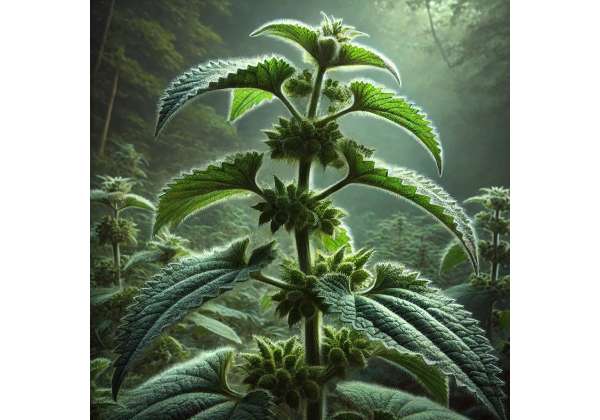
Himalayan nettle is a tall, stinging member of the Urticaceae family, the same broader family that includes more familiar nettles. In the Himalayas it is often known by local names such as allo or sisnu, and it is recognized as much for its strong bast fiber as for its role in food and traditional care. The plant grows in moist hillsides, forest margins, field edges, and disturbed ground, often at mid to high elevations. Its leaves are rough, toothed, and armed with stinging hairs, so it is not a casual raw salad green. It has to be handled with care.
What makes Himalayan nettle different from the common kitchen-garden image of nettle is its versatility. In many communities, it has been used in at least four ways:
- As a cooked leafy vegetable from young shoots, leaves, or inflorescences.
- As a local medicinal plant, especially for fever, pain, ulcers, and stomach complaints.
- As a bast fiber plant for rope, clothing, sacks, and household materials.
- As a seasonal wild resource that links food security, tradition, and rural livelihoods.
That broad usefulness matters because it changes how the plant should be understood. Himalayan nettle is not just an herb sold in capsules. It is also a food plant, a village material, and a cultural resource. When people ask about its health benefits, they are often really asking two different questions at once. First, can it nourish? Second, can it heal?
The answer to the first question is easier. Yes, it can contribute to the diet when prepared correctly. The answer to the second question is more qualified. Traditional knowledge is rich, but modern clinical research is still thin. That means the herb deserves curiosity without exaggeration.
Another key point is that the edible and medicinal parts are not always used in the same way. Young aerial parts are more connected to food use, while roots and stronger preparations appear more often in traditional remedies. That distinction is important for safety, because a plant eaten as a cooked green is not the same thing as a concentrated medicinal extract.
For readers comparing it to other wild edible greens, Himalayan nettle is less of a mild salad herb and more of a robust seasonal plant that needs processing before use. In that sense, it has more in common with traditional cooked wild greens than with delicate fresh herbs. It also helps to think of it as a regional specialty rather than a standardized global supplement. That is why sourcing, preparation, and context matter so much. Used well, it can be nutritious and interesting. Used carelessly, it can sting the skin, irritate the stomach, or create unrealistic expectations.
Key ingredients and nutritional compounds
The most useful way to understand Himalayan nettle is not as a plant with one magic ingredient, but as a mixed botanical matrix. Research on Girardinia diversifolia shows a profile that includes phytosterols, unsaturated fatty acids, carotenoids, phenolic compounds, flavonoids, saponins, and small but notable amounts of vitamins. That blend helps explain why the plant can function both as a traditional food and as a subject of pharmacologic interest.
Among the standout compounds reported in laboratory analysis are beta-sitosterol and gamma-sitosterol, which appear in unusually prominent amounts for this plant. These phytosterols are often discussed in nutrition and plant pharmacology because they may support membrane stability, antioxidant defense, and enzyme-related effects. Himalayan nettle also contains unsaturated fatty acids, including linoleic and linolenic acid, along with vitamin C and vitamin B2. While it should not be treated as a replacement for a balanced diet, that combination supports the idea that the plant offers more than folklore alone.
Other identified constituents include:
- Flavonoids such as orientin-type and vitexin-type compounds.
- Kaempferol derivatives.
- Organic acids.
- Carotenoids and oxidized carotenoid derivatives.
- Saponins.
- Phytol and related lipophilic compounds.
- Phenolic acids and syringin-related compounds.
These ingredients matter because they point to several possible mechanisms. Antioxidant compounds may help the plant counter oxidative stress in laboratory models. Phytosterols and phenolics may contribute to enzyme inhibition seen in early studies. Carotenoids and vitamin C add to the argument that the cooked plant can function as a useful seasonal green, not only a folk remedy.
Still, one practical issue is worth stressing: composition changes with plant part, harvest stage, drying method, and preparation. A young boiled leaf eaten as food is not chemically identical to a methanolic laboratory extract. That means consumers should be careful not to transfer dramatic lab findings directly onto a bowl of cooked greens or a simple home tea.
This is also where many readers go wrong with herbs that straddle food and medicine. Once a plant contains interesting compounds, it is tempting to assume that more is better. That is not how traditional nettles usually work. Their value often comes from moderate, repeated use in the right form. Himalayan nettle appears to fit that pattern. It makes more sense as a whole-plant food-herb continuum than as a heroic-dose extract.
Like moringa leaves, Himalayan nettle is best understood as a nutrient-dense botanical with a meaningful phytochemical profile, not as a cure-all. Its chemistry is genuinely interesting, but it is the synergy of the whole plant, plus careful preparation, that likely matters most in real use.
Does Himalayan nettle offer real benefits
Yes, but the most defensible benefits are narrower and more practical than many herbal claims suggest. Himalayan nettle appears most credible in three areas: as a traditional nutrient-rich cooked green, as a botanical with early antioxidant and enzyme-related activity, and as a folk remedy with plausible but not yet clinically proven anti-inflammatory uses.
The first and most realistic benefit is nutritional support. In communities where seasonal greens matter, Himalayan nettle can help diversify the diet and add plant nutrients when prepared as food. It is not unique in this role, but its use as an edible wild green gives it a strong foundation that many niche herbs do not have.
The second likely benefit is support for mild inflammation and oxidative stress, at least in theory and early laboratory work. Traditional use repeatedly connects the plant with joint aches, rheumatism, ulcers, internal injury, and blood-related cleansing concepts. Modern lab work does not confirm all of those uses, but it does show that the plant contains compounds that can interact with antioxidant systems and several enzymes linked with metabolism or skin-related pathways.
The third area is metabolic interest. In vitro studies have reported inhibition of alpha-amylase and alpha-glucosidase, two enzymes often discussed in blood-sugar management research. That makes Himalayan nettle scientifically interesting. But it is essential to draw the line carefully: enzyme inhibition in a lab does not prove that the plant safely controls diabetes in people. It means the plant deserves further study, not that it has earned a medical claim.
A balanced summary of likely benefits looks like this:
- May contribute nutrients when eaten as a properly cooked wild green.
- May offer mild antioxidant support through its mix of phytochemicals.
- May have traditional value for joint discomfort and inflammatory complaints.
- May show topical promise for skin-related uses after proper processing.
- May have metabolic relevance in early laboratory models, but not enough evidence for disease treatment.
For skin use, traditional pastes and external applications make more sense than sweeping cosmetic claims. That is an important distinction. A plant can be helpful as a modest topical tradition without becoming a miracle skin herb. In practice, Himalayan nettle seems better suited to supportive or complementary use than to stand-alone treatment of eczema, chronic ulcers, or inflammatory skin disease. In that regard, gentler topical herbs such as calendula often have a more established comfort profile.
The biggest mistake readers make is assuming that a long list of folk uses equals a long list of proven benefits. It does not. A more honest way to say it is this: Himalayan nettle likely offers real value as a food-herb with traditional anti-inflammatory relevance, but only a few of those traditional claims have even early modern support. The plant is promising, not proven. For everyday readers, that still leaves plenty of room for practical use, especially when the goal is nourishment, seasonal variety, or cautious traditional support rather than disease self-treatment.
How to use Himalayan nettle
Himalayan nettle can be used as food, tea, powder, or topical preparation, but the first rule is simple: raw handling is not the same as ready use. The plant has stinging hairs, so fresh harvesting usually calls for gloves, long sleeves, and deliberate preparation. Once cooked, blanched, dried, or thoroughly processed, the sting is greatly reduced.
The most traditional food-style uses center on young leaves, tender shoots, and inflorescences. In Himalayan cooking traditions, the leaves are commonly boiled and mashed to remove the sting, then fried with oil and spices. Some communities also mix the mash with flour to make fried snacks. This is a useful reminder that Himalayan nettle is not just an herbal tea plant. It has a real culinary identity.
Practical ways to use it include:
- Cooked green: Boil or blanch young leaves, drain, mash, and then sauté with oil, garlic, onion, or spices.
- Soup ingredient: Add blanched leaves to lentil soups or vegetable broths.
- Tea or infusion: Use dried aerial parts for a mild herbal preparation.
- Powder: Add a small amount of dried leaf powder to soups, porridges, or blended savory dishes.
- Topical paste: Use only well-processed material and patch test before broader skin use.
The best home-preparation rule is to start with food-style use rather than strong medicinal extracts. That gives you the broadest margin of safety and the clearest sense of how your body tolerates the plant. If you harvest it yourself, collect young growth rather than old, fibrous leaves, and avoid roadside or contaminated areas. Wash thoroughly. If you buy it dried, choose clearly labeled, food-grade or medicinal-grade material from a reputable source.
For tea, a mild infusion is usually a better first step than a concentrated decoction. This herb does not yet have a widely standardized modern supplement profile, so gentler preparations are more rational than strong homemade extracts. For topical use, do not apply fresh stinging plant material directly to compromised skin unless guided by an experienced practitioner. Traditional knowledge often involves preparation steps that are easy to miss when copied out of context.
Many readers also want to know whether Himalayan nettle can be combined with other herbs. In culinary practice, yes. It pairs well with warming ingredients, especially in soups or savory infusions. A simple food-herb approach might combine nettle with onion, lentils, and a little ginger for a more balanced and digestible preparation. That is usually smarter than creating a complex supplement stack.
In short, use Himalayan nettle as a prepared plant, not a raw challenge. Think cooked greens first, gentle tea second, and concentrated self-experimentation last. That sequence respects both the plant’s traditional role and the limits of current evidence.
How much per day
There is no well-established clinical dosage for Himalayan nettle based on modern human trials. That is the central fact behind any dosing discussion. Because of that, the safest and most honest approach is to separate food-style use from medicinal-style use and treat concentrated preparations cautiously.
For food-style use, a practical serving is usually more helpful than a formal herbal dose. A reasonable range is about 50 to 100 g of cooked young leaves or tender parts in a meal. That amount reflects how wild greens are commonly used: as part of a dish, not as a mega-dose. If you are trying the plant for the first time, start with a smaller portion and see how you respond.
For dried leaf tea or infusion, a cautious range is about 2 to 4 g of dried plant material in 200 to 250 mL of hot water, taken once or twice daily. This is a practical herbal range, not a validated species-specific medical dose. It is best used for short trials rather than indefinite daily use.
For powdered preparations, a sensible starting point is around 1 to 2 g daily, added to food or taken after a meal. Increase only if tolerance is good and the product is clearly identified. If the material is root-based rather than leaf-based, extra caution is warranted because traditional medicinal root use is not the same as culinary leaf use.
One ethnomedicinal report from Uttarakhand records a traditional use of root powder at about one-half to one teaspoon twice daily with water for fever. That is useful ethnobotanical information, but it should not be mistaken for a modern standard dose. Traditional community practice does not automatically equal broadly safe self-prescribing.
A practical dosing framework looks like this:
- First-time culinary use: start small, then build to a normal cooked serving.
- Tea trial: 2 to 4 g once daily for several days, then up to twice daily if well tolerated.
- Powdered use: begin at 1 g daily, then reassess after one week.
- Topical use: patch test first and avoid broken or highly reactive skin.
Timing also matters. Food preparations are best taken with meals. Tea is often best after food or as part of a light daily routine, not on an empty stomach if you are sensitive. Short, intentional use is usually wiser than long, vague use. If you are trying Himalayan nettle for a specific reason, reassess after 1 to 2 weeks. No clear benefit means there is little reason to keep pushing the dose.
The wider lesson is simple: because the species lacks strong clinical dosing data, restraint is part of responsible use. With Himalayan nettle, modest and consistent is more sensible than strong and speculative.
Safety, side effects, and interactions
Himalayan nettle deserves more caution than many trendy herbs because it combines three different safety questions. First, the fresh plant can sting the skin. Second, traditional medicinal use is broader than the clinical evidence. Third, concentrated preparations are much less studied than cooked food use.
The most immediate safety issue is contact irritation. Fresh leaves and stems carry stinging hairs that can cause pain, burning, redness, and temporary irritation. Gloves and proper handling matter. Boiling, blanching, drying, and mashing make the plant much more manageable for food use.
When eaten as a cooked green, Himalayan nettle is likely safer than when used as a homemade strong extract. That does not mean everyone will tolerate it well. Possible side effects include:
- temporary skin irritation from fresh handling
- stomach discomfort if taken in large amounts
- nausea from strong or poorly prepared preparations
- allergy-like reactions in sensitive people
- irritation from topical use on already inflamed skin
Certain groups should be especially careful:
- pregnant or breastfeeding people
- children, unless the use is plainly culinary and well prepared
- people with known plant allergies, especially to nettle-family plants
- people with chronic kidney disease or complex medication regimens
- people with diabetes who are already using glucose-lowering medication
Species-specific interaction research is limited, which means caution has to rely partly on plant-family logic and traditional use patterns. Some nettle-type plants may influence fluid balance, glucose handling, or inflammatory signaling. Because of that, concentrated Himalayan nettle preparations may deserve caution with antidiabetic drugs, diuretics, lithium, blood-pressure medicines, or anticoagulants, even though direct human interaction data for this exact species are lacking.
Another important distinction is goal. If you are using Himalayan nettle as a cooked seasonal green, the safety profile is closer to a food issue. If you are using root powder, tinctures, or concentrated extracts for ulcers, fever, diabetes, or joint pain, you have shifted into a medicinal zone where uncertainty rises sharply.
Readers looking for gentler soothing herbs should recognize that Himalayan nettle is not mainly a demulcent plant. It may nourish and support, but it is not the first herb most people would choose for an irritated gut, throat, or inflamed mucosa. In those situations, something softer such as mallow may be a more comfortable starting point.
The bottom line is that Himalayan nettle is probably best used in well-prepared food-style forms unless you have knowledgeable guidance. Respect the sting, respect the dose, and do not treat traditional use as proof of safety in every population.
What the evidence really shows
The evidence base for Himalayan nettle is best described as interesting, early, and incomplete. That is not a dismissal. It is the most accurate summary.
The strongest evidence layers are ethnobotanical and laboratory-based. Ethnobotanical sources show that Girardinia diversifolia has been used across Himalayan and nearby regions as both food and medicine. That gives the plant cultural credibility and helps identify the conditions for which it has been valued. Laboratory analysis adds a second layer by confirming that the plant contains phytosterols, fatty acids, carotenoids, vitamins, and phenolic compounds. A third layer comes from in vitro bioassays, where extracts have shown antioxidant effects, enzyme inhibition, and other biologically relevant activity.
What is missing is just as important:
- high-quality human clinical trials
- standardized dosing studies
- long-term safety studies
- clear evidence for treating specific diseases
- strong interaction data in real-world patients
Because of those gaps, Himalayan nettle should not be marketed as a proven treatment for diabetes, chronic ulcers, inflammatory disease, skin disease, or cancer. It is more accurate to say that the plant has traditional uses and early mechanistic support that justify more research.
A realistic ranking of the evidence would look like this:
- Most credible: use as a traditional cooked wild green and nutrient-supportive plant.
- Plausible but not proven: mild supportive use for oxidative stress and inflammation.
- Early stage only: blood-sugar support, skin-focused applications, and targeted medicinal extract use.
- Not established: disease treatment claims.
There is also a quality issue in the literature. Some sources are ethnographic, some are chemical, some are review articles, and some are broad nettle-family discussions rather than human trials on Girardinia diversifolia itself. That means readers need to watch for claim inflation. A review about nettles in general is useful context, but it is not the same as evidence specific to Himalayan nettle in people.
The fairest conclusion is that Himalayan nettle is worth attention, especially as a traditional food-herb with a fascinating chemical profile. It may become more important in nutraceutical or functional-food research over time. For now, though, its most responsible use is grounded, modest, and practical. Use it because it is a meaningful regional plant with food value and promising early science, not because the evidence already proves dramatic outcomes.
References
- Himalayan Nettle Girardinia diversifolia as a Candidate Ingredient for Pharmaceutical and Nutraceutical Applications—Phytochemical Analysis and In Vitro Bioassays 2020 (Open Research Article)
- Healing capacities of nettles: Dendrocnide, Girardinia, Laportea, and Urtica 2023 (Review)
- Ethnobotanical survey of medicinal plants used by various ethnic tribes of Mizoram, India 2024 (Ethnobotanical Study)
- Girardinia diversifolia (Link) Friis Urticaceae 2021 (Reference Work Entry)
- Wild leafy vegetables: A study of their subsistence dietetic support to the inhabitants of Nanda Devi Biosphere Reserve, India 2008 (Open Research Article)
Disclaimer
This article is for educational purposes only and is not medical advice. Himalayan nettle is a traditional food-herb with limited human clinical research, and it should not replace diagnosis, prescribed treatment, or individualized guidance from a qualified clinician. Seek professional care for ongoing fever, ulcers, severe skin reactions, unexplained weight loss, blood-sugar problems, persistent joint pain, pregnancy-related concerns, or any chronic condition that may require medical supervision. Use extra caution with self-harvested plants, concentrated extracts, and mixed herbal formulas.
If this article helped you, please share it on Facebook, X, or your preferred platform so more readers can find careful, evidence-aware herbal information.