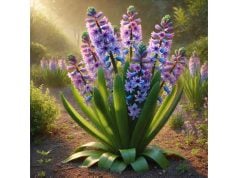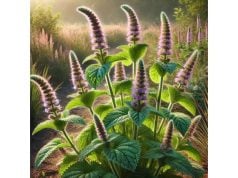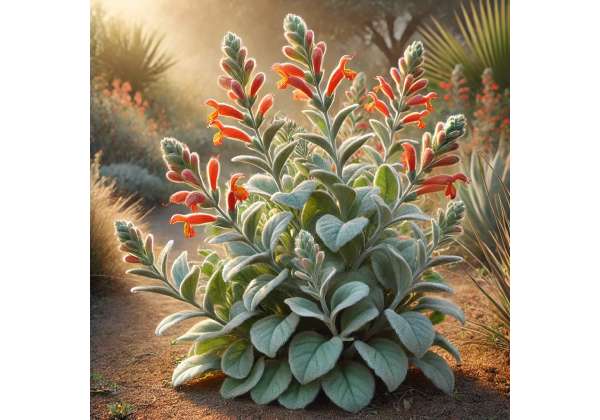
The hummingbird plant (Dicliptera suberecta) is a striking perennial herb admired for its vivid orange tubular flowers that attract hummingbirds and pollinators. Native to South America, particularly Uruguay and parts of Brazil, this ornamental plant has also earned quiet attention in traditional herbal practices. Although best known in gardens, some herbal traditions explore its leaves and aerial parts for mild medicinal applications related to inflammation, skin irritation, and general wellness support.
Botanically, hummingbird plant belongs to the Acanthaceae family, a group that includes several plants used in folk medicine across tropical and subtropical regions. Its soft, silvery foliage and vibrant blossoms make it popular in landscape design, yet the plant’s phytochemical profile suggests it may contain flavonoids, phenolic compounds, and other constituents with antioxidant potential.
Scientific evidence remains limited compared with widely studied medicinal herbs. However, preliminary botanical and ethnobotanical observations suggest the plant may support skin comfort, mild inflammation control, and antioxidant balance when used carefully. Understanding its traditional uses, chemical composition, dosage considerations, and safety profile can help readers approach this unusual herb with both curiosity and caution.
Essential Insights
- Hummingbird plant contains plant polyphenols and flavonoids that may contribute to antioxidant and anti-inflammatory activity.
- Traditional herbal preparations sometimes use the aerial parts for minor skin irritation and topical soothing.
- Typical traditional preparations use about 2–5 g of dried aerial parts daily in mild infusions or topical applications.
- Avoid medicinal use during pregnancy, breastfeeding, and in children due to limited safety research.
Table of Contents
- What is hummingbird plant
- Active compounds and chemistry
- Potential health benefits
- Traditional and modern uses
- Dosage and preparation
- Side effects and precautions
- Research and evidence
What is hummingbird plant
The hummingbird plant (Dicliptera suberecta) is a low-growing perennial herb belonging to the Acanthaceae family. It is widely cultivated as an ornamental plant because of its distinctive orange flowers that resemble small trumpets. These blossoms produce nectar that strongly attracts hummingbirds, butterflies, and other pollinators, giving the plant its common name.
Native to Uruguay, Argentina, and southern Brazil, the hummingbird plant thrives in warm climates and well-drained soils. Gardeners appreciate it for drought tolerance, silvery foliage, and long blooming periods that often last from late spring through autumn. Although commonly used in landscaping, ethnobotanical records suggest that the plant has also been used in certain regional herbal traditions.
The aerial parts—primarily leaves and stems—are occasionally used in folk herbal preparations. These uses often focus on mild soothing effects, particularly for irritated skin or minor inflammatory conditions. Compared with major medicinal plants such as aloe vera skin soothing uses, hummingbird plant remains relatively obscure in formal herbal medicine.
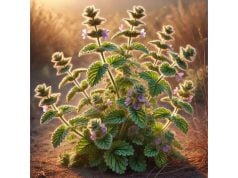
Botanically, the plant grows between 30 and 60 centimeters tall and spreads slowly through branching stems. Its foliage is covered with fine hairs that give it a soft, gray-green appearance. The flowers emerge from slender tubes and develop bright orange to reddish hues that stand out vividly against the foliage.
Despite its ornamental fame, little commercial cultivation exists for medicinal purposes. Most available plant material comes from garden-grown specimens rather than standardized herbal agriculture. This means potency and composition can vary widely depending on soil, climate, and plant age.
Understanding hummingbird plant therefore begins with recognizing its dual identity: a beloved ornamental species and a lesser-known folk herb with modest but intriguing phytochemical potential.
Active compounds and chemistry
Like many members of the Acanthaceae family, Dicliptera suberecta appears to contain a range of plant secondary metabolites that may contribute to its biological properties. While the plant has not been studied as extensively as many medicinal herbs, early phytochemical screening suggests the presence of several compound classes associated with antioxidant and anti-inflammatory activity.
The most frequently reported groups of compounds include:
- Flavonoids – natural plant pigments known for antioxidant and cell-protective effects.
- Phenolic acids – compounds that may help neutralize oxidative stress.
- Tannins – polyphenols with mild astringent properties that may contribute to skin-soothing effects.
- Terpenoids – aromatic compounds common in medicinal plants that may influence inflammation pathways.
- Plant sterols – lipid-like molecules that can contribute to membrane stability and metabolic regulation.
Flavonoids appear particularly significant. These molecules occur widely in medicinal plants and are known to support cellular defense mechanisms against oxidative damage. They may also modulate inflammatory pathways by affecting signaling molecules such as cytokines.
Phenolic compounds also contribute to the plant’s antioxidant potential. These molecules help neutralize free radicals—unstable atoms that can damage cells and accelerate tissue aging. Plants with high phenolic content are frequently studied for protective effects on skin, cardiovascular health, and metabolic processes.
Tannins present another interesting component. Because they can bind to proteins and tighten tissue surfaces, tannins often contribute to the soothing effect of certain topical herbal preparations. A comparable mechanism appears in plants with notable astringent properties, including witch hazel topical applications.
Although these compound groups provide clues about potential activity, their exact concentrations in hummingbird plant remain poorly standardized. Environmental factors such as sunlight exposure, soil nutrients, and harvesting time can significantly influence phytochemical levels.
Another important factor is plant maturity. Younger leaves may contain different chemical ratios than older stems or flowers. Because herbal products from Dicliptera suberecta are rarely standardized, variability in composition is likely.
Overall, the chemistry of hummingbird plant suggests modest antioxidant and anti-inflammatory potential. However, the absence of extensive clinical research means that most conclusions remain preliminary. Understanding these compounds helps explain why the plant has attracted limited medicinal interest, even though it remains far better known as a decorative garden species.
Potential health benefits
Although hummingbird plant is not widely recognized as a medicinal herb, several potential benefits have been suggested through traditional use and preliminary phytochemical analysis. These benefits are generally mild and supportive rather than strongly therapeutic.
1. Antioxidant activity
Flavonoids and phenolic compounds present in the plant may help neutralize free radicals in the body. Antioxidants play an important role in protecting cells from oxidative stress, which contributes to aging and many chronic diseases.
Herbs rich in plant polyphenols often support cellular resilience and metabolic balance. Similar antioxidant actions are well documented in herbs such as green tea antioxidant compounds, though hummingbird plant has not been studied as extensively.
2. Mild anti-inflammatory effects
Some plant metabolites found in the species may influence inflammatory pathways. Traditional preparations sometimes use the leaves or aerial parts to soothe minor irritation or swelling. This effect is likely related to the presence of flavonoids and terpenoid compounds that may help regulate inflammatory mediators.
3. Skin soothing support
In folk applications, crushed leaves or mild infusions have occasionally been used for minor skin discomfort. The presence of tannins may contribute to gentle astringent activity that tightens tissue and reduces superficial irritation.
This property places hummingbird plant within a broad category of herbs used for topical comfort rather than deep systemic treatment.
4. Potential antimicrobial activity
Preliminary botanical studies suggest that certain Acanthaceae plants possess mild antimicrobial effects. While evidence specifically for Dicliptera suberecta remains limited, related species demonstrate activity against some bacterial strains. This has led to speculation that hummingbird plant extracts might offer mild protective effects in topical preparations.
5. Supportive herbal tonic
In some traditional settings, the plant has been prepared as a light herbal infusion. These preparations are typically mild and used as short-term botanical tonics rather than strong medicinal treatments.
It is important to emphasize that most of these potential benefits come from indirect evidence. Research on hummingbird plant itself remains scarce. Therefore, its value lies more in modest supportive use rather than well-documented clinical outcomes.
Traditional and modern uses
The hummingbird plant occupies an unusual place among herbs. Its primary role historically has been ornamental rather than medicinal. Nevertheless, certain regional traditions have explored its potential uses for minor wellness support.
In traditional folk contexts, the plant’s leaves and aerial parts were sometimes used in simple herbal preparations. These practices were never widespread but appear in local ethnobotanical records from parts of South America.
Some of the most common uses include:
- Herbal infusions prepared from fresh or dried leaves.
- Topical compresses for minor skin irritation.
- Garden medicinal herb used occasionally alongside other mild botanical remedies.
Herbalists often emphasize that these preparations are mild and typically used only for short periods.
In modern herbal practice, the hummingbird plant remains rare. Most herbal practitioners prefer better-studied species with stronger clinical support. For example, herbs such as calendula skin healing applications are widely documented for topical use, whereas hummingbird plant has limited clinical history.
Still, the plant’s growing popularity among gardeners has sparked renewed interest in its possible herbal roles. Some herbal enthusiasts cultivate it as both an ornamental and a potential experimental botanical.
From a horticultural perspective, the plant offers several practical advantages:
- It tolerates drought conditions once established.
- It thrives in warm climates and full sunlight.
- It attracts pollinators and supports garden biodiversity.
Because of these features, many gardeners value the hummingbird plant primarily for ecological benefits rather than medicinal ones.
Modern herbal exploration continues cautiously. Small-scale studies of related plants in the Acanthaceae family may eventually shed more light on the pharmacological properties of Dicliptera suberecta.
For now, its most reliable contribution remains ecological—providing nectar for pollinators and adding vibrant color to gardens—while its medicinal potential remains an emerging and lightly explored field.
Dosage and preparation
Because hummingbird plant is not a widely standardized medicinal herb, dosing guidelines remain approximate and based primarily on traditional usage rather than formal clinical trials. When used, the aerial parts of the plant—leaves, stems, and sometimes flowers—are typically prepared in mild herbal forms.
Common preparation methods include:
Herbal infusion (tea)
- 2–5 grams of dried aerial parts per cup of hot water
- Steep for 10–15 minutes
- Consume once or twice daily if used internally
Fresh leaf compress
- Fresh leaves crushed lightly
- Applied externally to minor irritated skin
- Left on the area for 10–15 minutes
Herbal rinse or wash
- Mild infusion cooled to room temperature
- Used as a topical rinse for skin comfort
Because chemical concentrations in the plant vary widely, conservative use is recommended. Starting with small quantities helps reduce the chance of irritation or digestive discomfort.
Several practical guidelines can improve safety:
- Use young leaves or aerial parts. Older woody stems may contain fewer beneficial compounds.
- Avoid strong decoctions. The plant has not been studied in high-dose preparations.
- Limit continuous use. Short courses of a few days to one week are typical in folk practice.
- Ensure correct plant identification. Misidentification of ornamental plants can create safety risks.
Another factor worth noting is plant sourcing. Herbs grown in pesticide-treated gardens should never be used medicinally. Only organically cultivated plants or verified wild specimens should be considered for herbal preparation.
For individuals seeking stronger therapeutic effects, established medicinal plants such as echinacea immune support uses may offer better studied options.
In summary, hummingbird plant preparations are typically gentle and low-dose. Responsible herbal practice emphasizes caution, accurate identification, and moderate use until stronger scientific evidence becomes available.
Side effects and precautions
The safety profile of hummingbird plant remains incompletely understood due to the limited number of toxicological and clinical studies available. However, current knowledge suggests that the plant is generally mild when used in small traditional amounts.
Even so, several safety considerations should be kept in mind.
Possible mild side effects
- Digestive discomfort if consumed in large quantities
- Mild skin irritation in sensitive individuals
- Allergic reactions in rare cases
Because the plant contains polyphenols and other active compounds, excessive intake could theoretically produce gastrointestinal upset.
Who should avoid medicinal use
Certain groups should avoid using hummingbird plant internally due to limited safety data:
- Pregnant individuals
- Breastfeeding individuals
- Children
- Individuals with known plant allergies
Until more research is available, these groups should treat the plant strictly as an ornamental species rather than an herbal remedy.
Medication interactions
No well-documented drug interactions have been reported, but absence of evidence does not guarantee safety. Herbs containing flavonoids or polyphenols can occasionally influence drug metabolism enzymes in the liver.
People taking prescription medications—particularly anticoagulants, immunosuppressants, or metabolic drugs—should consult a qualified healthcare professional before experimenting with unfamiliar herbal products.
Topical safety
External use is generally considered safer than internal use. However, it is still advisable to test a small amount on the skin before applying larger quantities. This helps identify possible allergic reactions.
In comparison, established topical herbs such as plantain leaf for skin support have far stronger safety documentation.
Overall, the safest approach is to view hummingbird plant as a botanical curiosity with mild potential benefits rather than a primary medicinal herb.
Research and evidence
Scientific research on Dicliptera suberecta remains limited, and most available information comes from broader studies of the Acanthaceae plant family. While some phytochemical screening and laboratory analyses have been conducted, comprehensive clinical trials involving humans are largely absent.
Existing studies suggest that plants in this family contain compounds with potential biological activity. These include flavonoids, terpenoids, and phenolic acids—substances often associated with antioxidant and anti-inflammatory effects. Such findings provide theoretical support for traditional uses of hummingbird plant.
However, several important research gaps remain.
1. Limited phytochemical mapping
Only a small number of laboratory studies have analyzed the chemical composition of Dicliptera suberecta. More detailed analysis is needed to identify the full range of active compounds.
2. Lack of clinical trials
To date, there are no large controlled clinical trials evaluating the medicinal effects of hummingbird plant in humans. Without such research, it is difficult to confirm efficacy or establish standardized therapeutic doses.
3. Variable plant composition
Because most hummingbird plants are cultivated ornamentally rather than agriculturally, chemical composition may vary widely depending on environmental conditions. Soil nutrients, climate, and plant maturity can significantly influence phytochemical levels.
4. Research focus on related species
Many studies examine other Acanthaceae plants with stronger medicinal histories. These findings sometimes provide indirect insight but cannot automatically be applied to Dicliptera suberecta.
Despite these limitations, the plant’s phytochemical profile and ethnobotanical history suggest that it may hold modest potential as a mild herbal agent. Future research could clarify its antioxidant capacity, antimicrobial activity, and possible dermatological applications.
Until stronger evidence emerges, hummingbird plant should be regarded as an intriguing botanical species rather than a clinically proven medicinal herb.
References
- Acanthaceae Family Plants as Sources of Bioactive Compounds and Their Pharmacological Applications 2021 (Review)
- Phenolic Compounds in Medicinal Plants and Their Antioxidant Activities 2023 (Systematic Review)
- Flavonoids: Structure, Biological Activity, and Health Benefits 2022 (Review)
- Natural Plant Polyphenols and Their Role in Human Health 2024 (Review)
Disclaimer
This article is intended for educational purposes only and should not be interpreted as medical advice. Herbal remedies may interact with medications or health conditions, and scientific evidence for hummingbird plant remains limited. Always consult a qualified healthcare professional before using any herbal product for therapeutic purposes. Individuals who are pregnant, breastfeeding, or managing chronic medical conditions should avoid experimental herbal use unless advised by a clinician.
If you found this article helpful, consider sharing it on Facebook, X (formerly Twitter), or your preferred social platform to help others discover reliable information about medicinal plants.