Jambu Air, the crisp, bell-shaped fruit of Syzygium aqueum, sits in an interesting place between food and folk medicine. In Southeast Asia, it is valued first as a refreshing fruit with high water content, light sweetness, and an easy-to-eat texture. At the same time, its leaves, bark, and sometimes the fruit itself have a traditional place in home remedies for stomach discomfort, fever, inflammation, and skin-related concerns. That dual identity is what makes Jambu Air worth understanding carefully.
As a food, it is best known for hydration, modest vitamin C content, polyphenols, and a low-fat, low-calorie profile that fits well into a light diet. As a medicinal plant, the most studied material is usually the leaf extract, not the fresh fruit. That distinction matters because many of the strongest lab findings come from concentrated extracts rather than from eating the fruit itself.
This guide explains what Jambu Air contains, which benefits are realistic, how it is commonly used, what dosage looks like in practical terms, and where safety and research limits should shape expectations.
Quick Facts
- Jambu Air is mainly a hydrating fruit with modest vitamin C, polyphenols, and light fiber.
- Leaf extracts show promising antioxidant and glucose-related activity in laboratory and animal research.
- A practical food-first range is about 100 to 250 g of fresh fruit per day.
- Concentrated leaf extracts are best avoided during pregnancy and breastfeeding, and by people using diabetes medicine unless a clinician advises otherwise.
Table of Contents
- What is Jambu Air?
- Key compounds and nutrition
- Jambu Air benefits that make sense
- Does it help blood sugar?
- How to eat and use it
- How much should you take?
- Safety and who should avoid it
- What the research really shows
What is Jambu Air?
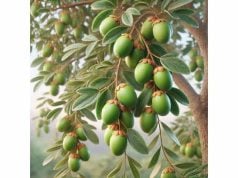
Jambu Air is a tropical fruit tree in the myrtle family, with the scientific name Syzygium aqueum. Depending on region and language, it may also be called water apple, watery rose apple, wax jambu, bell fruit, or love apple. The fruit is usually pale pink, red, or almost white, with a glossy skin, juicy flesh, and a light floral aroma. It is more refreshing than rich. Most people eat it fresh, chilled, sliced into fruit plates, or paired with salt, chili, or tangy dressings.
One of the most useful things to know at the start is that Jambu Air lives in a confusing naming neighborhood. It is related to other edible Syzygium species, and common names often overlap. That means some traditional claims, market labels, and food references do not always point to the same plant. If someone is using it medicinally, species identity matters. A fruit sold as water apple in one place may not be the same species in another.
Jambu Air is also not just a fruit crop. Traditional use extends to the leaves and bark. Ethnomedical records describe:
- fresh or dried leaves used in home remedies,
- leaf infusions for stomach discomfort and dysentery,
- bark decoctions used in oral and topical applications,
- folk use for fever, swelling, and inflammatory complaints.
That history helps explain why the research literature often focuses more on the leaves than on the fruit. The fresh fruit is mostly discussed as food and source of hydration. The leaves are discussed more like a botanical extract.
For modern readers, the easiest way to frame Jambu Air is in two lanes:
- as an everyday tropical fruit with a light nutritional profile,
- as a traditional medicinal plant whose leaves have interesting but still mostly preclinical data.
That distinction prevents a common mistake. People often read about antioxidant or blood sugar findings from leaf extracts and assume the same effect comes from eating a bowl of fruit. It may not. Whole fruit and concentrated extract are not interchangeable.
Jambu Air therefore belongs in the same broad conversation as tropical fruit remedies such as guava, where the food and the medicinal plant are closely related but not identical in use. The fruit is easy to appreciate right away. The herbal side needs a more careful, evidence-aware view.
Key compounds and nutrition
The chemistry of Jambu Air makes more sense when you separate the fruit from the leaves. The fruit behaves like a light, water-rich food. The leaves behave more like a plant source of concentrated polyphenols and other bioactive compounds.
In the fresh fruit, the standout features are not extreme amounts of any one nutrient but a helpful overall profile:
- high water content,
- low fat and low calorie density,
- light fiber,
- modest vitamin C,
- phenolic compounds and flavonoids,
- beta-carotene and other pigments in some varieties,
- useful minerals including potassium and magnesium.
A review of the available data reports roughly 13 mg of vitamin C per 100 g of fruit, along with measurable phenolics and flavonoids. That does not make Jambu Air a nutritional powerhouse on the level of citrus or guava, but it does make it a refreshing fruit with real functional-food value. Its strength is not intensity. Its strength is being easy to include in a daily eating pattern.
The leaves are chemically more interesting from a medicinal perspective. Studies repeatedly highlight:
- flavonoids such as myricetin-3-O-rhamnoside and europetin-3-O-rhamnoside,
- quercetin-related compounds,
- tannins,
- phenolic acids,
- triterpenoids,
- and, in some bark studies, saponins and alkaloids.
These compounds matter because they help explain the plant’s reported actions in lab and animal work. Flavonoids and phenolic compounds are often linked with antioxidant behavior, enzyme inhibition, and anti-inflammatory effects. In Jambu Air, some leaf compounds have shown activity against alpha-glucosidase and alpha-amylase, the digestive enzymes involved in carbohydrate breakdown. That is one reason the plant keeps appearing in discussions of metabolic health.
There is also a practical difference in how the parts are used:
- the fruit is eaten whole, with water, natural sugars, fiber, and a mild taste,
- the leaves are extracted, concentrated, and studied in ways that can magnify certain actions.
This difference is easy to miss, but it shapes the entire article. Eating the fruit is mostly about hydration, fruit variety, and modest antioxidant intake. Using leaf extract is a more targeted botanical choice.
Another subtle point is that some studies suggest the stem bark may show stronger antioxidant or cytotoxic activity than the leaves in certain solvent extracts. That is scientifically interesting, but it does not mean bark should be casually self-used. Research activity is not the same as safe home use.
So when people ask for the “key ingredients” in Jambu Air, the honest answer is two-part:
- fruit nutrients for food value,
- leaf polyphenols and flavonoids for medicinal interest.
That split is the clearest way to understand what this plant can and cannot realistically offer.
Jambu Air benefits that make sense
The most helpful way to discuss Jambu Air benefits is to start with the ones that are realistic and easy to use, then move to the more experimental ones. That prevents the fruit from sounding either trivial or overhyped.
As a food, Jambu Air may help in a few sensible ways. First, it supports hydration. The fruit is crisp, juicy, and light, which makes it especially useful in warm climates or in meals where heavy, sugary desserts would feel too rich. Second, it adds modest fiber and polyphenols without much fat or calorie load. Third, its mild sweetness can make it easier to replace more processed snacks.
These are not dramatic medicinal effects, but they are valuable. A fruit does not need to “treat” a disease to be useful. Sometimes the best benefit is that it fits daily life well enough to be eaten regularly.
Potential food-level benefits include:
- better hydration support than denser fruits,
- light digestive comfort because it is juicy and usually easy to tolerate,
- antioxidant intake from phenolics and flavonoids,
- a lower-energy snack option for people trying to eat more fresh produce.
Traditional medicine gives Jambu Air a broader list of uses. Leaves, bark, and fruit have been used for stomach aches, dysentery, fever, swelling, and oral or skin complaints. Those traditions should be respected, but not every one of them has equal scientific backing. The most believable modern bridge between tradition and research lies in antioxidant, anti-inflammatory, and glucose-related pathways, mainly from leaf extracts.
This is where a useful distinction appears. Jambu Air may offer benefits in two very different strengths:
- food-level support from the fruit,
- extract-level pharmacological promise from the leaves.
That does not make the fruit weak. It simply means its role is different. A whole fruit often works best as part of pattern change rather than as a stand-alone remedy. Jambu Air is especially well suited to people who want:
- more refreshing fruit variety,
- a less sugary snack,
- a tropical fruit that feels light after meals,
- or an easy addition to salads, breakfast plates, and chilled snacks.
In everyday health terms, the fruit’s best case is gentle and practical rather than dramatic. It fits into a cardiometabolic-friendly eating style, especially when it replaces sweets, pastries, or sugar-heavy drinks. Readers who already enjoy fruit-forward eating patterns may view it similarly to other functional foods that help through regular use rather than through one strong medicinal punch.
So what benefits truly make sense? Hydration, light antioxidant intake, fruit diversity, and possible digestive ease from the fresh fruit. Anything stronger than that usually shifts from the fruit itself to leaf extracts and preclinical research.
Does it help blood sugar?
Blood sugar support is one of the most common reasons people become interested in Jambu Air as more than a fruit. Here the research is intriguing, but it needs careful interpretation.
The strongest metabolic findings come from the leaves, not the fresh fruit. Several studies identify leaf flavonoids that may inhibit alpha-glucosidase and alpha-amylase. These enzymes help break down carbohydrates into absorbable sugars. When they are slowed, post-meal glucose rise may also be slowed. That mechanism is one of the more plausible reasons Jambu Air keeps appearing in antidiabetic research.
Specific leaf compounds such as myricetin-3-O-rhamnoside and europetin-3-O-rhamnoside have also shown insulin-like or insulin-sensitizing effects in adipocyte models. In plain language, that means they appeared to improve glucose handling in laboratory fat cells. That is a promising signal, but it is still a lab result, not proof that a person who eats the fruit or drinks a casual tea will get the same effect.
Animal research adds another layer. In a streptozotocin-induced diabetic rat model, leaf extract given at 100 or 200 mg/kg was linked with lower glucose levels, improved pancreatic tissue findings, reduced inflammatory signaling, and better preservation of the islets of Langerhans. That is meaningful preclinical evidence, especially because it connects antioxidant and anti-inflammatory pathways with pancreatic protection.
Still, readers should slow down before drawing the obvious but wrong conclusion. None of this means Jambu Air is a proven treatment for diabetes. The gaps are important:
- there are very few meaningful human trials,
- extract dosing is not standardized for self-care,
- fruit intake is not the same as purified leaf extract,
- and animal doses do not translate neatly into home use.
A balanced interpretation looks like this:
- The leaves show real glucose-related potential in preclinical work.
- The fruit may fit a healthy diet better than sweeter processed snacks.
- Neither point is strong enough to replace standard diabetes treatment.
There is also a practical reason the fruit may still matter. Because it is light, juicy, and modest in energy density, it can work well in a fruit-first eating pattern when portioned reasonably. That is not a medicinal effect in the strict sense, but it is a useful real-world outcome.
If someone has prediabetes or type 2 diabetes, the safest view is that Jambu Air may be a supportive food, while concentrated leaf extracts are still experimental enough to require caution. It is promising, especially on mechanism. It is not yet a clinically settled botanical therapy.
How to eat and use it
Jambu Air is most useful when the method matches the goal. If the goal is everyday wellness, the fruit is usually the right place to start. If the goal is herbal experimentation, the leaves are the plant part most often discussed in research and traditional practice.
For the fruit, common uses are simple:
- eat it fresh and chilled,
- slice it into fruit bowls,
- add it to green salads,
- pair it with lime, chili, or a little salt,
- blend it into unsweetened juice,
- or serve it with yogurt and light breakfasts.
Because the fruit is delicate and watery, it works best in preparations that preserve its crispness. It is less suited to heavy cooking than denser fruits. Its main attraction is freshness.
A useful everyday pattern is to think of Jambu Air as a replacement fruit:
- instead of candy or pastries in the afternoon,
- instead of a sugary beverage,
- or as a cooling side fruit with lunch.
That is where it quietly becomes practical. The fruit’s medicinal profile may be modest, but its usability is high.
Traditional and experimental use of the leaves is different. Leaves may be used as:
- a tea or infusion,
- a stronger decoction,
- a standardized extract in research,
- or, in some traditions, as a topical or oral-support preparation.
For home use, the safest rule is to keep leaf preparations mild and short term. Research often uses measured extracts, and those are not the same as a homemade steep. People sometimes assume any “natural tea” is automatically gentle, but tannin-rich and polyphenol-rich leaves can still cause stomach irritation or interact with health conditions.
A cautious way to use the plant looks like this:
- Use the fruit freely as food if you tolerate it well.
- Use leaf tea only in modest amounts.
- Keep herbal use short term unless a clinician advises more.
- Avoid improvised concentrated preparations.
Jambu Air also fits well in refreshing fruit-based combinations. It can work in unsweetened coolers or fruit salads with herbs, and some people pair its light floral quality with hibiscus-style tart infusions for a sharper drink profile. The key is to keep the preparation light rather than turning it into a sugar-heavy dessert.
So how should most people use Jambu Air? As a fruit first, and as an herb second. That order matters. The fruit is easy to include, easy to judge, and easy to stop if it does not suit you. The leaf side is more specialized and should be treated with more respect.
How much should you take?
Dosage is straightforward for the fruit and much less clear for the leaves. That is typical of plants that function both as food and as traditional medicine.
For fresh Jambu Air fruit, a practical food-first range is about 100 to 250 g per day. For many adults, that is roughly one to three small fruits, depending on size. This amount is enough to make the fruit meaningful in the diet without crowding out other produce. Because the fruit is light and watery, some people can tolerate more, but there is rarely a strong reason to push intake.
A sensible range for everyday use looks like this:
- 100 to 150 g as a light snack,
- 150 to 250 g as a full fruit serving,
- or divided portions across the day.
If using juice, keep it unsweetened and moderate. About 150 to 250 mL is usually enough. Whole fruit is usually the better option because it preserves fiber and slows intake. Juice is easier to overconsume and often less filling.
Timing depends on your reason for using it:
- before or with meals if you want a light fruit starter,
- between meals as a hydrating snack,
- or after a meal instead of a heavier dessert.
Leaf dosage is much less settled. There is no validated human standard for Jambu Air leaf tea, decoction, or supplement. Research often involves extracts with defined concentrations or animal doses that do not translate neatly into kitchen measurements. For that reason, the safest advice is:
- follow the product label if using a commercial extract,
- begin at the low end,
- and avoid stacking it with other glucose-lowering herbs or medicines without guidance.
A few practical rules matter here:
- Do not copy animal-study doses into human self-use.
- Do not assume homemade leaf tea equals a study extract.
- Stop if you notice nausea, loose stools, unusual fatigue, or shakiness.
- If you use the plant for a blood sugar goal, monitor carefully and use medical supervision.
Duration is also different by form. Fresh fruit can be eaten regularly, much like other seasonal fruit. Leaf extracts or strong teas make more sense as short-term or supervised use because long-term standardized human data are missing.
The honest summary is simple. As a fruit, Jambu Air has an easy everyday range. As a medicinal leaf product, dosage is still uncertain enough that product labeling and clinical judgment matter more than folklore.
Safety and who should avoid it
For most healthy adults, fresh Jambu Air fruit is likely to be low risk when eaten in normal food amounts. It is a fruit, not a high-stimulant botanical, and its watery, light profile makes it easy to tolerate for many people. Even so, “food” and “medicinal plant” are not the same thing, and safety changes when the plant is concentrated into leaf extracts or strong decoctions.
Possible issues with the fruit are usually mild:
- bloating if eaten in excess,
- digestive discomfort if fruit is underripe or poorly tolerated,
- rare allergy-like symptoms in sensitive individuals,
- and blood sugar misjudgment if it is consumed as a sweetened juice rather than whole fruit.
The bigger caution applies to medicinal use of the leaves. Since leaf compounds have shown glucose-related effects in preclinical studies, concentrated leaf products could potentially add to the effect of diabetes medication. That does not prove a dangerous interaction in every case, but it is a sensible reason for caution.
People who should be more careful include:
- anyone using insulin or glucose-lowering drugs,
- pregnant or breastfeeding people,
- children,
- people with complex liver or kidney disease,
- and anyone using multiple herbal extracts at the same time.
Pregnancy and breastfeeding deserve special mention. Traditional use does not equal proven safety, and there is not enough strong human evidence to assume that concentrated Jambu Air preparations are safe in these groups. Food-level fruit intake is one thing. Medicinal leaf extract is another.
A few practical safety principles help:
- Treat the fruit as food and the leaf extract as a botanical product.
- Start low with any leaf preparation.
- Avoid combining it casually with other blood sugar herbs.
- Stop use if you develop dizziness, sweating, shakiness, nausea, or rash.
- Seek care rather than escalating self-treatment if symptoms are serious.
Older toxicity work in rats found no obvious acute or subchronic toxicity with a standardized leaf extract at studied doses, which is reassuring, but it does not remove the need for common sense. Animal safety does not settle human long-term use, product quality, pregnancy safety, or drug interactions.
That leads to the most useful conclusion: fresh Jambu Air is generally the safer and simpler choice. Concentrated leaf use deserves more caution, especially in anyone managing a medical condition or taking medication.
What the research really shows
Jambu Air has a promising research story, but not a finished one. That distinction is important. The plant is easy to oversell because it touches several attractive themes at once: tropical fruit nutrition, polyphenol chemistry, antioxidant potential, blood sugar pathways, and traditional use. Yet the actual strength of evidence varies sharply depending on the claim.
What looks reasonably well supported?
- The fruit is a light, hydrating food with measurable vitamin C and polyphenols.
- The leaves contain bioactive flavonoids and other phenolic compounds.
- Leaf extracts show antioxidant, anti-inflammatory, and enzyme-inhibiting activity in laboratory models.
- Animal studies suggest possible metabolic and pancreatic-protective effects.
What remains weak or incomplete?
- strong human clinical trials,
- standardized medicinal dosing,
- long-term human safety data for extracts,
- and proof that eating the fruit itself produces the same effects seen with concentrated leaf compounds.
This is where many articles go wrong. They treat the plant as if all evidence points in one direction. It does not. The evidence actually splits into layers:
- traditional use gives historical context,
- phytochemistry makes the plant biologically plausible,
- lab and animal studies show promising mechanisms,
- human confirmation is still limited.
That layered view is more useful than either hype or dismissal. Jambu Air is not an empty folk remedy. There is real chemical and experimental interest behind it. But it is also not a proven clinical botanical with settled indications.
A good reader question is not “Does Jambu Air work?” but “Work for what, in what form, and at what level of evidence?” Once phrased that way, the answer becomes clearer:
- as a fruit, it works well as a refreshing, low-fat, polyphenol-containing food,
- as a medicinal leaf extract, it has promising preclinical value,
- as a human treatment, it still needs better evidence.
That makes Jambu Air a strong candidate for a food-first recommendation and a cautious, limited herbal recommendation. The fresh fruit fits easily into healthy eating. The leaf side is best treated as emerging rather than established.
In practical terms, the best way to respect the evidence is to keep claims proportional. Jambu Air deserves interest, but not exaggeration. Its most trustworthy role today is as a useful tropical fruit with a scientifically interesting leaf profile, not as a miracle remedy hiding in plain sight.
References
- Watery Rose Apple: A Comprehensive Review of Its Traditional Uses, Nutritional Value, Phytochemistry, and Therapeutic Merits against Inflammation-Related Disorders 2022 (Review)
- Revisiting the nutritional and functional value and health-promoting potential of Syzygium species 2024 (Review)
- Syzygium aqueum (Burm.f.) Alston Prevents Streptozotocin-Induced Pancreatic Beta Cells Damage via the TLR-4 Signaling Pathway 2021 (Preclinical study)
- Comparative Study of Phytochemical, Antioxidant, and Cytotoxic Activities and Phenolic Content of Syzygium aqueum (Burm. f. Alston f.) Extracts Growing in West Sumatera Indonesia 2021 (Preclinical study)
- In vivo toxicity evaluation of a standardized extract of Syzygium aqueum leaf 2014 (Toxicology study)
Disclaimer
This article is for educational purposes only and is not medical advice. Jambu Air fruit can be part of a healthy diet, but concentrated leaf extracts should not be used as a substitute for diagnosis, prescription treatment, or monitoring of chronic conditions such as diabetes. Talk with a qualified clinician before using medicinal preparations of Jambu Air if you are pregnant, breastfeeding, take regular medication, or have a metabolic, liver, or kidney condition. Seek medical care promptly for severe abdominal pain, dehydration, allergic symptoms, or uncontrolled blood sugar changes.
If you found this article useful, please share it on Facebook, X, or your preferred platform to help more readers find balanced, evidence-aware herbal information.