
Honey mushroom benefits, nutrition per 100 g, cooking methods and safety
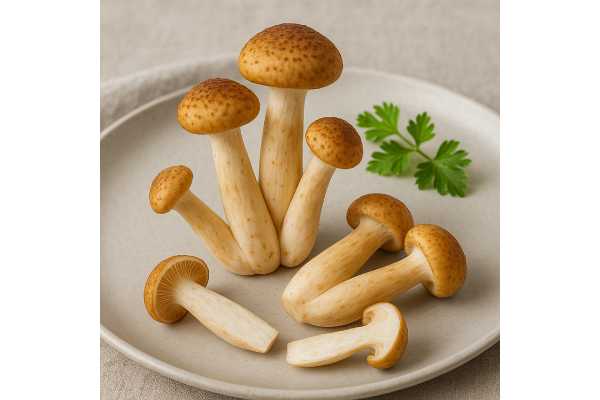
Honey mushrooms—most often referring to the Armillaria mellea group and close relatives—are a cool-weather staple across Europe, Asia, and North America. In kitchens, they...
King oyster mushroom uses in stir-fries and roasts, calories and macros, and buyer’s guide
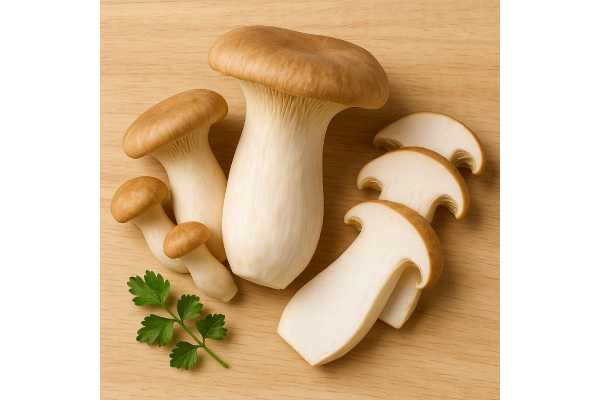
King oyster mushrooms (Pleurotus eryngii) are the heavyweight of the oyster family—thick, meaty stems, small caramel-cap crowns, and a talent for crisp, mahogany sears...
Lion’s mane mushroom benefits and nutrition facts for brain health and cooking uses

Lion’s mane mushroom (Hericium erinaceus) stands out in both the kitchen and the lab. Its cascading white spines look like sea coral, yet it...
Lobster mushroom nutrition and health benefits: calories, vitamins, ergothioneine, and safe cooking

Lobster mushrooms are among the most striking wild edibles: brilliant red-orange on the outside, alabaster white within, firm, and aromatic when cooked. Despite the...
Maitake mushroom benefits and side effects: nutrition, beta-glucans, vitamin D, and safe uses

Maitake (Grifola frondosa) is a ruffled, woodsy mushroom prized for its meaty texture, savory depth, and steady supply of fiber, B vitamins, and minerals....
Matsutake mushroom nutrition, benefits, and risks: vitamin D, fiber, and cooking tips

Matsutake (Tricholoma matsutake) is one of the world’s most prized wild mushrooms, celebrated for its cinnamon–pine aroma and firm, springy bite. Found in symbiosis...
Morel mushroom health benefits and risks explained with nutrition facts per 100 g

Morel mushrooms (Morchella species) are spring’s most coveted wild fungi, treasured for a honeycomb cap, nutty–meaty flavor, and firm bite that stands up to...
Nameko mushroom complete guide to nutrients, antioxidants, and kitchen uses
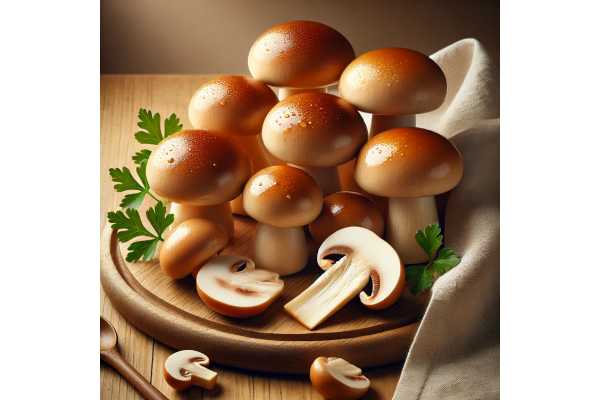
Nameko (Pholiota nameko) is a petite, amber-brown mushroom known for its glossy, natural gelatinous coating that turns silky in soups and sautés. Popular in...
Oregon white truffle nutrition facts and evidence-based benefits for home kitchens

Oregon white truffles are the Pacific Northwest’s most famous subterranean delicacy. The two species sold under this name—winter (Tuber oregonense) and spring (Tuber gibbosum)—grow...
Oyster mushroom benefits and risks with per 100 g nutrition facts and cooking tips
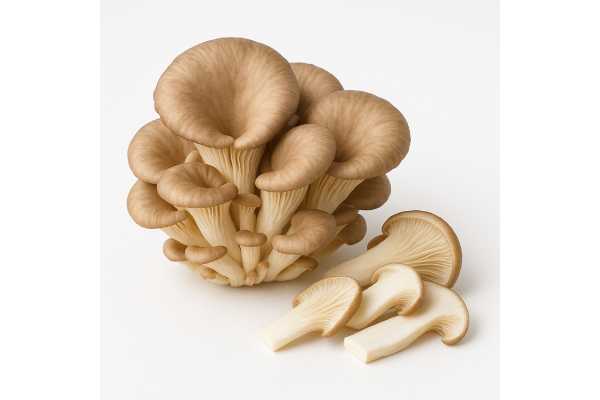
Oyster mushrooms (Pleurotus ostreatus and close relatives) are prized for their fan-shaped caps, soft chew, and clean, savory flavor that browns beautifully in a...
Parasol mushroom benefits and nutrition: uses, safety, and how to cook for maximum nutrients

Parasol mushroom (Macrolepiota procera) is a prized wild edible known for its broad, umbrella-like cap, tender texture, and pleasantly nutty flavor. Cooks value it...
Pioppino mushroom nutrition and benefits: calories, vitamins, cooking tips, and safety explained

Pioppino mushroom (Cyclocybe aegerita, historically Agrocybe aegerita) is a Mediterranean favorite that has spread to kitchens worldwide for its chestnut-brown caps, slender ivory stems,...
Porcini mushroom health benefits and side effects: per 100 g nutrition, vitamin D strategies, and best ways to cook
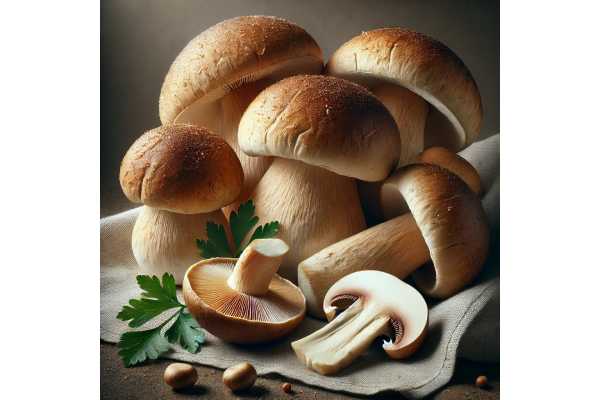
Porcini mushroom (Boletus edulis, also called king bolete) is a culinary landmark with a thick, pale stem and a chestnut-brown cap that hides dense,...
Portobello mushroom uses and risks: evidence-based benefits, nutrient profile, and safe preparation at home
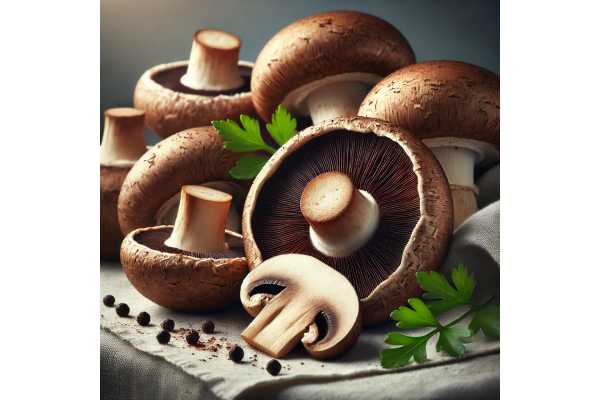
Portobello mushrooms (the mature form of Agaricus bisporus) deliver big, steak-like caps, deep umami, and weeknight versatility. Grilled or roasted, they concentrate flavor and...
Puffball mushroom benefits and nutrition facts: portions, comparisons, FAQs, and expert kitchen tips

Puffball mushrooms are a fascinating group of fungi prized by cooks and foragers for their delicate, clean flavor and marshmallow-soft texture when young. The...
Saffron milk cap nutrition and health benefits, cooking tips, and safety guide
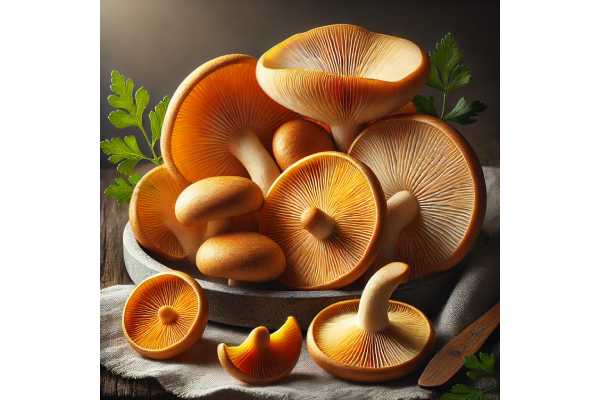
Saffron milk cap (Lactarius deliciosus) is a beloved wild mushroom across Mediterranean and Eastern European cuisines, prized for its carrot-orange color, piney aroma, and...
Shaggy mane mushroom nutrition, health benefits, cooking tips, and safety for foragers

Shaggy mane (Coprinus comatus), also called shaggy ink cap or lawyer’s wig, is a delicately flavored wild mushroom prized by foragers and chefs for...
Shiitake mushroom health benefits, nutrition per 100 g, cooking uses, and safety

Shiitake (Lentinula edodes) is one of the world’s most beloved edible mushrooms—savory, meaty, and remarkably versatile. Fresh caps bring gentle umami and a springy...
Shimeji mushroom detailed nutrition, beta-glucans and ergothioneine, preparation, and precautions

Shimeji mushrooms—usually sold as brown beech (buna-shimeji) or white beech (bunapi)—are small, tight clusters of caps on slender stems with a springy bite and...
Slippery jack mushroom nutrition facts, evidence-based benefits, cooking tips, and safety
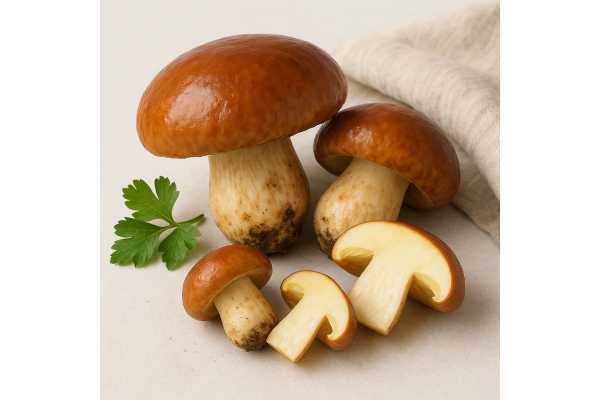
Slippery jack (Suillus luteus) is a classic wild bolete with a glossy, mucilaginous cap, pale pores instead of gills, and a tidy ring on...