
Snow fungus : Benefits, Nutrition Facts, Uses, and Safety Explained.
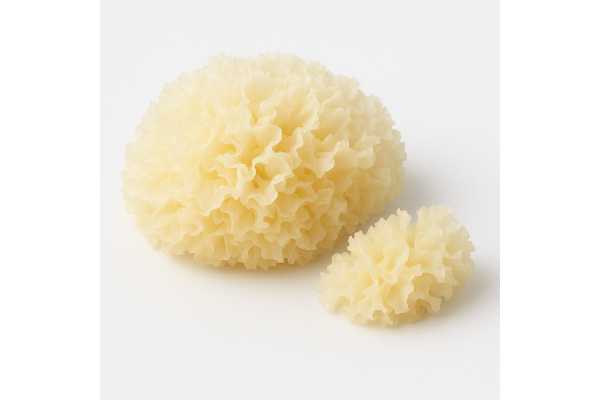
Snow fungus (Tremella fuciformis)—also called white fungus, silver ear, or white jelly mushroom—is prized across East Asia for its delicate, cloud-like fronds and softly...
St. George’s mushroom benefits and risks with evidence-based nutrition facts

St. George’s mushroom (Calocybe gambosa) is a spring specialty prized across Europe for its flour-like aroma, dense texture, and early-season reliability. It often appears...
Straw mushroom nutrition facts and benefits: calories, protein, fiber, sodium, and how to cook

Straw mushrooms (Volvariella volvacea) are delicate, mild, and quick-cooking mushrooms prized across Southeast Asia for their velvety texture and subtle, nutty-sweet flavor. Fresh they’re...
Summer truffle nutrition facts, benefits, and culinary uses explained
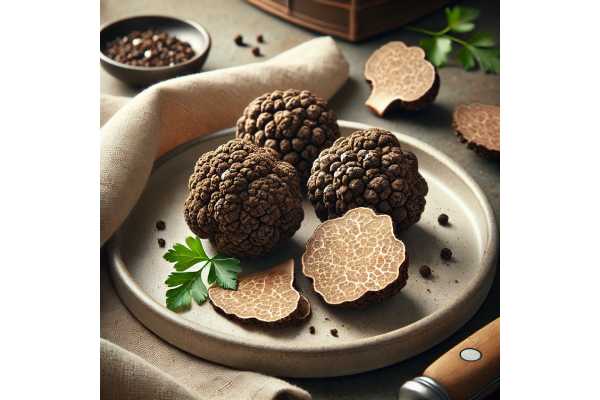
Summer truffles (Tuber aestivum) are a variety of truffle that offer a delicate yet distinctive flavor, prized in gourmet kitchens around the world. They...
White truffle benefits and risks with nutrition facts and serving tips
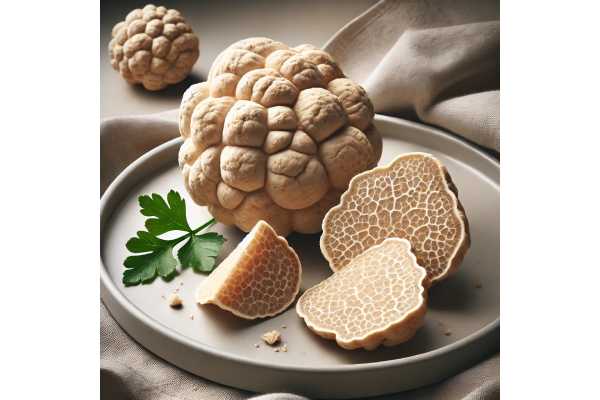
White truffles (Tuber magnatum) are among the most treasured wild foods on earth—famous for an aroma that chefs describe as savory, garlicky, and almost...
Wine cap mushroom nutrition and health benefits with safety and cooking tips

Wine cap mushroom (Stropharia rugosoannulata), also called king stropharia or garden giant, is a robust, burgundy-capped mushroom valued by cooks and gardeners alike. It...
Winter chanterelle health and culinary uses with allergy and interaction advice
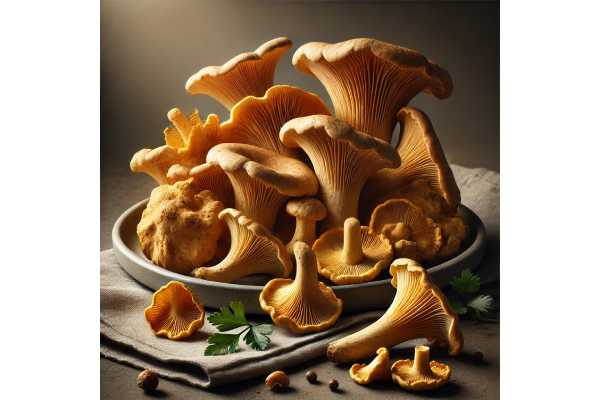
Winter chanterelle (Craterellus tubaeformis), also called funnel chanterelle or yellowfoot, is a late-season treasure that keeps cooks smiling long after summer harvests fade. Slender,...
Wood ear mushroom : Benefits, Nutrition Facts, Uses, and Safety Explained.

Wood ear mushroom—sold as black fungus, cloud ear, or by its scientific names Auricularia heimuer (commonly cultivated in East Asia) and Auricularia auricula-judae (more...
Antelope meat benefits and risks: protein, iron, sustainability, and safe cooking guide
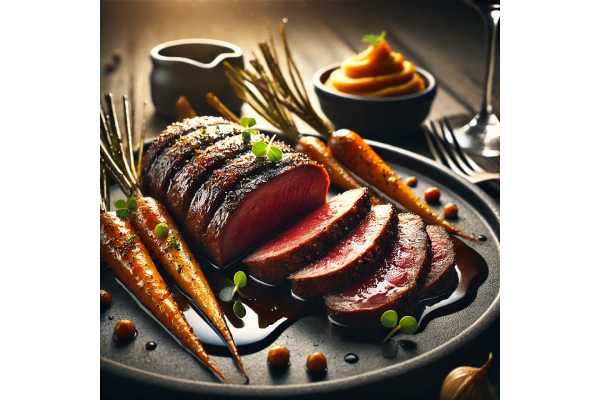
Antelope meat is a lean, flavorful red meat prized by chefs, hunters, and nutrition-conscious eaters. Whether sourced from American pronghorn or African antelope species...
Beef health insights: evidence-based benefits, risks, nutrients and best cooking methods
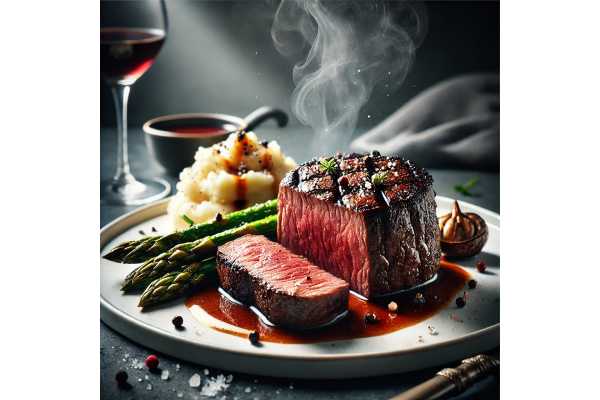
Beef is one of the most nutrient-dense foods you can put on the plate. A modest portion delivers high-quality protein with all essential amino...
Bison meat explained: lean protein benefits, nutrition per 100 g, cooking methods, and storage
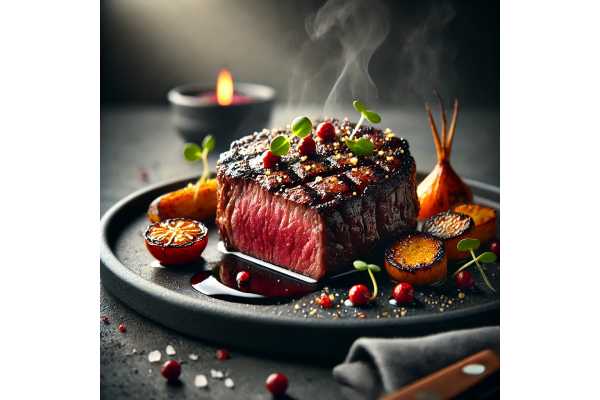
Bison meat has moved from specialty shops to everyday kitchens for good reason. It offers the familiar savor of beef with a cleaner, sweeter...
Camel nutrition benefits and risks explained: protein, iron, vitamin B12, and safe cooking
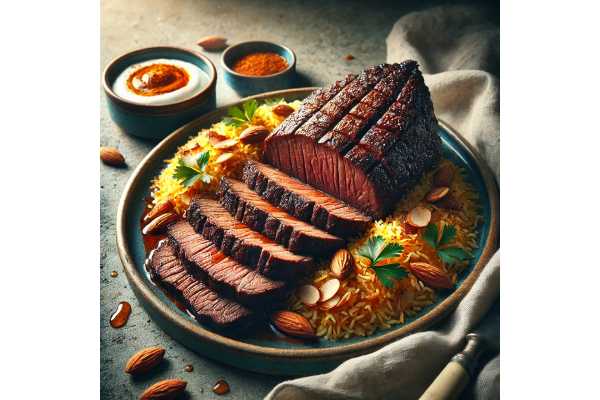
Camel meat has long nourished communities across North Africa, the Middle East, Central Asia, and Australia. Today, chefs and home cooks elsewhere are discovering...
Chicken nutrition facts and health benefits: protein, calories, vitamins, safety
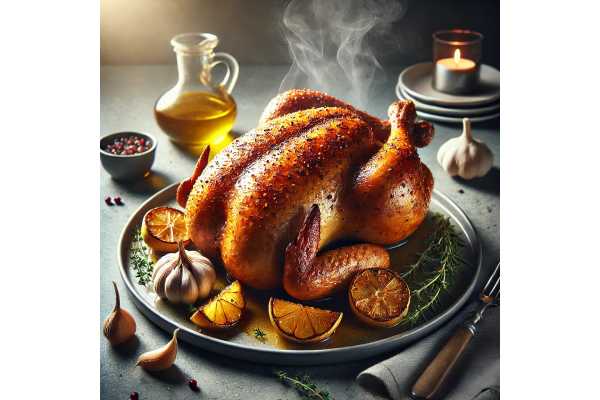
Chicken is one of the most versatile proteins in the kitchen and one of the most studied in nutrition science. Lean cuts such as...
Crocodile meat benefits and risks, nutrition per 100 g, preparation and storage guide
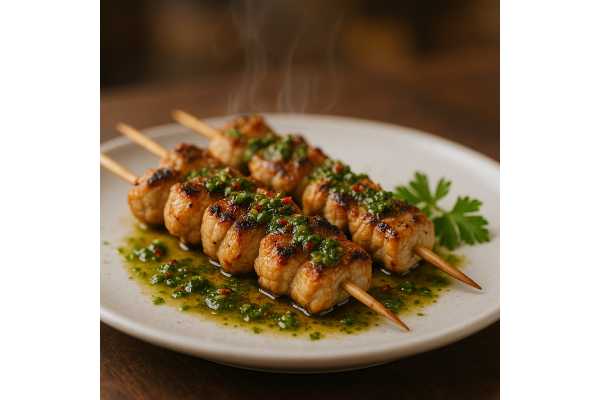
Crocodile meat sits in a curious space: exotic to many home cooks yet surprisingly familiar on the plate. It is a lean, pale meat...
Donkey meat nutrition profile, evidence-based benefits and how to cook it safely
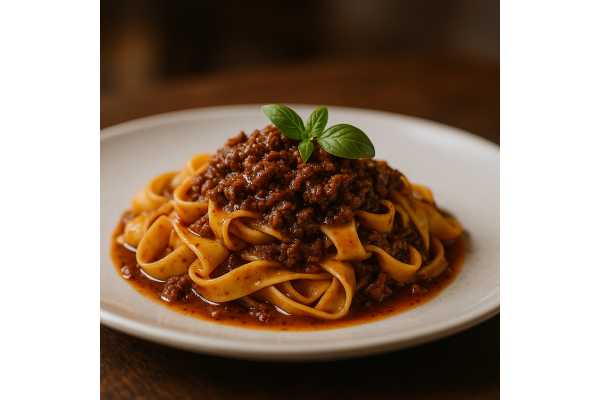
Donkey meat is a niche red meat with a lean profile, a gentle beef-like flavor, and a surprisingly favorable ratio of unsaturated to saturated...
Duck nutrition benefits and risks explained: macros, vitamins, minerals, safe cooking, and smart portions
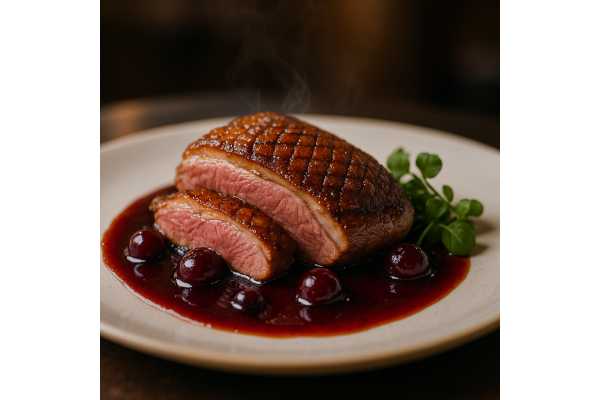
Duck delivers rich flavor, succulent texture, and nutritional value that sets it apart from other poultry. Whether you favor a crisp-skinned roast, a rosy...
Emu meat nutrition facts and benefits, protein, iron and B12, cooking tips and safety
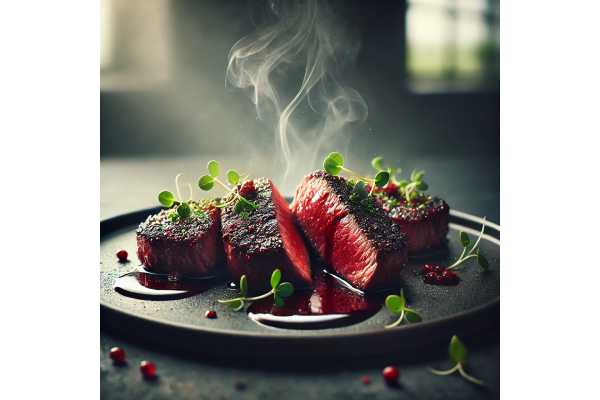
Emu is a lean, dark red meat from a large flightless bird native to Australia. It cooks and eats more like beef than poultry,...
Frog Legs benefits and risks explained: complete nutrition tables, evidence-based safety, and smart preparation

Lean, mild, and surprisingly versatile, frog legs offer high-quality protein with very little fat and virtually no carbohydrates. Their delicate flavor works in both...
Goat nutrition benefits and risks explained: calories per 100 g, protein and minerals, safe cooking, and portions
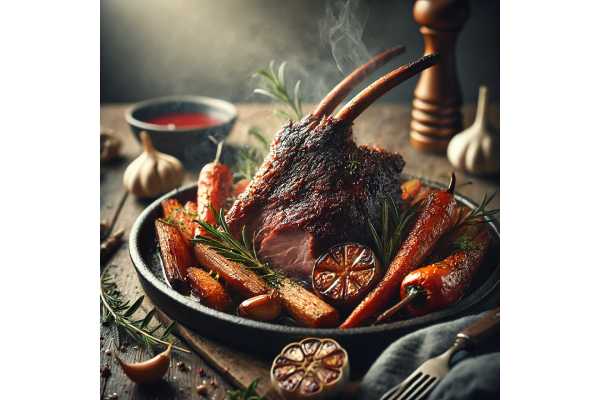
Lean, flavorful, and globally beloved, goat meat (often called chevon or cabrito) is one of the most widely eaten red meats in the world—yet...
Goose health benefits and nutrition facts with cooking methods, storage tips, and food safety guidance

Goose is a richly flavored poultry prized for crisp skin, succulent meat, and a cooking fat that chefs treat like liquid gold. Beyond its...