
Grouse nutrition facts and health benefits: calories per 100 g, protein, vitamins, safe cooking, and portions
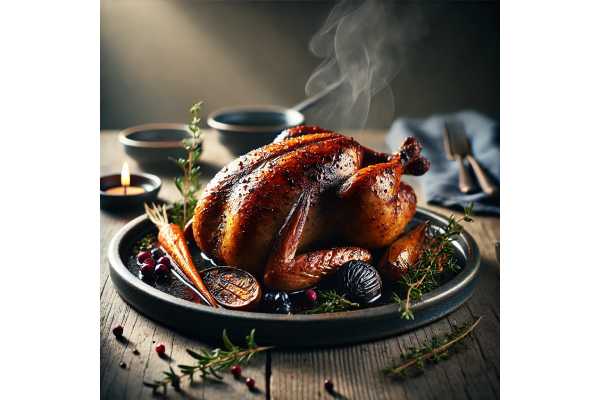
Grouse is a wild game bird with lean, deeply flavored meat that rewards careful cooking and thoughtful sourcing. Whether you come across ruffed grouse...
Guinea Fowl nutrition, calories and protein: benefits, safety and cooking tips
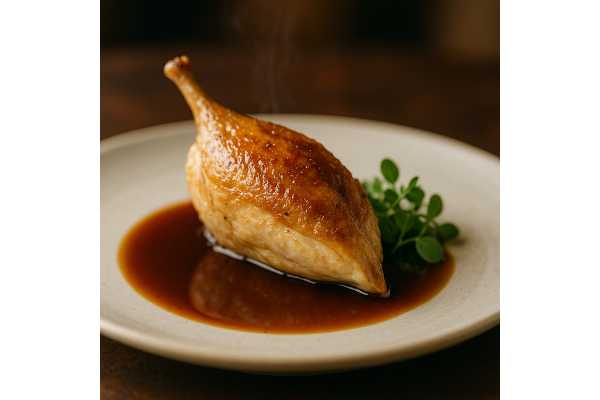
Guinea fowl has long been prized in West Africa, the Mediterranean, and France (where it is sold as “pintade”) for its delicate, slightly gamey...
Hare nutrition benefits and risks explained: calories, protein, vitamins, and safe cooking
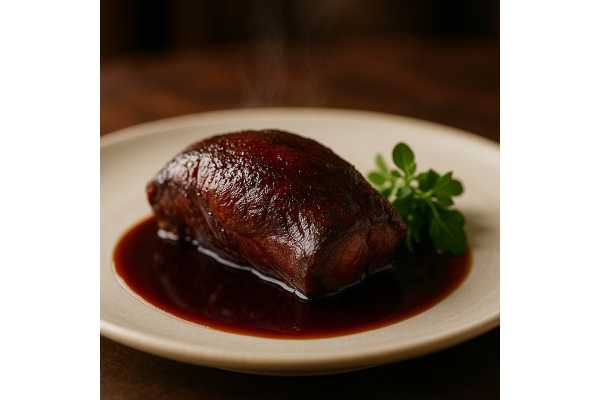
Wild hare is a lean, flavorful red meat prized in European country kitchens and by modern chefs who want intensity without heaviness. Compared with...
Horse meat nutrition and health benefits, safety and cooking tips explained
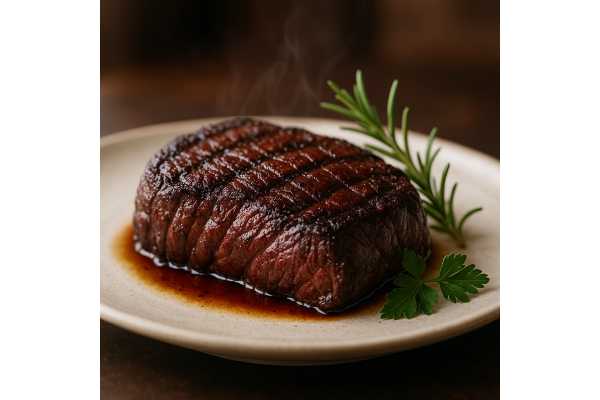
Horse meat is a lean red meat eaten in parts of Europe, Central Asia, and Japan. It brings a distinctive, slightly sweet flavor, a...
Kangaroo meat benefits and risks: protein, calories, iron, zinc, B12, safe cooking, and storage
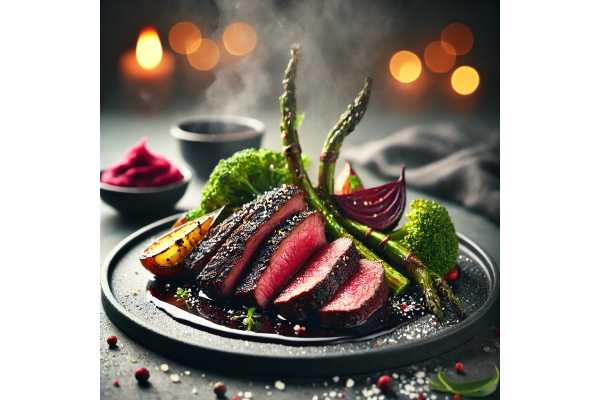
Kangaroo meat has moved from niche to mainstream in Australian kitchens and specialty markets worldwide. It’s a naturally lean red meat with a distinctive,...
Lamb nutrition facts and uses: high protein, heme iron, vitamin B12, safe prep and smart portions
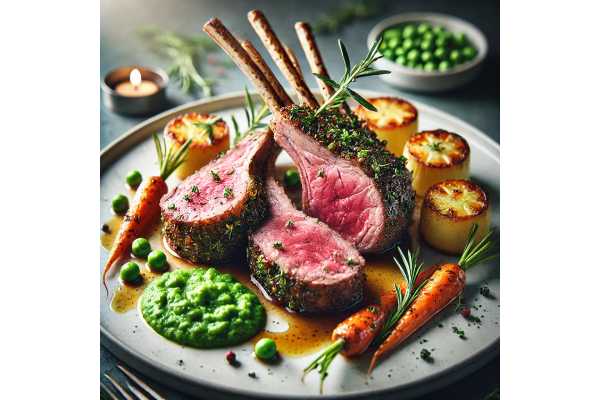
Lamb is prized for its rich, delicate flavor and its dense package of high-quality protein, iron, zinc, and vitamin B12. From Mediterranean roasts and...
Llama meat benefits and nutrition: protein, iron, zinc, preparation methods, and safety
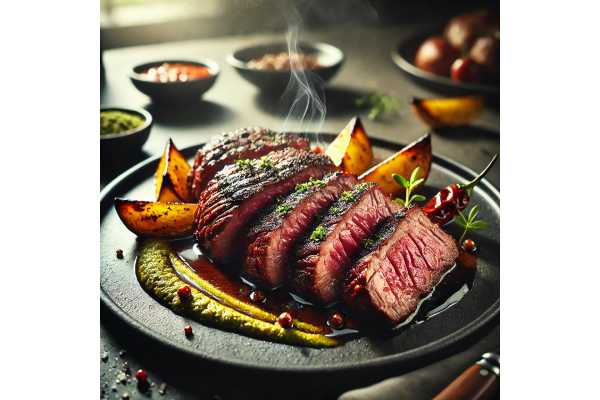
Llama meat is a lean, protein-dense red meat that has nourished Andean communities for centuries and is now drawing wider interest as a flavorful,...
Mutton protein, iron, and vitamin B12: how it compares to lamb and goat
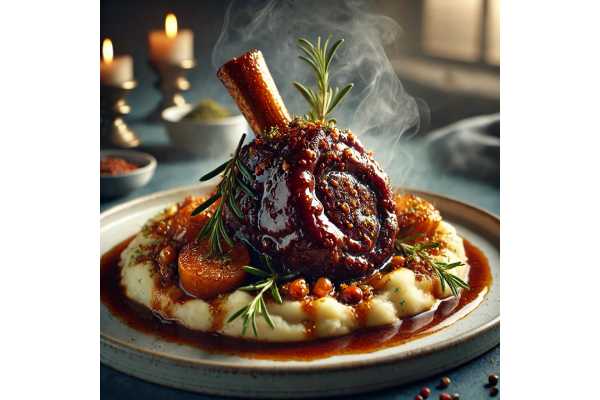
Mutton is the richly flavored meat from mature sheep. Compared with lamb, mutton has a deeper taste, firmer texture, and a nutritional profile that...
Ostrich meat guide: calories, protein and vitamins per 100 g, best cuts, and cooking temperatures
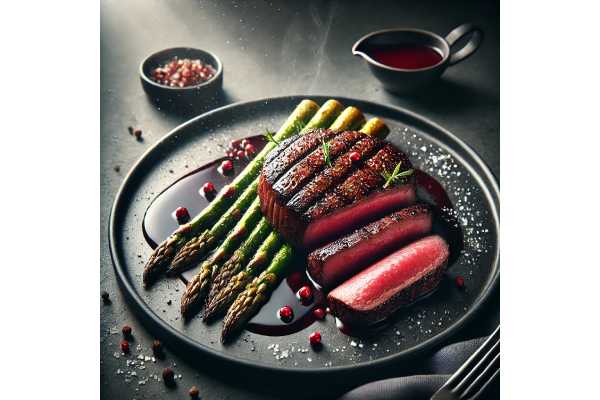
Ostrich is a distinctive “red” poultry: a bird whose deep-crimson meat cooks like lean beef yet belongs to the poultry family. Its appeal is...
Partridge nutrition and health benefits, cooking tips, and safety guide
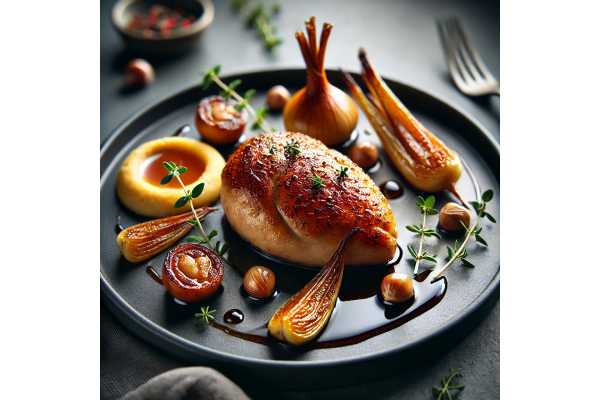
Partridge is a small game bird with a big culinary reputation. Lean, delicately flavored, and quick-cooking, it bridges the gap between everyday poultry and...
Pheasant calories and protein: nutrition facts, benefits, risks, and cooking safety
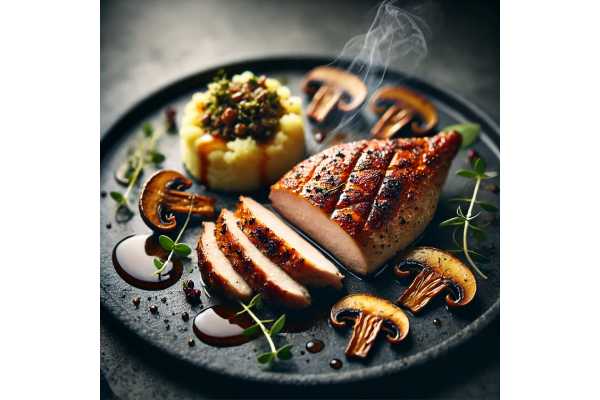
Pheasant sits at the intersection of heritage game and modern, lean cuisine. With a delicate, slightly sweet flavor, it adapts well to both quick...
Pork calories and protein guide: nutrition facts, benefits, risks, and how to cook safely
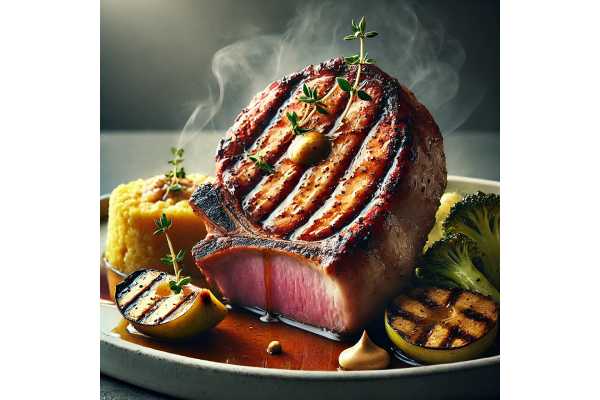
Pork is one of the world’s most versatile proteins, prized for its wide range of cuts—from delicate tenderloin and quick-searing chops to slow-cooking shoulder...
Quail diet guide: protein, iron, choline, and safe preparation

Quail meat and quail eggs punch far above their size. The birds are small, fast-cooking, and deeply flavorful, while their speckled eggs deliver dense...
Rabbit for healthy meals: nutrition profile, evidence-based benefits and safety guidelines
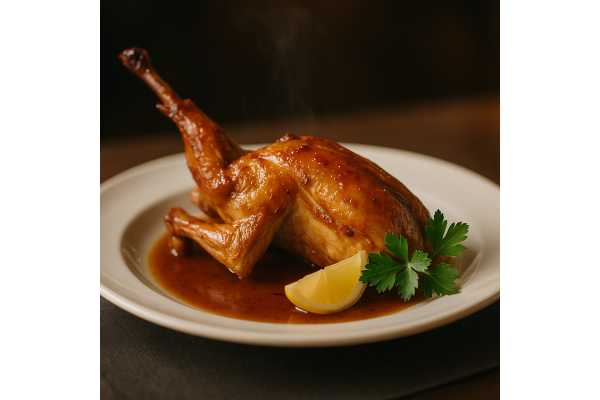
Rabbit meat has an old-world reputation and modern-day appeal. It is naturally lean, rich in high-quality protein, and a notable source of B vitamins—especially...
Squab nutrition benefits and safety: calories, protein, iron and cooking tips explained
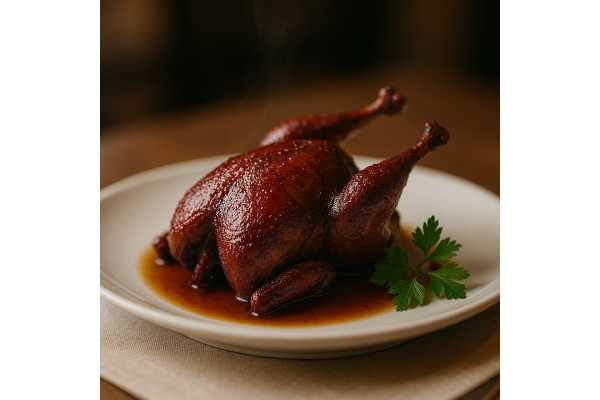
Squab—young domestic pigeon—is a chef’s secret for deeply flavored, tender meat that cooks in minutes. Harvested before flight, it has fine muscle fibers, a...
Turkey nutrition facts and health benefits explained, cooking tips and safety
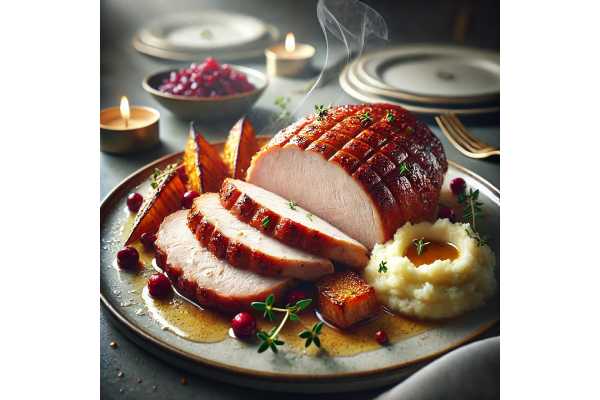
Turkey is a versatile lean protein that fits into weeknight dinners and holiday roasts alike. Light cuts are naturally low in fat, dark meat...
Veal for balanced diets: portions, comparisons, and expert cooking tips
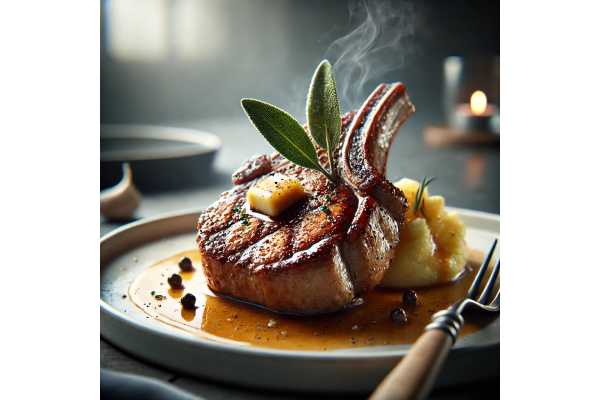
Young, mild, and remarkably versatile, veal sits in a unique spot between poultry and beef. It delivers concentrated, high-quality protein with very little carbohydrate,...
Venison nutrition facts per 100 g, protein and iron content, calories and key vitamins explained
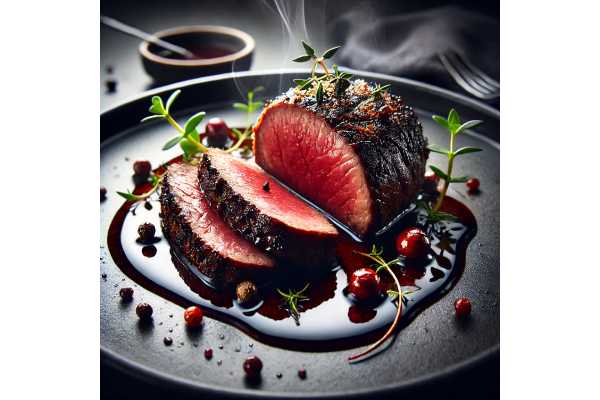
Venison—meat from deer—offers a lean, flavorful alternative to beef and lamb that suits weeknight cooking as well as special-occasion menus. It delivers high-quality protein...
Water Buffalo lean protein: nutrition facts, advantages, safe cooking, and best uses
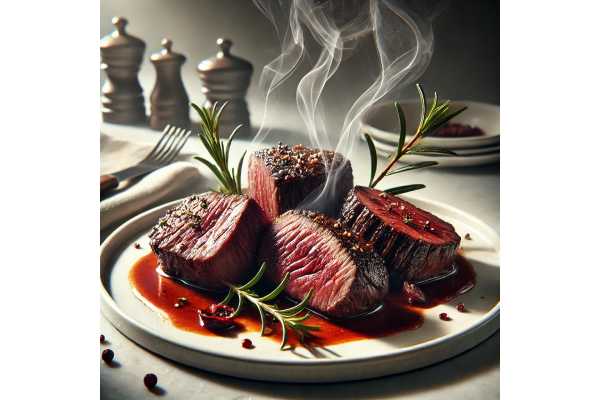
Lean, flavorful, and surprisingly versatile, water buffalo has nourished families from South Asia to the Mediterranean for centuries. Today it appears on modern menus...
Wild Boar nutrition and health benefits, calories and protein, safety tips and cooking temperatures
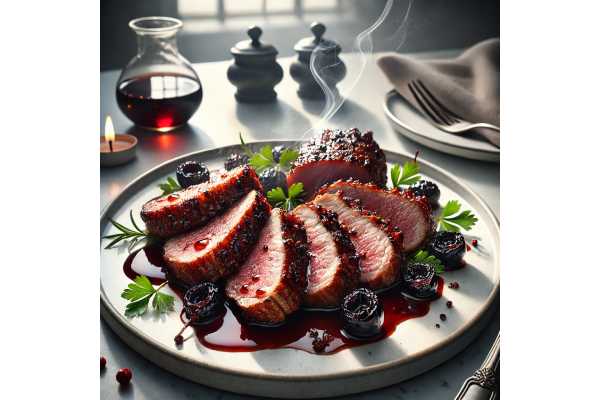
Wild boar meat has moved from hunter-only fare to a niche staple in restaurants and specialty butcher shops around the world. It offers a...