
Cottage Cheese protein powerhouse for weight loss and muscle maintenance with low calories and smart sodium tips
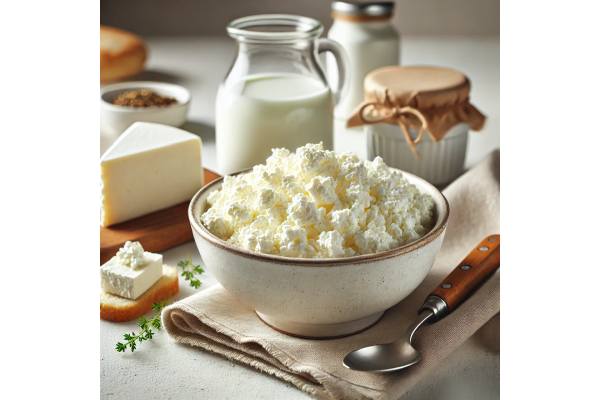
Cottage cheese is a fresh, soft-curd cheese known for its mild flavor, spoonable curds, and impressive protein-to-calorie ratio. It is made by curdling pasteurized...
Cow Milk Yogurt benefits, nutrition facts, probiotics and lactose digestion explained
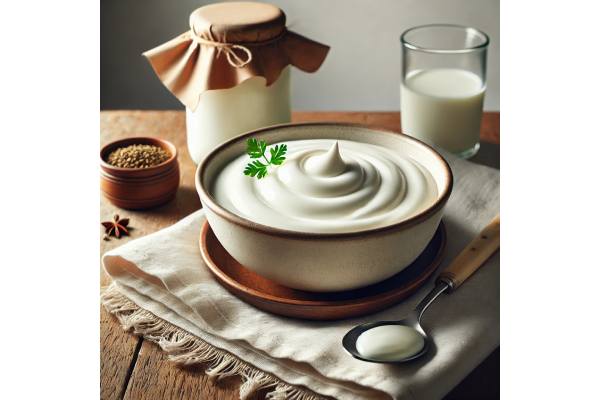
Yogurt made from cow’s milk is one of the most versatile staple foods in home kitchens. It delivers a balanced mix of complete protein,...
Cow Milk benefits and nutrition: calories, protein, calcium, vitamin D, and safety
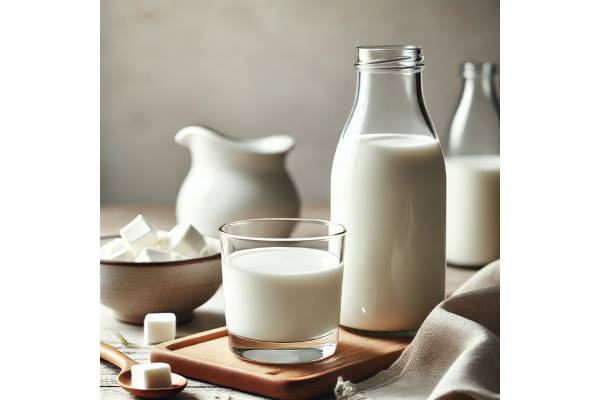
Cow milk is one of the world’s most versatile staple foods. From a glass at breakfast to the backbone of yogurt, cheese, and countless...
Cow’s Milk Butter nutrition facts, benefits, and healthy uses explained
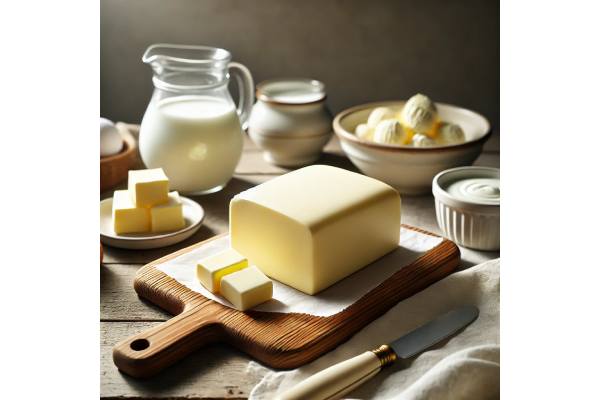
Butter from cow’s milk is one of the culinary world’s simplest ingredients—churned cream—yet it shapes flavor, texture, and pleasure in cooking like few foods...
Cream Cheese nutrition facts, benefits, uses, and safety guide
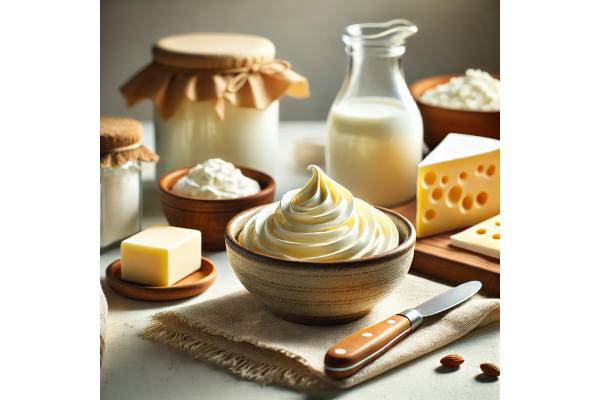
Cream cheese is a fresh, spreadable cheese made by blending milk and cream, lightly acidifying the mixture, and setting it to a smooth, mild...
Donkey Milk nutrition facts and benefits with per 100 g tables and daily values
Donkey milk has reappeared in modern diets after centuries of niche use. Its mild, slightly sweet taste and very low fat content set it...
Drinkable Yogurt benefits, nutrition, probiotics, and risks: the complete guide
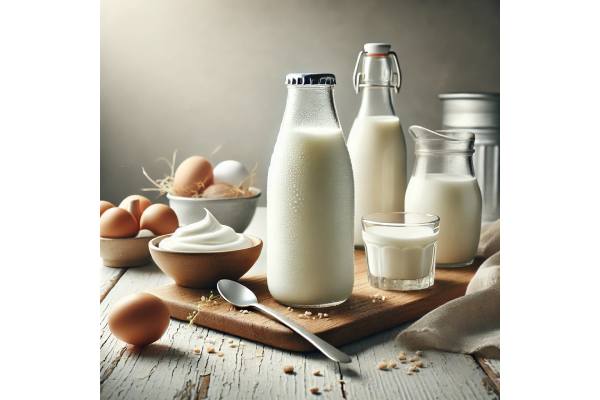
Drinkable yogurt gives you classic yogurt’s tang and nutrients in a smooth, sippable form you can take anywhere. It’s naturally rich in complete protein,...
Duck eggs Benefits, nutrition facts per 100 g and how to cook them safely
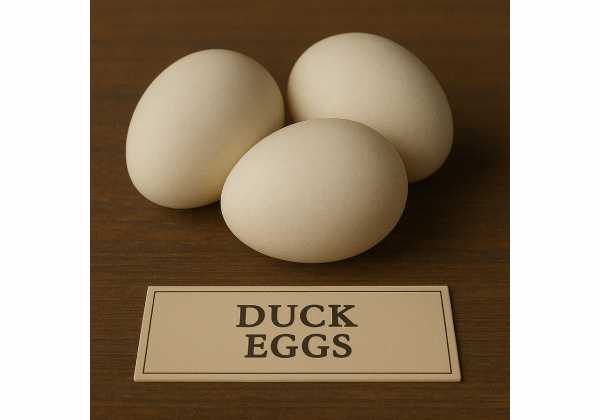
Duck eggs are a richly flavored, nutrient-dense alternative to chicken eggs. Larger yolks and a higher fat-to-protein ratio give them a custardy texture, deep...
Edam Cheese nutrition and benefits explained: calories, protein, calcium, and safe uses
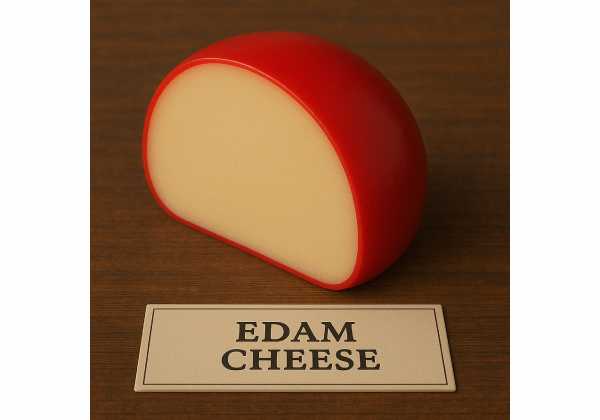
Mild, nutty, and pleasantly elastic, Edam cheese is a semi-hard Dutch classic that fits smoothly into everyday cooking and balanced eating. It slices cleanly...
Emmental Cheese Benefits, nutrition facts per 100 g and how to store, cook, and serve it wisely
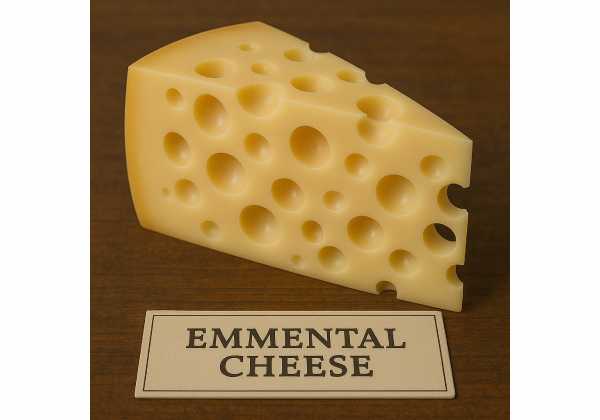
Buttery, nutty, and famously “holey,” Emmental cheese (the classic Swiss-style wheel) brings dependable meltability and steady nutrition to everyday cooking. Its elastic paste and...
Emu eggs nutrition facts and benefits, calories, protein, vitamins, and safety
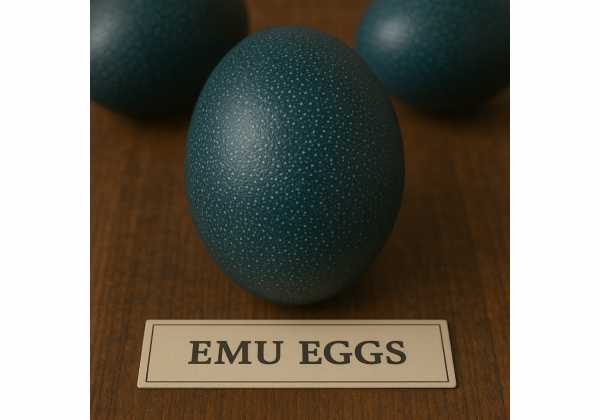
Emu eggs turn heads for good reason: each emerald-green shell can weigh half a kilogram or more, with a rich yolk and a mild,...
Époisses Cheese benefits and risks, calories and protein, how to buy and store
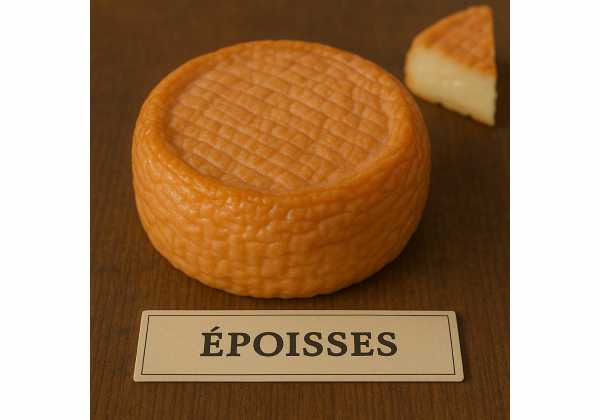
Époisses is one of France’s boldest cheeses—a small, orange-rinded wheel from Burgundy washed in brine and marc de Bourgogne that ripens to a spoonable,...
Feta Cheese nutrition facts per 100 g and how to store, cook, and serve it wisely

Briny, tangy, and wonderfully crumbly, feta cheese is one of the most useful “finishing” ingredients in home cooking. A sprinkle lifts salads, grain bowls,...
Fontina Cheese nutrition, calories, protein and calcium explained for cooking and health
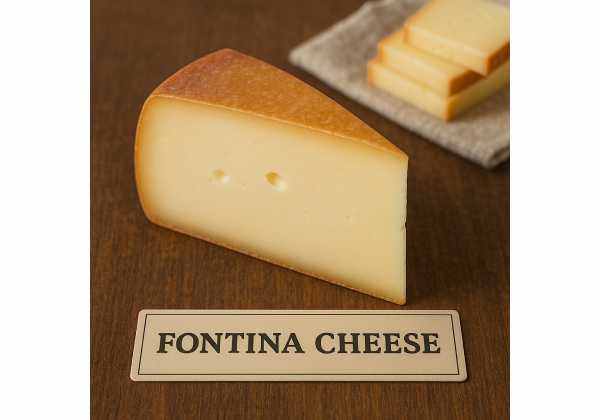
Fontina cheese—born in Italy’s Alpine Valle d’Aosta and now crafted worldwide—delivers a mellow, nutty depth that melts like a dream. Cooks rely on it...
Fromage Blanc Cheese nutrition facts and health benefits, protein, calcium and low sodium guide
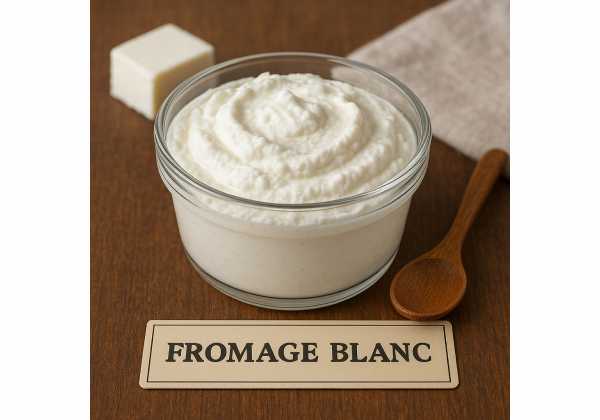
Fresh, lightly tangy, and endlessly adaptable, fromage blanc is France’s silky answer to “soft fresh cheese.” It sits somewhere between yogurt and cream cheese:...
Ghee nutrition, calories, macros, vitamins and how to use it safely

Ghee—the clarified butter central to South Asian, Middle Eastern, and Ayurvedic cooking—brings nutty aroma, rich flavor, and unusual heat stability to both traditional and...
Goat Butter benefits and nutrition facts: calories, macros, vitamins, risks, and how to use it
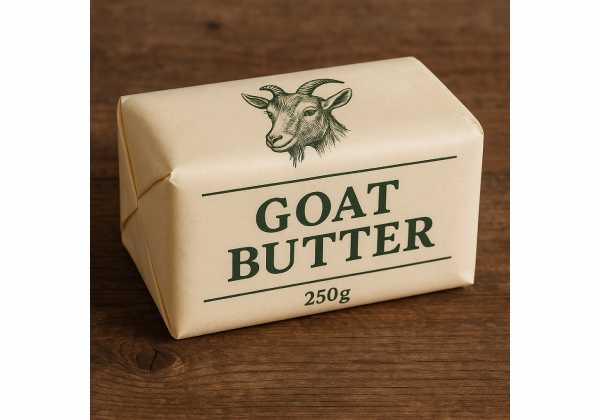
Goat butter is a richly flavored dairy fat churned from goat cream. It spreads silkily at room temperature and melts cleanly in a hot...
Goat Milk benefits and side effects: lactose, allergy, fortification, and how to use it
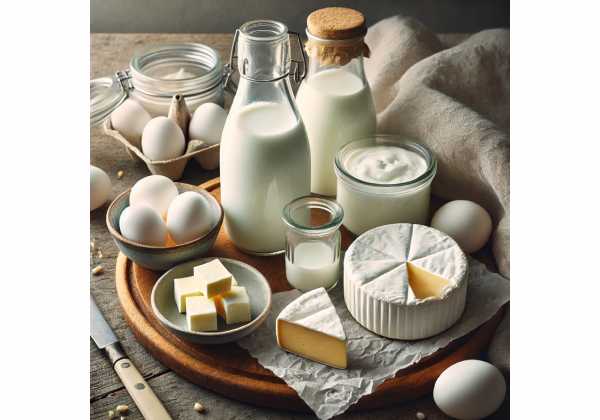
Goat milk has a clean, lightly tangy flavor, a naturally creamy mouthfeel, and an impressive ability to fit into many eating patterns. Its small...
Goat Yogurt nutrition facts and health benefits explained: calories, protein, probiotics, and safety
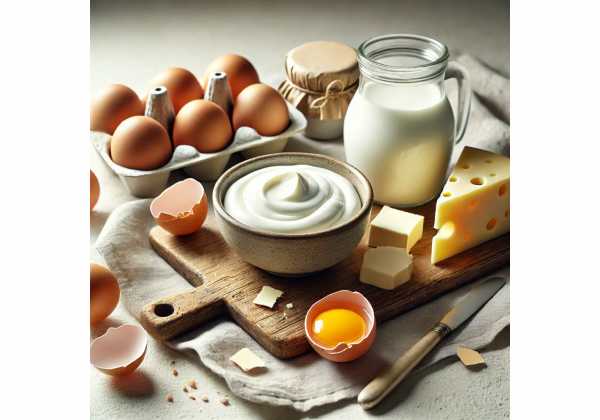
Goat yogurt brings together the gentle tang of fermentation with the distinctive character of goat’s milk. It’s naturally creamy, typically made with live and...
Goose eggs benefits, nutrition facts, calories, protein, choline, and safety
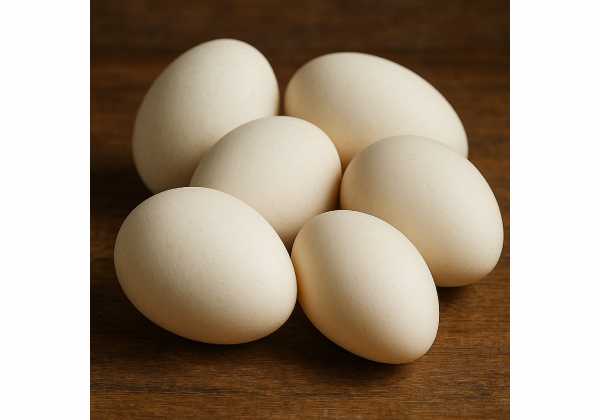
Goose eggs are a seasonal treat with a rich flavor, thick shells, and a yolk-to-white ratio that tilts toward indulgence. Compared with chicken eggs,...