
Gorgonzola cheese benefits and risks, sodium and saturated fat explained, how to enjoy it wisely
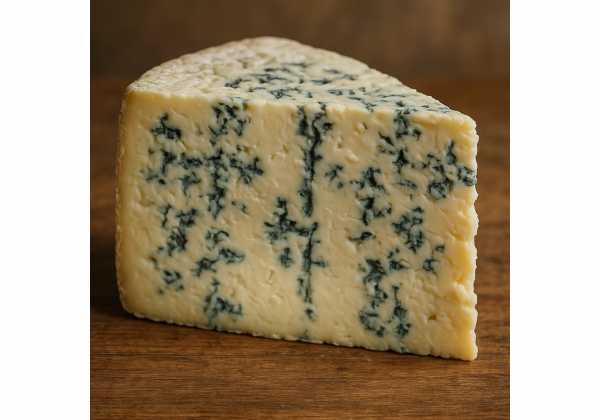
Gorgonzola is Italy’s iconic blue-veined cow’s milk cheese—bold, creamy, and wonderfully aromatic. It comes in two styles: Dolce (mild, spreadable, buttery) and Piccante (firmer,...
Gouda Cheese nutrition facts and health benefits, calories, protein, calcium, and safety guide
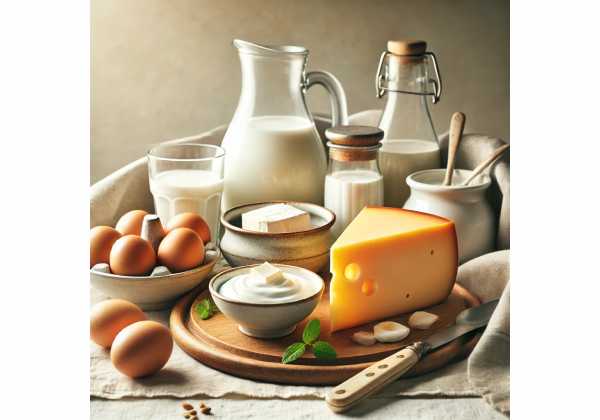
Gouda is one of the world’s most approachable cheeses: a Dutch classic that ranges from supple and mild in its youth to caramelized, crystal-speckled...
Grana Padano Cheese benefits, nutrition facts, uses, and safety for everyday cooking
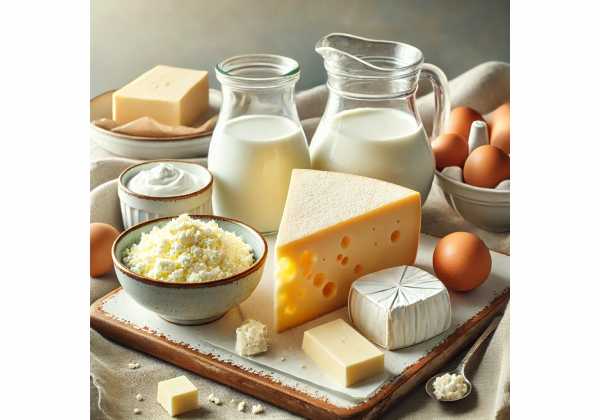
Grana Padano is one of Italy’s most celebrated hard cheeses, prized for its nutty flavor, crystalline texture, and remarkable versatility in the kitchen. Made...
Greek yogurt benefits and nutrition: high protein, low lactose, uses, risks, and expert tips
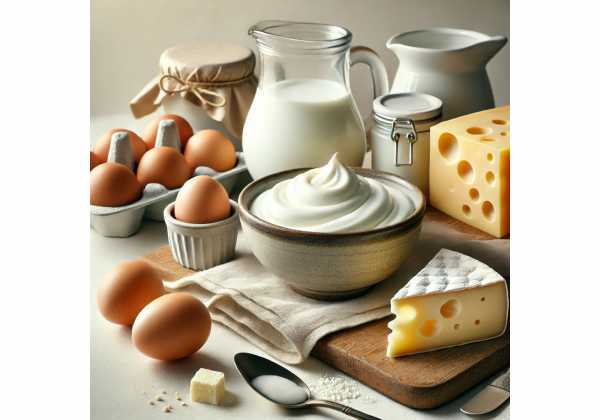
Greek yogurt earns its reputation for being thick, tangy, and surprisingly versatile. Because it is strained, it concentrates protein and reduces lactose compared with...
Gruyère Cheese benefits and side effects with macros, vitamins, minerals and lactose facts
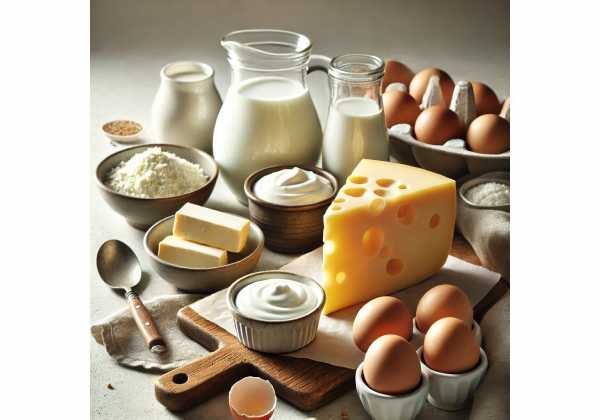
Gruyère is a celebrated Alpine cheese from Switzerland, known for its bronze rind, pale straw paste, and a nutty-sweet flavor that deepens as it...
Guinea fowl eggs nutrition facts and health benefits, uses, and cooking safety
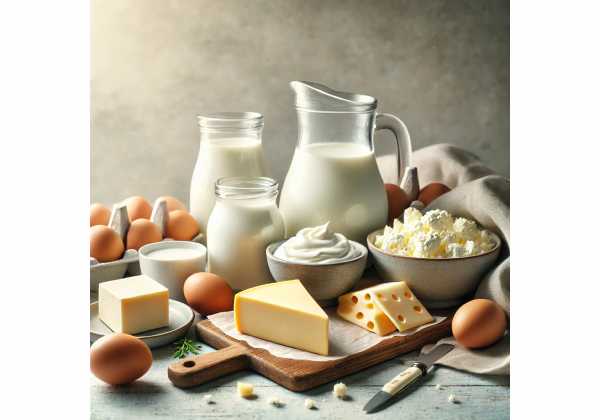
Guinea fowl eggs are a small, speckled alternative to chicken eggs with a rich, savory flavor and firm texture. They’re prized by chefs for...
Gull eggs benefits and nutrition facts, safety, contaminants and legal sourcing explained
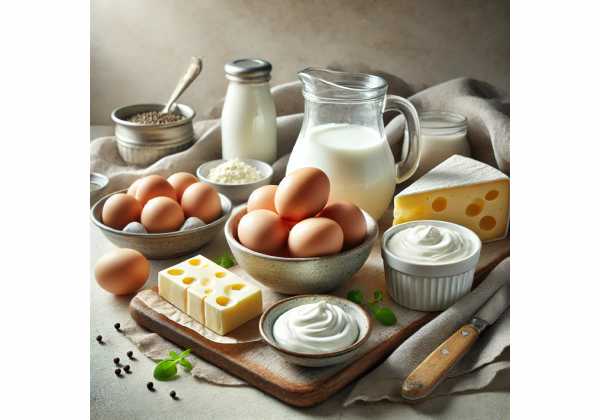
Gull eggs are a rare, seasonal ingredient gathered from wild seabird colonies in a handful of coastal regions. Prized for their striking olive-speckled shells...
Halloumi Cheese benefits and nutrition facts with serving sizes and safety
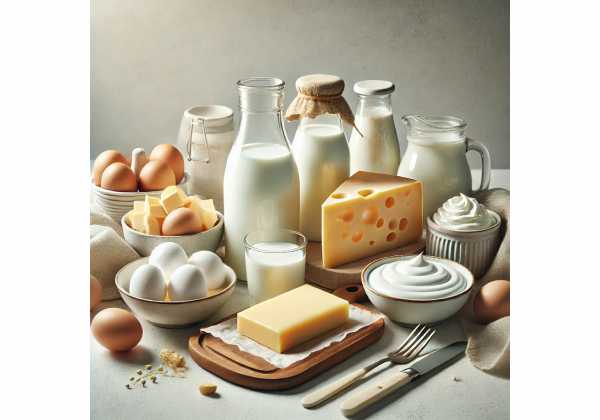
Halloumi is one of those rare cheeses that behaves like a protein you can sear. Born in Cyprus and now cooked around the world,...
Havarti Cheese benefits, protein and calcium content, uses in recipes, and safety for pregnancy
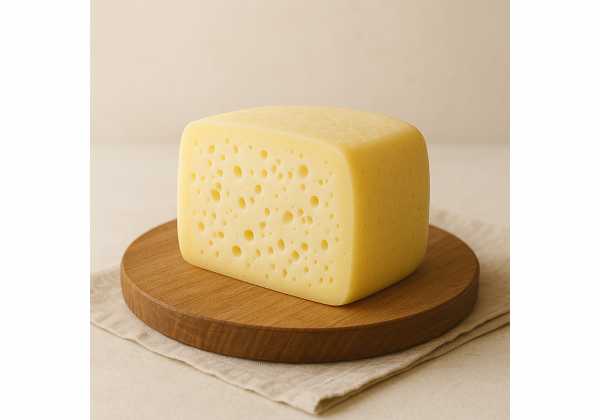
Mild, buttery, and supremely melty, Havarti is the Danish table cheese that slides effortlessly from everyday sandwiches to elegant cheese boards. Behind its creamy...
Heavy Cream nutrition facts per 100 g, health effects, and safe cooking uses

Heavy cream—also called heavy whipping cream—is the rich, high-milk-fat portion separated from cow’s milk. In the kitchen it’s prized for luxurious mouthfeel, stable foams,...
Horse Milk nutrition facts and benefits, uses, and safety
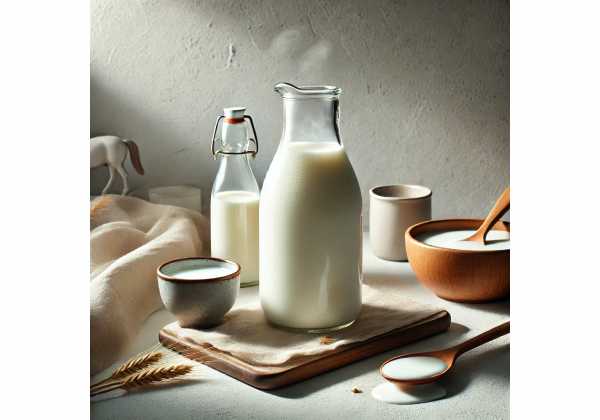
Silky, lightly sweet, and naturally low in fat, horse milk (mare’s milk) is a traditional food in parts of Central Asia and Eastern Europe...
Jarlsberg Cheese nutrition profile, vitamin K2 content, uses and safety
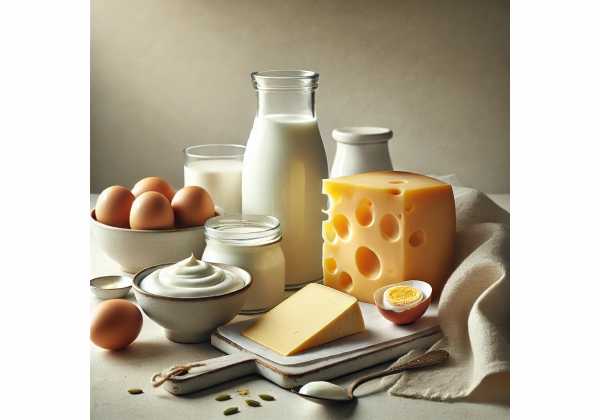
Jarlsberg cheese brings a mellow, nutty sweetness, smooth melt, and those signature “eyes” (holes) to everyday cooking. Developed in Norway in the mid-20th century...
Kashkaval Cheese health benefits, calories, protein, and sodium explained
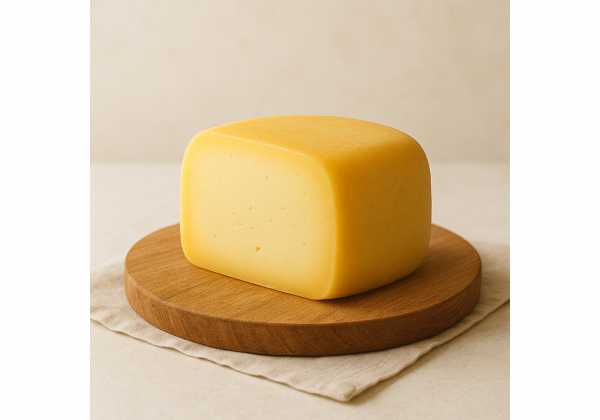
Kashkaval is a smooth, semi-hard yellow cheese cherished across the Balkans, Eastern Mediterranean, and parts of the Middle East. Traditionally made from sheep’s milk...
Kasseri Cheese nutrition facts, calories, protein, calcium, and sodium explained
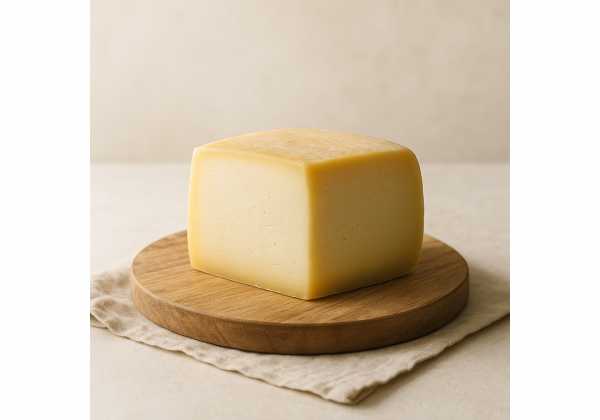
Kasseri is Greece’s beloved, semi-hard table cheese made primarily from sheep’s milk with up to 20% goat’s milk. Pale yellow, elastic, and pleasantly tangy,...
Kefalotyri Cheese nutrition facts, calories, protein, calcium, and sodium explained
Kefalotyri is one of Greece’s boldest table cheeses—firm, salty, and satisfyingly savory. Traditionally made from sheep’s milk or a blend of sheep’s and goat’s...
Labneh Cheese benefits and risks, probiotics, lactose tolerance, and heart health insights
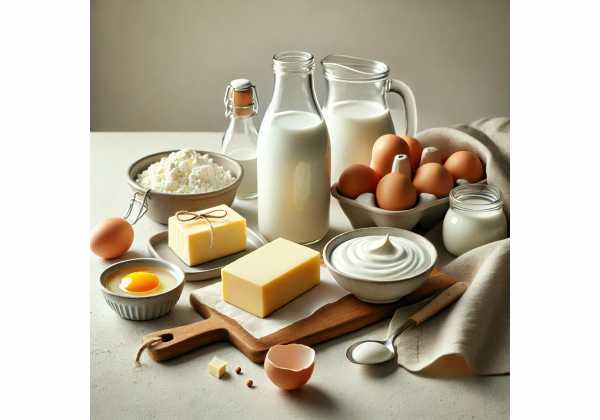
Silky and tangy, labneh sits between yogurt and cheese: thick enough to swipe on warm flatbread, yet light enough to swirl into soups, dressings,...
Limburger Cheese benefits and risks, heart health, lactose tolerance, and safety guidance

Limburger is the world’s best-known “washed-rind” (smear-ripened) cheese: soft at heart, orange at the rind, and famous for a bold aroma that mellows into...
Maasdam Cheese for balanced diets: protein, calcium, low lactose advantages, and smart portions
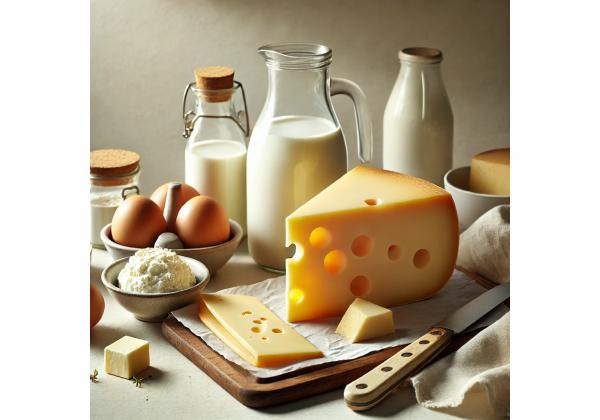
Maasdam is the Netherlands’ answer to Swiss-style cheese: glossy, pale-gold slices laced with round “eyes,” a supple, elastic bite, and a nutty sweetness that...
Manchego Cheese benefits and nutrition facts explained, health effects, uses, and safety
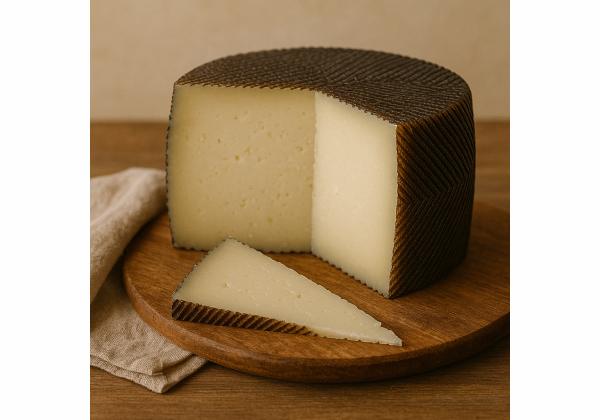
Manchego is Spain’s most famous sheep’s milk cheese, protected by a designated origin and prized for its nutty, gently piquant flavor. Aging ranges from...
Mascarpone Cheese benefits and drawbacks, lactose content, serving sizes and healthy ways to use it
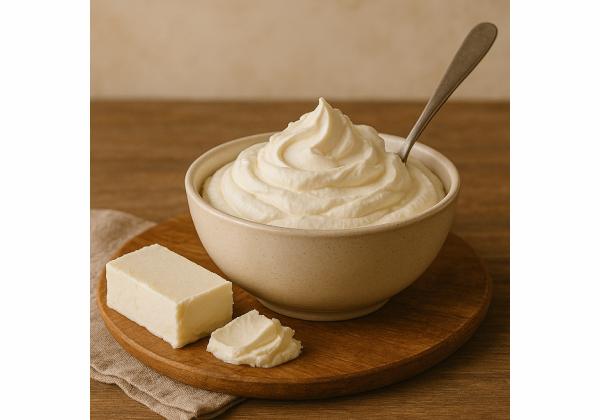
Velvety and spoonable, mascarpone is the Italian cream cheese that turns simple ingredients into luxurious desserts and sauces. Unlike firmer, cultured cheeses, mascarpone starts...