
Oriental Mustard Benefits for Digestion, Antioxidant Support, Medicinal Uses, and Risks
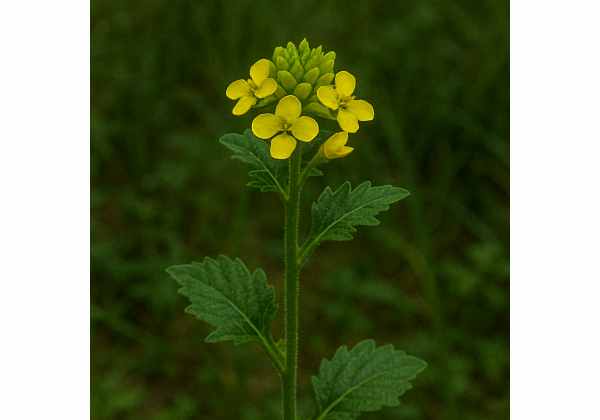
Oriental mustard, also called Brassica juncea, is a sharp, peppery member of the mustard family that is eaten as leafy greens, used as seed...
Oriental Licorice (Glycyrrhiza uralensis) for Cough, Digestion, Inflammation, and Safe Use
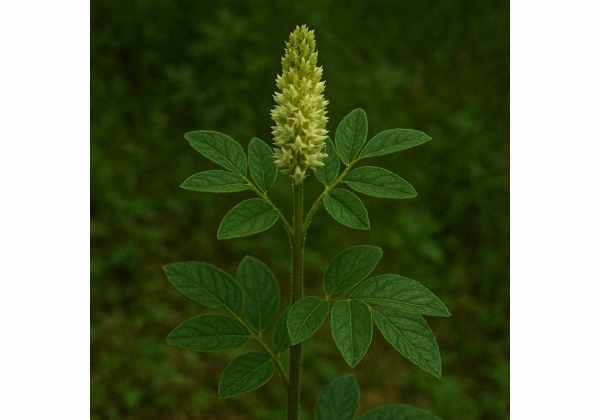
Oriental licorice, botanically known as Glycyrrhiza uralensis, is one of the most important licorice species used in East Asian herbal practice. Its root has...
Oriental Chamomile for Anxiety, Digestion, Skin Comfort, and Safe Everyday Use
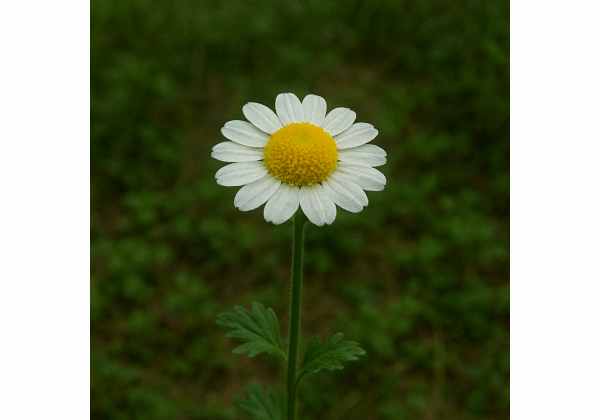
Oriental chamomile, in the botanical sense used here, refers to Chamaemelum nobile—the herb more commonly known in herbal medicine as Roman chamomile. It is...
Oregon Grape Root for Psoriasis, Digestion, and Skin Health: Benefits and Safety
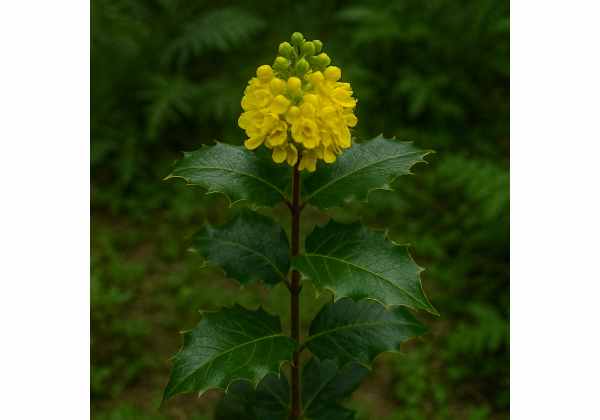
Oregon grape root, also known as Mahonia aquifolium, is a North American shrub whose yellow inner root and stem bark have a long history...
Oregano (Origanum vulgare) Health Benefits, Tea and Oil Uses, Dosage, and Risks
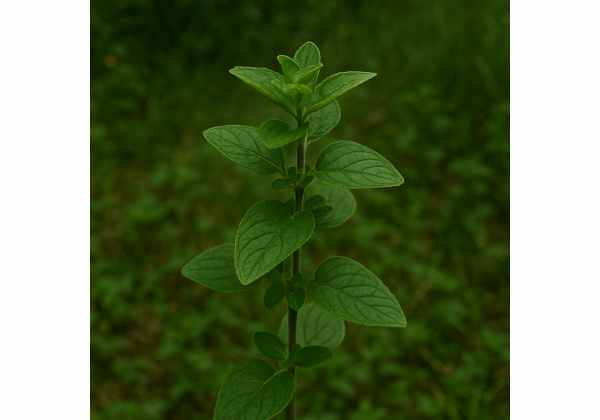
Oregano, or Origanum vulgare, is one of those herbs that people think they already know because it is so familiar in the kitchen. Yet...
Orange Thyme Benefits for Digestion, Skin Support, Aroma, and Safe Use
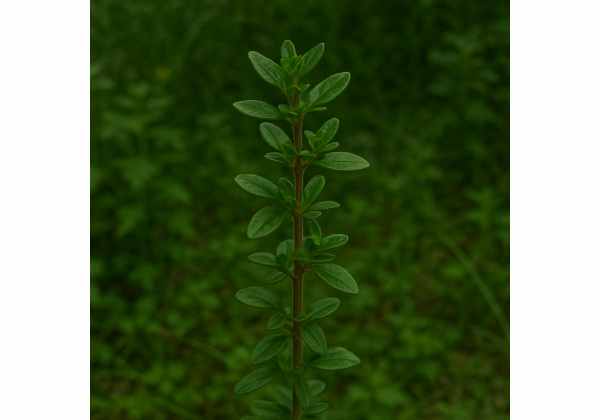
Orange thyme is a citrus-scented thyme valued as much for its aroma and kitchen versatility as for its herbal potential. In practice, it is...
Orange Mint (Mentha × citrata, Mentha × piperita var. citrata) Key Compounds, Calming Benefits, and Practical Uses
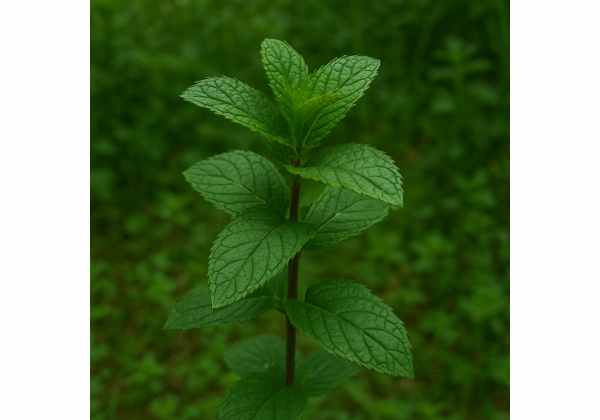
Orange Mint is a fragrant mint with a softer, sweeter profile than standard peppermint and a scent that often hints at bergamot, citrus peel,...
Orange Hawkweed Active Ingredients, Herbal Uses, Side Effects, and Practical Safety Tips
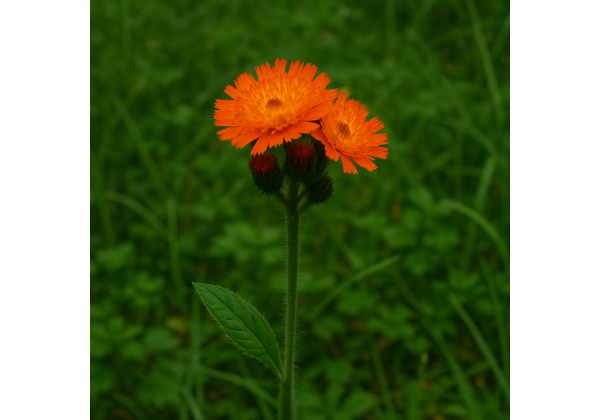
Orange Hawkweed is a vivid orange-flowered member of the daisy family, long admired in cottage gardens and just as often criticized as a fast-spreading...
Orange Bergamot Uses, Key Ingredients, Evidence, and Safety Guide for Monarda didyma
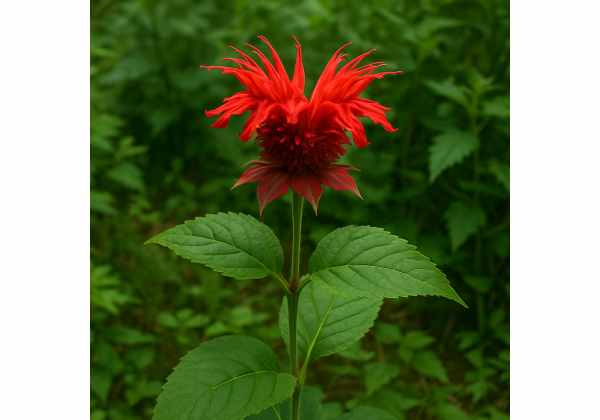
Orange Bergamot, botanically known as Monarda didyma, is a fragrant member of the mint family valued for its scarlet flowers, spicy-citrus aroma, and long...
Onion Couch Ethnobotanical History, Practical Uses, and Side Effects
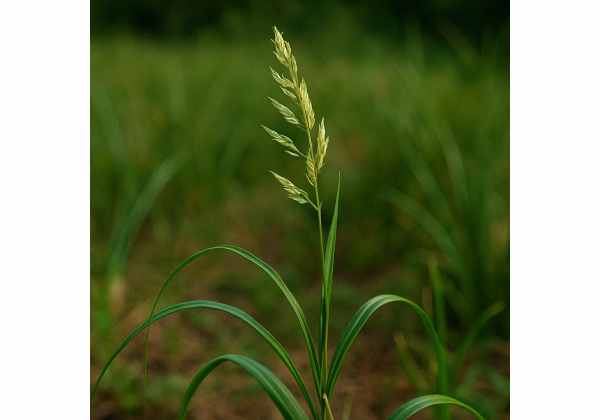
Onion couch, better known botanically as Arrhenatherum elatius var. bulbosum or the bulbous form of false oat-grass, is one of those plants whose name...
Onion Medicinal Properties, Heart and Gut Benefits, and Safety Facts
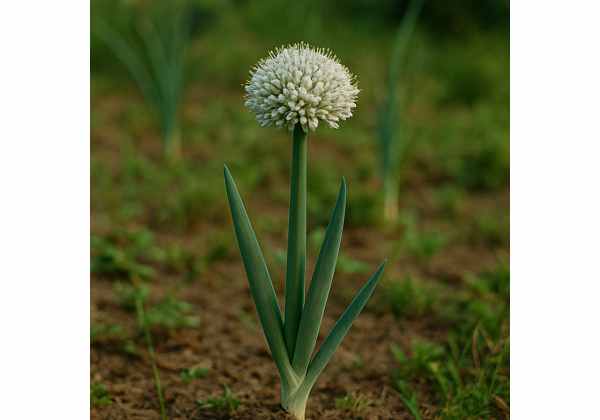
Onion is one of the few medicinal foods that almost everyone already uses, yet many people underestimate how biologically active it can be. The...
One-Seed Hawthorn (Crataegus monogyna) for Heart Health, Circulation Support, and Safe Use
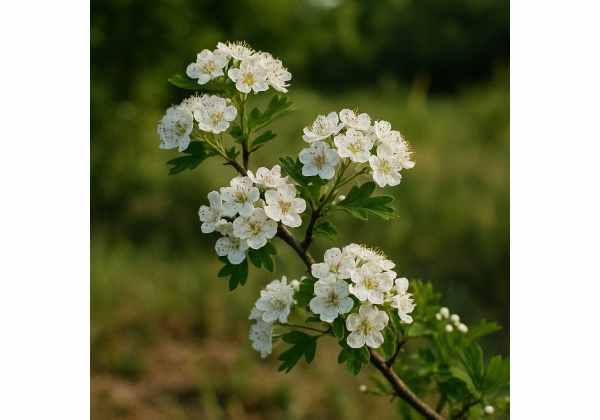
One-seed hawthorn, Crataegus monogyna, is a thorny hedgerow tree best known for its white spring blossoms, bright red autumn berries, and long history in...
One-Blade Benefits for Energy, Appetite, Recovery, and Safe Use
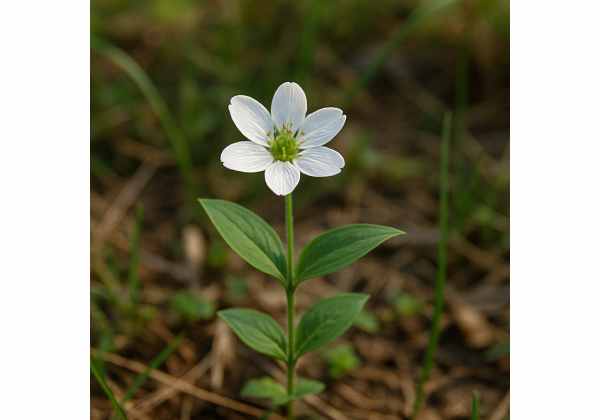
One-Blade, better known in Chinese herbal practice as Pseudostellaria heterophylla or Tai Zi Shen, is a gentle tonic root traditionally used to support energy,...
Olympic Mountain Wormwood (Artemisia suksdorfii) Benefits, Traditional Uses, Active Compounds, and Safety Guide
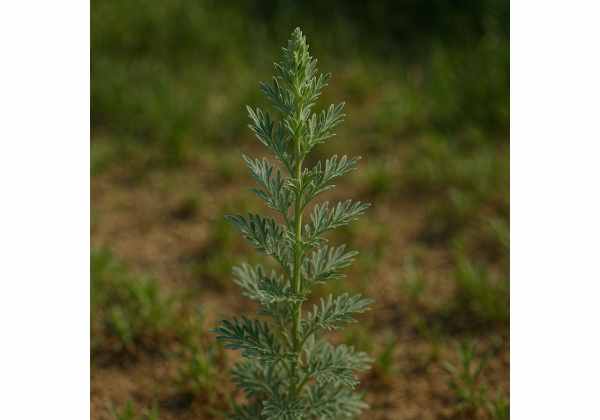
Olympic Mountain Wormwood, botanically known as Artemisia suksdorfii, is a fragrant coastal Artemisia native to the Pacific Northwest. It is more commonly called coastal...
Olive Health Benefits, Key Ingridients, Medicinal Properties, and How to Use It Wisely
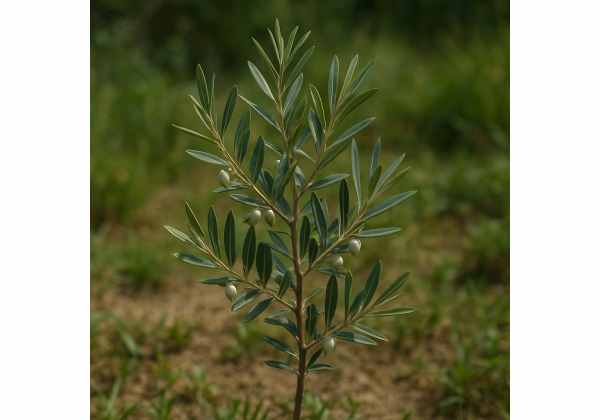
Olive is one of those medicinal plants that is easiest to misunderstand because the tree offers several different health products at once: the fruit,...
Okra for Blood Sugar, Digestion, Heart Health, and Safe Use
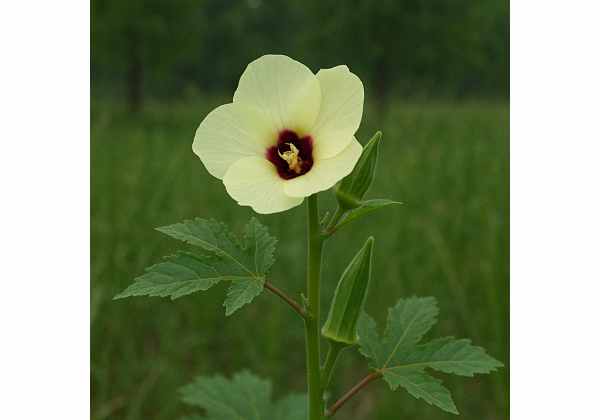
Okra is a warm-season vegetable with an unusually broad reputation: it is valued in the kitchen for its silky thickening quality, in nutrition for...