
Althea: Marshmallow Plant Supplement—Health Benefits and How to Use

Althea, also known as marshmallow root (Althaea officinalis), is a gentle yet powerful botanical prized in herbal medicine for centuries. Famous for its soothing,...
Alum: What It Is, Medicinal Benefits, Dosage, and Side Effects

Alum, a centuries-old compound with a distinctive salty, astringent taste, has long been recognized for its diverse medicinal, cosmetic, and household uses. Chemically known...
Amalaki: Indian Gooseberry Benefits, Dosage, Uses, and Side Effects

Amalaki, also known as Indian Gooseberry or Amla, stands as one of the most revered botanicals in traditional Ayurvedic medicine. Celebrated for its extraordinary...
Amaranth Oil: Benefits for Skin, Heart, and Wellness Explained

Amaranth oil is rapidly gaining recognition in both nutrition and skincare circles, celebrated for its rich squalene content, antioxidant properties, and heart-healthy benefits. Pressed...
Amaranth protein: Health Effects, How to Use, Safety, and Top Benefits

Amaranth protein is gaining attention as a powerful plant-based nutrition source, prized for its complete amino acid profile, digestibility, and health-supporting properties. Extracted from...
Amarnath Grain Extract: Science-Backed Health Benefits, Dosage, and Application

Amarnath grain extract, derived from the nutrient-rich seeds of the Amaranthus plant, is rapidly gaining popularity as a modern supplement for holistic wellness. Prized...
Amber Extract: Uses, Dosage, Effects, and Safety Considerations

Amber extract—derived from the fossilized resin of ancient trees—has fascinated cultures for centuries, prized for its warm, golden glow and its remarkable healing properties....
Ambrette: How to Use, Health Advantages, Dosage, and Precautions

Ambrette (Abelmoschus moschatus), renowned for its delicate, musky aroma and remarkable therapeutic profile, is emerging as a valued natural supplement in holistic health. Sourced...
Ambrosia Artemisiifolia: Herbal Benefits, Safe Uses, Dosage, and Side Effects
Ambrosia artemisiifolia, commonly known as common ragweed, is a plant most recognized for its role in seasonal allergies. Yet in herbal medicine traditions, it’s...
Amelanchier: Health Benefits, Supplement Uses, Dosage Guidelines, and Side Effects
Amelanchier, often known as serviceberry or juneberry, is a remarkable plant treasured for its delicious berries and a history of traditional use in North...
American Adder’s Tongue: Skin Healing Uses, Benefits, and Safe Dosage Guide

American Adder’s Tongue (Ophioglossum vulgatum), a unique fern found in woodlands and meadows, has a long history in herbal and folk traditions. Renowned for...
American Bittersweet: Comprehensive Guide to Benefits, Safety, and Dosage Information

American Bittersweet, a climbing woody vine native to North America, has a rich history in traditional herbal medicine and landscaping. Renowned for its striking...
American Chestnut: Nutrition Facts, Supplement Benefits, Uses, and Risks
The American Chestnut tree, once a towering icon of North American forests, is now reclaiming attention not only for its ecological and cultural history...
American Dogwood: Natural Supplement Uses, Dosage, and Adverse Effects Explained

American Dogwood is a beautiful native tree celebrated not only for its ornamental appeal but also for its traditional use in natural health practices....
American Elder: Evidence-Based Benefits, Herbal Uses, Dosage, and Warnings

The American Elder, or Sambucus canadensis, is a treasured native shrub known for its clusters of creamy flowers and rich, dark berries. For centuries,...
American Ginseng: Adaptogen Benefits, Cognitive Uses, Dosage, and Side Effects
American Ginseng (Panax quinquefolius) is one of North America’s most celebrated adaptogenic herbs, prized for its subtle yet powerful effects on energy, immunity, and...
American Hellebore: Alkaloids, Medicinal History, Toxic Effects, and Identification

American Hellebore (Veratrum viride), also known as green false hellebore or Indian poke, is a striking native plant with a long and complex relationship...
American Ivy: Supplement Risks, Folk Medicine, and Scientific Insights

American Ivy, commonly known as Virginia Creeper (Parthenocissus quinquefolia), is a native North American vine often confused with true ivy but possessing its own...
American Mistletoe: Benefits, Dangers, and Clinical Insights for Users
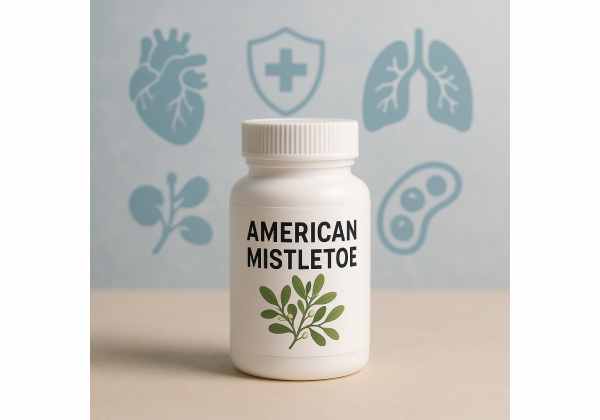
American Mistletoe (Phoradendron leucarpum), a native relative of the European mistletoe, is a well-known plant with deep cultural, medicinal, and ecological significance across North...
American Pawpaw Fruit: Evidence-Based Benefits, Best Uses, and Dosage Guide

The American pawpaw, a unique fruit native to North America, is gaining recognition not only for its intriguing tropical flavor but also for its...