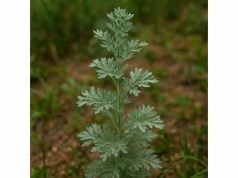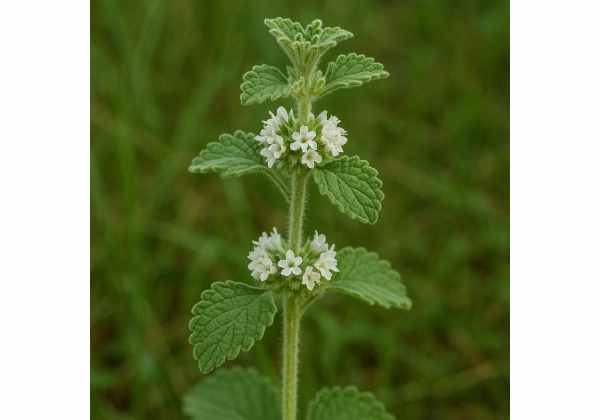
White horehound is a bitter, aromatic herb in the mint family that has been used for centuries in European, Middle Eastern, and North African herbal practice. Its woolly leaves, white flowers, and strong taste make it memorable, but its real importance lies in what it has traditionally been used for: cough associated with colds, sluggish digestion, bloating, and poor appetite. It is also the herb behind classic horehound candies and old-fashioned syrups once kept for scratchy throats and stubborn chestiness.
What makes white horehound especially interesting is that it sits at the meeting point of traditional herbalism and modern phytochemistry. Its best-known active compound, marrubiin, is a bitter diterpene that helps explain both its flavor and some of its digestive and expectorant reputation. Modern studies also point to phenolic acids, flavonoids, tannins, and volatile compounds that may contribute antioxidant, antimicrobial, and anti-inflammatory effects. Still, this is not a herb with strong modern clinical proof. The most useful way to understand white horehound is as a traditional bitter respiratory and digestive herb with plausible benefits, clear dosage guidance, and important safety limits.
Core Points
- White horehound is best known as a traditional herb for cough with colds and for mild digestive discomfort such as bloating and flatulence.
- Its bitterness helps explain its use for temporary loss of appetite and stomach sluggishness.
- A common tea dose is 1 to 2 g of the herb in 250 mL of boiling water, taken 3 times daily.
- Avoid it during pregnancy and breastfeeding, and do not use it in children under 12 without professional guidance.
Table of Contents
- What White Horehound Is and Why It Still Matters
- White Horehound Key Ingredients and Medicinal Properties
- White Horehound Health Benefits and What the Evidence Really Supports
- Traditional Uses and Practical Ways to Prepare It
- White Horehound Dosage Timing and Duration
- Side Effects Safety and Who Should Avoid It
- Interactions Quality Issues and When Medical Care Matters
What White Horehound Is and Why It Still Matters
White horehound, Marrubium vulgare, is a perennial herb in the Lamiaceae family, the same broad family that includes mint, thyme, and sage. It has square stems, soft grey-green leaves with a wrinkled surface, and clusters of small white flowers. The plant is native to parts of Europe, North Africa, and western Asia, though it has spread much more widely and now grows in many dry, sunny places with poor soil. It often looks modest, even weedy, but its herbal history is anything but minor.
For generations, white horehound has been used where people wanted a bitter herb that could do two practical things at once: support the airways and wake up digestion. Old herbal traditions describe it for coughs, hoarseness, chest congestion, flatulence, weak appetite, and sluggish stomach complaints. That split identity is one of the most useful things to understand about it. White horehound is not just a cough herb. It is also a classic bitter tonic.
That bitterness matters. Many herbs that taste intensely bitter stimulate saliva, gastric secretions, and digestive readiness. White horehound fits that pattern, which is why traditional systems used it before meals for appetite or after heavy eating for discomfort. At the same time, it gained a strong reputation in syrups, candies, teas, and decoctions for cough associated with colds. This dual use explains why it remained popular for so long in domestic herbal practice.
Its continued relevance today comes from three things. First, it has an official traditional-use framework in Europe for cough with cold, mild dyspepsia, bloating, flatulence, and temporary loss of appetite. Second, its chemistry is more substantial than its plain appearance suggests. Third, it is still widely available in teas, bitters, syrups, tinctures, and lozenges, which makes it one of the easier old respiratory herbs to find.
Even so, white horehound should not be romanticized. It is not a modern evidence-based cure for bronchitis, asthma, ulcers, or chronic digestive disease. Much of its current standing comes from long traditional use rather than strong clinical trials. That does not make it useless. It simply means it is most appropriate for minor, self-limited problems and short-term support.
A helpful way to frame the herb is this:
- as a respiratory herb, it is best suited to coughs linked with colds and thick mucus
- as a digestive herb, it fits poor appetite, bloating, and a sense of sluggish digestion
- as a bitter, it is stronger in taste than many people expect
- as a remedy, it works best when used early, briefly, and with realistic expectations
White horehound still matters because it is one of the rare herbs that brings old household respiratory care and classic bitter herbalism together in one plant. That combination gives it a practical identity even now.
White Horehound Key Ingredients and Medicinal Properties
The key compound most often associated with white horehound is marrubiin, a labdane diterpene that is widely treated as the plant’s signature bitter constituent. If you want one compound that best explains why white horehound tastes the way it does and why it ended up in both cough remedies and appetite bitters, marrubiin is the starting point. It is not the whole story, but it is the anchor.
White horehound also contains a broader mix of phytochemicals, including phenolic acids, flavonoids, tannins, essential-oil constituents, and smaller amounts of sterols, triterpenes, and related secondary metabolites. Recent chemical work has identified compounds such as ferulic acid, catechin, quercetin, rutin, protocatechuic acid, syringic acid, and volatile sesquiterpenes such as E-caryophyllene and germacrene D. This gives the herb a more complex pharmacologic profile than its old-fashioned image might suggest.
Its medicinal properties can be understood in five main layers.
First, white horehound behaves as a bitter digestive herb. Bitter herbs can stimulate taste receptors that help prime digestive function. In practice, that may mean more saliva, a stronger sense of readiness to eat, and somewhat better digestive flow in people with poor appetite or bland, sluggish digestion. If you are familiar with classic bitters, white horehound belongs in the same general conversation as gentian for digestive bitterness and appetite support, though it has a broader respiratory reputation than gentian does.
Second, it has traditional expectorant value. White horehound has long been used to help bring up phlegm during cough associated with colds. This is part of why it appears in syrups and candies. It is not simply a throat coater. It is valued more for shifting mucus and supporting productive clearance.
Third, it has mild antispasmodic and airway-relaxing interest in preclinical work. This helps explain why some older writers described it for chest tightness and bronchial irritation. That said, preclinical promise is not the same as a proven bronchodilator in humans.
Fourth, the herb shows antioxidant and antimicrobial activity in laboratory research. Phenolic compounds, flavonoids, and tannins help explain this. These findings are useful because they support the plant’s traditional use in irritated tissues and infected-feeling states, but they should not be exaggerated into claims that white horehound acts like an antibiotic.
Fifth, white horehound appears to have anti-inflammatory potential. This theme runs through several studies, especially in extract research. The most realistic interpretation is that it may help calm irritation rather than dramatically suppress inflammation.
A practical summary of its medicinal properties would look like this:
- bitter tonic
- expectorant
- mild carminative
- antioxidant
- modest antimicrobial
- potentially anti-inflammatory
What it is not is equally important. White horehound is not a substitute for inhalers, antibiotics, ulcer treatment, or evaluation of lasting digestive symptoms. Its properties make sense for mild, temporary problems and traditional self-care, not for severe disease.
That balance is what makes the herb useful. White horehound’s chemistry supports its traditional uses well enough to take the plant seriously, but not so strongly that it should be sold as a universal remedy.
White Horehound Health Benefits and What the Evidence Really Supports
The main health benefits of white horehound are easier to explain than many niche herbs because official traditional use and folk practice point in the same direction. Even so, the evidence still needs sorting. The best approach is to separate traditional support, plausible pharmacology, and proven clinical effect.
The most established benefit area is cough associated with a cold. This is the use most people know, and it remains the strongest practical reason to consider the herb. White horehound has long been used as an expectorant, meaning it may help loosen and move phlegm rather than simply suppress the urge to cough. That is why it has historically appeared in syrups, lozenges, candies, and warm teas. For someone dealing with a heavy, slightly sticky cough after a cold begins, this makes sense. For a dry, raw throat without much mucus, another herb such as mullein for cough and throat support may feel gentler and more soothing.
The second benefit area is mild dyspepsia. White horehound has a traditional-use indication for bloating and flatulence, and that lines up well with its bitter nature. A bitter herb can be helpful when digestion feels slow, appetite is reduced, and meals seem to sit heavily. It is less appropriate when the main problem is sharp burning pain, suspected ulcer, or severe nausea.
The third area is temporary loss of appetite. This is one of the oldest bitter-herb uses, and white horehound fits that role naturally. Bitter-tasting herbs are often taken before meals because they can stimulate digestive readiness. In modern terms, this is not about weight loss or appetite suppression. It is about helping appetite return when it is temporarily low.
The fourth possible benefit area is broader anti-inflammatory and antioxidant support. Studies on extracts show that white horehound contains compounds capable of antioxidant activity and, in experimental settings, other protective effects. These findings are important for mechanism, but they should not be treated as direct proof that the herb prevents chronic disease or replaces standard therapy.
There is also early research around wound healing, blood sugar, blood pressure, and other metabolic effects. These areas are interesting, but they are not where a practical user-focused article should place the most confidence. The evidence is still too preliminary, too extract-specific, or too dependent on animal models.
So what can be said with confidence?
- White horehound is reasonably grounded as a traditional herb for cough linked with colds.
- It has a credible role in mild bloating, flatulence, and temporary appetite loss.
- Its bitter and polyphenol-rich chemistry supports those traditional uses.
- Strong modern clinical proof remains limited.
This means white horehound works best when it is used for the kinds of problems it historically fits: a cold with mucus, a sluggish appetite, or mild digestive heaviness. It makes less sense when people try to stretch it into a herb for chronic lung disease, diabetes, or major inflammatory illness.
The herb’s greatest strength is not novelty. It is coherence. Its taste, chemistry, traditional use, and official herbal positioning all point in broadly the same direction. That consistency gives it more credibility than many fashionable herbs, even if the modern trial evidence is still incomplete.
Traditional Uses and Practical Ways to Prepare It
White horehound has traditionally been used in a few forms that still make sense today: infusion, decoction, syrup, juice, tincture, powder, and candy. The best preparation depends on the reason for use, because the herb serves respiratory and digestive purposes differently.
For coughs with cold, warm liquid preparations have the most traditional logic. A tea or light decoction can deliver the herb in a form that feels suited to the chest and throat. Syrup is also common, often because the bitterness needs softening and because a syrup coats the mouth and throat while still delivering the herb’s expectorant character. Horehound candy developed partly for the same reason. It is bitter, but pleasant enough to keep in the mouth for repeated small exposures.
For digestive use, infusion and tincture are more typical. A bitter herb is often taken before meals, and white horehound follows that pattern well. Its taste is part of the effect. In some cases, the bitterness itself is more valuable than any concentrated extract.
The most practical forms are these:
- Tea or infusion
Best for mild cough, bloating, and appetite support. This is the most traditional and easiest starting point. - Syrup
Useful when the goal is respiratory support and the bitterness needs to be moderated. - Pressed juice
Official monographs include this form, but it is less common for everyday home use. - Tincture or liquid extract
Convenient and concentrated, though more variable from brand to brand. - Powdered herb
Used in capsules or powders, but less connected to the classic household identity of the herb.
When preparing white horehound at home, the biggest obstacle is taste. It is intensely bitter. That bitterness is not a flaw, but it does make the herb hard for some people to tolerate. Honey is the traditional answer in cough formulas, while timing before meals makes more sense for digestive use.
White horehound is also often blended. In respiratory formulas, it may be paired with herbs that soothe, warm, or loosen mucus. In digestive blends, it may sit alongside carminatives or gentler bitters. For example, thyme for chest and throat support can complement its respiratory role, especially when a formula is aimed at sticky mucus and cold-season cough.
There are also some practical distinctions worth keeping in mind:
- tea is closest to traditional use
- syrup is easiest for cough but often contains sugar or honey
- tinctures are efficient but can feel harsher and more bitter
- candies are convenient but not equivalent to a full therapeutic dose
- concentrated extracts are not automatically better than tea
A smart way to use white horehound is to let the preparation match the goal. Tea or syrup for cough. Tea, tincture, or bitters-style use before meals for digestion. Short-term, targeted use is generally more appropriate than treating it like an everyday tonic.
This is one of those herbs that becomes more useful when it is used plainly. Simple forms, clear reasons, and brief trials usually work better than complex multi-product experimentation.
White Horehound Dosage Timing and Duration
White horehound is unusual among traditional herbs because it has fairly concrete dosage guidance from an official European monograph, even though its approved uses are still based on traditional use rather than strong clinical trials. That gives users a more dependable framework than many herbs have.
For adolescents over 12, adults, and older adults, a common tea dose is 1 to 2 g of comminuted herb in 250 mL of boiling water, taken 3 times daily. That gives a daily amount of about 3 to 6 g of herb. This is the most practical dosage range for most readers because it keeps the herb in its traditional form.
Other official oral forms include:
- powdered herb: 225 to 450 mg, 3 times daily
- expressed juice: 10 to 20 mL, 3 times daily
- liquid extract: 1.5 to 4 mL, 3 times daily
Tea remains the best starting point because it is easier to titrate, easier to stop, and closest to the herb’s long-standing use. It also lets the taste do part of the work in digestive applications.
Timing should match the reason for use. For dyspepsia or temporary loss of appetite, white horehound is best taken about 30 minutes before meals. That is when a bitter herb makes the most sense. For cough associated with a cold, the tea may be taken several times through the day, depending on when mucus and irritation are most troublesome.
Duration also matters. White horehound is not meant for indefinite self-treatment.
- For cough associated with a cold, reassess if symptoms last more than 1 week.
- For bloating, flatulence, or poor appetite, reassess if symptoms last more than 2 weeks.
That duration limit is important because the herb is meant for short-term, uncomplicated complaints. Persistent cough, lingering appetite loss, or repeated digestive symptoms deserve evaluation.
One practical mistake is to assume that more bitterness means better results. It does not. White horehound can become hard to tolerate quickly, and very bitter herbs may discourage consistent use rather than help it. Another mistake is to jump straight to concentrated extracts without first trying the tea.
For people whose main digestive complaint is gas rather than poor appetite, fennel for bloating and digestive comfort may feel easier to tolerate and gentler in daily use. White horehound is usually more appropriate when bitterness itself seems useful.
A simple dosing strategy looks like this:
- Start with tea rather than extract.
- Use the lower end of the dose first.
- Match timing to the goal.
- Keep use brief and purposeful.
- Stop and reassess rather than escalating the dose aggressively.
That measured approach suits white horehound especially well. It is a traditional herb with a clear role, but it works best when used with discipline rather than enthusiasm alone.
Side Effects Safety and Who Should Avoid It
White horehound is generally considered a traditional herb with a workable safety profile at recommended doses, but that does not mean everyone should use it. The clearest safety message is that it is best reserved for adults and adolescents over 12 with short-term, uncomplicated symptoms.
At the official traditional-use level, no major common side effects are firmly established, and no overdose pattern has been clearly documented in the monograph. Even so, real-world use suggests that intense bitterness alone can make the herb unpleasant for some people. Nausea, stomach discomfort, or aversion to the taste are practical barriers more often than dramatic toxicity.
Some people may also experience mild gastrointestinal upset. That is especially plausible if the herb is taken on an empty stomach for the wrong reason, in overly concentrated forms, or in someone who already has a sensitive digestive tract. Contact dermatitis has also been noted in relation to horehound preparations in some contexts, so topical experimentation should not be assumed harmless.
The most important groups who should avoid white horehound or seek professional advice first include the following:
- children under 12
- pregnant people
- breastfeeding people
- people with active peptic ulcer
- people with gallstones or biliary disorders
- people with bile duct obstruction, cholangitis, liver disease, or ileus
- people with known sensitivity to Lamiaceae herbs
Pregnancy and breastfeeding deserve a firm line because safety has not been established. Children under 12 are also not the right group for casual self-directed use, even if old-fashioned cough candies make the herb seem gentle.
Digestive safety also needs nuance. White horehound is a bitter herb, and bitters do not suit everyone. A person with sluggish appetite may benefit, but someone with ulcer pain, gallbladder problems, or significant upper abdominal symptoms needs more caution. Bitters can be helpful, but they are not neutral.
The most realistic side-effect profile is probably this:
- too bitter for some people to take consistently
- possible stomach upset in sensitive users
- possible skin irritation in rare cases of contact exposure
- not appropriate when symptoms suggest more than a mild self-care situation
If the goal is gentle soothing rather than bitterness, a different herb may fit better. For instance, peppermint for mild digestive discomfort often feels more approachable, though it serves a different herbal role.
Overall, white horehound is not best understood as dangerous. It is better understood as specific. It fits certain people, certain symptoms, and certain forms of use. Problems tend to appear when the herb is used outside that frame.
Interactions Quality Issues and When Medical Care Matters
White horehound has no well-established list of major herb-drug interactions in official traditional-use documents, and none were formally reported in the European monograph. Still, that does not mean it should be combined carelessly with everything else. A sensible user should think in terms of plausibility, plant quality, and symptom context.
The first issue is polyherbal stacking. White horehound is often added to cough blends, bitters formulas, and digestive tinctures. That can be useful, but it also makes it hard to tell which herb is doing what. If you are taking several bitter herbs, several cough herbs, or several products with alcohol extracts, tolerance can become the limiting factor.
The second issue is digestive overlap. Because white horehound is a bitter herb, it may not pair comfortably with other strong bitters or irritating stomach products in people with sensitive digestion. It is better to keep formulas simple until you know how you respond.
The third issue is product quality. This matters more than many people assume. A good white horehound product should state the Latin name, plant part, and dosage form clearly. Avoid products that say only “horehound” without identifying whether they contain herb, candy flavoring, or a blend. Also be cautious with novelty syrups or candies that mention horehound but do not provide useful dosing information.
Quality questions to ask include:
- Is the Latin name listed as Marrubium vulgare?
- Is the product a tea herb, powder, juice, tincture, or candy?
- Is the dosing clear?
- Does the label say how much herb or extract is present?
- Is the product intended for a traditional cough use or just flavoring?
When symptoms are mild, white horehound can make sense as self-care. When symptoms cross a certain line, it should not delay treatment. Medical care matters instead of herbal experimentation when you have:
- cough lasting longer than a week
- shortness of breath
- wheezing or chest pain
- high fever
- coughing up blood
- repeated vomiting
- significant unexplained appetite loss
- persistent abdominal pain
- jaundice or right upper abdominal pain
- symptoms that worsen instead of improve
This last point is especially important. White horehound is a traditional herb for uncomplicated cough and mild digestive complaints. It is not a way to postpone evaluation of asthma, pneumonia, gallbladder disease, ulcer symptoms, or ongoing poor appetite with weight loss.
For people looking at other sticky-cough herbs, grindelia for resinous respiratory support is sometimes compared with white horehound, but the two are not interchangeable. White horehound is the more bitter and digestive-facing herb, while grindelia is usually framed more around resinous chest support.
In the end, the best use of white horehound depends on proportion. The right herb, right dose, right timing, right duration, and right symptom context matter much more than the idea that an herb is “natural.” Used that way, white horehound still earns its place.
References
- Community herbal monograph on Marrubium vulgare L., herba 2013 (Guideline)
- Marrubium vulgare L.: A Phytochemical and Pharmacological Overview 2020 (Review)
- Chemical Composition and In Vitro Antioxidant and Antimicrobial Activities of Marrubium vulgare L. 2021
- Insight into biological activities of chemically characterized extract from Marrubium vulgare L. in vitro, in vivo and in silico approaches 2023
- Biological Activity of Horehound (Marrubium vulgare L.) Herb Grown in Poland and Its Phytochemical Composition 2024
Disclaimer
This article is for educational purposes only and is not medical advice. White horehound is a traditional herbal medicine, and while it has recognized traditional uses and promising phytochemical research, it does not replace diagnosis or treatment from a qualified healthcare professional. Do not use it to self-treat persistent cough, breathing difficulty, unexplained appetite loss, gallbladder symptoms, or serious digestive pain. Speak with a clinician before using white horehound if you are pregnant, breastfeeding, have liver or biliary disease, take prescription medicines, or are considering it for a child.
If this article was helpful, please share it on Facebook, X, or another platform that fits your audience.