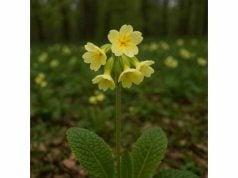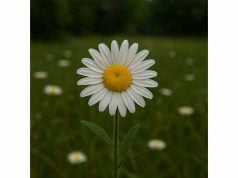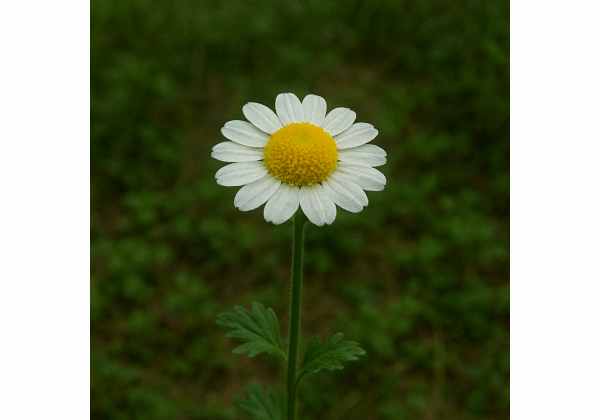
Oriental chamomile, in the botanical sense used here, refers to Chamaemelum nobile—the herb more commonly known in herbal medicine as Roman chamomile. It is a low-growing, fragrant plant in the daisy family, valued for its gentle floral aroma and its long history as a calming, digestive, and skin-soothing remedy. Unlike harsher botanicals, this herb is often chosen for mild, everyday complaints: nervous tension, occasional indigestion, mouth and throat irritation, and minor skin discomfort.
What makes this plant especially interesting is the way its chemistry supports its traditional uses. Its flowers contain volatile oils, sesquiterpenes, flavonoids, and coumarin-like compounds that help explain its relaxing, antispasmodic, and anti-inflammatory reputation. In practice, people use oriental chamomile as tea, mouth rinse, compress, diluted essential oil, and sometimes as standardized extracts.
Even so, “gentle” does not mean risk-free. Product form, dose, allergies, and medication use all matter. A helpful guide to this herb should therefore do two things at once: explain what it may do well, and show how to use it wisely.
Key Insights
- May help ease mild digestive cramping, bloating, and gas.
- May support relaxation and reduce occasional anxiety.
- A common tea range is 2 to 3 g dried flower in about 150 mL water, up to 3 to 4 times daily.
- Avoid concentrated use if you are allergic to ragweed or other Asteraceae plants.
- Extra caution is warranted during pregnancy, breastfeeding, and when using blood-thinning medicine.
Table of Contents
- What Oriental Chamomile Is and What It Contains
- Health Benefits and Where the Evidence Is Strongest
- Medicinal Properties and How the Herb Works
- How Oriental Chamomile Is Used in Real Life
- Dosage, Preparation, and Timing
- Safety, Side Effects, and Interactions
- How to Choose a Good Product and Avoid Common Mistakes
What Oriental Chamomile Is and What It Contains
Chamaemelum nobile is a perennial herb in the Asteraceae family. In English-language herbal practice, it is usually called Roman chamomile rather than oriental chamomile. That naming detail matters because chamomile is not just one plant. The two best-known medicinal species are Roman chamomile (Chamaemelum nobile) and German chamomile (Matricaria chamomilla or Matricaria recutita). They overlap in use, but they are not identical in botany, aroma, and chemical profile.
Roman chamomile grows close to the ground and produces small daisy-like flowers with a sweet, apple-like scent. The flower heads are the main medicinal part. These are dried for tea and infusions, or processed into liquid extracts and essential oil. Traditionally, the herb has been used for mild digestive discomfort, restlessness, stress-related symptoms, and irritated skin or mucous membranes.
Its activity comes from a mix of compounds rather than one single “active ingredient.” The most important groups include:
- Volatile oils, especially esters and sesquiterpenes that contribute to the herb’s aroma and calming character.
- Flavonoids, including apigenin-related compounds, which are often discussed for relaxation and antioxidant effects. For readers interested in that specific constituent, apigenin’s sleep and cognition profile gives useful context.
- Coumarin-like substances, which may contribute to smooth-muscle and soothing effects.
- Phenolic compounds that support the plant’s antioxidant activity.
In herbal traditions, Roman chamomile has been prized less as a “power herb” and more as a “reliable herb.” It is often selected when the goal is to calm rather than stimulate, and to soften discomfort rather than overpower symptoms. That makes it especially appealing for stress-linked digestive complaints, bedtime teas, and external soothing preparations.
It is also a versatile plant outside formal herbal medicine. The flowers appear in baths, compresses, inhalations, and skin products. The essential oil, though much more concentrated than tea, is used in aromatherapy for tension and irritability. Some formulations pair it with lavender oil for stress and sleep support, since both herbs are associated with a more settled nervous system.
Because the herb can appear in several very different forms, readers should avoid assuming they are interchangeable. A mild tea, a concentrated capsule, and an essential oil are not the same product with the same strength. Knowing which form you are using is the first step toward using oriental chamomile effectively and safely.
Health Benefits and Where the Evidence Is Strongest
Oriental chamomile is associated with several traditional and research-backed uses, but the quality of evidence varies by outcome. The strongest modern discussion tends to center on anxiety support, mild digestive relief, soothing oral irritation, and topical comfort.
One of its most familiar uses is for relaxation. Many people take chamomile tea in the evening because it feels settling, not sedating in a drug-like way, but gently calming. Clinical literature on chamomile as a broader category suggests possible benefit for mild anxiety symptoms and anxious mood, especially when used consistently rather than as a one-time dose. That does not make it a replacement for prescribed psychiatric care, but it does make it a reasonable supportive option for people with everyday tension or sleep-onset difficulty related to stress.
Digestive support is another classic use. Roman chamomile has long been used for bloating, mild intestinal spasm, fullness after meals, and gas. This is where tradition and practicality line up well. Warm preparations are often preferred because the tea itself adds comfort, hydration, and a ritual that encourages slower eating and recovery. Readers who deal with overlapping digestive discomfort may also find value in comparing it with peppermint for digestive support, since the two herbs are often discussed for different kinds of gut discomfort.
Potential benefits often described for oriental chamomile include:
- Reduced nervous tension and a greater sense of calm.
- Less digestive cramping or post-meal discomfort.
- Soothing support for mouth, gum, or throat irritation when used as a rinse.
- Skin comfort when used topically in properly diluted or formulated products.
- A modest role in bedtime routines for people whose sleep is disturbed by restlessness.
It is important, though, to keep the promise of the herb in proportion. Oriental chamomile is not a cure-all. It is best understood as a mild to moderate supportive herb. It may help when symptoms are functional, occasional, or stress-linked. It is less likely to solve severe insomnia, significant anxiety disorders, chronic inflammatory disease, or major gastrointestinal pathology on its own.
That distinction helps set realistic expectations. People are often happiest with chamomile when they use it for the right job: a calming tea after a difficult day, a digestive infusion after a heavy meal, a mouth rinse for mild irritation, or a skin-soothing external preparation. For topical herbal care, it is often discussed alongside calendula for skin support, since both are common in gentle creams and compresses.
In short, the herb’s benefits are real enough to matter, but subtle enough that good results usually depend on consistency, appropriate form, and proper expectations.
Medicinal Properties and How the Herb Works
The medicinal profile of oriental chamomile is usually described with a handful of core properties: calming, antispasmodic, anti-inflammatory, carminative, mildly antimicrobial, and soothing to irritated tissues. Those labels can sound abstract, so it helps to translate them into what they may mean in daily life.
A calming herb does not necessarily “knock you out.” In the case of Roman chamomile, it usually means the herb may help reduce the bodily edge of tension. Some of its flavonoids, especially apigenin-related compounds, are often discussed for their interaction with pathways involved in relaxation. This may help explain why people often describe chamomile as settling, centering, or sleep-friendly.
Its antispasmodic action is especially relevant to digestion. When the smooth muscles of the gut are tense or irritable, symptoms such as cramping, griping, or bloating can follow. Herbs with antispasmodic properties are traditionally used to reduce that “tightened” feeling. Roman chamomile’s reputation for easing mild digestive spasm fits this pattern well.
Its anti-inflammatory and soothing effects are also central. These may help explain why the herb has been used in mouth rinses, gargles, washes, and compresses. The idea is not that it acts like a prescription steroid or antiseptic, but that it can gently calm irritated tissues. This is one reason chamomile preparations show up in products for gums, sensitive skin, and mild external inflammation.
A practical way to think about the herb is through three overlapping zones of action:
- Nervous system support
It may help settle mild anxiety, irritability, and tension-related restlessness. - Digestive tract support
It may reduce mild cramping, gas, and discomfort after meals. - Surface tissue support
It may soothe irritated skin, mouth, or throat when used in appropriate preparations.
This overlap is exactly why chamomile has remained relevant for so long. Many everyday complaints are not isolated. Stress can disturb digestion. Poor sleep can worsen tension. Mouth irritation can make eating uncomfortable. A gently multitargeted herb often fits those real-world patterns better than a narrowly framed remedy.
There is also a ritual effect worth acknowledging. A warm cup of tea, slow breathing during inhalation, or a comforting compress can enhance the herb’s usefulness. That does not make the effect “just psychological.” It means herbal care often works through both chemistry and context.
Still, not all purported medicinal properties are equally established. Claims involving major immune enhancement, broad infection control, or treatment of serious inflammatory disease should be viewed cautiously. Oriental chamomile appears most useful as a supportive botanical rather than a stand-alone treatment for significant illness.
For sleep-related tension, it is frequently grouped with other gentle calming herbs such as passionflower for stress and sleep support. Even then, the best results usually come from matching the herb to the symptom pattern rather than expecting one plant to do everything.
How Oriental Chamomile Is Used in Real Life
The most useful way to approach oriental chamomile is to look at how people actually use it. In practice, this herb is not limited to one method. It can be taken internally, used externally, or incorporated into calming routines.
The most traditional use is tea. This is often chosen when the goal is mild digestive ease or nervous system support. A cup after meals may be preferred for bloating and discomfort, while an evening cup may be used as part of a wind-down routine. Because the taste is light and floral, it is one of the easier medicinal teas for many people to use regularly.
Another common use is as a mouth or throat rinse. In this form, the infusion is allowed to cool to a comfortably warm temperature and then used as a gargle or rinse. This makes practical sense when the goal is local soothing rather than whole-body effects.
Topical use is also common. Creams, lotions, compresses, and diluted essential oil blends may be applied to areas of minor irritation. People often choose chamomile-containing products for sensitive, reactive, or easily reddened skin. When the skin is the target, the preparation matters as much as the herb. A well-formulated cream is usually safer than improvised essential-oil use.
Aromatherapy is another route. Roman chamomile essential oil is used in diffusers, inhalation blends, and massage oils. This route is popular when the main aim is emotional calming rather than digestive relief. However, essential oil use requires much more caution than tea.
Common real-life uses include:
- Tea after a heavy or uncomfortable meal.
- Tea or capsules during periods of mild stress.
- Evening tea as part of a pre-sleep routine.
- Mouth rinse for mild oral or throat irritation.
- Compresses or creams for minor skin discomfort.
- Diffusion in a bedroom or quiet space for relaxation.
There are also mixed-use routines. Someone may drink a light chamomile tea in the evening, use a calming diffuser blend, and avoid screens for an hour before bed. In that case, the herb is part of a broader behavioral pattern, not a magic bullet. That is often how it works best.
One practical point: many disappointing experiences with chamomile come from using the wrong form. Tea is often best for digestion and gentle calming. Mouth rinses are better for local oral comfort. Topical creams are more sensible for skin than ingesting capsules for a rash. Matching form to purpose improves results.
For people exploring gentle botanical approaches more broadly, chamomile is often one of the most approachable starting points because it can be used in low-intensity ways. Its role is usually to support comfort, not to replace needed medical evaluation. Persistent abdominal pain, trouble swallowing, significant insomnia, or worsening skin symptoms should not be self-treated indefinitely with herbs.
Dosage, Preparation, and Timing
Dosage is one of the most important parts of using oriental chamomile well, because the herb’s effects depend heavily on form and preparation. There is no single universal dose that applies to tea, tincture, capsules, and essential oil at the same time.
For tea made from dried flower heads, a commonly cited traditional range is about 2 to 3 g of dried herb in roughly 150 mL of hot water. This is usually steeped for about 10 minutes and taken up to 3 to 4 times per day for digestive complaints or as a warm rinse. For lighter evening use, many people simply take 1 cup once at night.
A practical dosing guide looks like this:
- Tea infusion: 2 to 3 g dried flowers per cup, steep 5 to 10 minutes.
- Frequency for digestive support: 1 cup after meals, up to 3 times daily.
- Frequency for relaxation: 1 cup in the evening, or 1 to 2 cups spaced through the day.
- Mouth rinse or gargle: prepare as above, cool slightly, then rinse several times daily as needed.
- Standardized extract capsules: follow the product label, since extract strength varies widely.
- Essential oil: do not ingest unless under qualified professional guidance; topical use should always be diluted.
Timing also matters. For digestion, chamomile is often used after meals or between meals when bloating and cramping tend to occur. For relaxation, 30 to 60 minutes before bedtime is a practical window. If using it for stress during the day, smaller earlier doses may be better than one large late dose.
Duration should match the problem. For a heavy meal or a stressful evening, one serving may be enough. For a recurring functional pattern, such as occasional stress-related indigestion, a short consistent trial of 1 to 2 weeks can help clarify whether the herb is useful. If nothing changes after regular, appropriate use, the answer is often not “take much more,” but “rethink the strategy.”
A few dosing cautions are worth keeping in mind:
- More is not always better; overly strong tea may irritate some people.
- Extracts are not interchangeable with loose herb by weight.
- Essential oil is highly concentrated and should be treated as a separate product class.
- Combination supplements may contain several calming herbs, which can change the effect and risk profile.
For sleep routines, the herb often works best when paired with habits that reduce stimulation. That might include dimmer lighting, a consistent bedtime, and a quiet environment. Readers comparing natural bedtime options sometimes also review L-theanine for calm and sleep support, although it works very differently from a traditional chamomile infusion.
The best dose is therefore not the highest dose. It is the lowest effective dose in the right form, used at the right time, for the right reason.
Safety, Side Effects, and Interactions
Oriental chamomile is generally considered a gentle herb, but gentle does not mean universally safe. The key safety issues involve allergy risk, pregnancy and breastfeeding uncertainty, product concentration, and possible interactions with medicines.
The most important caution is allergy. Roman chamomile belongs to the Asteraceae family, which also includes ragweed, daisies, chrysanthemums, and marigolds. People with known sensitivity to these plants may be more likely to react. Reactions can range from mild itching or rash to more significant irritation. Anyone with a strong history of plant allergies should use extra caution, especially with topical products and essential oil.
Potential side effects may include:
- Mild nausea if the tea is made too strong.
- Mouth or throat irritation in sensitive users.
- Skin rash or contact irritation from topical products.
- Allergic reactions in people sensitive to related plants.
- Excessive drowsiness when combined with other sedating substances.
Pregnancy deserves special care. Some chamomile products are used traditionally during pregnancy, but the evidence base is not strong enough to treat concentrated use as clearly established and risk-free. Tea in modest amounts is often discussed differently from tinctures, extracts, or essential oils. Because studies are mixed and product types vary, concentrated products should be approached conservatively in pregnancy and breastfeeding.
Medication interactions are another concern. Chamomile may have additive effects with sedatives, sleep aids, and alcohol. It may also warrant caution with anticoagulant or antiplatelet medicines, especially in concentrated extract forms. People taking multiple medications, or those preparing for surgery, should not assume that an herb is automatically interaction-free.
Extra caution is wise if you:
- Take warfarin or another blood thinner.
- Use benzodiazepines, sleep medicines, or strong antihistamines.
- Have a history of severe pollen or ragweed allergy.
- Are pregnant, breastfeeding, or trying to conceive.
- Are treating a child, older adult, or medically fragile person.
Essential oil deserves its own warning. It is much stronger than tea and is not a drop-for-drop substitute for the herb. Undiluted use can irritate skin, and internal use should not be improvised.
There is also a limit to self-treatment. Mild stress, occasional bloating, and minor skin irritation are reasonable situations for thoughtful chamomile use. But red-flag symptoms are not. Seek medical evaluation for ongoing vomiting, blood in stool, unexplained weight loss, significant trouble breathing, severe anxiety, or rapidly worsening rash.
Used with care, oriental chamomile is often well tolerated. Used casually because it seems “natural,” it can still cause problems. Respecting the herb is part of using it safely.
How to Choose a Good Product and Avoid Common Mistakes
A surprising amount of chamomile disappointment comes from product selection rather than from the herb itself. One person uses stale tea bags with almost no aroma. Another buys an essential oil and expects it to work like a digestive tea. A third takes a mixed “sleep formula” and assumes chamomile was responsible for the result. Good outcomes start with choosing the right preparation.
For tea, look for flower-heavy material with a fresh, sweet, apple-like scent. If the product smells dusty or weak, it is unlikely to perform well. Loose flowers are often better than low-grade bagged material, though a well-made tea bag can still be effective.
For extracts and capsules, standardization and transparency matter. A quality label should identify the plant, the part used, and ideally the extract ratio or standardization details. Avoid products that only say “proprietary blend” with no useful specifics.
For topical use, simple formulations are often best. A cream or ointment made for sensitive skin is usually more practical than trying to dilute essential oil yourself. For people interested in broader gentle herbal skin care, comparing ingredients with witch hazel for topical use can help clarify which product style fits the problem.
Common mistakes to avoid include:
- Using the wrong form for the goal.
- Assuming all chamomile species are identical.
- Taking more because the first dose felt subtle.
- Using essential oil undiluted.
- Ignoring allergy history.
- Expecting severe symptoms to respond like mild ones.
- Relying on herbs while overlooking sleep, diet, or stress triggers.
Storage also matters more than many people realize. Dried flowers should be kept in a cool, dark, dry place in a well-sealed container. Volatile compounds fade over time. If the herb loses most of its aroma, its usefulness may fade with it.
A sensible buying checklist is simple:
- Confirm the botanical identity.
- Match the form to the purpose.
- Choose reputable suppliers with clear labeling.
- Start with a modest dose.
- Monitor your response before increasing frequency.
The broader lesson is that oriental chamomile works best when treated like a real medicinal herb, not a vague wellness accessory. When the plant is correctly identified, the preparation fits the intended use, and the dose is reasonable, it has a good chance of being genuinely helpful. When those basics are ignored, even a traditionally dependable herb can seem ineffective.
References
- The Effect of Oral Chamomile on Anxiety: A Systematic Review of Clinical Trials 2024 (Systematic Review)
- The Efficacy and Safety of Using Chamomile Products During Pregnancy and the Postpartum Period 2025 (Systematic Review)
- Anti-inflammatory effect of chamomile from randomized clinical trials: a systematic review and meta-analyses 2025 (Systematic Review and Meta-analysis)
- A Comprehensive Study of Therapeutic Applications of Chamomile 2022 (Review)
- Chamomillae romanae flos – herbal medicinal product | European Medicines Agency (EMA) 2026 update to monograph page, original monograph documents 2012 (Official Monograph Page)
Disclaimer
This article is for educational purposes only and is not a diagnosis, treatment plan, or substitute for professional medical advice. Herbal products can cause side effects, allergic reactions, and drug interactions, and the safety of concentrated products may differ from that of tea. Speak with a qualified healthcare professional before using oriental chamomile if you are pregnant, breastfeeding, taking prescription medication, managing a chronic condition, or considering use for a child.
Please share this article on Facebook, X, or any platform you prefer if you found it useful.