
May Chang essential oil benefits, medicinal properties, and safe dilution guide
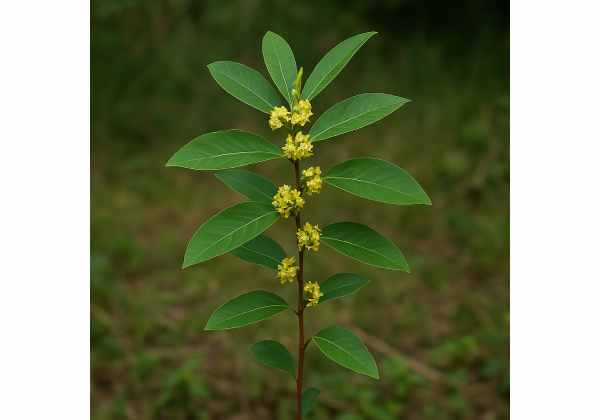
May Chang, botanically known as Litsea cubeba, is a fragrant small tree or shrub native to East and Southeast Asia, where its fruit, leaves,...
Matico: Skin Support, Antimicrobial Potential, and Safe Herbal Use
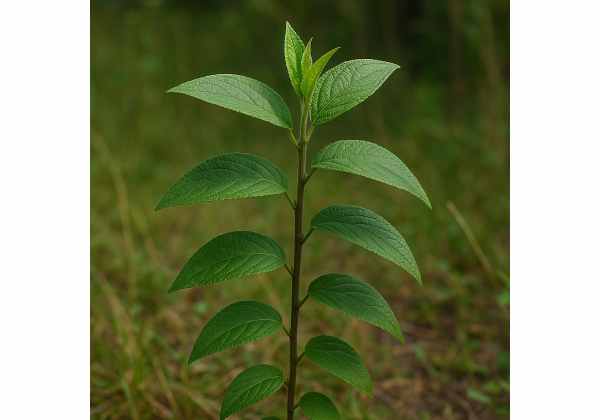
Matico, usually identified in this context as Piper aduncum, is a tropical medicinal shrub from the pepper family that has earned a long-standing place...
Mate Tea Benefits, Active Ingredients, Daily Use, and Safety Guide
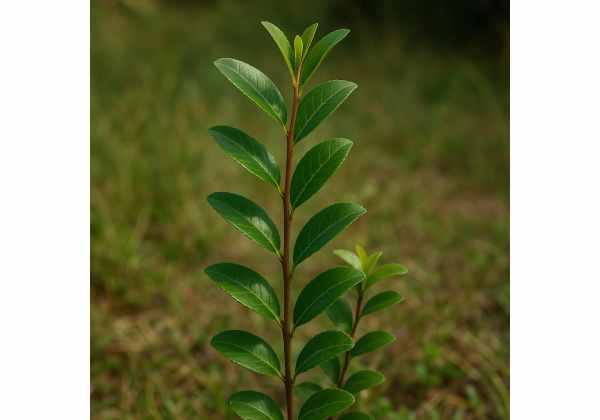
Mate, more fully known as yerba mate, is a traditional South American infusion made from the leaves and stems of Ilex paraguariensis. For many...
Mastic (Pistacia lentiscus) for Dyspepsia, Gum Health, and Gentle Topical Care
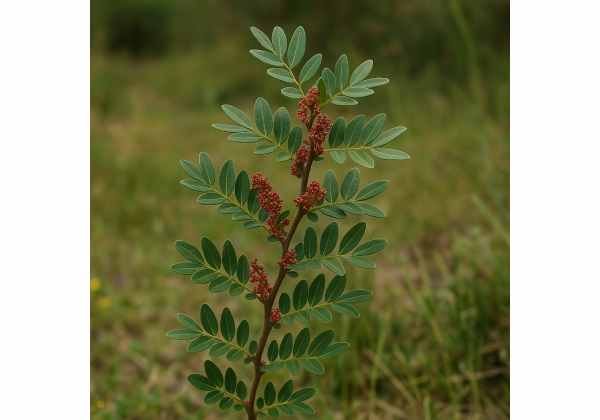
Mastic is the aromatic resin obtained from Pistacia lentiscus, an evergreen shrub of the Mediterranean. For centuries, it has been chewed like gum, dissolved...
Marshmallow Root Benefits for Cough, Digestion, Dosage, and Safety
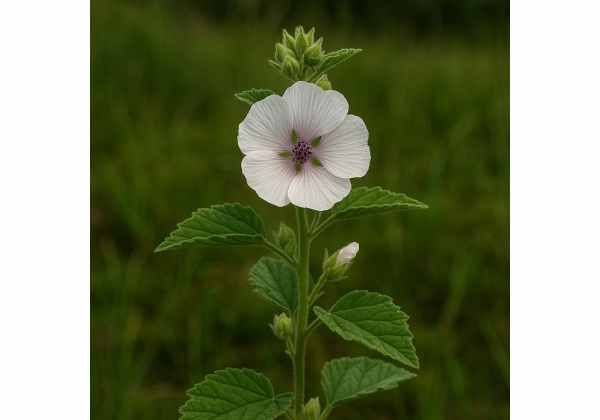
Marshmallow is a soft, pale-flowered herb whose medicinal reputation comes mainly from its roots, though the leaves also have a long history of use....
Marjoram Tea Benefits, Digestive Support, and Safe Herbal Use
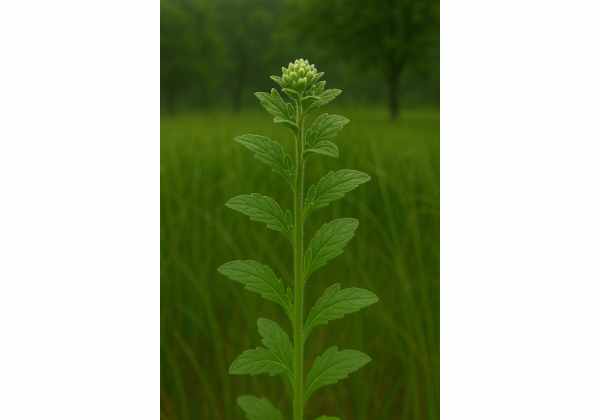
Marjoram is one of those herbs that moves easily between kitchen and medicine chest. Known botanically as Origanum majorana, it belongs to the mint...
Marigold skin benefits, wound support, medicinal uses, and safe dosing
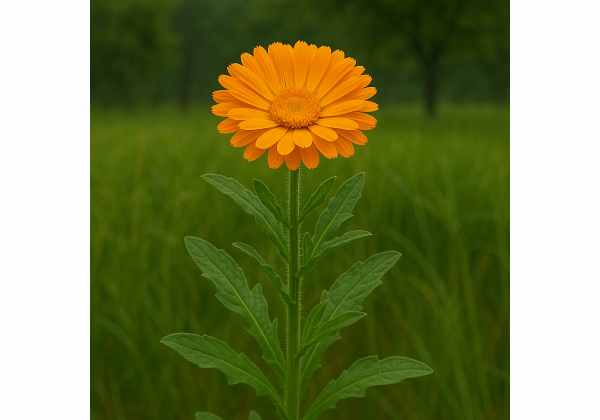
Marigold, more precisely Calendula officinalis, is one of those herbs that feels both familiar and quietly impressive. Its bright orange and yellow flowers have...
Maral Root: Adaptogenic Benefits, Key Ingredients, and Evidence-Based Uses
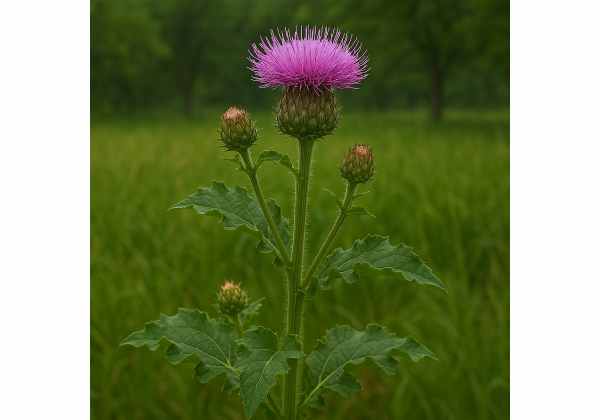
Maral root is a Siberian adaptogenic herb best known botanically as Rhaponticum carthamoides, and sometimes as Leuzea carthamoides. The wording in its common name...
Manzanita for Urinary Support, Astringent Uses, Dosage, and Safety
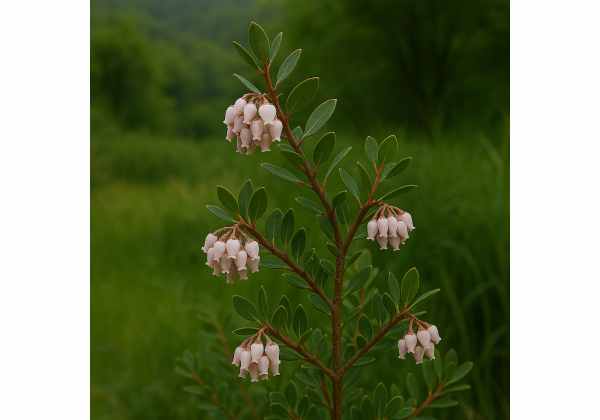
Manzanita refers to a broad group of evergreen shrubs and small trees in the genus Arctostaphylos, most of them native to western North America....
Manuka (Leptospermum scoparium) Key Ingredients, Benefits, and Practical Applications
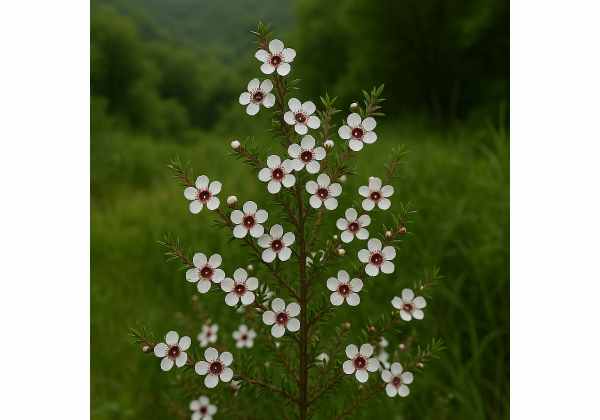
Manuka, or Leptospermum scoparium, is a flowering shrub native to New Zealand and parts of Australia, where it has long been valued for practical...
Manna Grass and Glyceria maxima Benefits, Traditional Uses, and Safety
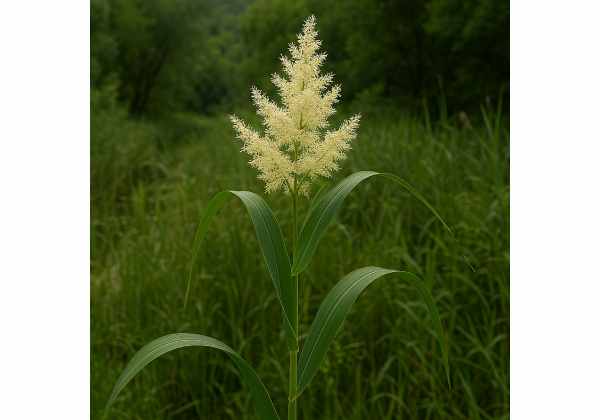
Manna grass is a wetland grass with a surprisingly layered story. Botanically known as Glyceria maxima, it is better known to ecologists, foragers, and...
Manjistha Uses for Skin, Joints, Circulation, and Safe Daily Use
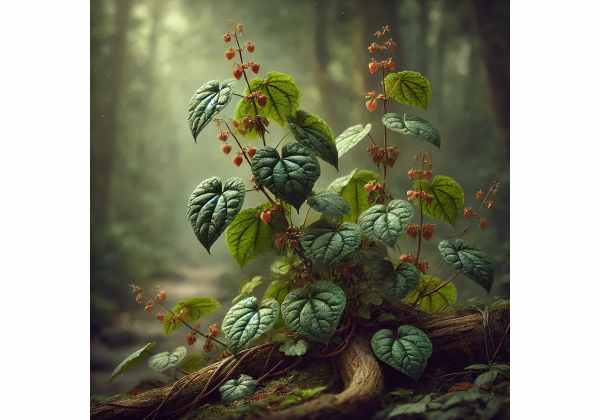
Manjistha, the deep red root of Rubia cordifolia, holds a distinctive place in Ayurvedic and broader Asian herbal medicine. It is best known as...
Mangosteen antioxidant benefits, active compounds, dosage, and precautions

Mangosteen is a tropical fruit long prized for its sweet white flesh and thick purple rind, but its modern health reputation comes mostly from...
Mandrake: Traditional Uses, Key Ingredients, and Toxicity Guide
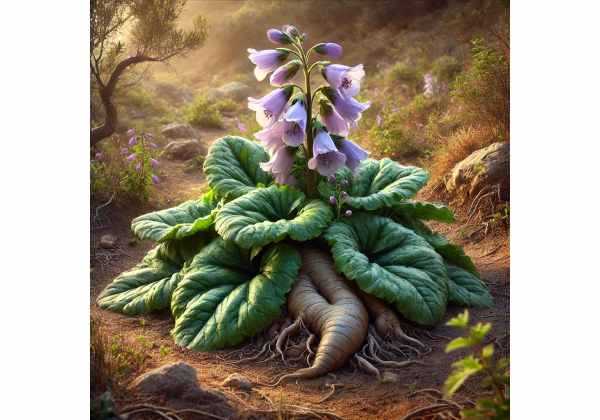
Mandrake is one of the most famous medicinal plants in European and Mediterranean history, but it is also one of the easiest to misunderstand....
Mallow for Throat, Digestion, Skin Comfort, and Proper Dosage
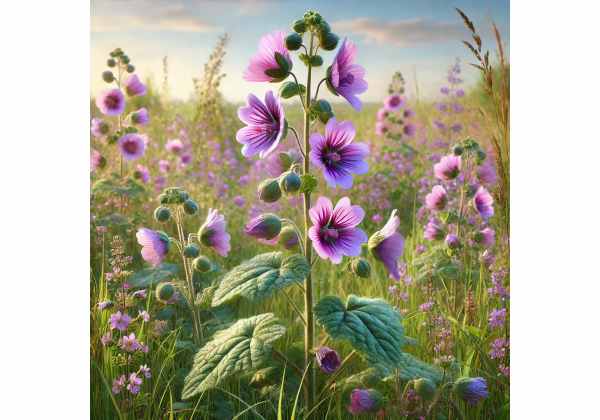
Mallow is one of those herbs that feels gentle from the first cup. Best known in modern herbal practice as Malva sylvestris or common...
Malabar Spinach (Basella alba, Basella rubra) benefits, nutrition, uses, and dosage

Malabar spinach is not a true spinach, but it earns its place in the kitchen and the garden just as easily. Known botanically as...