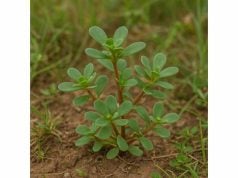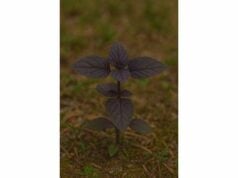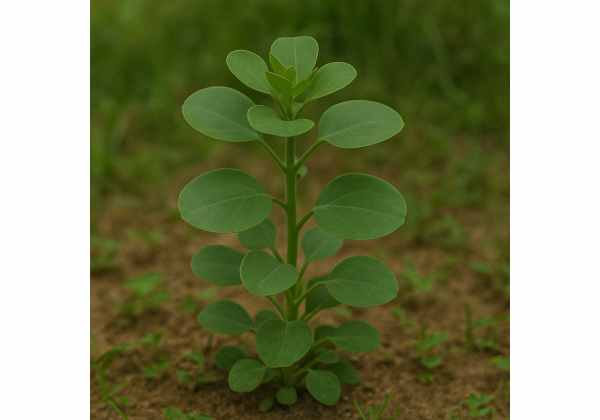
Papalo, also called Porophyllum ruderale or papaloquelite, is a bold, aromatic herb used in Mexican and broader Latin American food traditions. Its flavor is often described as more intense than cilantro, with citrusy, green, resinous, and slightly peppery notes. In the kitchen, it is valued as a finishing herb for tacos, cemitas, beans, salsa, and fresh dishes where a few leaves can change the whole character of a meal. In traditional medicine, papalo has also been used for digestive complaints, inflammatory conditions, and certain kidney-related concerns.
What makes papalo especially interesting is the way its culinary role overlaps with its phytochemistry. The plant contains volatile compounds, phenolic acids, and flavonoids that help explain its strong aroma and the growing scientific interest around its antioxidant and anti-inflammatory potential. At the same time, the evidence is still developing. Most promising findings come from laboratory or animal research, not from large human trials. That means papalo is best understood as a flavorful edible herb with traditional medicinal importance and emerging, but not yet definitive, evidence for broader health effects.
Core Points
- Papalo may offer antioxidant support because it contains phenolic compounds and other bioactive plant chemicals.
- Traditional use and early research suggest digestive and anti-inflammatory potential, but strong human evidence is still limited.
- A practical food amount is about 5 to 15 g of fresh leaves per meal, starting low because the flavor is strong.
- People with Asteraceae allergy, pregnancy, breastfeeding, or plans to use concentrated extracts should avoid self-treatment.
Table of Contents
- What papalo is and how it differs from similar herbs
- Key ingredients and bioactive compounds in papalo
- Traditional benefits and medicinal uses of papalo
- What modern research suggests about papalo benefits
- Culinary uses and how to prepare papalo well
- Dosage, timing, and practical serving guidance
- Safety, side effects, interactions, and who should avoid it
What papalo is and how it differs from similar herbs
Papalo is an annual herb in the Asteraceae family, not the parsley family. That botanical detail matters because many people first encounter papalo as a substitute for cilantro and assume the two plants are closely related. They are not. Papalo belongs to a different plant family and has a different chemical profile, even though its fresh, green pungency makes it useful in some of the same dishes.
The herb is native to the Americas and has a long history as both a food plant and a traditional remedy. In Mexico, papalo is part of the broader group of edible wild and semi-cultivated plants known as quelites. These are not minor garnish plants in their original food cultures. They are meaningful ingredients with seasonal, regional, and household importance. Papalo stands out among them because its flavor is unusually forceful. One or two leaves can be enough for a taco, sandwich, or bean dish.
Its aroma is often described with a mix of cilantro, arugula, rue, and citrus peel, though that still does not fully capture it. Younger leaves tend to be milder. Larger mature leaves are stronger and can taste almost perfumed or resinous. That is one reason papalo is usually added at the end rather than simmered for a long time. Heat can flatten some of the bright aromatic character that makes the herb distinctive.
Papalo is also different from more familiar fresh herbs in the way people respond to it. Cilantro divides opinion because some people perceive it as soapy. Papalo divides opinion because it can be overwhelmingly intense if used like lettuce or parsley. Readers who like the brightness of cilantro’s culinary and health profile should think of papalo as a much stronger cousin in flavor function, not in plant identity.
From a health perspective, papalo occupies an interesting middle ground. It is not just an ornamental or obscure wild leaf. It is a recognized edible herb with traditional medicinal uses and a growing phytochemical research base. But it is also not a clinically established medicinal herb in the way that ginger, peppermint, or chamomile are. That means the smartest way to approach papalo is as a traditional food herb with promising compounds and emerging health relevance, rather than as a proven natural treatment.
This balance is important because it keeps expectations realistic. Papalo can enrich meals, support dietary diversity, and provide bioactive plant compounds. What it cannot yet do is claim a firm, standardized medical role based on robust human trials. Understanding that distinction makes the rest of the discussion clearer.
Key ingredients and bioactive compounds in papalo
Papalo’s “key ingredients” are best understood as a combination of volatile aroma compounds and non-volatile phenolic compounds. Together, these help explain why the herb smells so strong, tastes so distinctive, and shows biologic activity in early research. Unlike a standardized supplement with one headline active ingredient, papalo works as a whole plant matrix.
One major area of interest is its volatile profile. Research on edible aerial parts shows that papalo is rich in monoterpenoids, a class of small aromatic molecules that often contribute herbal, resinous, citrusy, and fresh notes. These volatile compounds are part of why papalo is used raw or nearly raw in food. They also help explain why the plant has drawn attention in pharmacologic and phytochemical studies. Aroma is not just a sensory detail. In many herbs, it points to biologically active chemistry.
Papalo also contains phenolic compounds, including phenolic acids and flavonoids. Studies have identified caffeic acid derivatives and other polyphenols that appear relevant to the plant’s antioxidant and anti-inflammatory effects in experimental settings. Some work has isolated major phenolics and linked them to reduced inflammatory signaling in vitro. That does not prove the same effect will happen in people after a meal, but it gives papalo a more credible scientific foundation than herbs discussed only in folklore.
Additional compounds reported in papalo extracts include chlorogenic acid, ferulic acid, quercetin-related compounds, kaempferol glycosides, rutin, and other polyphenol-rich fractions, depending on the preparation and study design. These compounds are commonly studied in nutrition science because they may help modulate oxidative stress, inflammatory pathways, or cellular signaling. The exact concentration in papalo can vary widely by growing region, harvest timing, and plant handling.
That variability is important. Papalo is not a lab-purified ingredient. A leaf grown in one place can differ meaningfully from a leaf grown elsewhere. The same plant collected from different areas has shown different phenolic and antioxidant values. This means papalo should be thought of as a variable fresh herb rather than a tightly controlled medicinal product.
In practical terms, readers can take away four points:
- papalo is chemically active, not just flavorful
- its strongest known compounds include volatile terpenoid-type molecules and polyphenols
- its chemistry may support antioxidant and anti-inflammatory potential
- its composition is not standardized enough to support precise medical dosing
For people interested in how culinary herbs can overlap with medicinal chemistry, papalo is a strong example. It behaves like a food plant in the kitchen, but its phytochemistry helps explain why traditional medicine paid attention to it. It also explains why scientists continue to study it as more than a garnish.
Traditional benefits and medicinal uses of papalo
Papalo’s traditional uses are broader than its culinary fame. In regional herbal practice, Porophyllum ruderale and related Porophyllum plants have been used for intestinal complaints, kidney-related concerns, inflammatory problems, parasitic infections, and general pain or swelling. Traditional Mexican use also places papalo among useful household herbs that are both edible and medicinal, which is a common pattern in long-lived food cultures. Plants that are easy to grow, strongly aromatic, and frequently eaten often become part of home remedy traditions as well.
One of the most consistent traditional themes is digestive support. Papalo has been used as a fresh herb with meals and in contexts where appetite, stomach comfort, or intestinal balance matter. The strong aroma and bitter-green edge of the plant make that role understandable. Many traditional digestive herbs stimulate salivation and gastric readiness simply through flavor intensity. That is not the same as a clinically proven anti-bloating treatment, but it is one plausible reason the herb stayed in culinary use.
A second theme is anti-inflammatory or pain-related use. In folk medicine, papalo has been associated with swollen lymph nodes, sore tissues, and inflammatory discomfort. This does not mean people should treat it as a substitute for medical care. It does mean that long before modern phytochemical analysis, traditional users saw the plant as more than a seasoning.
There are also reports of antiparasitic, antibacterial, and antifungal uses across the broader Porophyllum tradition. Ethnobotanical records often group these uses under “intestinal cleansing” or broader household herb practice. In today’s language, that history suggests possible antimicrobial interest, but not a reason to self-treat infections with papalo.
Because papalo is eaten fresh, its traditional role is especially interesting. Many medicinal herbs are harsh, bitter, or otherwise difficult to incorporate into daily meals. Papalo is different. It is both food and remedy, which may have helped preserve its cultural relevance. In that sense, it resembles herbs such as epazote in traditional Mexican cooking and household herbal use, where culinary and folk-medicinal roles overlap.
Still, traditional use should be interpreted with care. Folk medicine provides direction, not final proof. A plant may have been used for centuries and still lack standardized dosage, formal safety studies, or reliable clinical outcomes. Papalo fits that pattern. Its history is meaningful and worth respecting, but it does not automatically justify broad medical claims.
The strongest and most balanced conclusion is that papalo has a real medicinal tradition, especially in digestive, inflammatory, and intestinal contexts. That tradition deserves attention. It also needs to be separated from modern evidence, which is promising but still incomplete.
What modern research suggests about papalo benefits
Modern research gives papalo more credibility than many little-known herbs, but it still falls short of proving clear clinical benefits in humans. Most of the evidence comes from phytochemical analyses, laboratory assays, and animal studies. That makes the findings useful, but preliminary.
The most consistent modern theme is antioxidant potential. Papalo samples from different growing areas have shown substantial phenolic content and measurable antioxidant activity. This supports the idea that papalo is more than a flavoring leaf. It contains plant compounds capable of interacting with oxidative processes in test systems. That matters because antioxidant-rich herbs can contribute to the protective quality of a plant-forward diet, even if they are not miracle remedies.
Anti-inflammatory potential is another strong area of interest. In vitro work has shown that phenolic compounds from papalo extracts can influence inflammatory signaling, including pathways involving cytokine release. This lines up with the herb’s traditional inflammatory uses and gives those older claims more plausibility. Still, “anti-inflammatory in vitro” is not the same as “reduces joint pain in people” or “treats chronic inflammation.” That jump requires clinical trials, and those remain limited.
Animal research has also raised interest in papalo for kidney and blood glucose support. In experimental models, hydroalcoholic extracts have shown nephroprotective effects and hypoglycemic effects. These findings are promising, especially because identified compounds such as chlorogenic acid, ferulic acid, and flavonoid glycosides already have biologic relevance in nutrition science. But the key limitation is obvious: animals given concentrated extracts are not the same as people eating fresh leaves in tacos or salads.
There is also emerging work on antiproliferative and antiprotozoal effects in vitro. These studies are scientifically interesting because they show papalo’s chemistry is active across multiple models. They do not mean papalo should be presented as an anticancer or anti-parasitic treatment. At most, they suggest directions for future research.
For readers looking for practical meaning, the evidence can be summarized like this:
- papalo has real bioactive compounds
- its antioxidant and anti-inflammatory activity is supported in lab research
- its kidney- and glucose-related effects are promising in animal models
- human clinical evidence is still too limited for firm therapeutic claims
That last point should guide the tone of any health article on papalo. It is reasonable to describe papalo as a nutrient-dense, phytochemically interesting edible herb with promising research. It is not responsible to describe it as a proven remedy for diabetes, kidney disease, infection, or chronic inflammatory illness. For digestive symptom relief, herbs such as peppermint for digestive comfort currently have a much stronger evidence base.
Papalo deserves interest, but it also deserves precision. The science is encouraging enough to take seriously and still too early to oversell.
Culinary uses and how to prepare papalo well
Papalo is most successful when people treat it like a finishing herb, not a bulk leafy green. Its flavor is assertive, and that is part of its appeal. Used well, it brings brightness, depth, and lift to rich or starchy foods. Used carelessly, it can dominate a whole plate.
Fresh papalo is traditionally paired with foods that benefit from contrast. It works especially well with beans, avocado, grilled meat, eggs, salsa, tortas, tacos, and cemitas. Its penetrating aroma cuts through fattiness and heaviness in a way that makes a meal feel fresher. This helps explain why papalo is often added near the very end or served raw at the table.
A good rule for beginners is to tear rather than finely mince the leaves. Small pieces release a lot of aroma and can become overpowering. Larger ribbons or torn fragments create a gentler effect. Another useful strategy is to combine papalo with neutral or cooling foods such as tomato, onion, cucumber, beans, fresh cheese, or avocado. These ingredients make the herb feel integrated rather than aggressive.
Papalo is not always the best substitute for cilantro, even though it is often described that way. If a recipe depends on cilantro’s soft, citrusy freshness, papalo may feel too bold. But if the dish needs aromatic lift and green sharpness, papalo can be excellent. It works best when the cook wants personality, not just a general leafy accent. Readers who enjoy the layered kitchen role of coriander as both herb and seed spice may appreciate papalo’s similarly distinctive identity.
Practical ways to use it include:
- adding one or two torn leaves to tacos or sandwiches
- folding it into chopped salsa just before serving
- scattering it over black beans or pinto beans
- combining it with lime, onion, and tomato in a simple salad
- tucking it into tortas, cemitas, or egg dishes
Because papalo is most often used fresh, storage matters. Wrap unwashed leaves loosely, keep them cool, and use them quickly. Older leaves tend to become more intense and less balanced. If the herb seems too strong, pairing it with acid such as lime juice can help.
From a health perspective, culinary use is the most grounded way to approach papalo. Food-level intake gives access to the plant’s aroma compounds and phenolics without turning it into an untested medicinal regimen. That may be the best real-world use of papalo for most people: regular, modest, flavorful inclusion in meals rather than concentrated herbal experimentation.
Dosage, timing, and practical serving guidance
Papalo does not have a standardized medicinal dose supported by human clinical research. That is the most important fact in any dosage discussion. There is no accepted capsule strength, no clinically established tea dose, and no validated schedule for using papalo as a treatment. Because of that, the most responsible guidance separates culinary use from medicinal use.
For food use, a practical starting amount is about 5 to 15 g of fresh leaves per meal. In everyday kitchen terms, that usually means roughly 1 to 3 larger leaves or a small loose handful of torn smaller leaves, depending on the plant’s intensity. Beginners often do better starting below that range, because papalo’s aroma can feel stronger than expected. Once you know your tolerance, you can increase the amount gradually.
Timing matters mostly for sensory and digestive reasons. Papalo is best used with or immediately before meals, not on an empty stomach as a “dose.” Its flavor profile is designed by culture and chemistry to sit inside food. When used this way, it is easier to tolerate and more likely to enhance appetite, salivation, and meal satisfaction. That is very different from taking a concentrated extract for a disease target.
There is much less guidance for dried papalo, powders, tinctures, or extracts. These are not the customary form for most people, and they do not have clear evidence-based dosing rules. Concentrated extracts used in animal or laboratory research should not be treated as equivalent to a few fresh leaves in food. That is a crucial distinction. The effect of a hydroalcoholic extract in a research model cannot be converted into a home kitchen dose with confidence.
For readers who want a cautious, practical approach, this works well:
- Start with 1 small leaf in a meal.
- Evaluate flavor tolerance and digestive comfort.
- Increase to 2 or 3 leaves if the herb suits you.
- Use it a few times per week as a food, not as a treatment.
- Avoid improvising medicinal doses from research extracts.
This section is also where expectations need to stay grounded. Papalo is not a more-is-better herb. If someone wants a milder fresh herb for frequent generous use, parsley as a daily green herb is often easier to use liberally. Papalo’s strength is concentration of flavor, not high-volume leaf consumption.
So what is the best dosage answer? For culinary use, small fresh portions are sensible and traditional. For medicinal use, there is no established evidence-based dose. That gap is not a flaw in the plant. It is simply a sign that papalo still belongs more to the kitchen and the ethnobotanical record than to standardized self-medication.
Safety, side effects, interactions, and who should avoid it
Papalo is generally approached most safely as a fresh food herb used in moderate amounts. In that context, many healthy adults are likely to tolerate it well. Even so, “edible” is not the same as “risk-free,” especially when a plant has active volatile compounds and a limited human safety literature.
The most immediate side effect is sensory overload. Papalo can cause nausea, aversion, or stomach discomfort if used too heavily, especially by people who are not used to its aroma. This is not necessarily toxicity. It is often a dose-and-tolerance problem. Starting low solves much of it.
Allergy is another important consideration. Papalo belongs to the Asteraceae family, which includes ragweed, chamomile, marigold, and many other plants associated with cross-reactive sensitivity in some people. Anyone with known Asteraceae allergy should be cautious with first use. It makes sense to try a very small amount of fresh leaf rather than a full serving. Mouth itching, rash, swelling, wheeze, or worsening allergy symptoms are clear stop signals.
Pregnancy and breastfeeding deserve special caution. Papalo is a traditional edible herb, but that does not equal proven safety for concentrated medicinal use during pregnancy or lactation. Because human safety data are sparse, it is wiser to avoid medicinal use and stay conservative even with food-level use unless a clinician who knows the case says otherwise.
Potential interactions are not well defined in humans, but a cautious inference is reasonable. Because animal and laboratory research suggests anti-inflammatory, hypoglycemic, and kidney-related activity, concentrated papalo extracts could theoretically matter for people using diabetes medicines, diuretics, blood pressure medicines, or other treatments affected by fluid balance or glucose regulation. This is not proof of a known interaction. It is a reason not to experiment casually.
People who should be especially careful or avoid self-treatment include:
- anyone with Asteraceae allergy
- pregnant or breastfeeding individuals
- children using papalo as medicine rather than food
- people with chronic kidney disease or diabetes who want to try extracts
- anyone taking multiple prescription medicines
- people planning to replace medical care with herbal self-treatment
The safest summary is simple. Fresh papalo in ordinary meal-sized amounts is very different from papalo as a concentrated remedy. The first may fit comfortably into food culture. The second still lacks enough human evidence to be used confidently. If someone wants a more established herbal framework for safety and dose, articles such as dandelion safety and practical use guidance show how much more structured the evidence can be for better-studied plants.
Papalo is best respected, not overused. Its flavor, tradition, and chemistry all deserve a place in the conversation. That does not mean every form of the plant is automatically safe for everyone.
References
- Porophyllum Genus Compounds and Pharmacological Activities: A Review 2021 (Review)
- Comparison of Phenolic Compounds and Evaluation of Antioxidant Properties of Porophyllum ruderale (Jacq.) Cass (Asteraceae) from Different Geographical Areas of Queretaro (Mexico) 2023
- Nutritional Composition, Bioactive Compounds, and Volatiles Profile Characterization of Two Edible Undervalued Plants: Portulaca oleracea L. and Porophyllum ruderale (Jacq.) Cass 2022
- The contribution of phenolics to the anti-inflammatory potential of the extract from Bolivian coriander (Porophyllum ruderale subsp. ruderale) 2022
- Hypoglycemic Activity of the Hydroalcoholic Extract of Porophyllum ruderale in CD1 Mice 2025
Disclaimer
This article is for educational purposes only and is not medical advice. Papalo is a traditional edible herb with promising laboratory and animal research, but it does not have well-established human dosing standards or proven clinical indications for self-treatment. Do not use papalo as a substitute for diagnosis, prescribed treatment, or urgent medical care. If you are pregnant, breastfeeding, managing a chronic condition, or taking prescription medicines, speak with a qualified healthcare professional before using papalo beyond normal food amounts.
If this guide helped you, please share it on Facebook, X, or any platform you prefer so more readers can discover it.