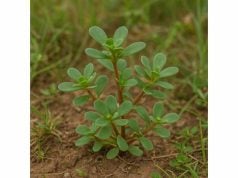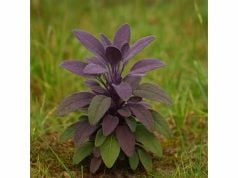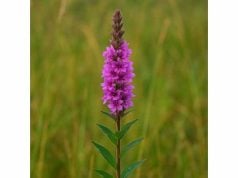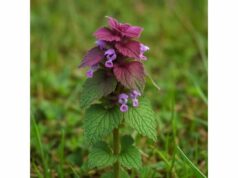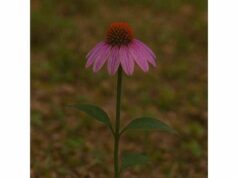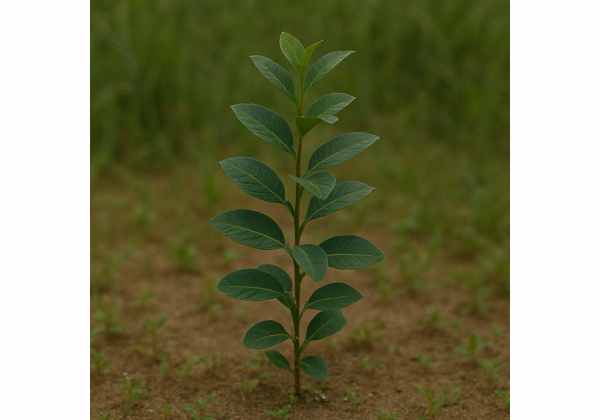
Paraguay tea, better known globally as yerba mate, is a traditional South American infusion made from the leaves and small stems of Ilex paraguariensis. It has long been valued not only as a daily social drink, but also as a functional herb used for wakefulness, stamina, digestion, and general resilience. What makes it especially interesting is that it sits somewhere between tea, coffee, and a medicinal botanical: it provides caffeine and theobromine for mental alertness, while also delivering chlorogenic acids, flavonoids, and saponins linked with antioxidant and anti-inflammatory activity.
Modern research gives Paraguay tea a stronger scientific footing than many traditional herbs, especially for energy, cardiometabolic support, and oxidative balance. Even so, the evidence is not equally strong for every claim. Some benefits are well supported, some are promising but still modest, and a few popular claims remain overextended. The most useful way to approach yerba mate is as a stimulating, polyphenol-rich herbal beverage with practical advantages and real limits. Its value depends on how it is prepared, how much is used, and whether safety issues such as caffeine sensitivity and very hot drinking are taken seriously.
Quick Overview
- Paraguay tea can improve alertness and perceived energy because it naturally contains caffeine and theobromine.
- Regular intake may modestly support blood pressure, inflammatory markers, and cardiometabolic health in some adults.
- A practical daily range is about 1 to 3 servings, or roughly 300 to 900 mL total, adjusted for total caffeine intake from all sources.
- Very hot mate is not a wise habit; letting it cool before drinking is an important safety step.
- Pregnant people, those with caffeine-sensitive anxiety or palpitations, and people with poorly controlled reflux should limit or avoid regular use.
Table of Contents
- What Paraguay tea is and why it matters
- Key ingredients and medicinal properties
- Paraguay tea benefits for energy, focus, and exercise
- What the research says about metabolism, heart health, and inflammation
- How to use Paraguay tea in daily life
- Dosage, caffeine load, and best timing
- Safety, side effects, interactions, and who should avoid it
What Paraguay tea is and why it matters
Paraguay tea comes from Ilex paraguariensis, an evergreen tree native to Paraguay, Argentina, Brazil, and Uruguay. The leaves and young stems are harvested, dried, aged, and prepared in several traditional forms. Hot mate is often sipped from a gourd through a metal straw, mate cocido is brewed more like a conventional tea, chimarrão is the greener, fresher Brazilian style, and tereré is the cold-infused version that is especially popular in warm climates.
Part of the herb’s appeal is cultural. Mate is rarely just a beverage in its countries of origin. It is tied to routine, conversation, hospitality, work, and outdoor life. That social setting matters because it helps explain why Paraguay tea has persisted for centuries. A plant usually does not become so deeply integrated into daily life unless it reliably offers something people can feel, and in this case that “something” is usually clearer wakefulness, reduced fatigue, and a sense of sustained energy that many people find smoother than coffee.
From a herbal-medicine perspective, Paraguay tea is also unusual because it has both stimulant and protective qualities. It is stimulating because of its methylxanthines, especially caffeine. At the same time, it contains a rich mix of polyphenols and saponins that give it antioxidant, anti-inflammatory, and possibly mild lipid-lowering effects. That combination is why it is often described as more than a simple caffeine drink.
It is also important to separate traditional value from exaggerated marketing. Paraguay tea is not a cure-all. It is not proven to treat obesity, diabetes, depression, or heart disease on its own. But it does have enough human research behind it to justify practical discussion of benefits, dosage, and safety in a more serious way than many lesser-known herbs.
One more point matters for searchers who are new to the herb: Paraguay tea and yerba mate are the same plant. “Paraguay tea” is an older or less common English label, while “yerba mate” is the name most used in commerce and research. Knowing that helps people find the right products, the right studies, and the right safety information. It also prevents confusion with other caffeinated botanicals that are often marketed in similar ways.
Key ingredients and medicinal properties
The chemistry of Paraguay tea explains why it feels both invigorating and medicinal. Its best-known active compounds fall into four broad groups: methylxanthines, phenolic acids, flavonoids, and saponins. Each group contributes to the herb’s overall profile, and the combination seems more important than any single molecule alone.
The stimulant side comes mainly from caffeine, with support from theobromine and small amounts of theophylline. These compounds act on the central nervous system, especially by blocking adenosine signaling, which is one reason mate can reduce tiredness and increase alertness. Caffeine is the dominant player, but theobromine may contribute to the more gradual, less abrupt feel that many habitual drinkers report. In practice, this means Paraguay tea can function as a mental-performance beverage, though its effects still depend heavily on brewing method, leaf load, and refill style.
The second major group is the phenolic fraction, especially chlorogenic acids and related caffeoylquinic acids. These compounds are among the main reasons the herb is discussed for antioxidant and metabolic effects. They help explain why Paraguay tea is often compared with polyphenol-rich drinks such as green tea, even though the two plants are chemically distinct. Some people already know chlorogenic acids from coffee and specialized supplement discussions, but mate delivers them in a broader botanical matrix that includes other supportive compounds such as rutin and quercetin derivatives. For readers interested in that compound family specifically, chlorogenic acid is one of the most relevant bioactives associated with yerba mate’s metabolic reputation.
Flavonoids add further antioxidant and vascular support. They are not the reason people feel immediate stimulation, but they likely contribute to longer-term physiological effects related to oxidative balance and inflammatory signaling. The evidence here is promising, especially for biomarker changes, even if it is not yet strong enough to support aggressive clinical claims.
Saponins are the fourth important group. In Paraguay tea they are mainly triterpene saponins, and they are often mentioned in discussions of cholesterol modulation, anti-inflammatory action, and the characteristic foam seen in some traditional preparations. They probably contribute to the herb’s “functional beverage” reputation more than to its sensory identity, although they may slightly affect taste and mouthfeel.
These compounds together give Paraguay tea a practical set of medicinal properties:
- Neurostimulant and anti-fatigue.
- Antioxidant and redox-supportive.
- Mildly anti-inflammatory.
- Potentially hypolipidemic and cardiometabolic-supportive.
- Possibly appetite-modulating in some contexts.
What they do not justify is magical thinking. The chemistry is impressive, but Paraguay tea is still a beverage herb, not a pharmaceutical. Its strength lies in steady, repeatable support rather than dramatic therapeutic effects.
Paraguay tea benefits for energy, focus, and exercise
The most immediate and dependable benefit of Paraguay tea is improved alertness. This is the area where user experience, traditional use, and modern science line up most clearly. Because it contains caffeine, mate can reduce the feeling of fatigue, improve vigilance, and help people feel mentally “switched on” without needing an especially large volume.
What makes the experience distinctive is that many drinkers find it steadier than coffee. That is partly subjective, but it makes physiological sense. Paraguay tea delivers caffeine alongside theobromine and polyphenols, and it is often consumed slowly over repeated pours rather than in one fast serving. That pattern can create a more gradual stimulant curve. It is not a fundamentally different kind of stimulant, but the delivery style matters. Anyone who feels overdriven by coffee sometimes finds mate easier to tolerate, though people with strong caffeine sensitivity may still react badly.
Focus and task endurance are also plausible benefits. Paraguay tea is well suited to mentally repetitive work, study, driving, and long conversational settings because it enhances wakefulness without necessarily feeling as heavy as a large coffee drink. That is one reason it has developed such a strong daily-use culture. In modern wellness language, it sits near the same functional niche as coffee, but with a different flavor, ritual, and polyphenol profile.
Exercise-related benefits are more modest but still relevant. Systematic reviews suggest that yerba mate may help with body composition, appetite control, exercise performance, and perceived exertion in some settings, although the evidence is not equally strong across all outcomes. In plain language, it is reasonable to think of Paraguay tea as a useful pre-activity beverage for some people, especially when the goal is alertness and readiness rather than maximal power output.
There is also an appetite angle. Some studies and user reports suggest mate may slightly reduce hunger or help people feel more controlled around food intake. This does not make it a proven weight-loss herb, but it may support a calorie-conscious routine in a gentle way. That effect is probably more useful as part of a broader dietary pattern than as a stand-alone strategy.
The best way to frame these benefits is by confidence level:
- High confidence: alertness, reduced tiredness, stimulant effect.
- Moderate confidence: support for focus, mild exercise usefulness, appetite moderation in some people.
- Lower confidence: meaningful long-term body composition change from mate alone.
So, if someone wants Paraguay tea mainly for energy and mental sharpness, that is a realistic expectation. If they want it to transform body fat, fix mood, or replace sleep, that is where expectations need to be reined in.
What the research says about metabolism, heart health, and inflammation
Beyond stimulation, the more interesting question is whether Paraguay tea does anything useful for long-term health. The current answer is yes, potentially, but the effects appear modest and context-dependent rather than dramatic.
Systematic review data suggest that yerba mate intake is associated with improvements in antioxidant and anti-inflammatory markers, along with possible benefits for metabolic control, body composition, and some cardiovascular outcomes. That sounds broad, and it is, but the important qualifier is that the certainty of evidence ranges from moderate to very low across different outcomes. In other words, the direction of benefit is promising, but not every claim carries equal weight.
The strongest current human signal is probably cardiometabolic support. A recent randomized crossover trial in nonhabitual consumers found that regular mate intake over eight weeks improved several inflammatory and blood-pressure-related measures and had some favorable lipid effects, particularly in healthier participants. That does not mean Paraguay tea works like a prescription drug for hypertension or cholesterol, but it does support the idea that it can be part of a heart-supportive beverage pattern.
Inflammation is another area where the herb looks credible. The polyphenol and saponin content gives Paraguay tea plausible anti-inflammatory activity, and human studies suggest that some inflammatory cytokines and oxidative stress markers may improve with regular intake. The practical implication is not that mate “treats inflammation” in the sweeping way supplement advertising often implies. Rather, it may contribute to a dietary environment that is less hostile to vascular and metabolic health.
Blood sugar and weight management claims require more care. Paraguay tea may modestly support glucose handling, appetite, and body-fat measures in some adults, but the evidence is too inconsistent to promise strong clinical change. This is where comparison with green tea is useful. Both beverages have real metabolic research behind them, yet neither should be marketed as a primary obesity or diabetes treatment.
A helpful practical summary looks like this:
- Likely useful as part of a healthier dietary pattern.
- Most promising for blood pressure, inflammatory tone, and general cardiometabolic support.
- Possibly helpful for appetite and body composition, but not reliably powerful.
- Best viewed as an adjunct, not a treatment.
That last point matters most. Paraguay tea works best in the same settings where many plant-based interventions work best: consistent use, sensible diet, adequate sleep, movement, and realistic expectations. It is the kind of herb that may help shift health markers in the right direction over time, but it does not excuse poor lifestyle basics.
How to use Paraguay tea in daily life
Paraguay tea is one of the easiest medicinal herbs to use because it already functions as a daily beverage. The real questions are not whether it can be used, but how to use it well and how to avoid the common mistakes that turn a beneficial ritual into an irritating one.
The first choice is format. Traditional loose mate offers the most authentic experience and often the greatest flexibility. Tea bags are simpler and cleaner. Ready-to-drink canned products are convenient but often bring added sugar, flavorings, or a much less predictable caffeine profile. For therapeutic use, loose or bagged unsweetened mate is usually the better option.
The second choice is preparation style:
- Hot mate or mate cocido for alertness, colder weather, and steady sipping.
- Tereré for warm climates, hydration, and a less harsh sensory profile.
- Occasional blended use when a person wants flavor variation without pushing caffeine too high.
A practical home method is simple. Use hot water that is warm but not freshly boiling. Many experienced drinkers prefer a range around 70 to 80°C because it protects flavor, reduces harshness, and avoids the habit of scalding the mouth. This is a genuine safety point, not just a taste preference. Repeated very hot drinking is one of the most important concerns in long-term mate use.
For daily life, Paraguay tea works best when matched to a purpose:
- Morning or early work hours for focus and motivation.
- Before mentally demanding tasks.
- Before light to moderate exercise if caffeine is helpful for you.
- Earlier in the day rather than late evening.
It can also be integrated more gently. Not everyone needs a full traditional gourd routine. A simple mug infusion is perfectly reasonable, especially for people using it as a functional alternative to coffee. Those who enjoy rotating beverages may also keep mate for active hours and switch to non-caffeinated infusions later in the day.
One mistake is using mate as a substitute for sleep, meals, or hydration. Another is assuming “natural” means unlimited. Paraguay tea is still a stimulant. Its usefulness comes from intelligent placement, not all-day indiscriminate sipping. When used deliberately, it can be one of the more practical herbs in everyday life because it blends cultural pleasure with real physiological effect.
Dosage, caffeine load, and best timing
Paraguay tea does not have one official medicinal dose, because its chemistry changes with preparation style, refill number, water temperature, steep time, and the amount of leaf used. That variability is part of the tradition, but it also means dosage should be treated as a practical range rather than a single fixed number.
For most adults, a sensible beverage pattern is about 1 to 3 servings daily, roughly 300 to 900 mL total, depending on strength and total caffeine from other drinks. This is a useful starting range because it matches the way many human studies and traditional routines are structured without pushing immediately into excessive intake.
For loose-leaf preparation, many people use about 3 to 5 g of leaf per cup-sized serving when brewing it in a simple tea style. Traditional gourd preparations often use much more dry leaf, but the drink is consumed in repeated small pours and the extraction changes over time. That is why one person’s “one serving” may contain far more or far less caffeine than another’s.
The safest way to think about dosage is to combine herb amount and stimulant awareness:
- Start low if you are new to mate.
- Keep it earlier in the day if sleep is fragile.
- Reduce the dose if you feel wired, shaky, sweaty, or irritable.
- Count coffee, energy drinks, and pre-workouts as part of the same caffeine load.
Timing matters nearly as much as amount. Morning and early afternoon are the easiest windows for most people. Using Paraguay tea close to bedtime is a common mistake, especially because repeated sips can feel lighter than a strong coffee even when total caffeine adds up. People who want a later warm beverage may do better with a caffeine-free option such as rooibos.
Duration also matters. Paraguay tea is realistic for regular long-term use when it is tolerated well and not consumed at damaging temperatures. It is less wise when used in high-volume cycles to chase appetite suppression or push through chronic fatigue. If the herb only works because it hides exhaustion, the real problem is not being solved.
A practical personal-dosing framework looks like this:
- Begin with one moderate serving in the morning.
- Hold that for several days and assess energy, mood, stomach comfort, and sleep.
- Add a second serving only if clearly useful.
- Keep late-day intake minimal or absent if sleep worsens.
That approach respects both the herb’s benefits and its stimulant limits.
Safety, side effects, interactions, and who should avoid it
Paraguay tea is generally well tolerated by many healthy adults, but it is not risk-free. Most problems come from one of three things: too much caffeine, drinking it too hot, or using it casually despite a health condition that makes stimulant exposure unwise.
The most common side effects are caffeine-related. These may include nervousness, restlessness, insomnia, palpitations, headache, stomach upset, reflux, and a jittery or “over-focused” feeling. Some people tolerate mate better than coffee, but others do not. The only reliable way to know is to start modestly and watch your response.
Temperature safety is a separate issue. One of the clearest long-term concerns around mate is very hot consumption. The main hazard appears to be thermal injury from repeatedly drinking very hot beverages rather than mate at moderate temperatures. That is why waiting for the drink to cool matters. It is a simple but important protection.
Who should be especially cautious or avoid regular medicinal use:
- Pregnant people, because caffeine exposure should be limited and total intake can be easy to underestimate.
- Breastfeeding people who notice infant irritability after caffeine.
- Children and adolescents using concentrated forms.
- People with panic disorder, uncontrolled anxiety, or strong caffeine sensitivity.
- People with arrhythmias, significant palpitations, or poorly controlled high blood pressure.
- Those with active reflux, gastritis, or a tendency toward stomach irritation.
- Heavy smokers or people with substantial alcohol intake, because long-term high exposure patterns are more concerning in that setting.
Paraguay tea may also interact indirectly with daily routines and medicines. It can worsen the effects of other stimulants, intensify sleep problems, and sometimes aggravate anxiety. Because it contains polyphenols, it may also reduce non-heme iron absorption when taken with iron-rich meals or iron supplements. That is especially relevant for people with low iron stores.
A few practical safety rules are worth keeping:
- Do not use mate as a “fatigue workaround” when you need medical evaluation.
- Do not drink it scalding hot.
- Do not stack it freely with energy drinks or stimulant supplements.
- Do not assume canned products are milder; some are stronger and sweeter than they appear.
Used carefully, Paraguay tea can be a valuable daily herb. Used aggressively, too hot, or in the wrong person, it can become a source of preventable problems. The safest relationship with mate is respectful, moderate, and temperature-aware.
References
- Physiological effects of yerba maté (Ilex paraguariensis): a systematic review 2023 (Systematic Review)
- Bioactive Compounds of Ilex paraguariensis: A Critical Update on Extraction, Gastrointestinal Stability, and Technological Applications 2025 (Review)
- Yerba Mate (Ilex paraguariensis St. Hill.) Tea May Have Cardiometabolic Beneficial Effects in Healthy and At-Risk Subjects: A Randomized, Controlled, Blind, Crossover Trial in Nonhabitual Consumers 2025 (RCT)
- Drinking Coffee, Mate, and Very Hot Beverages 2018 (IARC Monograph)
- Restricting caffeine intake during pregnancy 2023 (Guideline Summary)
Disclaimer
This article is for educational purposes only and is not a substitute for medical advice, diagnosis, or treatment. Paraguay tea is a caffeinated herbal beverage with meaningful physiological effects, so it may not be appropriate for everyone. Anyone who is pregnant or breastfeeding, has heart rhythm problems, anxiety disorders, reflux, iron deficiency, or uses stimulant-sensitive medications should speak with a qualified healthcare professional before using it regularly for health purposes. Seek medical care for persistent fatigue, chest symptoms, severe insomnia, or gastrointestinal pain rather than trying to manage those problems with caffeinated herbs.
If you found this article useful, please share it on Facebook, X, or any platform you prefer.