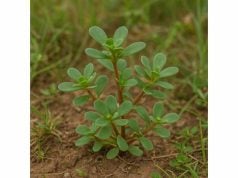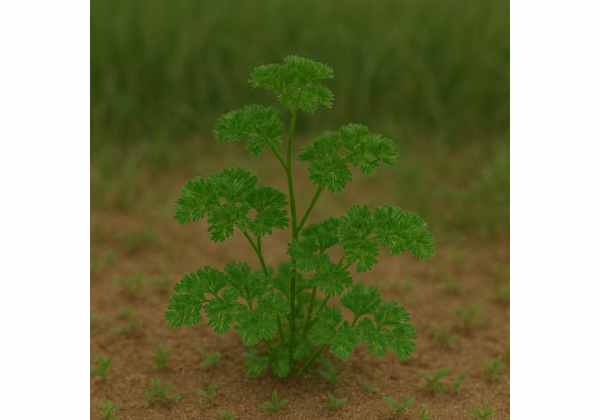
Parsley is one of those herbs people think they already know, yet it is far more than a plate garnish. Petroselinum crispum is a Mediterranean plant now used worldwide in salads, soups, sauces, herbal teas, and traditional home remedies. Its fresh leaves bring brightness to food, but its appeal goes deeper: parsley provides vitamin K, vitamin C, folate, carotenoids, and flavonoids such as apigenin and luteolin. These compounds help explain why parsley has long been associated with digestive comfort, urinary support, fresh breath, and general antioxidant protection.
What makes parsley especially useful is that it sits at the meeting point of food and herbal medicine. In normal culinary amounts, it is a nutrient-dense everyday herb. In stronger preparations such as juices, teas, seed products, and extracts, it begins to behave more like a concentrated botanical and deserves more caution. That distinction matters. The best-supported benefits come from parsley as a food and from early pharmacology research, while large human trials remain limited. Used thoughtfully, parsley can be a practical, flavorful, and genuinely supportive herb.
Essential Insights
- Parsley is a concentrated source of vitamin K and contributes vitamin C, folate, and antioxidant flavonoids.
- Its strongest real-world benefits come from regular food use, especially for nutrient quality and dietary variety.
- A practical adult intake is about 15 to 30 g fresh chopped leaves per day, or 1 to 2 cups of mild parsley tea.
- People taking warfarin, those who are pregnant, and anyone using parsley seed oil or concentrated extracts should be cautious.
Table of Contents
- What parsley is and why it matters
- Parsley key ingredients and nutrition profile
- Parsley health benefits and medicinal properties
- Traditional uses and modern practical applications
- How to use parsley in food, tea, and supplements
- Parsley dosage, timing, and reasonable intake ranges
- Safety, side effects, interactions, and who should avoid it
What parsley is and why it matters
Parsley is a biennial herb from the Apiaceae family, the same broad plant family that includes carrots, celery, fennel, and cilantro. Most people know two common culinary forms: curly parsley, which is springy and decorative, and flat-leaf parsley, which is usually stronger in flavor and more widely preferred for cooking. There is also parsley root, a related form grown more for the root than the leaf, especially in Central and Eastern European cuisine.
At a glance, parsley seems modest. It is light, green, inexpensive, and used in small amounts. Yet this herb punches above its weight nutritionally. Because the leaves are dense in micronutrients and phytochemicals, even a small handful can meaningfully improve the quality of a meal. It brings freshness, bitterness, aroma, and color, but it also contributes vitamin K, vitamin C, folate, and plant compounds that are being studied for anti-inflammatory and antioxidant activity.
Parsley also matters because it bridges culinary and medicinal traditions. In many households, parsley leaf tea has been used for urinary comfort or as a light digestive herb. In traditional systems, parsley has been associated with diuretic, carminative, and emmenagogue effects. Modern research does not confirm every traditional claim equally well, but it does show that parsley contains biologically active compounds with plausible effects on oxidative stress, inflammation, and kidney-related pathways in experimental settings.
That said, parsley should not be romanticized. It is not a cure-all, and it is not equally safe in every form. Fresh leaves used in food are very different from parsley seed extracts or essential oil. The leaves are generally a food-first herb. The seeds and oils are more concentrated and carry more risk, especially in pregnancy or in people experimenting with large doses.
A useful way to think about parsley is this: it is a high-value culinary herb with supportive medicinal potential. Its strongest evidence lies in helping people eat better, diversify plant intake, and add meaningful micronutrients to everyday meals. Its more ambitious medicinal reputation still rests largely on preclinical work and traditional use rather than robust clinical trial data.
That balanced view helps set realistic expectations. If someone uses parsley regularly in cooking, sauces, soups, or salads, the likely gain is subtle but real: better nutrient density, more dietary variety, and exposure to helpful flavonoids and carotenoids. If someone expects parsley alone to treat kidney stones, inflammation, infection, or chronic disease, expectations are likely too high. Parsley is most effective when it works with a good diet, not instead of one.
Parsley key ingredients and nutrition profile
Parsley’s reputation comes from a combination of vitamins, minerals, pigments, and aromatic compounds. The leaves are especially rich in vitamin K, and they also provide notable amounts of vitamin C, folate, provitamin A carotenoids, and smaller amounts of iron, potassium, and calcium. Because parsley is usually eaten in modest quantities, it is not a major calorie source, but it is an efficient micronutrient herb.
Vitamin K is one of parsley’s most important nutritional features. This matters because vitamin K is essential for normal blood clotting and also supports bone-related processes. A small serving of parsley can provide a surprisingly high amount, which is helpful for many people but relevant for anyone taking warfarin. In that setting, the issue is usually not that parsley must be avoided entirely, but that intake should remain consistent.
Parsley also contains vitamin C, which helps with antioxidant defense, collagen formation, and iron absorption. Folate supports cell division and red blood cell formation. Its carotenoids, including beta-carotene and lutein-related pigments, contribute to antioxidant capacity and eye-supportive nutrition. On top of that, parsley contains a wide mix of polyphenols and flavonoids.
The best-known parsley flavonoid is apigenin. This compound has attracted research interest because it appears to influence inflammation, oxidative stress, cell signaling, and metabolic pathways in laboratory models. Parsley also contains luteolin and other phenolic compounds that may work together rather than in isolation. This is one reason whole herbs often behave differently from single purified compounds.
Aromatically, parsley carries volatile oils that give it its fresh, slightly peppery, green character. These include compounds such as apiol, myristicin, and related constituents, though the levels and safety implications differ sharply between the fresh leaf and more concentrated seed or oil preparations. That difference is crucial. The leaf used in food is generally mild. Concentrated parsley oil is not.
From a practical standpoint, parsley’s nutritional profile offers several advantages:
- it adds micronutrients with almost no calorie burden
- it improves the flavor of foods without relying on extra sodium
- it helps diversify plant chemical intake
- it fits easily into Mediterranean-style and plant-forward eating patterns
Parsley’s nutrient density also explains why it pairs well with other flavorful vegetables and herbs such as celery, onion, garlic, and lemon. It does not need to be the star ingredient to be useful. In many meals, it works best as a quiet enhancer that lifts both flavor and nutrient quality.
One caution is worth repeating: composition depends on the part used. Fresh leaves, dried leaf, root, seed, and essential oil are not interchangeable. When people read about parsley’s “active compounds,” they often assume every form behaves the same way. It does not. Food parsley is familiar and generally gentle. Seed extracts and essential oils are more potent, less standardized in casual use, and far more likely to cause problems if used carelessly.
Parsley health benefits and medicinal properties
Parsley has several plausible health benefits, but they are not all supported equally well. The most reliable benefits are nutritional and pattern-based: parsley helps improve overall diet quality and contributes meaningful vitamins and phytochemicals. Beyond that, the strongest experimental themes are antioxidant activity, inflammation modulation, and kidney-related effects.
One practical benefit is support for a nutrient-rich eating pattern. A diet that regularly includes herbs, leafy vegetables, legumes, fruits, and whole foods tends to be healthier than one built around refined, low-fiber meals. Parsley fits that pattern exceptionally well because it is easy to add to soups, grain dishes, egg dishes, fish, beans, and salads. In this sense, parsley’s value is cumulative. It may not act like a drug, but it can strengthen the quality of meals again and again.
Parsley’s antioxidant profile is another important point. Its vitamin C, carotenoids, and flavonoids help explain why researchers study it in the context of oxidative stress. Oxidative stress is not a disease by itself, but it is involved in many chronic processes, including metabolic dysfunction and inflammatory signaling. Parsley does not erase these problems, yet its compounds may help support the body’s broader protective systems.
Traditional and experimental work also point toward urinary and renal support. Parsley has long been used as a mild diuretic herb, and modern research has explored nephroprotective and antiurolithiatic potential. The evidence here is promising but not definitive. It is reasonable to say parsley may support urinary comfort and kidney-related pathways, especially as part of a hydration-focused diet. It is not reasonable to say parsley reliably treats kidney stones or kidney disease on its own.
Digestive support is another area where tradition and common experience overlap. Fresh parsley can help brighten heavy foods, stimulate the palate, and contribute to digestive ease after rich meals. Some people also use it for breath freshness, which makes sense given its aromatic oils and chlorophyll-rich leaf tissue.
Parsley is sometimes discussed for cardiometabolic and anti-inflammatory support as well. This connection comes mostly from its flavonoids and carotenoids, along with its contribution to overall plant-rich eating. Compared with more bitter medicinal herbs, parsley is unusually easy to use consistently, and that matters. A mild herb used often may be more useful than a powerful herb used rarely.
A balanced summary of parsley’s most credible health-related roles looks like this:
- helping improve overall diet quality
- contributing vitamin K, vitamin C, folate, and carotenoids
- supplying flavonoids such as apigenin
- offering mild digestive and breath-freshening support
- showing experimental promise for urinary, renal, antioxidant, and anti-inflammatory effects
It is also worth remembering that many of these benefits are not unique to parsley. They fit a broader pattern seen with leafy herbs and greens, including peppery nutrient-dense greens. What makes parsley special is its convenience. It is easy to buy, easy to grow, easy to use, and easy to repeat. That is a real advantage in everyday health.
Traditional uses and modern practical applications
Parsley has a long history in food and folk medicine. Traditionally, the leaf, root, and seed were used somewhat differently. Leaves were used as a kitchen herb and mild household remedy. Roots appeared in broths and vegetable preparations. Seeds were often treated as stronger medicinal material and were used more carefully for urinary complaints, menstrual concerns, and digestive discomfort.
In older traditions, parsley was commonly described as:
- mildly diuretic
- carminative, meaning it could help with gas or digestive heaviness
- emmenagogue, meaning it was believed to stimulate menstrual flow
- cleansing or spring-tonic in character
Modern practical use is more restrained, and that is probably wise. Today, parsley works best in roles that are both realistic and safe. These include fresh culinary use, herb-based sauces, soups, chopped salad mixes, broths, green condiments, and mild leaf tea. In all of these, parsley is working with food rather than trying to replace it.
One of parsley’s best uses is in sauces such as chimichurri, gremolata, salsa verde, tabbouleh, and green yogurt dressings. These preparations allow people to consume larger, more meaningful amounts of leaf than a token garnish would provide. They also improve the taste of vegetables, beans, seafood, grains, and roast meats, which indirectly supports better eating habits.
Parsley tea is another traditional application. A mild infusion made from fresh or dried leaf is often used for light digestive or urinary support. This is very different from using parsley seed oil or heavily concentrated extracts. A gentle leaf tea is closer to food. A strong seed-derived preparation behaves more like a potent botanical and carries more safety concerns.
Modern interest has also expanded into skin and laboratory research, but that does not mean parsley is now a mainstream dermatologic herb. It is better to view those findings as early signals rather than settled clinical guidance. In practice, parsley remains primarily a culinary herb with a small but meaningful herbal role.
Compared with sharper seed herbs or heavier medicinal infusions, parsley has a milder profile. That is one reason it is often more approachable than stronger kitchen botanicals such as dill seed preparations or bitter tonic herbs. It offers support without demanding much from the user.
The most sensible modern applications are these:
- Use it generously in meals to improve flavor and nutrient density.
- Use leaf tea modestly when a light herbal approach is preferred.
- Use parsley as part of a broader hydration and vegetable-rich routine for urinary or digestive goals.
- Avoid assuming that traditional use proves clinical effectiveness at medicinal doses.
- Treat seed oils and concentrated extracts with far more caution than the fresh herb.
This measured approach respects both tradition and evidence. It allows parsley to be useful without turning it into something it is not. The herb’s quiet strengths are exactly what make it valuable.
How to use parsley in food, tea, and supplements
Parsley is easiest to use well when the form matches the goal. For everyday health, food use is the best starting point. It is inexpensive, familiar, and far less risky than concentrated products. Most people benefit more from using parsley often than from taking it aggressively.
Fresh parsley works well in many forms:
- chopped over eggs, beans, lentils, potatoes, soups, and fish
- blended into sauces with lemon, olive oil, and garlic
- folded into grain salads and tabbouleh-style dishes
- mixed into yogurt sauces or dressings
- added at the end of cooking to preserve flavor and vitamin content
Flat-leaf parsley is usually better for larger-volume cooking because the flavor is stronger and cleaner. Curly parsley is perfectly usable too, especially when finely chopped into salads or garnish-heavy dishes.
Parsley tea is another option for people interested in mild herbal use. A simple leaf infusion is often enough. It should taste green and slightly grassy, not harsh. People sometimes compare it with other gentle kitchen infusions such as dandelion leaf tea, though parsley tends to be fresher and less bitter. Tea is most appropriate when someone wants a light, food-adjacent preparation rather than a supplement.
Juicing is more complicated. Small amounts of parsley in a mixed green juice are usually fine for healthy adults, but straight large-volume parsley juice is unnecessary for most people and can create problems for those sensitive to vitamin K shifts, oxalates, or concentrated herbal intake. More is not always better.
Dried parsley is convenient and still useful, though it is usually weaker in aroma than fresh leaf. It works best in soups, stews, bean dishes, and seasoning blends. If the dried herb smells dusty or faded, it will contribute very little.
Supplements are where caution becomes more important. Parsley capsules, tinctures, seed extracts, and essential oils can vary widely in strength and composition. These are not interchangeable with food parsley. Seed oil and essential oil are particularly important to treat carefully because of their concentrated volatile compounds. They are not suitable for casual experimentation, especially in pregnancy.
A practical hierarchy of use looks like this:
- Best everyday choice: fresh leaf in meals
- Convenient backup: dried leaf in cooking
- Occasional traditional option: mild leaf tea
- Use cautiously: juices, extracts, tinctures
- Use only with real guidance: seed oil and essential oil
People often get the most from parsley when they use it generously but normally. A herb sauce used three or four times a week may do more for daily health than a short burst of concentrated supplementation. That is especially true for a plant whose best evidence still leans toward food use, not drug-like dosing.
Parsley dosage, timing, and reasonable intake ranges
Parsley dosing depends heavily on the form. There is no universally accepted therapeutic dose of parsley leaf for disease treatment, and the research base is not strong enough to justify one standard medicinal recommendation. That makes practical food-based dosing the safest and most honest approach for most readers.
For fresh leaf, a reasonable daily amount is about 15 to 30 g, which is roughly one-quarter to one-half cup chopped parsley. That is much more than a garnish but still very realistic in tabbouleh, salsa verde, herb salad, or a green sauce. Smaller amounts, such as 1 to 2 tablespoons chopped, still add value, especially if used often.
For dried leaf in cooking, 1 to 3 teaspoons is a typical culinary range in a meal or pot of food, depending on the recipe. Dried parsley is milder and less vivid than fresh, so the practical question is usually flavor rather than safety.
For parsley tea made from the leaf, a gentle traditional range is:
- 1 to 2 g dried parsley leaf per cup of hot water, or
- 5 to 10 g fresh parsley per cup
Steep for about 5 to 10 minutes and use 1 to 2 cups per day if tolerated. This is a mild kitchen-herb approach, not a substitute for medical care. Stronger and more frequent intake is not necessarily more effective.
Timing matters less than consistency. Parsley is not a stimulant or sedative, so it does not need a precise hour. In food, it can be used any time of day. In tea, some people prefer it earlier in the day because of its traditional diuretic reputation. If someone notices increased urination after parsley tea, using it late in the evening may be inconvenient.
Concentrated extracts are harder to dose responsibly because product strengths vary. This is one reason I would not treat them as first-line parsley use for a general audience. Labels can differ widely, and human clinical data are limited.
A practical dosing philosophy is:
- Start with food, not supplements.
- Build intake through meals rather than isolated shots or large juice servings.
- Treat leaf tea as a modest traditional option, not a high-dose therapy.
- Avoid self-dosing seed oil or essential oil.
- If you take warfarin, keep parsley intake steady rather than swinging between none and a lot.
In everyday terms, parsley works best as a regular supporting player. A tablespoon here and there is good. A quarter cup in a sauce or salad is better. A sudden jump into concentrated medicinal use is where benefits become less certain and risks become more relevant.
Safety, side effects, interactions, and who should avoid it
For most healthy adults, parsley leaf used in ordinary food amounts is safe and beneficial. Problems are more likely when people use large medicinal doses, concentrated extracts, parsley seed preparations, or essential oil. That difference should guide every safety decision.
The most important safety issue for many adults is vitamin K consistency. Parsley is rich in vitamin K, so people taking warfarin should not make abrupt changes in intake. The concern is usually not one meal with parsley. The concern is suddenly drinking large parsley juices, taking concentrated supplements, or swinging between very low and very high intake.
Pregnancy is another major caution area. Culinary amounts of parsley in food are generally treated as normal food use. However, large medicinal doses, parsley seed products, and especially parsley essential oil are not appropriate for casual use in pregnancy. Traditional emmenagogue effects and the concentration of volatile compounds are the reasons for caution.
People with known allergy to Apiaceae plants may also react to parsley. Cross-reactivity can occur in those sensitive to celery, carrot, mugwort pollen, or coriander. Reactions may include oral itching, rash, or more significant allergy symptoms in sensitized individuals.
Other groups that should be cautious with large medicinal parsley intake include:
- people with kidney disease who are managing potassium or oxalate intake
- people with recurrent kidney stones who are experimenting with large green juices
- those using diuretics or multiple herbal products with fluid-shifting effects
- anyone with a history of herb-triggered dermatitis or pollen-food syndrome
Possible side effects from higher intake or concentrated products include:
- stomach upset
- increased urination
- headache
- skin sensitivity in some people
- allergic reactions
- medication-related concerns due to vitamin K changes
Parsley essential oil deserves special mention. It is not a routine wellness oil. Because of its concentrated constituents, it can be irritating and potentially toxic if misused. It should not be taken internally without expert supervision, and it is not appropriate for home experimentation in pregnancy.
A safe common-sense framework looks like this:
- Enjoy parsley freely in normal food use.
- Be moderate with teas and juices.
- Avoid assuming seed, extract, and oil products are equivalent to fresh leaf.
- Keep intake consistent if you use vitamin K–antagonist medication.
- Ask for professional advice if you are pregnant, managing kidney disease, or using concentrated parsley products.
This is the most helpful way to think about parsley safety: leaf as food is one thing, parsley as a concentrated remedy is another. Respecting that boundary keeps the herb useful and keeps preventable problems much less likely.
References
- Petroselinum crispum (Mill.) Fuss (Parsley): An Updated Review of the Traditional Uses, Phytochemistry, and Pharmacology 2024 (Review)
- Renal health benefits and therapeutic effects of parsley (Petroselinum crispum): a review 2024 (Review)
- Apigenin: A Bioflavonoid with a Promising Role in Disease Prevention and Treatment 2024 (Review)
- Petroselinum sativum (Parsley) extract suppresses oxidative stress and inflammatory responses in human keratinocytes and reduces atopic dermatitis symptoms in mouse skin 2025 (Experimental Study)
- Vitamin K – Health Professional Fact Sheet 2021 (Guideline Fact Sheet)
Disclaimer
This article is for educational purposes only and does not replace medical advice, diagnosis, or treatment. Parsley used in food is generally different in safety and strength from parsley seed products, extracts, or essential oil. Large medicinal amounts may be inappropriate for people who are pregnant, taking warfarin, managing kidney conditions, or living with herb-related allergies. Anyone considering concentrated parsley products for a health condition should speak with a qualified healthcare professional first.
If this article helped you, please share it on Facebook, X, or any platform you prefer.