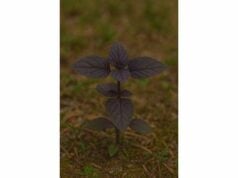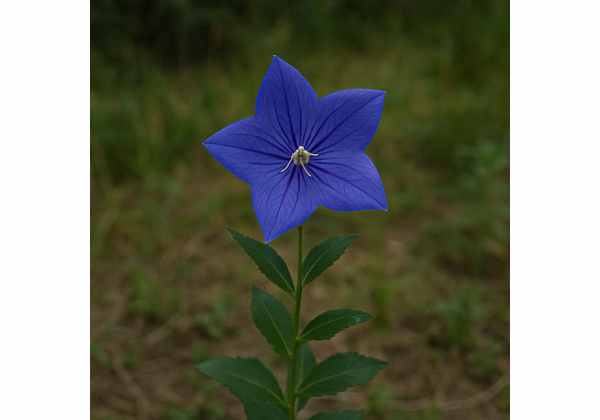
Platycodon, also known as balloon flower root or Platycodon grandiflorus, is a long-used East Asian medicinal and food herb best known for supporting the lungs and throat. In traditional Chinese, Korean, and Japanese practice, the root has been used for cough with thick phlegm, chest congestion, sore throat, and a heavy feeling in the upper airways. Modern research helps explain that reputation. The root contains triterpenoid saponins, especially platycodin D and related platycosides, along with flavonoids, phenolic acids, and polysaccharides that give it anti-inflammatory, expectorant, immune-active, and antioxidant potential.
Still, platycodon is not a simple herb. It is used as a food in some regions, but its medicinal action is more concentrated than its mild flavor suggests. Traditional respiratory use is well established, while many stronger claims about immunity, metabolism, obesity, or cancer remain largely preclinical or linked to special extracts rather than everyday whole-root use. That makes platycodon genuinely interesting, but best approached with clarity: a respected respiratory herb with real promise, practical uses, and a safety profile that still calls for thoughtful dosing.
Essential Insights
- Platycodon is most strongly associated with cough, sticky phlegm, chest heaviness, and sore throat support.
- Its key compounds, especially platycodin D and related saponins, help explain its expectorant and anti-inflammatory reputation.
- A common traditional decoction range is about 3 to 10 g of dried root per day.
- Avoid self-directed medicinal use if you are pregnant, breastfeeding, prone to bleeding, or taking anticoagulant medicines.
Table of Contents
- What Is Platycodon and Why Is the Root Used
- Platycodon Key Ingredients and Medicinal Properties
- Potential Health Benefits and What the Evidence Actually Supports
- Traditional Uses, Food Uses, and Modern Practical Applications
- Dosage, Forms, and How to Use Platycodon Sensibly
- Common Mistakes and How to Think About Platycodon Clearly
- Safety, Side Effects, Interactions, and Who Should Avoid It
What Is Platycodon and Why Is the Root Used
Platycodon is the sole species in the genus Platycodon and belongs to the Campanulaceae family. Many people know it first as balloon flower because the unopened buds swell like small balloons before they open into star-shaped blue, purple, or white flowers. In herbal medicine, though, the flower is not the main attraction. The medicinal part is the root, commonly referred to as Platycodonis Radix or Jiegeng in Chinese medicine and Doraji in Korean food and herbal practice.
That root has occupied a dual role for centuries. It has been used as a traditional medicine and as a food. In East Asia, especially Korea, the peeled and prepared root is eaten in seasoned dishes, salads, and preserved side dishes. In classical herbal systems, it is much more specifically associated with the lungs and throat. Traditional descriptions repeatedly emphasize its usefulness for cough, phlegm, hoarseness, sore throat, chest discomfort, and what older texts describe as “opening” or “disseminating” the lung. That persistent historical pattern matters because it gives the herb a very clear identity. Platycodon is not a random wellness plant. It has a specific traditional lane.
Another reason the root is used is chemical concentration. The root contains the bulk of the saponins and related compounds that modern pharmacology finds most interesting. These compounds help explain why the herb is more than a soothing tea. Even when the preparation is gentle, the plant is pharmacologically active. That is why platycodon is often classified as both a medicinal and culinary plant, but not a casual one.
A practical modern reader should also know that platycodon is sometimes marketed in ways that blur its real use history. One article may present it as a cough herb, another as an immune botanical, another as a weight-support extract, and another as a functional food. All of those angles have some basis, but they are not equally strong. The deepest and most reliable tradition remains respiratory and throat support. The farther claims move from that center, the more they usually depend on animal studies, isolated compounds, or special extracts rather than on everyday clinical practice.
That is why the root deserves a grounded introduction. Platycodon is best understood as a traditional respiratory root with modern research interest, not as a trend-driven cure-all. Readers interested in the broader family of herbs used for lingering cough and phlegm often compare it with great mullein for soothing respiratory support, but platycodon is more rooted in East Asian medicine and more associated with expectoration and throat-opening actions than with simple demulcent soothing alone.
Platycodon Key Ingredients and Medicinal Properties
Platycodon’s medicinal character comes primarily from its triterpenoid saponins. These are the compounds most often credited with the herb’s expectorant, anti-inflammatory, immune-modulating, and metabolic effects. Among them, platycodin D is the best known and most researched. It is not the only relevant saponin, but it has become the marker compound most commonly linked with platycodon’s pharmacological identity. Reviews of the herb also describe dozens of related platycosides and other triterpene saponins, which suggests that the root’s effects likely come from a family of compounds rather than from one single molecule acting alone.
Beyond saponins, platycodon contains flavonoids, phenolic acids, polyacetylenes, sterols, polysaccharides, amino acids, and trace elements. These additional compounds matter because they broaden the herb’s biological profile. Saponins may dominate the expectorant and anti-inflammatory story, but polysaccharides help explain immune research interest, and phenolic compounds contribute to antioxidant potential. This is one reason platycodon appears in both traditional herbal literature and modern food-science research. It is chemically rich enough to matter in several directions at once.
So what medicinal properties are most closely tied to this chemistry? The strongest and most traditional ones are antitussive, expectorant, anti-phlegm, and throat-supporting actions. In simpler language, platycodon is best known for helping loosen or move mucus and for easing irritation or fullness in the throat and upper chest. Modern reviews also describe anti-inflammatory, antioxidant, immunomodulatory, anti-obesity, antidiabetic, and liver- or heart-protective potential. But those broader claims need careful handling. In many cases, they come from experimental models, cell studies, or specific extracts rather than from widely replicated human trials.
There is also an important caution built into platycodon’s chemistry. Saponins can be powerful and useful, but they are not always gentle. They can irritate the stomach in some people, alter membrane behavior, and in isolated-compound research even show hemolytic or anticoagulant activity under certain conditions. That does not make the whole root unsafe by default. It does mean the herb deserves more respect than a simple food garnish.
A useful way to think about platycodon’s medicinal properties is to separate them into three layers:
- Traditional core properties: expectorant, throat-soothing, lung-supporting, phlegm-moving
- Modern pharmacology interests: anti-inflammatory, immune-active, metabolic, antioxidant
- Experimental but not yet firmly clinical: anticancer, strong metabolic correction, broad antiviral use
This layered view keeps the herb useful without exaggerating it. If your interest is mainly respiratory comfort, platycodon’s case is relatively coherent. If your interest is obesity, immunity, or systemic disease, the science becomes much more extract-specific and much less generalizable. Readers who want to understand how saponin-rich roots can bridge respiratory and immune traditions may also find licorice root in classic cough formulas a helpful comparison, especially because the two herbs are frequently paired in East Asian practice.
Potential Health Benefits and What the Evidence Actually Supports
The clearest health benefit associated with platycodon is respiratory support. Traditional use consistently points to cough, thick phlegm, sore throat, hoarseness, and chest congestion. Modern reviews broadly support that direction, and experimental studies show antitussive, expectorant, and anti-inflammatory actions that make the traditional respiratory story plausible. This is the benefit area where the evidence and the historical use line up most cleanly.
That said, even here it helps to stay precise. Platycodon is best viewed as a supportive herb for mucus-heavy, irritated, or congestive respiratory patterns, not as a cure for pneumonia, uncontrolled asthma, or serious infection. When people describe it as “good for the lungs,” what that usually means in practical terms is that it may help with throat discomfort, phlegm clearance, and upper-airway heaviness. It does not mean it replaces diagnosis or treatment when breathing symptoms are significant.
A second benefit area is immune support, but the evidence is narrower. A human randomized controlled trial using red platycodon grandiflorus root extract found improvements in NK cell activity and interferon-gamma levels in healthy adults over eight weeks. That is meaningful, but it should not be inflated. The study used a specific red root extract, not every form of the herb, and it measured immune markers rather than proving broad disease prevention. So it is reasonable to say that selected platycodon extracts may support immune function, but not reasonable to claim that a home decoction will reliably “boost immunity” in every person.
A third area of interest is metabolism and body composition. A placebo-controlled human trial in overweight adults found that some doses of platycodon root extract reduced body fat-related measures over 12 weeks. Again, this is promising, but it belongs to the category of specific extract evidence rather than general whole-root tradition. It suggests that platycodon has metabolic research potential, not that it is an established weight-loss herb for everyday self-prescribing.
Then there are the larger experimental claims: anticancer, antiviral, anti-obesity, liver-protective, and antidiabetic effects. These are widely discussed in modern reviews, largely because platycodin D and related compounds perform well in lab and animal models. The problem is translation. Many herbs look powerful before they meet the complexity of human clinical reality. Platycodon has not yet crossed that bridge strongly enough to justify casual treatment claims for major disease.
A balanced summary of the benefit evidence looks like this:
- Relatively strongest: cough, phlegm, sore throat, and respiratory support
- Promising with some human data: immune function and metabolic support from selected extracts
- Still mostly preclinical: cancer, broad antiviral use, strong systemic anti-inflammatory treatment
For readers who mainly want moistening throat and airway support rather than mucus-moving action, marshmallow root for demulcent throat comfort offers a helpful contrast. Platycodon is not as soft and coating. It is more active, more mobile, and more associated with clearing than cushioning.
Traditional Uses, Food Uses, and Modern Practical Applications
Platycodon has an unusually rich identity because it sits comfortably between food and medicine. In traditional medicine, the root has been used for cough with difficult phlegm, sore throat, chest fullness, hoarseness, and sometimes for lung abscess-type conditions described in older texts. It was also used to “guide” other herbs upward in certain formula traditions, especially toward the throat and lungs. In food culture, the same root appears in Korean cuisine as doraji, often seasoned, blanched, or prepared in side dishes. That overlap matters because it shows that the herb has long been used not only as a remedy but also as a culturally familiar plant.
Traditional preparations often reflect that dual nature. A decoction or multi-herb formula is a medicinal use. A prepared root side dish is a food use. A syrup, lozenge, or extract sits somewhere in between. Modern commercial products push the herb even further into hybrid territory by turning it into capsules, immune drinks, teas, powders, and functional foods. This expansion has advantages, but it also creates confusion. Not every product retains the same meaning or safety profile as the traditional root.
The most practical modern applications still tend to cluster around the throat and chest. Platycodon makes sense in situations such as:
- thick or sticky phlegm that is hard to clear
- an irritated throat with repeated coughing
- a heavy, “blocked” feeling in the upper chest
- mild recovery support after an uncomplicated respiratory illness
- traditional formulas where the root is paired with other herbs for balance
It can also make sense as a functional food ingredient when the goal is gentle dietary inclusion rather than active treatment. In that setting, the root’s role is more nutritional and culinary than strongly medicinal.
Where modern use becomes less clear is when platycodon is promoted as a stand-alone metabolic, anti-aging, or immune-maximizing supplement. Those uses are not invented out of nowhere, but they are less grounded in long practical tradition and more dependent on extract research. The herb’s strongest practical identity remains respiratory.
There is also a reason platycodon is often combined with other herbs. In classical East Asian practice, few roots are expected to do everything alone. Platycodon is frequently paired with herbs that moisten, soothe, harmonize, or manage inflammation more directly. That formula logic still makes sense today. A person with dry, scratchy irritation may need a softer herb alongside platycodon. A person with sticky phlegm and throat fullness may find platycodon more appropriate. Readers who like comparing classic respiratory pairings might find elecampane as another traditional root for chest congestion an interesting parallel, although the systems of use are different.
The modern lesson is simple. Platycodon works best when the preparation matches the pattern. Used that way, it remains one of the more coherent and useful traditional respiratory roots in current herbal practice.
Dosage, Forms, and How to Use Platycodon Sensibly
Platycodon dosing depends heavily on the form being used. The traditional benchmark is the dried root in decoction, and a common practical range is about 3 to 10 g per day. That is the dosage range most often associated with classical whole-root use and is the most sensible reference point for a general article. It should still be interpreted as a traditional range, not as a universal prescription. The lower end is better for cautious self-care; the upper end belongs more clearly in practitioner-guided use or multi-herb formulas.
Decoctions are the classic form because the root is relatively dense and fibrous. A gentle simmer extracts the saponins and other constituents more effectively than a quick tea steep. Tinctures and powdered extracts are also used, but they vary too much in strength to make broad equivalencies easy. Capsules are even more variable because one product may contain plain powdered root while another contains a concentrated or fermented extract standardized for certain compounds.
This variation is one reason platycodon can be confusing. In human studies, the doses often refer to specialized preparations, not to whole dried root. The immune-function trial used red platycodon root extract at 375 mg per tablet, four tablets per day, for a total of 1500 mg daily. The obesity trial used different ethanol extract doses ranging from 571 mg to 2855 mg daily. These numbers are interesting, but they do not translate directly into kitchen-level herbal dosing. Extract strength, processing, and compound content all change the equation.
For practical use, it helps to think in three categories:
- Whole dried root decoction: about 3 to 10 g/day in traditional use
- Food use: variable, generally milder, less “medicinally targeted”
- Standardized extracts: product-specific and not safely interchangeable with raw-root grams
Timing also matters. Platycodon is usually most logical for shorter-term use around throat and respiratory complaints rather than as a permanent daily tonic. The herb is active enough that “more” is not automatically better. In some people, excess can bring stomach discomfort instead of more benefit. A moderate, pattern-matched dose is usually more effective than a large, enthusiastic one.
The safest approach for most readers is straightforward:
- Start with the whole-root tradition, not concentrated extracts.
- Stay near the lower or middle end of traditional dosing unless advised otherwise.
- Use it for a clear short-term reason, not vague long-term wellness.
- Stop if stomach upset, unusual symptoms, or worsening respiratory signs appear.
For people mainly looking for a lighter, everyday herb for cough relief, peppermint for cooling respiratory and digestive support is often easier to use casually. Platycodon belongs to a slightly more medicinal category, which is exactly why sensible dosing matters.
Common Mistakes and How to Think About Platycodon Clearly
The first mistake is assuming that food use and medicinal use are the same thing. Because platycodon root is edible, people sometimes assume it is automatically safe in any form or amount. That is not a good assumption. Many edible roots are mild as foods and pharmacologically meaningful as medicines. Platycodon clearly belongs to that category. Culinary familiarity should make the herb approachable, not careless.
A second mistake is confusing whole-root tradition with platycodin D research. The science around platycodin D is exciting, but it often explores isolated-compound effects that go well beyond what a normal decoction or side dish is likely to deliver. When people read about anti-obesity, anticancer, anticoagulant, or antiviral effects, they often silently convert compound-level research into whole-herb certainty. That leap is exactly where confusion begins.
The third mistake is using platycodon for the wrong respiratory pattern. This herb shines most where there is throat irritation, chest fullness, or phlegm that needs moving. It is less obviously suited to dry, depleted, overly irritated states where the main need is coating and moisture. In those cases, people may do better with softer herbs or with formulas that balance platycodon’s more mobile, clearing nature.
A fourth mistake is assuming that extract-based trial results justify self-prescribing supplements. The immune and obesity studies are promising, but they do not license every person to buy any platycodon capsule and expect the same outcome. Specific extracts, durations, and study populations matter. Human data are valuable, but they are only useful when interpreted in context.
Another common error is ignoring the herb’s broader formula tradition. Platycodon is often used with companion herbs for a reason. Pairing can soften the root’s edge, improve tolerance, or aim the treatment more precisely. Someone with thick mucus and lingering irritation may benefit from a combination approach rather than from forcing one root to do every job. Readers curious about classic formula-style respiratory thinking sometimes compare platycodon with licorice in harmonizing cough formulas, which highlights how one herb can move while another softens and moderates.
The best way to think clearly about platycodon is to ask four questions:
- Am I using this for a true respiratory and throat pattern, or just because the herb is popular?
- Is this whole root, food, or a specialized extract?
- Am I expecting traditional support or modern pharmaceutical-style results?
- Is this short-term self-care, or a symptom picture that actually needs diagnosis?
Those questions immediately reduce the noise. Platycodon is a serious and useful herb, but it becomes much more helpful once it is kept inside its real strengths.
Safety, Side Effects, Interactions, and Who Should Avoid It
Platycodon is often described as relatively low in toxicity, and preclinical safety studies on fermented extracts are reassuring. Still, “relatively safe” is not the same as “risk free.” The root contains active saponins, and those compounds deserve respect. In practical use, the most likely problems are gastrointestinal upset, sensitivity reactions, and form-dependent interactions rather than dramatic toxicity in normal traditional amounts.
The most common side effects are digestive. Because saponins can be irritating in excess, some people may notice nausea, stomach discomfort, loose stools, or a burning sensation when the herb is taken too strongly or on an empty stomach. These effects are more likely with concentrated extracts than with modest decoctions or prepared foods, but the possibility is worth keeping in mind. If a root known for respiratory benefit consistently worsens the stomach, the preparation or dose is probably not right.
A second safety issue is the gap between whole-root use and isolated-compound research. Platycodin D has shown anticoagulant, spermicidal, and hemolytic activity in experimental settings. That does not mean ordinary root use will produce those effects in every person, but it does justify caution. People with bleeding disorders, those taking anticoagulants or antiplatelet medicines, and those preparing for surgery should not assume the herb is neutral. The same logic supports caution around fertility efforts and pregnancy.
Pregnancy and breastfeeding are the clearest groups to avoid self-directed medicinal use because high-quality human safety data are lacking. Food-level exposure in prepared dishes is one question; medicinal dosing is another. Children also deserve extra caution unless use is guided by someone familiar with the herb. Even though platycodon is sometimes part of food culture, concentrated medicinal forms do not automatically become pediatric herbs.
Another point of caution is disease substitution. Because platycodon is so strongly associated with cough and throat conditions, people may be tempted to lean on it too long while ignoring warning signs. Persistent fever, shortness of breath, chest pain, coughing blood, or prolonged unexplained hoarseness are not situations for herbal guesswork.
People who should be especially cautious or avoid self-directed use include:
- pregnant or breastfeeding people
- those using anticoagulants or antiplatelet medicines
- people with bleeding disorders or upcoming surgery
- individuals with significant stomach sensitivity
- children using concentrated extracts
- anyone trying to treat serious respiratory symptoms without medical care
The safety message is not that platycodon is dangerous in ordinary traditional use. It is that the herb is active enough to deserve respect. Used well, it can be practical and supportive. Used casually, especially in concentrated products, it can move from helpful to hard to interpret more quickly than many gentler roots.
References
- Ethnopharmacology, phytochemistry, pharmacology and product application of Platycodon grandiflorum: A review 2024 (Review)
- Platycodon grandiflorum (Jacq.) A. DC.: A review of phytochemistry, pharmacology, toxicology and traditional use 2022 (Review)
- The pharmacology and mechanisms of platycodin D, an active triterpenoid saponin from Platycodon grandiflorus 2023 (Review)
- Safety evaluation of fermented Platycodon grandiflorus (Jacq.) A.DC. extract: Genotoxicity, acute toxicity, and 13-week subchronic toxicity study in rats 2021 (Toxicology Study)
- An 8-week randomized, double-blind, placebo-controlled study to evaluate the efficacy and safety of red Platycodon grandiflorus root extract on enhancement of immune function 2021 (RCT)
Disclaimer
This article is for educational purposes only and does not replace medical advice, diagnosis, or treatment. Platycodon is a traditional medicinal root with meaningful biological activity, and it should not be used to self-treat serious breathing problems, prolonged cough, unexplained hoarseness, chest pain, or significant infection. Avoid medicinal use during pregnancy or breastfeeding unless a qualified clinician specifically advises it, and use extra caution if you take blood thinners or have a bleeding disorder.
Please share this article on Facebook, X, or your preferred platform if you think a careful, evidence-aware guide to platycodon could help someone else.