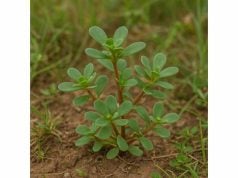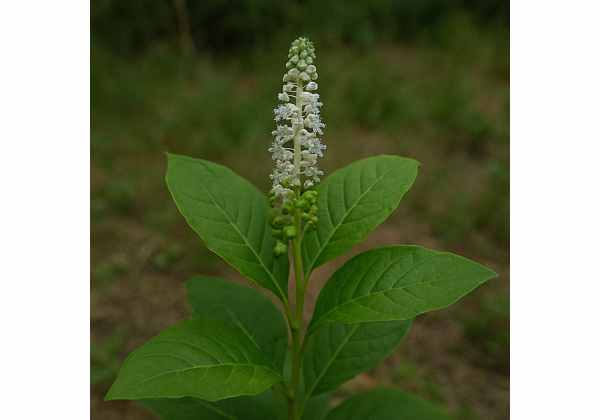
Poke root is one of the clearest examples of why herbal medicine requires nuance. Phytolacca americana, commonly called American pokeweed, has a long history in North American folk practice for swollen glands, rheumatic pain, inflammatory complaints, mastitis, and “alterative” cleansing formulas. The root is the part most strongly associated with traditional medicine, but it is also the part most closely linked with toxicity. That dual identity is the heart of the plant’s story.
Modern interest in poke root comes from its saponins, lectins, triterpenes, and biologically active proteins, especially pokeweed antiviral protein and pokeweed mitogen. These compounds help explain why the plant has been studied for immune, antiviral, and cytotoxic effects. Yet they also explain why poke root is not a casual home remedy. Human poisoning reports, poison center data, and toxicology references consistently show that all parts of the plant can cause harm, with the root among the most dangerous. The most useful article on poke root is therefore not promotional. It is careful, practical, and honest about both historical use and real risk.
Key Takeaways
- Poke root has a traditional reputation for lymphatic and inflammatory support, but the evidence for safe modern self-use is weak.
- Its best-known active compounds include saponins, lectins, pokeweed antiviral protein, and pokeweed mitogen, all of which help explain both activity and toxicity.
- 0 mg is the safest practical home-use dose because no validated self-care dosage range can be responsibly recommended.
- People who are pregnant, breastfeeding, immunocompromised, treating children, or taking prescription medication should avoid unsupervised use.
Table of Contents
- What poke root is and why it has such a strong reputation
- Poke root key ingredients and why they matter
- Poke root health benefits and medicinal properties
- Traditional uses and what modern herbalism can still learn from them
- Dosage, timing, and why self-dosing is a bad idea
- Safety, side effects, interactions, and who should avoid it
- What the research actually supports and what it does not
What poke root is and why it has such a strong reputation
Poke root comes from Phytolacca americana, a tall perennial plant native to much of eastern and central North America and now widespread beyond its original range. Many people know the plant by its purple-black berries, red stems, and large fleshy taproot. In everyday speech, “pokeweed,” “poke root,” “pokeberry,” and “poke sallet” often get used almost interchangeably, but medicinally they should not be treated as the same thing. The root is the part most strongly associated with historical herbal practice and also the part most often singled out as highly toxic.
That contrast is what gives poke root its strong reputation. In historical American herbalism, it was used in tiny amounts for swollen glands, chronic rheumatic pain, breast inflammation, skin complaints, and slow, congestive conditions that older herbalists described as “lymphatic.” It was often regarded as a forceful alterative rather than a gentle daily tonic. In other words, this was never really a kitchen herb pretending to be medicine. It was a medicine first, and a risky one.
The plant also developed a second reputation through food history. Very young shoots and leaves, after repeated boiling and discarding of the water, were eaten in some Southern traditions as “poke sallet.” That culinary history sometimes creates dangerous confusion. Safe or safer use of specially prepared young shoots is not the same thing as safe use of the mature plant, berries, seeds, or root. The existence of a food tradition has led many people to underestimate how hazardous poke root can be.
Another reason poke root remains so interesting is that its folk reputation was not entirely mystical. The plant contains compounds with real biological activity, and modern biomedical research has used pokeweed-derived proteins as laboratory tools for decades. That lends scientific credibility to the idea that the plant is pharmacologically active. But this is exactly where caution deepens. A plant can be biologically powerful and still be a poor choice for home treatment.
Compared with gentler North American roots such as burdock root, poke root belongs to a far narrower and harsher category. It is not a broad nutritive herb, not a culinary root, and not a forgiving plant for casual experimentation. Its reputation rests on three overlapping facts:
- it has a long medicinal history
- it contains strongly active compounds
- it can poison people when used badly
Once those three facts are kept together, poke root becomes easier to understand. It is best viewed as a historically important but high-risk herb whose old uses deserve study, while its modern self-care role deserves serious skepticism.
Poke root key ingredients and why they matter
The chemistry of poke root explains both its appeal and its danger. The plant contains triterpenoid saponins, lectins, ribosome-inactivating proteins, and other biologically active constituents. These are not mild plant chemicals. They are the reason pokeweed has been studied for immune effects, antiviral potential, cytotoxicity, and cell-signaling activity. They are also the reason even small errors in preparation or dose can become important.
Among the best-known constituents are the saponins, including compounds often discussed under names such as phytolaccatoxin-related molecules and esculentosides. Saponins can irritate tissues, disrupt cell membranes, and contribute to the severe gastrointestinal symptoms commonly seen in pokeweed poisoning. This is one reason raw or improperly prepared material can cause burning, nausea, vomiting, cramping, and diarrhea.
Another major part of the chemistry is the group of proteins associated with pokeweed research. Pokeweed antiviral protein, often called PAP, is a ribosome-inactivating protein that has been studied for antiviral and cytotoxic mechanisms. It is scientifically fascinating and has been explored in immunotoxin and antiviral research, but that does not make poke root a safe home antiviral. The same applies to pokeweed mitogen, a lectin-rich preparation known for strong immunostimulatory effects in laboratory settings. In research, these compounds are useful tools. In unsupervised human use, they are part of the danger.
There are also lectins and glycoproteins that contribute to immune and cell-signaling activity, plus various phenolics and minor constituents. But for practical herbal decision-making, the key message is simple: poke root contains compounds that are both medically interesting and toxicologically significant.
A useful way to understand the chemistry is to divide it into three broad functions:
- saponins that contribute heavily to irritation and toxicity
- proteins and lectins that drive much of the immune and antiviral research
- triterpenes and related compounds that add to the plant’s broader biologic profile
This profile is why poke root is sometimes described as “immune-active,” but that label can be misleading. It sounds gentle and supportive. In reality, pokeweed-derived immune effects are often intense, non-nutritive, and not appropriate for casual use. The same is true of “antiviral” language. A plant can contain a protein with antiviral activity in the lab without being safe or effective as a household antiviral herb.
This chemistry also helps explain why standardization is such a problem. A crude dried root powder, a tincture, a fresh plant preparation, and a laboratory-isolated protein are not remotely equivalent. If a product label simply says “poke root,” that tells you almost nothing about potency. With a low-risk herb, that might be tolerable. With poke root, it is exactly the sort of uncertainty that makes self-dosing a poor idea.
In short, poke root matters because its chemistry is real. It is not an herb whose effects depend on wishful thinking. But the stronger its chemistry appears, the less appropriate it becomes for casual use.
Poke root health benefits and medicinal properties
Poke root has been associated with lymphatic stimulation, anti-inflammatory effects, mastitis support, antimicrobial activity, antiviral potential, and even anticancer interest. Some of these claims arise from traditional practice, while others come from laboratory research on pokeweed compounds. The problem is not that the plant lacks activity. The problem is that its activity is easier to prove than its safe benefit in humans.
The most persistent traditional claim is that poke root supports the lymphatic system. Older herbal traditions used it for enlarged glands, “congestion,” mastitis, and chronic inflammatory swelling. This is why poke root sometimes appears in discussions of swollen lymph nodes and breast discomfort. Yet the modern evidence base here is thin. There are historical reports and practitioner traditions, but not strong modern trials that would justify routine self-treatment.
The second often-mentioned property is anti-inflammatory action. This claim has more plausibility. Plant extracts and constituents show biologic effects that could influence inflammatory pathways, and folk use for rheumatic or glandular complaints fits that general pattern. But again, a plausible mechanism is not the same as a clinically validated herbal protocol.
Then there is the large and much misunderstood category of antiviral and immunologic activity. Pokeweed antiviral protein and pokeweed mitogen are real research subjects. They have contributed to cell biology, virology, and immunology. This sometimes leads people to assume that poke root itself is a practical antiviral or immune herb. That is the wrong conclusion. In laboratory science, a plant-derived protein can be highly interesting precisely because it is too aggressive, too unstable, or too toxic to be used casually as a human remedy.
There are also older claims around topical use, such as poultices or external preparations for painful areas, glandular swelling, or skin complaints. These traditions exist, but they do not remove the plant’s irritant potential. A strong external herb can still cause harm through skin contact or accidental ingestion.
A realistic summary of possible benefits looks like this:
- historical use for swollen glands and inflammatory congestion
- possible anti-inflammatory relevance
- strong laboratory immune and antiviral interest
- potential cytotoxic and anticancer research value
- very limited support for safe modern home treatment
That last point matters most. When readers search for “health benefits,” they often expect a reassuring list. With poke root, the honest answer is more conditional. The plant has medicinal properties, but those properties do not translate neatly into a consumer-friendly herb.
Compared with more established inflammatory herbs such as echinacea, poke root is much less forgiving and far less appropriate for casual immune support. Echinacea may still require judgment, but poke root raises the stakes substantially because toxicity is a central part of the plant’s profile, not a side note.
So can poke root be called medicinal? Yes. Can it be called a smart self-care herb for most people? No. The best description is that poke root is a historically medicinal and scientifically intriguing toxic herb whose possible benefits are real enough to study, but not well established enough or safe enough to recommend broadly.
Traditional uses and what modern herbalism can still learn from them
Poke root’s traditional use is one of the most interesting parts of its story, but it must be read carefully. In American folk medicine and later eclectic herbalism, the root was used for chronic glandular swelling, mastitis, painful inflammatory states, some skin eruptions, rheumatic complaints, and what practitioners once described as sluggish lymphatic congestion. These uses were often highly specific and usually involved very small amounts. That detail is easy to miss. Historical use of poke root was not typically casual or culinary. It was targeted and cautious, at least in the hands of experienced practitioners.
One reason the herb persisted in older practice is that it seemed to act where other herbs were too mild. Traditional herbalists often reserved poke root for stubborn cases rather than as a first-line everyday tonic. That already tells us something important. A herb known for “small doses only” is not a plant that historically invited carelessness.
Modern herbalism can still learn several things from this tradition.
First, old practitioners recognized the difference between strong herbs and safe herbs. They did not assume that a plant deserved frequent use just because it had effects. In fact, poke root was often respected precisely because it could cause harm when misused.
Second, traditional use can still help identify the plant’s most plausible therapeutic directions. If poke root was repeatedly used for glandular swelling, inflammatory breast discomfort, and chronic congestive patterns, that may point researchers toward meaningful physiologic pathways. Tradition is not proof, but it can be a useful map.
Third, traditional use can remind modern readers that some herbs are now less necessary because medicine has changed. Earlier generations had fewer options for persistent swelling, mastitis, or chronic pain. Today, those conditions can involve infection, immune disease, cancer, or other problems that deserve accurate diagnosis before any herb is considered. This shifts the role of poke root from practical home remedy to historical and specialist herb.
There is also a useful contrast between poke root and gentler alteratives such as dandelion. Both have been described in cleansing or drainage language, but they do not belong in the same safety category. Dandelion invites broad experimentation. Poke root does not.
The most defensible lessons from tradition are these:
- Poke root was historically used, but not lightly.
- Its main traditional roles centered on inflammatory congestion and glandular complaints.
- Tiny-dose thinking was part of its reputation.
- The old use pattern reflected both potency and risk.
- Modern readers should respect the historical insight without imitating it blindly.
That final point is the most valuable one. Tradition can preserve therapeutic wisdom, but it can also preserve plants that made sense in another era more than they do in everyday modern self-care. Poke root may be one of those herbs. Its past is medically interesting. Its present is much narrower.
Dosage, timing, and why self-dosing is a bad idea
This is the section where many herb articles would give a neat dose range. For poke root, that would be irresponsible. There is no validated home-use dose that can be confidently recommended for general readers, and that is the safest and most useful fact to understand.
Historically, poke root was often described as a very low-dose herb, especially in tincture form. But those old instructions do not translate safely into modern practice. There are several reasons. First, product strength varies enormously. Fresh root, dried root, crude powder, tincture, and commercial extract are not interchangeable. Second, the active and toxic compounds are not reliably standardized across over-the-counter products. Third, the difference between “small enough to feel nothing,” “active enough to matter,” and “enough to provoke toxicity” may be far too narrow for unsupervised use.
That makes ordinary dosing advice misleading. Statements such as “take one dropperful” or “start with a few drops” sound practical, but they hide major uncertainty. A dropperful of what strength? From which plant part? Made how? Standardized to which compounds? In a herb with strong toxic potential, those unanswered questions matter more than the actual number on the label.
The same issue applies to timing. With most herbs, timing is about digestion, sleep, or consistency. With poke root, timing is secondary to the larger question of whether the person should be taking it at all. A herb that can cause severe gastrointestinal irritation and systemic toxicity is not made safe by taking it after meals or before bed.
A responsible dosing framework therefore looks negative rather than positive:
- do not self-dose the root at home
- do not assume that old low-dose formulas are still appropriate
- do not increase the amount because results feel too subtle
- do not combine poke root with several other strong immune or inflammatory herbs
- do not use it internally without direct qualified supervision
This is also why some readers get misled by homeopathy or ultra-dilute product language. A highly diluted homeopathic product and a crude root tincture are not the same thing. Confusing the two can create false confidence.
A more practical way to answer the dosage question is this:
- For ordinary self-care, the safest dose is none.
- If a clinician with genuine experience recommends it, exact product identity matters more than generic dose language.
- The more chronic or serious the condition, the less appropriate self-dosing becomes.
- “Tiny amount” is not a safety guarantee with a toxic herb.
This may feel unsatisfying compared with the tidy dosing sections in gentler herb profiles. But poke root is not a tidy herb. The right dosage guidance has to match the plant. In this case, smart restraint is more useful than false precision.
Safety, side effects, interactions, and who should avoid it
Safety is the most important section of any poke root article. The plant is widely recognized as toxic, and poisoning reports continue to appear. Even when exposures are not fatal, they can produce intense gastrointestinal and systemic symptoms. Roots, shoots, leaves, seeds, and berries all carry risk, but the root is especially important because it is both medicinally used and strongly toxic.
The most common symptoms after ingestion are gastrointestinal:
- burning in the mouth or throat
- nausea
- vomiting
- severe abdominal cramping
- diarrhea, sometimes intense
With larger or more serious exposures, additional symptoms can occur, including weakness, dizziness, sweating, respiratory difficulty, altered heart rate, and in extreme cases multi-organ injury. Dermal exposure can also irritate sensitive people, and accidental ingestion in children remains a recurring concern because the berries are visually attractive.
Who should clearly avoid poke root?
- pregnant or breastfeeding people
- children
- older adults with frailty or multiple medications
- anyone with inflammatory bowel disease or a sensitive gut
- immunocompromised individuals
- people taking prescription medication for heart, blood pressure, immune, or psychiatric conditions
- anyone trying to self-treat mastitis, swollen nodes, or cancer-related symptoms
The interaction concern is not always neatly documented in modern clinical trials, but that is not reassuring. It simply means the herb is under-studied in the very settings where its toxicity makes interaction questions important. A plant with strong saponins, lectins, and immune-active proteins does not belong in casual combinations with multiple supplements or drugs.
Another major safety issue is mistaken identity and folk preparation. Some people still believe that “proper preparation” makes pokeweed generally safe. That idea mostly comes from food traditions involving young shoots after repeated boiling. It should never be extended to the root. Poke root is not poke sallet.
There is also the problem of delayed care. Swollen lymph nodes, breast pain, systemic inflammation, persistent sore throat, or unexplained lumps can have serious causes. Using poke root in these situations may not only risk poisoning, it may also delay diagnosis. That is one of the most important practical harms.
Compared with strong botanicals such as lobelia, poke root belongs in the same broad category of herbs that experienced practitioners historically respected but ordinary users should not treat casually. It is not impossible to imagine limited specialist use. It is simply a poor candidate for general self-care.
The safest summary is straightforward: poke root is a toxic plant with historical medicinal use, not a general wellness herb. If there is one thing most readers should take away, it is that the plant’s dangers are not incidental. They are central to the whole story.
What the research actually supports and what it does not
The research on Phytolacca americana supports two big conclusions. First, the plant is biologically active. Second, that activity does not make it a validated modern home remedy. Those two statements can both be true, and with poke root they are.
What research does support:
- pokeweed contains potent bioactive compounds
- pokeweed-derived proteins have been important in antiviral and immunologic research
- human exposures are common enough that poison center data can characterize symptom patterns
- serious toxicity, including fatal poisoning, is possible
- supportive care is the usual response to exposure, not some special antidote used at home
What research does not support:
- routine self-treatment with poke root for swollen glands or immune complaints
- a validated consumer dosage range
- the idea that laboratory antiviral activity equals safe clinical use
- substituting poke root for appropriate care in mastitis, inflammatory disease, or cancer-related concerns
This is where many online articles go wrong. They see “pokeweed antiviral protein” or “pokeweed mitogen” and turn those research terms into health claims. But laboratory usefulness and patient usefulness are not the same. A compound may be extremely interesting to virologists or immunologists precisely because it is too toxic or too unstable to behave like a normal herbal remedy.
The poison literature is also highly relevant. Human exposure data from Kentucky suggest that many pokeweed ingestions produce gastrointestinal symptoms and are treated supportively, while severe cases can be far more dangerous. A recent fatal case from China underscores that improperly prepared leaves alone can be lethal. That should make readers even more cautious about the root.
There is also a broader lesson here about herbal medicine. Some plants become less useful as self-care herbs the more we learn about them. Not because they are inactive, but because we realize their traditional niche depended on circumstances that no longer justify casual use. Poke root may be a good example. It remains historically important and scientifically intriguing, but clinically it has been overtaken by safer options and better diagnostic medicine.
For readers seeking realistic alternatives, the better path is usually to identify the actual goal first:
- inflammatory discomfort
- swollen nodes after infection
- mastitis
- chronic pain
- immune support
Once the real goal is clear, it often becomes obvious that another herb or standard medical treatment is safer and more appropriate. A person wanting broad immune resilience, for example, does not need poke root. A person with a painful breast or enlarging lymph node does not need guesswork.
So what does the research really give us? It gives us respect for the plant, interest in its compounds, and strong reasons not to oversimplify it. That is more useful than hype. With poke root, the most evidence-based modern message is not “use it carefully.” It is closer to “understand it deeply, and be very slow to use it at all.”
References
- Description of a fatal case of acute Phytolacca americana poisoning due to leaf ingestion in China 2025 (Case Report)
- Human exposures to Phytolacca americana in Kentucky 2022 (Observational Study)
- Pokeweed Antiviral Protein, a Ribosome Inactivating Protein 2015 (Review)
- Pokeweed Antiviral Protein: Its Cytotoxicity Mechanism and Applications in Plant Disease Resistance 2015 (Review)
- Pokeweed 2020 (University Extension Reference)
Disclaimer
This article is for educational purposes only and does not replace medical advice, diagnosis, or treatment. Poke root is a toxic plant with a narrow safety margin and should not be self-prescribed for swollen glands, mastitis, pain, immune concerns, or any other condition. Anyone who may have ingested poke root or another part of pokeweed and develops burning in the mouth, vomiting, severe stomach pain, diarrhea, dizziness, weakness, or trouble breathing should seek urgent medical care.
If you found this article helpful, please consider sharing it on Facebook, X, or your preferred platform.