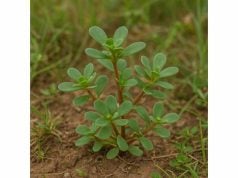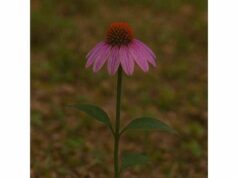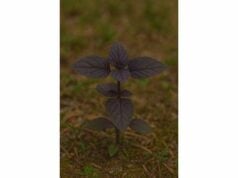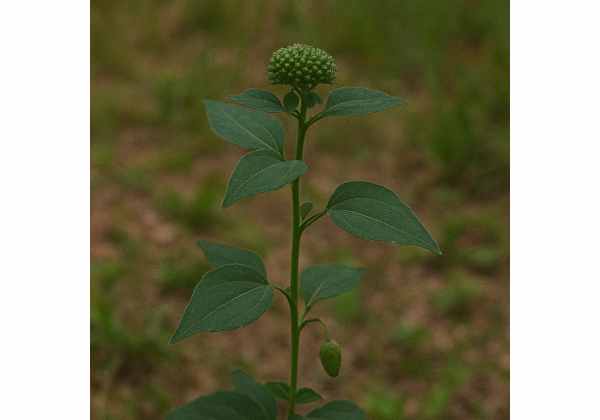
Poreleaf, better known in many food traditions as papalo, papaloquelite, or Bolivian coriander, is an aromatic herb from the daisy family whose leaves are valued as much for their flavor as for their traditional medicinal reputation. Botanically, it is Porophyllum ruderale, a plant recognized by its strong scent and its tiny translucent oil glands, the “pores” that give the genus its common name. In kitchens, poreleaf is usually used fresh, where its sharp, citrusy, resinous taste can brighten tacos, salsas, beans, soups, and salads. In folk medicine, it has also been used for digestive complaints, inflammatory discomfort, and minor topical applications. Modern research gives some support to these traditional roles, especially through studies on its polyphenols, aromatic compounds, antioxidant potential, and anti-inflammatory activity. Even so, the evidence is still much stronger in laboratory and animal models than in human clinical trials. That makes poreleaf most useful today as a flavorful food herb with promising therapeutic potential, rather than as a proven self-treatment for disease.
Quick Overview
- Poreleaf is a strongly aromatic edible herb that may offer antioxidant and anti-inflammatory support.
- Early research suggests possible benefits for glucose regulation, kidney protection, and tissue repair, but most evidence is preclinical.
- A practical food amount is about 1 to 3 fresh leaves per serving, increased gradually because the flavor is intense.
- Avoid self-prescribed medicinal extracts if you are pregnant, breastfeeding, highly sensitive to Asteraceae plants, or taking glucose-lowering medication.
Table of Contents
- What poreleaf is and how it has been used
- Key ingredients and medicinal properties
- What poreleaf may help with based on current evidence
- Poreleaf as food, seasoning, and traditional preparation
- Dosage, timing, and duration: what is practical
- Common mistakes when using poreleaf
- Safety, side effects, interactions, and who should avoid it
What poreleaf is and how it has been used
Poreleaf is an aromatic annual herb in the Asteraceae family, the same broad plant family that includes chamomile, calendula, and many daisies. The species most often discussed in food and traditional medicine is Porophyllum ruderale, a plant native to the Americas and widely associated with Mexican, Central American, and South American culinary traditions. Its leaves are dotted with oil glands that release a penetrating scent when crushed. That aroma is one of its most recognizable features: sharp, green, resinous, and sometimes described as somewhere between cilantro, rue, citrus peel, and arugula. Because of that flavor profile, it is often compared with cilantro for everyday culinary use, though poreleaf is usually stronger, more bitter, and more lingering.
The plant is known by many regional names, including papalo, papaloquelite, yerba porosa, quirquiña, quillquiña, and Bolivian coriander. Those names reflect its broad cultural footprint. In Mexican cooking, it is often eaten raw with tacos, cemitas, beans, avocado, and salsa. In Bolivia and nearby regions, related culinary traditions use it in spicy fresh sauces and herb-forward table condiments. Its culinary use matters because, for this herb, food practice is not separate from medicinal history. Many traditional systems treated strong edible herbs as both flavoring agents and functional plant foods.
That dual role helps explain the kinds of benefits poreleaf has been associated with over time. Traditional reports describe it for digestive discomfort, inflammatory complaints, minor pain, intestinal issues, antiparasitic use, and topical support for wounds or irritated tissue. Some ethnomedical accounts also connect it with kidney concerns, cramps, and general stomach distress. These uses do not all carry the same level of scientific support, and they should not be treated as proven clinical indications. Still, they offer a useful map of where researchers have focused their attention.
The most responsible way to think about poreleaf is as a traditional edible herb with medicinal promise. Its value is not just in one dramatic effect. Instead, it combines strong aroma, food compatibility, and a chemical profile rich in plant defense compounds. That makes it interesting both as a fresh seasoning and as a subject of pharmacological study. At the same time, expectations need to stay grounded. The fact that a plant has a long folk history does not automatically tell us which preparations work best, which dose is safe, or how well the effects translate to modern health conditions.
For most readers, this is the central takeaway: poreleaf is best understood first as a food herb, second as a traditional remedy, and only third as a candidate for future evidence-based medicinal use. That order keeps the conversation practical and honest.
Key ingredients and medicinal properties
Poreleaf’s medicinal interest comes from a layered phytochemical profile rather than one single superstar compound. Studies on Porophyllum ruderale have identified a mix of monoterpenoids, phenolic acids, flavonoids, and other polyphenolic substances that help explain its strong aroma and much of its biological activity. The oil glands on the leaves are especially important because they store volatile compounds that shape both the flavor and the plant’s defensive chemistry.
One of the clearest findings is that poreleaf is rich in monoterpenoids, the same broad class of aromatic molecules found in many pungent culinary herbs. These compounds contribute to the plant’s scent and may help explain why it is discussed in connection with antimicrobial, anti-inflammatory, and digestive uses. Aromatic herbs often have this dual identity: they are valued at the table because they taste vivid, and they attract scientific interest because those same aroma molecules can also influence oxidative stress, inflammatory signaling, or microbial growth in laboratory settings. Poreleaf fits that pattern well, much as other aromatic herb families do in broader discussions of essential-oil-rich culinary herbs.
Beyond aroma compounds, poreleaf also contains phenolic acids and flavonoid glycosides. Research has identified compounds such as chlorogenic acid, cryptochlorogenic acid, ferulic acid, quercetin glycosides, kaempferol glycosides, and other caffeic-acid-related substances. These matter because polyphenols are often involved in antioxidant and anti-inflammatory effects. In poreleaf, they appear to be central to the plant’s most credible early pharmacological signals.
From a medicinal-properties perspective, four ideas matter most.
First, poreleaf appears to have antioxidant potential. This does not mean it is a miracle anti-aging herb. It means its phenolic compounds and certain vitamins may help reduce oxidative stress in experimental systems. Food studies also show that the leaves can contribute meaningful antioxidant activity when eaten fresh.
Second, it shows anti-inflammatory promise. In vitro work on poreleaf extracts suggests that certain phenolics, especially caffeic acid derivatives, can influence inflammatory mediators. This is one of the stronger mechanistic clues behind the plant’s traditional reputation.
Third, the plant has bioactive volatility. In plain terms, its aroma compounds are not just about taste. They likely contribute to some of the herb’s antimicrobial, insect-repelling, and tissue-signaling properties. This is one reason the plant smells so assertive and is typically used in smaller amounts than milder herbs.
Fourth, poreleaf may have functional-food value. Some food composition studies show it is not only aromatic but also nutritionally interesting, with notable antioxidant capacity and a useful profile of minerals and plant compounds. That is important because it shifts the conversation away from “supplement thinking” and toward the idea that poreleaf may be most beneficial when used as a repeated, food-level exposure rather than as a concentrated self-treatment.
Together, these ingredients and properties make poreleaf more than a garnish. They also explain why it deserves careful use: any herb with strong volatile chemistry and biologically active polyphenols deserves respect, not exaggeration.
What poreleaf may help with based on current evidence
When readers search for poreleaf health benefits, what they usually want to know is simple: does it actually do anything useful beyond making food taste stronger? The best answer is yes, potentially, but the strength of the evidence depends heavily on the claim. For Porophyllum ruderale, current evidence is still weighted toward laboratory studies, food-composition analyses, and animal research, not large human clinical trials. That means the herb has interesting signals, but not the kind of clinical certainty that would support strong disease-treatment claims.
The most convincing early area is anti-inflammatory activity. Researchers have shown that poreleaf extracts and their isolated phenolics can influence inflammatory pathways in vitro. In one study, compounds from the plant affected inflammatory signaling in human primary neutrophils, with caffeic acid derivatives appearing especially important. That does not prove the fresh leaves will work like an anti-inflammatory medicine in a person with arthritis, but it does give a real biochemical basis for the plant’s traditional use in swelling, pain, and irritated tissues.
A second area is antioxidant support. Poreleaf consistently shows notable antioxidant activity in food and extract studies. This matters because antioxidant-rich plant foods can contribute to overall dietary resilience, especially when used regularly. It does not mean the herb should be viewed as a stand-alone therapy against chronic disease. Instead, it suggests that poreleaf may function well as part of a diet that emphasizes diverse plant compounds, much like other leafy herbs discussed in broader conversations about polyphenol-rich fresh herbs.
A third area, more preliminary but still notable, is metabolic and kidney support. Animal studies have reported nephroprotective effects in an acute injury model and hypoglycemic activity in mice. These are meaningful findings because they show the plant is not chemically idle. Still, they remain preclinical. A rat or mouse model can suggest a promising mechanism, but it cannot establish a safe or effective human treatment plan for kidney disease or diabetes.
There is also some interest in pain modulation and burn or wound support. Review literature cites older animal work suggesting anti-nociceptive effects and possible support for burn repair processes. Again, this is intriguing, but it belongs in the category of “early evidence,” not routine recommendation.
What poreleaf may realistically help with right now is best summarized like this:
- It may contribute food-based antioxidant support when eaten fresh.
- It may have mild anti-inflammatory relevance through its polyphenols and volatile compounds.
- It may serve as a functional herb in digestive meals, especially because aromatic herbs can improve meal satisfaction and tolerance.
- It may eventually prove useful for metabolic or tissue-support applications, but that evidence is not yet mature enough for self-prescribed medicinal use.
The most important limit is the absence of standardized human trials. No large body of clinical evidence tells us that poreleaf reliably lowers blood sugar in people, protects kidneys in patients, or treats inflammatory disease. For now, the herb’s benefits are promising, plausible, and worth following, but still incomplete.
Poreleaf as food, seasoning, and traditional preparation
For most people, the best way to use poreleaf is not as a supplement but as a fresh culinary herb. This approach fits both the longest historical pattern of use and the safest modern interpretation of the evidence. Unlike herbs that are mostly used as capsules or teas, poreleaf has a strong identity as a table herb. It is eaten fresh, added late, and used in small amounts because its aroma is intense. That matters. A plant with a long food history offers a different kind of confidence than one known mainly from concentrated extracts.
In the kitchen, poreleaf works best where its volatile oils can stay intact. The leaves are usually torn, chopped, or added whole to tacos, sandwiches, beans, egg dishes, soups after cooking, salsas, avocado dishes, and fresh sauces. Long cooking tends to dull both the aroma and some of the more delicate compounds. Food studies on edible plants that included Porophyllum ruderale also show that boiling reduces ascorbic acid, phenolics, and antioxidant activity. That does not make cooked poreleaf useless, but it does support the common culinary instinct to use it fresh or only briefly warmed.
Because the flavor is potent, beginners often do better using poreleaf the way they would use a finishing herb, not a bulk green. Small pieces can completely change a dish. Rich foods such as beans, meat, avocado, cheese, fried foods, and tomato-based sauces often handle it well because they soften its bite. Its assertiveness is also why people sometimes compare it with coriander and related aromatic seasonings, even though poreleaf is botanically distinct and usually more forceful.
Traditional preparation goes beyond food. In ethnomedical practice, some communities have used poreleaf in infusions, fresh herb applications, or mixed preparations for digestive, inflammatory, and topical purposes. These traditions are culturally meaningful, but modern users should distinguish between historical use and validated dosing. A fresh leaf used with food is not equivalent to a concentrated extract, and a folk infusion is not the same thing as a standardized therapeutic tea.
The strongest practical case for poreleaf today is this:
- use it as a fresh, frequent, food-level herb
- let the culinary context carry the exposure
- avoid assuming that stronger is better
- treat medicinal-style preparations as experimental unless guided by a qualified practitioner
This framing also respects what the research actually supports. Poreleaf’s best evidence is tied to its phytochemical richness and food relevance. In other words, the herb may do its most meaningful work when it is woven into meals rather than isolated from them.
If you are trying it for the first time, the simplest test is a small amount with a fatty or acidic dish. You will learn quickly whether your palate welcomes it. That sensory trial matters because poreleaf is one of those herbs that people either enjoy immediately or need to approach gradually.
Dosage, timing, and duration: what is practical
The hardest part of writing responsibly about poreleaf dosage is being honest about what is not known. There is no standardized human medicinal dose for Porophyllum ruderale supported by high-quality clinical trials. That is the most important fact in this section. If a website presents a precise therapeutic dose for poreleaf extract as though it were firmly established in humans, it is likely overstating the evidence.
That does not leave readers with nothing useful. It just means the most practical dosing advice belongs to food use, not medicinal self-dosing.
For culinary use, a sensible starting amount is 1 to 3 fresh leaves per serving, or roughly 1 to 2 tablespoons of chopped leaf if the leaves are small and tender. People who already enjoy strong herbs may use more, but the flavor ramps up quickly. In many dishes, a little poreleaf goes farther than the same amount of cilantro or parsley. Starting small is not just about taste; it is also the safest way to gauge digestive tolerance and personal preference.
Timing matters too. Poreleaf is usually best with meals, especially richer or heavier meals where its aroma can freshen the overall profile. Using it on an empty stomach is not dangerous for most healthy adults in food amounts, but strongly aromatic herbs can sometimes feel sharp to sensitive digestion. If your stomach reacts easily to pungent greens, take the food route rather than experimenting with extracts or strong infusions.
As for duration, food-level use can be ongoing, provided it agrees with you. A few meals per week is a realistic pattern. There is no good reason to force daily large amounts. If the herb makes simple meals more appealing, repeated modest exposure is more sensible than occasional overuse.
Where many people go wrong is by translating animal-study doses into human self-care. Research models have used oral aqueous or hydroalcoholic extracts at doses such as 100 mg/kg or 400 mg/kg, depending on the study and the outcome measured. These are research tools, not home-use recommendations. They do not tell a person how much fresh herb, tea, tincture, or capsule to take.
A practical rule set looks like this:
- Use poreleaf primarily as a food herb.
- Start small and increase only if you like both the flavor and the way it sits with you.
- Prefer fresh leaf over long-cooked preparations when flavor and phytochemical retention matter.
- Do not use animal extract doses to design a personal regimen.
- If your main goal is symptom relief for bloating or digestive heaviness, compare its role with better-studied herbs such as peppermint for digestive discomfort rather than assuming poreleaf is equally established.
In short, the practical dose of poreleaf is a culinary amount, not a medically validated therapeutic one. That distinction keeps the herb useful without pretending the evidence is farther along than it is.
Common mistakes when using poreleaf
Poreleaf is easy to misuse, not because it is especially dangerous in food amounts, but because people often approach it with the wrong expectations. The first common mistake is treating it like ordinary cilantro. The comparison makes sense up to a point, since both are used fresh and both can brighten rich foods. But poreleaf is usually stronger, more pungent, and more persistent. If you substitute it one-for-one in a salsa or salad, it can overwhelm the dish. The better strategy is to start with a fraction of the amount and build upward.
The second mistake is cooking it too long. Poreleaf owes much of its appeal to volatile compounds in its oil glands. Long simmering flattens that profile. It can also reduce some of the nutritional and antioxidant value seen in fresh-leaf studies. For many preparations, the best move is to stir it in late, scatter it over the finished dish, or use it raw.
The third mistake is assuming that because poreleaf is edible, concentrated forms must also be safe and evidence-based. This is where the herb can be misunderstood. The research on extracts is interesting, but it is still mostly preclinical. A plant can be perfectly reasonable as a food and still be insufficiently studied as a tincture, capsule, or strong tea.
The fourth mistake is expecting the herb to do the work of medical care. People sometimes read about anti-inflammatory, hypoglycemic, or kidney-protective findings and leap to self-treatment. That is not what the evidence supports. Poreleaf is not a substitute for diabetes management, kidney evaluation, or treatment of infections and persistent pain.
The fifth mistake is ignoring context. Some of poreleaf’s likely real-world value comes from what it helps you eat. If it makes beans, vegetables, eggs, or simple home-cooked meals more enjoyable, that is already a meaningful benefit. The herb does not need to act like a drug to be useful.
A few troubleshooting tips help:
- If the flavor feels harsh, pair it with avocado, tomato, lime, beans, or eggs.
- If it feels too pungent raw, chop it finely and use less.
- If you are testing tolerance, try it in one meal rather than across a full day.
- If you are curious about folk topical use, do not assume it functions like purpose-built skin herbs such as calendula for skin soothing.
Another subtle mistake is using poreleaf while expecting a supplement-like response from very occasional exposure. Herbs used as food usually work, when they work at all, through repetition and context. One leaf once a month is unlikely to do anything measurable. On the other hand, sensible repeated use within a plant-rich diet may offer a small but real advantage.
The best mindset is not “How much can I take?” but “How can I use this well?” That question leads to better cooking, safer experimentation, and more realistic expectations.
Safety, side effects, interactions, and who should avoid it
In normal food amounts, poreleaf appears to be reasonably well tolerated for most healthy adults, especially in cultures where it is already part of regular eating patterns. That said, medicinal safety is not the same as culinary familiarity. The available safety data for Porophyllum ruderale are still limited, and much of what exists comes from animal work or general botanical caution rather than large human trials.
One encouraging point is that a hydroalcoholic extract studied in animals showed no deaths or obvious acute toxicity at 5000 mg/kg in a mouse model. That is reassuring in a narrow toxicology sense, but it should not be stretched into a blanket statement that all extracts, all doses, and all long-term uses are safe in humans. Acute animal safety is useful data, not a full safety profile.
Possible side effects at practical levels are likely to be modest and mostly related to taste intensity, digestive sensitivity, or plant-family reactions. Strong aromatic herbs can occasionally provoke nausea, mouth irritation, or stomach discomfort in sensitive individuals, especially if taken in large amounts or as concentrated preparations. Because poreleaf belongs to the Asteraceae family, people with known allergies to related plants should be cautious. Food-level exposure may still be tolerated, but first use should be conservative.
Drug interactions are not well established, but there are a few sensible cautions. Since animal studies suggest hypoglycemic activity, people taking insulin or glucose-lowering drugs should avoid experimenting with medicinal extracts without clinician input. Likewise, since the plant has been studied in kidney models and discussed in folk medicine for related uses, people with chronic kidney disease should not assume that “kidney support” means “safe for kidney patients.” Those are not the same thing.
Pregnancy and breastfeeding deserve extra caution. There is not enough reliable safety evidence to recommend medicinal dosing in either situation. Small food amounts used as seasoning are a different category, but concentrated extracts, tinctures, or repeated therapeutic-style use are best avoided unless supervised.
Children should also be treated conservatively. A leaf in food is one thing; herbal self-treatment is another. The stronger the preparation, the more caution makes sense.
Who should be especially careful or avoid medicinal use?
- people with known Asteraceae sensitivity
- pregnant or breastfeeding individuals
- anyone on glucose-lowering medication
- people with chronic kidney disease who are considering extract use
- anyone with persistent digestive or inflammatory symptoms who has not been medically evaluated
The most reasonable safety conclusion is that poreleaf is best approached as a food herb first. That keeps it in the zone where history, culinary use, and current evidence line up most comfortably. Once people move into concentrated medicinal preparations, the science becomes too thin to justify confident self-prescribing. Used with that boundary in mind, poreleaf can be interesting, flavorful, and potentially supportive without being overclaimed.
References
- Porophyllum Genus Compounds and Pharmacological Activities: A Review | MDPI 2021 (Review)
- Nutritional Composition, Bioactive Compounds, and Volatiles Profile Characterization of Two Edible Undervalued Plants: Portulaca oleracea L. and Porophyllum ruderale (Jacq.) Cass – PMC 2022
- The contribution of phenolics to the anti-inflammatory potential of the extract from Bolivian coriander (Porophyllum ruderale subsp. ruderale) – PubMed 2022
- Nephroprotective Activity of Papaloquelite (Porophyllum ruderale) in Thioacetamide-Induced Injury Model – PMC 2022
- Hypoglycemic Activity of the Hydroalcoholic Extract of Porophyllum ruderale in CD1 Mice – PubMed 2025
Disclaimer
This article is for educational purposes only and is not a substitute for medical advice, diagnosis, or treatment. Poreleaf is an edible herb with promising but still limited medicinal evidence, and most research on extracts has not been confirmed in large human trials. Do not use poreleaf to replace prescribed care for diabetes, kidney disease, infection, chronic pain, or inflammatory conditions. If you are pregnant, breastfeeding, taking prescription medication, or managing a chronic illness, speak with a qualified healthcare professional before using poreleaf in medicinal forms.
If this article helped you, please share it on Facebook, X, or any platform your readers prefer.