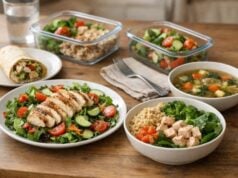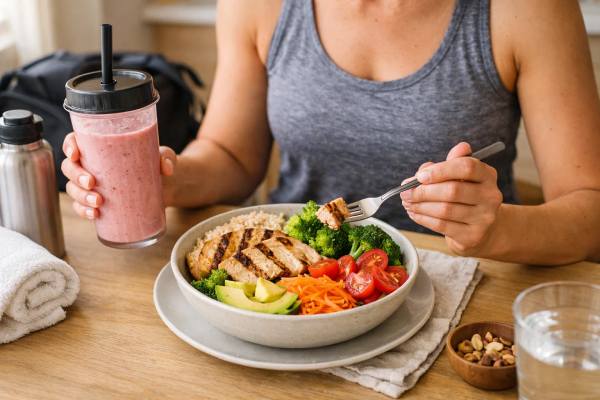
What you eat after exercise can help with weight loss, but not because there is a magical “fat-burning” meal. A good post-workout meal helps you recover, protect muscle, control hunger, and stay consistent with your calorie deficit. That matters much more than chasing a perfect supplement or forcing yourself to skip food after training. For most people, the best approach is simple: get enough protein, add carbs based on the type of workout you did, keep portions aligned with your overall calorie target, and make the meal practical enough to repeat. This guide explains what actually matters after exercise, when timing is important, and how to build post-workout meals that support both recovery and fat loss.
Table of Contents
- Why Post-Workout Meals Matter
- Protein Comes First After Training
- How Many Carbs You Really Need
- Fat, Fiber and Hydration After Exercise
- Best Post-Workout Meal Formulas
- When to Eat After a Workout
- What to Eat Based on Your Workout
- Mistakes That Slow Recovery or Fat Loss
Why Post-Workout Meals Matter
A post-workout meal matters because exercise creates a recovery job for your body. You have used stored energy, stressed muscle tissue, lost fluids, and in some cases finished the session with a bigger appetite than you expected. The right meal helps you handle all of that without drifting away from your fat-loss goal.
For weight loss, the biggest misconception is that eating after a workout somehow “cancels out” the workout. That is not how it works. Weight loss still depends on your overall daily and weekly energy balance. A reasonable post-workout meal does not ruin fat loss. In many cases, it makes fat loss easier because it helps you recover better and keeps you from rebounding into random snacking later.
A good recovery meal can help with:
- Preserving lean mass while dieting
- Supporting muscle repair after lifting or hard intervals
- Replacing some of the energy used during training
- Reducing the urge to overeat later in the day
- Helping you feel ready for your next session instead of flat and underfed
That is especially important if you are trying to lose fat without losing muscle. In a calorie deficit, recovery resources are already tighter. Skipping food after every workout may sound disciplined, but it can make training quality worse, increase cravings, and raise the odds that the deficit becomes harder to sustain.
The bigger picture still matters most. Your post-workout meal needs to fit inside an overall calorie deficit and should look a lot like the kind of food you already need for fat loss. In other words, the best recovery meals are usually built from the same kinds of foods that work well in a calorie deficit: protein-rich foods, produce, smart carbohydrates, and portions you can repeat without feeling deprived.
It also helps to keep the workout itself in perspective. A hard lifting session or long run creates a stronger case for a structured recovery meal than a short walk or easy mobility session. The more intense, longer, or more frequent your training is, the more useful post-workout nutrition becomes.
The goal is not to turn recovery into a second job. It is to avoid making exercise harder to recover from than it needs to be. When your post-workout meal supports both appetite control and muscle retention, it becomes part of your fat-loss strategy rather than a distraction from it.
Protein Comes First After Training
If you only focus on one thing after a workout, make it protein. Protein is the most important part of a post-workout meal for most people trying to lose weight because it helps support muscle repair, improves fullness, and makes it easier to maintain lean mass during a calorie deficit.
A practical target for most adults is about 20 to 40 grams of protein in the post-workout meal. Bigger bodies, older adults, and people training hard while dieting often do better toward the upper end of that range. Another useful way to think about it is roughly 0.25 to 0.4 grams of protein per kilogram of body weight in that meal.
That does not mean every workout requires a giant shake the second you rerack the weights. It means your next meal or snack should contain enough protein to count.
Good post-workout protein choices include:
- Greek yogurt
- Cottage cheese
- Eggs and egg whites
- Chicken or turkey
- Tuna, salmon, or shrimp
- Lean beef
- Tofu, tempeh, or edamame
- Milk or a protein shake when convenience matters
The best source is usually the one you tolerate well and can actually eat consistently. Whole foods are great, but a shake can be useful when you are not very hungry, you are rushing to work, or you trained early and need something portable. Convenience is not cheating. It is often what makes the plan work.
Protein also matters because exercise and dieting pull in opposite directions. Training tells your body to keep or build muscle. A calorie deficit tells your body that energy is limited. That is why getting enough protein after training is one of the simplest ways to support the side you want to win.
If you struggle with this, start by learning what a realistic protein target per meal looks like and keeping a few easy options from a high-protein foods list on hand. Most people do not need a more advanced strategy than that.
One more point matters here: total daily protein still beats perfect timing. A strong post-workout protein meal helps, but it cannot rescue a day that is low in protein overall. Think of your recovery meal as one important chance to hit your target, not the only chance that matters.
The best post-workout meal for fat loss is rarely the fanciest one. It is usually the one that gives you enough protein, fits your calories, and keeps the rest of your day from spiraling.
How Many Carbs You Really Need
Carbs after a workout are useful, but their importance depends on what kind of training you did and how soon you need to perform again. This is where a lot of confusion starts. Some people think carbs are essential after every session. Others think they should be avoided because they are trying to lose fat. Neither view is very helpful.
Carbs matter most after:
- Longer endurance sessions
- Hard interval workouts
- Very high-volume lifting
- Two-a-day training
- Workouts that noticeably drain your energy
They matter less after:
- Short walks
- Easy cycling
- Light resistance sessions
- Mobility work
- Any workout that did not deplete much glycogen
For most weight-loss readers, the answer is not “load carbs after every workout.” It is “use enough carbs to recover well without overshooting calories.” That usually means choosing moderate portions from foods that digest well and fit your overall plan.
Good post-workout carb choices include:
- Fruit
- Oats
- Rice
- Potatoes
- Beans or lentils
- Whole-grain bread or wraps
- Cereal in a measured portion
- Yogurt with fruit and granola
If fat loss is the goal, carbs do not need to be huge. For many people, a meal with 25 to 60 grams of carbs alongside solid protein is plenty after a normal workout. Endurance athletes and people doing long sessions may need more. People training lightly may need less.
This is one reason it helps to understand the difference between general daily carb needs and the more strategic role of better carb choices in a calorie deficit. The right post-workout carb amount is not one universal number. It depends on the job the meal is doing.
A useful rule is to scale carbs to the training demand:
- Short or light session: small carb portion, or none if the next meal already covers it
- Moderate lifting session: moderate carb portion to support recovery and hunger control
- Hard cardio or long workout: larger carb portion, especially if training again soon
Carbs also help people avoid a common rebound pattern: finishing a workout with “I should be good and not eat,” then ending up raiding the pantry an hour later. A measured carb portion inside a balanced meal is often more helpful than trying to white-knuckle hunger.
The point is not to fear carbs or worship them. It is to use them according to the workout you actually did and the calorie target you are actually trying to hit.
Fat, Fiber and Hydration After Exercise
Protein and carbs get most of the attention after exercise, but fat, fiber, and hydration also shape how a post-workout meal feels and functions.
Fat is not “bad” after a workout. You do not need to avoid avocado, nuts, eggs, salmon, or olive oil just because you trained. The real issue is pace of digestion. A very high-fat meal can sit heavier and slow gastric emptying, which is less ideal if you need to recover quickly or if intense exercise already left your stomach feeling unsettled. For most everyday workouts, moderate fat is completely fine.
Fiber works similarly. It is generally helpful for fullness and long-term weight loss, but an extremely high-fiber meal right after a hard session can bother some people, especially after running, intense intervals, or training in heat. If your stomach is sensitive after exercise, choose easier-to-digest carbs and save your giant raw salad or bean-heavy meal for later.
Hydration is often the forgotten piece. If you trained hard, sweated a lot, or exercised in warm conditions, replacing fluid matters. In those cases, your post-workout routine should not be just about food. It should also include water and, when needed, sodium from food or a sports drink. Many people who think they are ravenous after exercise are partly thirsty or under-recovered from fluid loss.
A practical hydration check is simple:
- Drink water after the session
- Drink more if the workout was long, hot, or sweaty
- Include sodium if you lost a lot of sweat
- Use your urine color and thirst as rough feedback
You do not need a special recovery beverage for every workout. Plain water is enough for many sessions. But if you tend to finish workouts depleted, it helps to think more deliberately about hydration strategies instead of focusing on food alone.
One smart way to combine all this is to build meals that are balanced without being heavy. A turkey sandwich with fruit, Greek yogurt with oats and berries, or rice with chicken and vegetables usually works better than extremes on either side. You do not need a fat-free, fiber-free bodybuilder meal. You just need a meal that supports recovery, fits your calories, and sits well enough that you can move on with your day.
The best post-workout meals are often the least dramatic ones: enough protein, enough fluid, carbs matched to the workout, and no giant calorie bomb disguised as “recovery.”
Best Post-Workout Meal Formulas
The easiest way to make post-workout nutrition practical is to stop thinking in terms of perfect recipes and start thinking in terms of meal formulas. If you know how to build the meal, you can make it work at home, at work, or on a busy day.
A simple post-workout formula is:
- Pick a protein source
- Add a carb source based on workout demand
- Add produce when it fits well
- Keep fats moderate unless it is just a normal mixed meal later in the day
That approach gives you flexibility without turning recovery into guesswork.
Here are reliable post-workout meal ideas that work well for fat loss:
- Greek yogurt, berries, and oats
- Protein shake, banana, and toast
- Chicken, rice, and vegetables
- Cottage cheese, fruit, and cereal
- Turkey wrap with fruit
- Eggs, potatoes, and sautéed vegetables
- Tuna sandwich and yogurt
- Tofu bowl with rice and edamame
- Salmon, potatoes, and green beans
- Smoothie with milk, protein powder, fruit, and a measured amount of oats
If you want meals that feel more like regular food and less like “gym food,” it helps to think in terms of a high-protein plate formula. That keeps the meal balanced and repeatable, which matters more than novelty.
You can also divide post-workout eating into two levels:
- Snack-sized recovery: useful when dinner is coming soon or appetite is low
- Full meal recovery: useful when the workout finished hours before your next meal or when the session was more demanding
| Situation | Protein target | Carb emphasis | Example |
|---|---|---|---|
| Short strength workout | 20 to 30 g | Moderate | Greek yogurt, berries, and a small serving of oats |
| Hard lifting session | 25 to 40 g | Moderate to higher | Chicken, rice, and vegetables |
| Long cardio session | 20 to 35 g | Higher | Protein shake, banana, cereal, and milk |
| Late workout before bed | 25 to 35 g | Moderate | Cottage cheese, fruit, and toast |
| Busy commute after gym | 20 to 30 g | Moderate | Ready-to-drink shake and fruit |
The main test is not whether the meal looks “athletic.” It is whether it helps you recover without opening the door to mindless extra calories. Simple meals usually pass that test better than elaborate ones.
When to Eat After a Workout
The old idea that you must eat within 30 minutes or lose your results is too rigid for most people. Timing matters, but not in such a narrow way. For most everyday training, the practical goal is to eat a balanced meal or snack within about one to two hours after exercise. That is usually enough.
There are a few situations where eating sooner makes more sense:
- You trained fasted
- Your last meal was several hours earlier
- The session was long or very demanding
- You will train again later that day
- You are dieting hard and tend to get very hungry after workouts
On the other hand, if you ate a protein-rich meal one to three hours before training, there is usually no reason to panic if your next full meal happens a bit later. The body does not switch from “recovering” to “not recovering” at the 31-minute mark.
That is why the best timing advice is to match the meal to context rather than forcing the same routine every time. If you train before dinner, dinner can be your post-workout meal. If you train first thing in the morning, breakfast may need to carry more recovery value. If you finish a lunchtime workout and cannot eat a full meal right away, a quick snack can bridge the gap.
This is also why pre- and post-workout nutrition work together. A solid pre-workout meal often reduces how urgent the post-workout feeding feels. When the pre-workout setup is poor, the recovery meal has to do more of the work.
A useful way to think about timing is:
- Best case: eat a protein-rich meal within 1 to 2 hours
- Good enough: have protein reasonably close to the workout and keep daily intake strong
- More urgent: eat sooner when fasted, depleted, or training again soon
For weight loss, timing should make your diet easier, not more stressful. A strategy that fits your schedule beats a theoretically perfect one you cannot keep. Most people would do better planning one reliable post-workout option than worrying about exact minutes.
The goal is to recover well enough that your next workout, your appetite, and the rest of your day all stay manageable. That is what good timing is really for.
What to Eat Based on Your Workout
The best post-workout meal changes with the kind of exercise you did. Trying to use the same recovery meal for a 30-minute walk and a 90-minute leg day is one reason people either overeat or under-recover.
Here is a practical way to match food to training demand.
After a walk or easy cardio session
You usually do not need a special recovery meal. Just let your next normal meal include protein and produce. If you are hungry, a small snack with protein is enough.
After a standard lifting workout
Focus on protein first, then add a moderate carb portion. A meal like chicken and potatoes, yogurt and fruit, or eggs and toast usually works well.
After hard intervals or a long cardio session
Recovery leans more heavily on carbs plus protein. This is when fruit, rice, oats, cereal, bread, or potatoes can be especially helpful alongside protein.
After a morning workout
Breakfast becomes your recovery meal. Make it count with enough protein instead of defaulting to toast or coffee alone.
After an evening workout
Do not avoid dinner just because it is “late.” A lighter but balanced meal is usually better than going to bed underfed and then chasing snacks.
After back-to-back or same-day training
Carbs and fluids matter more because the next session is close. Faster digestion and earlier refueling become more useful here.
This is also where snacks can be practical. You do not always need a full plate right away. Sometimes a small recovery snack is enough to cover the gap until dinner. That is when ideas from smart snack options can work well, especially if you are trying to stay within a calorie budget.
The key is proportionality. Bigger training demands justify a more structured and carb-aware recovery meal. Smaller training demands do not. That sounds obvious, but it solves a lot of unnecessary overeating. Some people sabotage fat loss by rewarding a light workout with a giant smoothie bowl, protein bar, and coffee drink that together contain more calories than the workout burned.
The better question after exercise is not “What is the perfect recovery meal?” It is “What kind of recovery does this workout actually require?” Once you answer that honestly, the right meal becomes much easier to choose.
Mistakes That Slow Recovery or Fat Loss
Most post-workout nutrition mistakes are not about choosing the wrong superfood. They are about mismatching the meal to the goal.
Mistake 1: Skipping food after every workout
Some people avoid eating after training because they want to “extend the burn.” In reality, this often backfires by increasing fatigue, cravings, and late-day overeating.
Mistake 2: Treating the workout like a free calorie pass
A hard session does not automatically justify a giant muffin, smoothie, or restaurant meal. Recovery meals should support fat loss, not erase the deficit.
Mistake 3: Underdoing protein
A banana by itself is not a strong recovery meal after lifting. It may be fine as a carb add-on, but the meal needs meaningful protein.
Mistake 4: Overcomplicating the timing
You do not need to carry six powders and a shaker bottle everywhere. A normal meal within a reasonable time frame is good enough for most people.
Mistake 5: Using only liquid calories
Shakes are convenient, but they are not always filling. If you notice that post-workout drinks leave you hungry, use more whole food or pair the shake with fruit, yogurt, or toast.
Mistake 6: Going too low-carb after demanding workouts
This is especially common in people trying to “be good” after cardio. If the session was long or intense, too little carb intake can leave recovery feeling flat and make later hunger worse.
Mistake 7: Forgetting the rest of the day still matters
A solid post-workout meal helps, but it cannot fully fix an otherwise chaotic eating pattern. Daily calories, total protein, sleep, and consistency still matter more than one meal.
If you need a simple reset, build your next post-workout meal around three questions:
- Did I get enough protein?
- Do I need carbs based on the workout I actually did?
- Does this fit my calorie target for the day?
That simple filter prevents most of the common errors. The best post-workout meals for weight loss are rarely extreme. They are balanced, protein-forward, sensible in size, and easy to repeat when motivation is average instead of perfect.
References
- Nutritional Strategies to Improve Post-exercise Recovery and Subsequent Exercise Performance: A Narrative Review 2025 (Review)
- Enhanced protein intake on maintaining muscle mass, strength, and physical function in adults with overweight/obesity: A systematic review and meta-analysis 2024 (Systematic Review and Meta-Analysis)
- Impacts of protein quantity and distribution on body composition 2024 (Review)
- The effect of protein intake on athletic performance: a systematic review and meta-analysis 2024 (Systematic Review and Meta-Analysis)
- International society of sports nutrition position stand: nutrient timing 2017 (Position Stand)
Disclaimer
This article is for general educational purposes only and is not a substitute for medical advice, diagnosis, or treatment. If you have diabetes, kidney disease, a history of disordered eating, are pregnant or breastfeeding, or train at a very high level, get individualized advice from a clinician or registered dietitian before making major changes to your post-workout nutrition.
If this article helped, consider sharing it on Facebook, X, or your preferred platform so someone else can build a simpler and more effective post-workout routine.