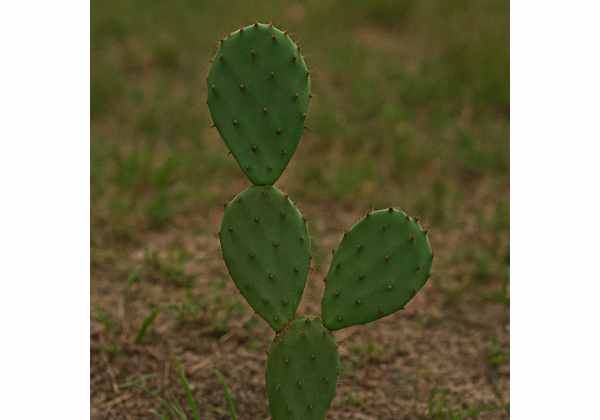
Prickly pear, botanically known as Opuntia ficus-indica, is a cactus valued as both a traditional food and a modern functional ingredient. Its bright fruits and tender pads, often called nopal, have been eaten for centuries in Mexico, the Mediterranean, and other dry climates where the plant thrives. What makes prickly pear especially interesting is that different parts of the plant offer different strengths. The fruit is rich in water, colorful antioxidants, vitamin C, and fiber, while the pads provide mucilage, pectin, minerals, and compounds that may help support post-meal glucose control and digestive comfort.
Today, prickly pear appears in juices, powders, capsules, jams, and cooked vegetable dishes. Interest in it has grown because of its potential to support metabolic health, gut function, and oxidative balance without being a harsh stimulant herb. At the same time, it is best understood as a supportive food or supplement rather than a cure-all. A careful look at its compounds, evidence, dosage forms, and safety helps reveal where prickly pear truly shines and where expectations should stay realistic.
Quick Overview
- Prickly pear may help support post-meal blood sugar balance and everyday digestive comfort.
- Its fruit and pads provide fiber, betalain antioxidants, vitamin C, and polyphenols with anti-inflammatory potential.
- Human studies have used about 300 to 400 mg per day of standardized extract, while food portions often range from 100 to 200 g of peeled fruit.
- People taking diabetes medicines or those prone to low blood sugar should use concentrated prickly pear supplements carefully.
Table of Contents
- What Prickly Pear Is and Which Parts Are Used
- Key Ingredients and Medicinal Properties of Prickly Pear
- Potential Health Benefits and Where the Evidence Is Strongest
- How Prickly Pear Is Used in Food Supplements and Traditional Practice
- Prickly Pear Dosage Forms Serving Sizes and Practical Use
- Safety Side Effects Interactions and Who Should Avoid It
What Prickly Pear Is and Which Parts Are Used
Prickly pear is a cactus species in the Opuntia genus, best known for its oval fruits and flat green pads. It is native to Mexico but is now cultivated widely in dry and semi-dry regions around the world. In everyday health writing, the name “prickly pear” is often used loosely, but in practice there are several distinct plant parts, and they are not nutritionally identical.
The first is the fruit. This is the sweet, vividly colored part that is eaten fresh or turned into juice, puree, jelly, syrup, or dried powder. Depending on the variety, the fruit can be green, yellow, orange, red, or deep purple. Its color usually signals the presence of betalain pigments and other antioxidant compounds. The fruit is mostly known for hydration, antioxidant density, moderate fiber, and a pleasant sweet-tart flavor.
The second important part is the pad, also called the cladode or nopal. These flattened green segments are technically stems, not leaves. Young pads are eaten as a vegetable after the spines are removed. They are more savory than the fruit and contain more fiber, mucilage, and pectin-like compounds. Because of this, many metabolic and digestive claims linked to prickly pear focus more on the pad than on the fruit.
Seeds and seed oil also deserve mention. The seeds are small and firm, and although people do not usually consume them for medicinal purposes alone, they contain oil with a favorable fatty acid profile. Seed oil is more common in cosmetic and specialty food settings than in everyday therapeutic use.
Flowers, peel, and even cactus mucilage appear in research and product development as well, but these are less familiar to the average consumer. Some extracts are made from pads, some from fruit skin, and some from blended plant materials. That matters because one capsule labeled “prickly pear” may not match another in composition or expected effect.
For health purposes, it helps to think of prickly pear in three forms:
- Fresh food form: peeled fruit and cooked pads
- Concentrated food form: juices, powders, dried slices, and purees
- Supplement form: capsules or standardized extracts made from pad, fruit, or mixed material
This distinction shapes everything that follows. A serving of grilled nopal in a meal is not equivalent to a sweetened prickly pear beverage, and neither is equivalent to a concentrated extract. Much of the confusion around dosage and benefits comes from failing to separate these forms clearly.
Key Ingredients and Medicinal Properties of Prickly Pear
Prickly pear’s reputation comes from a combination of fiber, antioxidant pigments, vitamins, minerals, and plant polyphenols. Its chemistry is not dominated by one dramatic stimulant or sedative compound. Instead, it works more like a layered functional food, with several mild-to-moderate mechanisms that may add up over time.
One of the most important components is dietary fiber. The pads are especially rich in soluble fiber, mucilage, and pectin-like substances. These compounds can slow gastric emptying, modestly reduce the speed of carbohydrate absorption, and help create a gentler post-meal glucose response. Their water-holding ability also helps explain prickly pear’s long use for digestive comfort and stool regularity. In that respect, prickly pear overlaps conceptually with other fiber-rich supports such as psyllium husk fiber, though the plant matrix and research base are different.
Another major group is betalains, the pigments that give many prickly pear fruits their red or purple tone. Betalains are valued for antioxidant activity and may help reduce oxidative stress. Two names that often appear in the literature are betanin and indicaxanthin. These compounds are studied for their ability to interact with inflammatory and oxidative pathways, which helps explain why prickly pear is often discussed in connection with cardiometabolic wellness.
Prickly pear also contains vitamin C, carotenoids, and flavonoids. Vitamin C supports antioxidant defense and collagen-related processes. Carotenoids and flavonoids add to the plant’s overall protective profile. The pad and fruit can also provide minerals such as magnesium, potassium, and calcium, though the exact amount depends on the cultivar, soil, maturity, and processing method.
A less glamorous but still important feature is the plant’s mucilage. This gel-forming fraction contributes to texture in the pad and may partly explain its soothing effect in the gut. Mucilage is also relevant in food science because it can act as a natural thickener and may support satiety.
When these compounds are considered together, the main medicinal properties usually described for prickly pear are:
- antioxidant activity,
- mild anti-inflammatory action,
- support for post-meal glucose control,
- digestive and prebiotic support,
- modest lipid-lowering potential,
- possible support for satiety and weight management.
That list sounds broad, but the key is scale. Prickly pear’s effects appear supportive rather than pharmaceutical. It does not behave like a fast-acting drug. A person using it sensibly is more likely to notice gradual improvements in digestion, meal tolerance, or general dietary quality than a dramatic overnight change. This is why it fits better alongside other polyphenol-rich foods, including pomegranate antioxidants, than in the category of intensely acting herbs.
Its value lies in synergy: fiber slows absorption, pigments help manage oxidative stress, and polyphenols may nudge inflammatory balance in a healthier direction.
Potential Health Benefits and Where the Evidence Is Strongest
Prickly pear is often promoted for everything from blood sugar to skin aging, but the most credible benefits are narrower and more practical. The best-supported areas involve metabolic health, digestion, and oxidative balance. Even there, the evidence is promising rather than absolute, and results depend on which part of the plant is used.
Blood sugar support is one of the most discussed benefits. Pads and standardized extracts appear more relevant here than sweet fruit products. Their fiber and mucilage can slow carbohydrate absorption, and some human studies suggest benefits for post-meal glucose handling. This does not mean prickly pear replaces diabetes treatment, but it may be a helpful adjunct in people working on meal quality and glycemic stability. Readers interested in food-based support for glucose control often compare it with other fiber-rich foods such as yacon for glycemic balance, though the active fibers and study designs are not the same.
Digestive comfort is another promising area. Because the pads are rich in gel-forming fiber and prebiotic compounds, prickly pear may support stool regularity, reduce some forms of gastrointestinal discomfort, and help nourish beneficial gut bacteria. This benefit tends to emerge gradually rather than immediately, especially when the plant is used in consistent daily amounts.
Cholesterol and cardiometabolic support also deserve attention. Older clinical data and later reviews suggest that certain prickly pear products may modestly improve total cholesterol, triglycerides, or related risk markers. These effects appear strongest when prickly pear is part of a broader pattern that includes calorie control, physical activity, and an overall high-fiber diet. In other words, it is better viewed as a helper than a stand-alone solution.
Oxidative stress and inflammation balance may be the plant’s most biologically plausible benefit. Its betalains, flavonoids, and vitamin C-rich fruit profile give it a strong antioxidant identity. This may help explain why prickly pear is frequently studied in settings linked to metabolic strain, vascular stress, and exercise recovery. Still, antioxidant potential in a lab is easier to show than a major clinical benefit in people, so this area should be interpreted with measured optimism.
Weight management is often overstated. The evidence does not support prickly pear as a meaningful weight-loss shortcut. Its higher-fiber preparations may modestly support fullness and meal control, but the effect appears small. The strongest honest claim is that it may fit well into a weight-supportive eating pattern, especially when replacing lower-quality foods.
The overall takeaway is balanced. Prickly pear seems most useful for:
- gentle metabolic support,
- digestive comfort and prebiotic effects,
- modest lipid support,
- antioxidant and anti-inflammatory nutrition.
It is least convincing when marketed as a detox cure, dramatic fat burner, or universal blood sugar fix. The evidence favors steady, food-first use or carefully selected supplements, not exaggerated expectations.
How Prickly Pear Is Used in Food Supplements and Traditional Practice
Prickly pear has one of the most versatile use profiles among desert plants because it can function as a vegetable, a fruit, a drink ingredient, a supplemental extract, and a traditional household remedy. Each form has its own strengths and limitations.
In food traditions, the young pads are usually sliced and cooked after the spines are removed. They are eaten grilled, sautéed, scrambled with eggs, added to stews, or served in salads after blanching. Their taste is slightly tart and green, and their texture becomes less slimy with proper cooking. This is one of the most sensible ways to use prickly pear regularly because it delivers fiber and plant compounds in a whole-food matrix.
The fruit is commonly eaten fresh after peeling or is turned into juice, syrup, puree, sorbet, candy, or jam. Fresh fruit is usually the better health choice because it keeps more of the original fiber and avoids the heavy sugar load often found in sweetened commercial beverages. The fruit also pairs well with yogurt, citrus, and seed-based dishes, making it easy to include without treating it like medicine.
Supplement use is more variable. Commercial products may contain:
- pad powder,
- fruit powder,
- mixed fruit and pad extracts,
- standardized capsules,
- functional drinks,
- fermented or prebiotic formulations.
This variety is one reason results are inconsistent across products. Some preparations aim at glycemic support, some focus on digestive comfort, and others are marketed for general antioxidant wellness. A label that simply says “prickly pear extract” does not tell you whether the material came from pad, fruit, peel, or a proprietary blend.
Traditional use has often centered on the plant as a cooling, soothing, and sustaining food in hot climates. Pads have been used in everyday cooking and in folk practice for digestion, blood sugar concerns, and general resilience during dry seasons. Fruit preparations have been valued for hydration and refreshment. These uses make practical sense because the plant is water-rich, fiber-rich, and accessible in regions where few crops thrive well.
Modern use works best when it respects those roots. Prickly pear is generally strongest when treated as a functional food first and a supplement second. A balanced meal built around vegetables, legumes, and prickly pear pads may do more for long-term wellness than a capsule taken beside a highly processed diet. Even when using its seed oil or fruit pulp in a broader diet, the plant fits naturally among nutrient-dense foods such as avocado for heart-healthy nutrition, rather than in the category of miracle cures.
The most practical uses today are simple:
- eat fresh peeled fruit in modest portions,
- cook young pads as a vegetable,
- use unsweetened powders or capsules only when the product is clearly labeled,
- match the form to the goal instead of assuming all forms do the same thing.
Prickly Pear Dosage Forms Serving Sizes and Practical Use
There is no single official medicinal dose for prickly pear because it is used both as a food and as a supplement. The most responsible way to discuss dosage is to separate everyday servings from researched extract ranges. That approach avoids the common mistake of treating fresh fruit, cooked pads, and concentrated capsules as interchangeable.
For fresh fruit, a sensible food portion is often about 100 to 200 g of peeled prickly pear, or roughly one to two medium fruits depending on size. This is enough to provide fiber, fluid, and antioxidants without turning the fruit into a large sugar load. People who are new to it often do best starting with one fruit and seeing how their digestion responds.
For cooked pads, a common serving is about one half to one cup cooked. Pads are more relevant than fruit when the goal is fiber intake, glycemic steadiness, or digestive support. They also fit naturally into meals, which may help them work better than isolated use.
For juices, the key point is moderation and label reading. Unsweetened or minimally sweetened products are much more aligned with health goals than commercial drinks that add sugar. A small glass can be reasonable, but juice generally offers less fiber than whole fruit or pads.
For supplements, human studies have used a range of doses depending on the formulation:
- about 300 mg daily of a standardized prebiotic extract for several weeks,
- about 400 mg in acute blood sugar studies or in some standardized extract protocols,
- about 1.6 g three times daily of dehydrated leaf-based material in older metabolic studies.
These numbers are best understood as research examples, not universal instructions. One 300 mg extract may be highly concentrated, while another 500 mg capsule may be comparatively weak. Product standardization matters more than the raw number on the front label.
A few practical rules make prickly pear easier to use well:
- Start low if you are sensitive to fiber.
- Take pad-based powders or extracts with meals if your main goal is glucose or digestive support.
- Give food-based use at least a few weeks before judging the effect.
- Track whether you are using fruit, pad, or a blend.
- Do not assume sweetened juice works like whole nopal.
A common mistake is to choose prickly pear for blood sugar support but consume it only as a sugary beverage. Another is expecting an extract to produce dramatic results without any change in diet quality. For bowel regularity or gut comfort, gradual daily use often works better than large occasional doses, much like the pattern seen with soluble fiber supplements.
As a practical rhythm, many people do well with food use several times per week and reserve extracts for more defined goals. If a supplement is being tested personally, four to eight weeks is a reasonable window to assess tolerance and whether it seems helpful.
Safety Side Effects Interactions and Who Should Avoid It
Prickly pear is generally well tolerated as a food, but safety becomes more important when concentrated powders, capsules, or extracts enter the picture. Most problems are not dramatic toxic reactions. They are usually issues of digestion, glucose balance, product quality, or poor fit with medications.
The most common side effects are gastrointestinal. Because prickly pear can add soluble fiber and mucilage, some people notice bloating, fullness, loose stools, mild cramping, or more frequent bowel movements when they first increase intake. This is usually dose-related and improves if the amount is lowered and increased more gradually. Taking higher-fiber preparations with sufficient water also helps.
The next concern is blood sugar interaction. Since some prickly pear products may lower post-meal glucose or improve insulin response modestly, they can interact with diabetes medicines. The risk is not that prickly pear is dangerously strong by itself, but that it may add to the effect of insulin or oral glucose-lowering therapy. People taking those medicines should be especially careful with concentrated pad extracts and should monitor for dizziness, shakiness, sweating, or unusual fatigue.
There may also be additive metabolic effects with other products aimed at cholesterol, blood pressure, or weight loss. These overlaps are usually mild, but they matter in people already managing multiple conditions. When a person is on a structured cardiometabolic plan that includes diet, medicine, and botanicals, it is wise to introduce only one new supplement at a time. Those already using supportive foods or herbs for heart and pressure balance, such as hibiscus for cardiovascular support, should take the same careful, stepwise approach.
A few groups deserve extra caution:
- people taking diabetes medicines or insulin,
- people with a history of low blood sugar,
- people with significant digestive narrowing, severe constipation, or unexplained abdominal pain,
- people with known allergy to cactus fruits or related plant materials,
- pregnant or breastfeeding individuals considering concentrated supplements,
- anyone preparing fresh fruit or pads without proper spine removal.
Food amounts are usually easier to tolerate than extracts. Pregnancy and breastfeeding data for normal culinary use are not especially concerning, but research on concentrated supplements is limited, so food-first use is the more conservative approach. Children can eat prickly pear as a food, but supplements should not be added casually.
Two final safety points are often overlooked. First, spines and glochids can irritate the skin and mouth if fruit is not handled carefully. Second, product quality varies. Choose brands that clearly identify whether the product uses fruit, pad, or mixed extract, and be cautious with blends that make broad metabolic promises without standardization details.
Prickly pear is safest when it stays in proportion to its role: supportive, useful, and food-like, but not a substitute for diagnosis, medication review, or targeted treatment.
References
- Physicochemical, Nutritional, and Medicinal Properties of Opuntia ficus-indica (L.) Mill. and Its Main Agro-Industrial Use: A Review 2023. (Review)
- Usefulness of Opuntia spp. on the Management of Obesity and Its Metabolic Co-Morbidities – PMC 2024. (Review)
- A Randomized, Double-Blind, Placebo-Controlled Trial: Efficacy of Opuntia ficus-indica Prebiotic Supplementation in Subjects with Gut Dysbiosis – PMC 2024. (RCT)
- Acute blood glucose lowering effects and long-term safety of OpunDia supplementation in pre-diabetic males and females – PubMed 2010. (RCT)
- The effect of cactus pear (Opuntia ficus-indica) on body weight and cardiovascular risk factors: a systematic review and meta-analysis of randomized clinical trials – PubMed 2015. (Systematic Review)
Disclaimer
This article is for educational purposes only and is not medical advice. Prickly pear can be a useful food or supplement, but it is not a replacement for prescribed treatment for diabetes, high cholesterol, digestive disease, or any other health condition. People who take glucose-lowering medicines, have significant gastrointestinal symptoms, or are pregnant or breastfeeding should speak with a qualified healthcare professional before using concentrated prickly pear supplements.
If this article was helpful, please consider sharing it on Facebook, X, or another platform that you prefer.