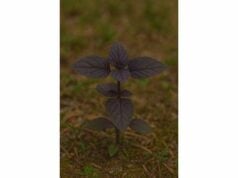
Purple sage is a richly aromatic cultivar of common sage, grown as much for its dusky purple leaves as for its culinary and medicinal value. Botanically, it belongs to Salvia officinalis, the same species that has a long history in European herbal medicine for sore throats, digestive discomfort, excessive sweating, and general mouth and gum care. What makes the purple form interesting is that it keeps the familiar sage profile while adding ornamental appeal and, likely, a somewhat different balance of plant pigments and volatile oils.
For most practical health questions, purple sage is best understood as a close medicinal relative of common sage rather than a completely separate herb. Its likely benefits include support for mild throat and mouth irritation, short-term help with bloating or sluggish digestion, and broader antioxidant activity linked to its essential oils and polyphenols. Some common sage extracts have also been studied for menopausal hot flashes and aspects of cognition, though this evidence belongs mainly to the species as a whole, not specifically to the purple cultivar. That distinction matters, because it helps keep the article both useful and honest.
Key Takeaways
- Purple sage is best understood as a cultivar of common sage, so most medicinal evidence comes from Salvia officinalis leaf rather than from cultivar-specific trials.
- It is most credibly used for mild mouth and throat inflammation, digestive discomfort, and support for excessive sweating.
- A traditional oral range is about 1 to 2 g of dried leaf as tea in 150 mL of hot water, up to 3 times daily.
- Avoid concentrated sage preparations during pregnancy and breastfeeding, in children under 18 for medicinal use, and in people with seizure disorders or heavy exposure to thujone-containing products.
Table of Contents
- What Purple Sage Is and How It Differs from Common Sage
- Key Ingredients in Purple Sage and What They Do
- Purple Sage Health Benefits and What Is Best Supported
- How Purple Sage Is Used for the Mouth, Throat, Digestion, and Sweating
- Purple Sage for Cognition, Hot Flashes, and Modern Interest
- Purple Sage Dosage, Preparations, and Practical Use
- Safety, Side Effects, Interactions, and Who Should Avoid It
What Purple Sage Is and How It Differs from Common Sage
Purple sage, usually sold as Salvia officinalis ‘Purpurascens,’ is a cultivated form of common sage rather than a separate medicinal species. That is the most important fact to establish at the start, because many readers assume the purple leaf color must signal a different herb with a different evidence base. In reality, purple sage belongs to the same species long used in European herbal medicine and kitchen traditions. The leaves are aromatic, slightly bitter, warming, and strongly resinous, with a familiar sage profile that becomes more muted and grey-green as older foliage matures.
The purple tint is a horticultural feature, but it may also hint at shifts in pigment chemistry. Purple foliage in herbs often reflects anthocyanin pigments layered onto the plant’s normal background of polyphenols, aromatic terpenes, and leaf resins. That does not automatically make purple sage more medicinal than green sage. It simply means the cultivar may have a somewhat different balance of compounds. The key direct cultivar study suggests that common sage and its ornamental cultivars, including ‘Purpurascens,’ contain the same volatile compounds, with differences mainly in the ratio of those compounds rather than in a completely different chemical identity.
That is why most medicinal information about purple sage is drawn from the broader literature on Salvia officinalis leaf. Herbal monographs, clinical trials, and pharmacology papers almost always discuss the species, not the cultivar. So when someone asks what purple sage may help with, the most accurate answer is: probably much the same set of uses associated with common sage, but with less direct cultivar-specific proof.
Traditionally, sage leaf has been valued for four broad kinds of use:
- mild inflammation in the mouth and throat,
- digestive complaints such as bloating or sluggish digestion,
- excessive sweating,
- and topical support for minor skin inflammation.
Purple sage fits naturally into that framework. It is also, of course, a culinary herb, and that matters more than many wellness guides admit. Small amounts used in food are not the same as medicinal dosing. Culinary use is generally modest and low risk, while concentrated extracts, tinctures, essential oils, or prolonged medicinal use deserve more thought.
A good mental model is to treat purple sage as common sage with a horticultural accent. That helps avoid two common mistakes: dismissing it as merely ornamental, or exaggerating it into a special medicinal breakthrough because of its color. It is best seen as a handsome cultivar of a respected traditional herb, with likely similar strengths, similar limitations, and the same need for sensible dosing and safety awareness.
Key Ingredients in Purple Sage and What They Do
Purple sage’s medicinal interest comes from the same kinds of compounds that define common sage leaf: essential oils, polyphenols, diterpenes, and bitter aromatic constituents. Even though the purple cultivar has not been studied as extensively as the standard green form, its likely medicinal actions can be explained by this familiar Salvia officinalis chemistry.
The major compound groups include:
- Essential oil terpenes, especially thujone, camphor, and 1,8-cineole
- Phenolic acids, particularly rosmarinic acid
- Diterpenes, including carnosic acid and carnosol
- Flavonoids and other polyphenols
- Likely pigment-related compounds, including anthocyanin-associated coloration in younger purple leaves
These compounds do different jobs. The essential oils are largely responsible for the herb’s strong scent, warming taste, antimicrobial activity, and some of its throat and mouth uses. The polyphenols and diterpenes are more closely linked to antioxidant and anti-inflammatory actions. Rosmarinic acid, in particular, appears again and again in the wider sage literature as one of the plant’s most important nonvolatile constituents. Carnosic acid and carnosol are also widely studied for their antioxidant potential.
Thujone deserves special mention because it is central to both sage’s activity and its safety limits. Sage is not unique in containing thujone, but it is one of the better-known culinary and medicinal herbs where thujone matters. In small traditional leaf preparations, sage is often well tolerated, but concentrated essential oil or very high intake can raise neurotoxicity concerns. That is why serious sage guidance always distinguishes between leaf tea and essential oil, and why purple sage should not be treated as harmless just because it is familiar in the garden.
For practical readers, the chemistry translates into a few likely mechanisms:
- mild antimicrobial and astringent support in the mouth and throat,
- warming bitter-aromatic support for digestion,
- modulation of sweating and secretions,
- and broader antioxidant activity that has encouraged interest in cognitive and menopausal research.
Compared with a more overtly soothing herb like chamomile for gentle anti-inflammatory support, purple sage is drier, more aromatic, and more toning. It does not primarily coat tissues or soften irritation. Instead, it tends to tighten, stimulate, and sharpen. That difference helps explain why sage often shows up in gargles, mouth rinses, digestive teas, and short-term formulas rather than in deeply demulcent blends.
The bottom line is that purple sage is chemically active in the same general way common sage is active. Its purple color may add visual appeal and perhaps small phytochemical shifts, but the medicinal story still depends mostly on the classic sage balance of essential oils, phenolic acids, and antioxidant diterpenes. That makes it useful, but it also makes careful preparation and dosing more important than many people assume.
Purple Sage Health Benefits and What Is Best Supported
The safest and most useful way to discuss purple sage benefits is to rank them by confidence. Because direct studies on the ‘Purpurascens’ cultivar are limited, the evidence comes mainly from Salvia officinalis leaf generally. That gives us a strong traditional foundation and a modest but meaningful clinical literature, especially for a few focused uses.
The most credible benefits are:
- Relief of mild mouth and throat inflammation
- Support for mild dyspeptic complaints such as bloating or sluggish digestion
- Help with excessive sweating
- Adjunctive support in some menopausal symptom settings
- Possible support for selected aspects of cognition, especially short-term attention and working memory
The first three belong to traditional herbal use and official monograph support. In other words, they are not based on one dramatic modern trial but on a long pattern of use judged plausible and established enough for traditional indications. For everyday readers, this matters more than splashy lab findings. Sage has a practical history as a gargle, rinse, tea, and aromatic bitter. Purple sage likely shares that practical value.
Modern research adds more interest, though not always with the same certainty. Sage extracts have been studied for menopausal hot flashes, with some encouraging results, but the evidence is not definitive enough to present purple sage as a standalone menopause treatment. Likewise, cognitive studies suggest that some sage preparations may support memory, accuracy, or alertness, especially in structured extract form. Still, this is not the same as saying garden purple sage tea is a proven nootropic.
What purple sage does especially well is fill the space between food and medicine. It is stronger and more medicinally specific than many kitchen herbs, but milder and more familiar than highly specialized botanicals. A sage gargle for a mildly irritated throat or a warm sage tea after a heavy meal has a logic that still holds up well today.
It is also worth mentioning what is not well supported. Purple sage should not be oversold for cancer prevention, diabetes control, hormonal balance in general, or major mood disorders. Sage chemistry is interesting, and many lab studies are promising, but the leap from biochemical activity to reliable clinical outcome is often exaggerated in online health writing.
This is also why comparisons help. For example, someone looking for a sharper digestive stimulant may find overlap with ginger for digestive warmth and motility, while someone looking for a more drying, toning mouth and throat herb may appreciate what sage offers. Purple sage is not a cure-all, but it does have a coherent profile: aromatic, mildly antimicrobial, mildly anti-inflammatory, toning, and useful in everyday upper-respiratory and digestive self-care.
When its benefits are framed that way, purple sage becomes more trustworthy and more practical. It may support several common complaints well, but it works best when expectations are specific and the preparation matches the purpose.
How Purple Sage Is Used for the Mouth, Throat, Digestion, and Sweating
Purple sage is most useful when it is matched to the kinds of everyday problems sage has traditionally been used for. This is not mainly an herb for vague “detox” or broad immune claims. It has a narrower and more practical set of uses that make sense in home herbal care.
For the mouth and throat, sage is classically used as a gargle, rinse, or strong infusion. This is where its aromatic oils and toning character make the most sense. When the throat feels mildly inflamed, the mouth feels irritated, or the gums seem tender, a sage infusion can act as a cleansing, astringent, and soothing rinse. Its effect is not slippery like marshmallow or licorice. Instead, it feels drying, tightening, and cleansing. That makes it especially suited to boggy or inflamed tissues rather than to deep dryness alone.
For digestion, purple sage works best when the complaint is mild and functional: bloating after meals, heavy digestion, low digestive tone, or a sense that food is just sitting in the stomach. Sage is bitter-aromatic and gently stimulating, so it can help wake up digestion rather than merely soothe it. In this way, it can sit beside herbs like peppermint for digestive and upper-respiratory comfort, though sage is usually drier and more resinous.
For excessive sweating, the traditional use is especially interesting. Sage has been used for years to reduce perspiration, including menopausal sweating in some settings. This does not mean it will stop all sweating or fix the cause. But it remains one of the more distinctive traditional herbs for people who feel overly perspiring without a major medical explanation.
Common practical uses include:
- sipping a warm infusion after meals,
- using a cooled infusion as a gargle,
- taking short courses for transient throat irritation,
- and using leaf preparations during periods of unwanted sweating.
A few important boundaries help keep use realistic:
- Sage is better for mild, uncomplicated symptoms than for severe ones.
- A rinse or tea can support comfort, but it does not replace dental or medical care.
- The herb works best short term and purposefully, not as an indefinite self-prescribed routine.
- Concentrated essential oil should not be confused with a household sage tea.
For topical or mouth care comparisons, purple sage is closer to a tonic herb than a soft skin soother. It has more in common with thyme in aromatic throat and mouth support than with bland soothing demulcents. That is part of its value. It does not try to do everything. It serves a clear role: to tone, freshen, and support mildly inflamed or sluggish tissues in the mouth, throat, and digestive tract.
Purple Sage for Cognition, Hot Flashes, and Modern Interest
The modern excitement around sage goes beyond sore throats and digestive tea. In the last two decades, Salvia officinalis has attracted growing interest for menopausal symptoms and cognition. This is one of the more intriguing parts of the sage story, but it also requires careful wording, especially when discussing purple sage specifically.
For hot flashes and menopausal symptoms, sage leaf extracts have shown encouraging findings in some clinical studies and reviews. The general pattern suggests that certain sage preparations may help reduce the frequency of hot flashes in postmenopausal women. That does not mean every sage tea, every purple sage leaf, or every supplement works the same way. Product type matters, and many studies use proprietary extracts rather than household infusions.
For cognition, the evidence is also promising but not decisive. Some studies of sage extracts suggest improvements in attention, working memory, or task accuracy, especially in acute testing or over several weeks. Mechanistically, sage appears interesting because it combines aromatic terpenes with polyphenols, and both classes may influence pathways relevant to brain function. Still, this is not a blank check to call purple sage a proven memory herb.
That distinction matters more than it may seem. A cultivated purple sage in the garden is botanically close to common sage, and it likely shares many of the same active groups. But the clinical studies were not designed around the ‘Purpurascens’ cultivar. They were designed around defined sage products. So a careful article should say this plainly: purple sage likely belongs in the same conversation as common sage, but the better human evidence belongs to standardized Salvia officinalis preparations, not to the ornamental cultivar as such.
There is also a risk of turning “interesting” into “settled.” Sage is not a replacement for menopause care, cognitive assessment, or medical treatment of memory decline. The right takeaway is narrower and more useful:
- sage may have clinically relevant effects in selected menopause and cognition settings,
- the evidence is stronger for extracts than for casual culinary use,
- and purple sage is best viewed as a close botanical stand-in, not as the direct trial-tested product.
Compared with a classic memory herb such as rosemary for memory and antioxidant support, sage occupies a similar aromatic-cognitive space, though the preparations studied and the intensity of evidence differ. In real life, this means purple sage may be a reasonable herb to know about if you are interested in the broader medicinal potential of Salvia officinalis. It does not mean the purple cultivar should be marketed as a proven treatment for hot flashes, brain fog, or age-related decline.
Handled honestly, this modern research adds depth rather than hype. It shows that sage is more than an old kitchen herb, but it also reminds us that promising data still need careful interpretation.
Purple Sage Dosage, Preparations, and Practical Use
Purple sage dosing should follow the broader medicinal guidance for Salvia officinalis leaf. Because direct cultivar-specific dosing data are sparse, it is more accurate to rely on established sage leaf ranges than to invent a separate dosage system for ‘Purpurascens.’
A traditional adult tea range is:
- 1 to 2 g of dried leaf
- in about 150 mL of boiling water
- taken as an infusion up to 3 times daily
That is a useful baseline for mild digestive complaints or general medicinal tea use. For a rinse or gargle, sage preparations are often made a bit stronger or used more frequently in diluted form. Herbal monograph guidance also includes liquid extracts and tinctures for gargles and mouth use, but those are product-specific and should follow the label or a clinician’s instructions.
The form matters a great deal. Purple sage can be used as:
- fresh leaf, mostly for culinary or mild home infusion use,
- dried leaf, for tea or gargle,
- tincture or liquid extract, for more standardized medicinal use,
- topical infusion, for mild skin or oral applications.
What should generally not be treated casually is sage essential oil. Essential oil is far more concentrated than leaf tea and can carry more meaningful thujone-related risk. It is not equivalent to drinking tea made from the leaves in your garden.
Timing depends on the goal:
- After meals makes sense for digestive support.
- As a gargle during the day fits mouth and throat use.
- During periods of excessive sweating may be more helpful when taken consistently for a short period.
- For cognitive or menopause-oriented uses, standardized extracts are more relevant than culinary-style tea.
A few practical mistakes are worth avoiding:
- Using large amounts every day because the herb is familiar from cooking.
- Confusing a leaf infusion with concentrated essential oil.
- Treating purple sage as stronger just because the leaves are purple.
- Assuming fresh garden leaf and commercial extract have identical potency.
For gentle household use, purple sage often works best as a purposeful short-course herb rather than a constant daily ritual. A modest infusion can be useful, a gargle can be very practical, and culinary use is usually straightforward. If someone needs stronger or more targeted support, it is often wiser to use a well-defined sage product than to keep increasing homemade amounts.
Compared with a more aromatic relaxation herb such as lemon balm for calm and digestive support, purple sage is more drying, more bitter, and more toning. That difference is useful when choosing the right herb for the right person. Purple sage is at its best when the goal is mild stimulation, tightening, and aromatic support, not heavy sedation or deep mucosal soothing.
Safety, Side Effects, Interactions, and Who Should Avoid It
Purple sage is generally manageable in culinary amounts, but medicinal use deserves more care. The main safety issue is not the leaf tea most people make at home. It is the concentration of certain constituents, especially thujone, in stronger preparations or prolonged high intake. This is why medicinal sage should be treated with more respect than many common kitchen herbs.
Potential side effects can include:
- dry mouth or throat from its astringent, drying nature,
- stomach irritation in sensitive people,
- nausea if taken too strongly,
- and, with concentrated products, possible neurologic risk linked to thujone exposure.
The most important distinction is between leaf preparations and essential oil. Medicinal leaf tea, gargles, and moderate extracts are one category. Essential oil is another. Sage essential oil can contain much higher levels of thujone and related compounds, which is why official guidance places limits on thujone exposure and why essential oil is not a casual home remedy.
People who should avoid sage medicinally or use it only with professional guidance include:
- pregnant or breastfeeding people, because safety has not been established,
- children and adolescents under 18 for medicinal use, especially outside culinary amounts,
- people with seizure disorders, because high thujone exposure may be problematic,
- those taking multiple concentrated herbal extracts or essential oils,
- and people with hormone-sensitive conditions, particularly if using menopause-oriented products without supervision.
Drug interactions are not always dramatic or well documented, but caution is still reasonable. Concentrated sage products may not combine well with other strongly stimulating essential oils or with self-designed supplement stacks. People using anti-seizure medication or any complex neurologic regimen should be especially careful with concentrated sage preparations.
Duration matters too. Traditional guidance for throat, digestive, or skin complaints often assumes short-term use. If symptoms persist, the answer is not always “use more sage.” A sore throat that lasts, ongoing bloating, or unusual sweating deserves evaluation rather than indefinite self-treatment.
There is also a pattern-matching issue. Purple sage is not ideal for everyone. It tends to suit mildly damp, boggy, or sluggish situations better than very dry, irritable, overheated tissues. Someone with a parched throat, a highly irritated stomach, or a tendency toward dryness may prefer something softer, such as marshmallow root for moistening support, rather than more drying sage.
A realistic safety summary is simple: purple sage leaf is usually reasonable in food and modest short-term leaf preparations, but concentrated products deserve care, especially because of thujone. Treat the herb as useful and active, not as automatically harmless. That mindset protects its best uses without turning a respected traditional plant into a casual all-purpose supplement.
References
- Chemical and genetic relationships among sage ( Salvia officinalis L.) cultivars and Judean sage ( Salvia judaica Boiss.) 2009 (Cultivar Chemistry Study)
- Salviae officinalis folium – herbal medicinal product | European Medicines Agency (EMA) 2017 (Official Monograph Page)
- The Effect of Salvia Officinalis on Hot Flashes in Postmenopausal Women: A Systematic Review and Meta-Analysis 2023 (Systematic Review)
- A mouth rinse based on a tea solution of Salvia officinalis for oral discomfort in palliative cancer care: a randomized controlled trial 2021 (RCT)
- The Acute and Chronic Cognitive Effects of a Sage Extract: A Randomized, Placebo Controlled Study in Healthy Humans 2021 (RCT)
Disclaimer
This article is for educational purposes only and is not medical advice. Purple sage is a cultivar of common sage, and most medicinal evidence comes from the broader Salvia officinalis literature rather than from direct studies on the cultivar itself. Do not use sage to self-treat persistent throat pain, chronic digestive symptoms, unusual sweating, menopausal symptoms that need evaluation, or memory concerns without professional guidance. If you are pregnant, breastfeeding, under 18, have a seizure disorder, or plan to use concentrated sage extracts or essential oil, speak with a qualified healthcare professional first.
If this article was helpful, please consider sharing it on Facebook, X, or another platform you prefer so more readers can find balanced, practical information about purple sage.