Radical weed, better known to many botanists and foragers as Carolina horsenettle, is a prickly member of the nightshade family with a long, complicated reputation. On one hand, older herbal texts described it as an antispasmodic plant used in carefully prepared extracts for convulsive disorders, cough, and occasional topical complaints. On the other, modern toxicology and plant science make one point very clear: this is not a casual wellness herb. Its medicinal interest centers on steroidal glycoalkaloids and related alkaloids that may help explain historical reports of antispasmodic, antimicrobial, and anti-inflammatory activity, but these same compounds also contribute to the plant’s narrow safety margin.
That combination makes radical weed more useful as a subject of informed caution than as a routine self-care remedy. A well-rounded guide therefore has to do two things at once: explain why the plant attracted medicinal interest in the first place, and explain why most people should not experiment with it at home. The sections below cover its chemistry, possible benefits, traditional uses, historical dosage, and the safety issues that matter most.
Key Insights
- Radical weed’s main therapeutic interest comes from steroidal glycoalkaloids, which may have antispasmodic and antimicrobial activity.
- Historical use also points to possible topical soothing and nervine effects, but modern human evidence is still very limited.
- Historical Eclectic extracts were measured at about 10 to 30 drops, yet no modern evidence-based self-care dose has been established.
- Children, pregnant or breastfeeding people, and anyone with seizure, heart, liver, or significant gastrointestinal concerns should avoid it.
Table of Contents
- What Radical Weed Is and How to Recognize It
- Key Ingredients and Medicinal Properties of Radical Weed
- Potential Health Benefits and What the Evidence Actually Shows
- Traditional Uses, Modern Applications, and Safer Alternatives
- Dosage, Preparation, and Why Self-Use Is Not Routinely Advised
- Side Effects, Interactions, and Who Should Avoid It
What Radical Weed Is and How to Recognize It
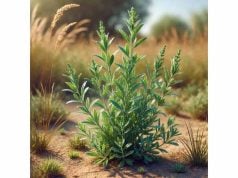
Radical weed is one of several common names used for Solanum carolinense, a perennial North American nightshade more widely called Carolina horsenettle, horse nettle, bull nettle, devil’s tomato, or wild tomato. Despite the name, it is not a true nettle. It belongs to the same broad family as tomato, potato, and eggplant, but it behaves very differently in the field and should never be treated like an edible garden relative.
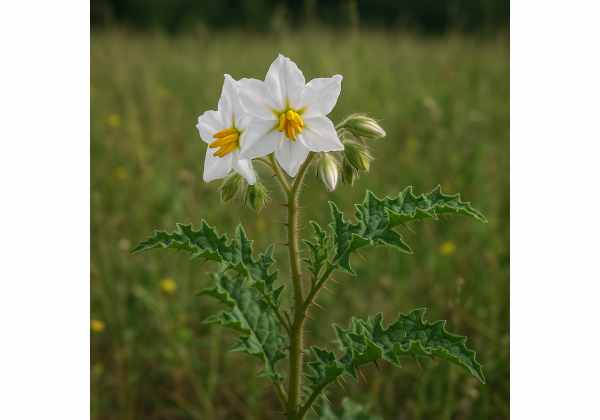
The plant usually grows as a thorny herb or low subshrub in sunny, disturbed places such as roadsides, pastures, field margins, waste ground, and rough garden edges. It spreads both by seed and by underground rhizomes, which helps explain why it often forms stubborn patches. Mature stems and even the undersides of leaf veins can carry sharp prickles. The leaves are dull green, irregularly lobed or wavy, and covered with fine star-like hairs. Flowers are typically pale violet to white with a bright yellow center, giving the plant a deceptively attractive look during bloom season.
Its berries are one of the most important identification clues. They begin green and striped, looking somewhat like miniature tomatoes, then turn yellow as they mature. That tomato-like appearance is one reason accidental tasting can happen. The fruit, however, is part of the safety problem rather than a food source.
From a medicinal perspective, identification matters for two reasons. First, historical herbal use focused mainly on the root and, at times, the berries in processed form rather than on random fresh plant material. Second, potency can vary by plant part, maturity, and growing conditions. A person cannot assume that one homemade tea or tincture resembles an old pharmacy extract.
It is also worth understanding the plant’s reputation. Radical weed sits in the uncomfortable space between “historically used” and “clearly risky.” Older herbals sometimes described it with respect, especially for spasm-related complaints. Modern agricultural and toxicology sources, however, often discuss it as a poisonous weed affecting livestock and, in larger exposures, humans as well. That difference in framing is not a contradiction. It reflects the fact that many potent plants can have both pharmacologic activity and meaningful toxicity.
For readers exploring the subject out of herbal curiosity, the most important takeaway is simple: radical weed is a genuine medicinal-history plant, but it is not a beginner’s herb, not an edible wild plant, and not something to experiment with casually.
Key Ingredients and Medicinal Properties of Radical Weed
The medicinal discussion around radical weed begins with its alkaloid chemistry. Like other members of the Solanum genus, Solanum carolinense contains steroidal glycoalkaloids and related alkaloid compounds. Older analyses described solanine and solanidine-like fractions, while later work on Solanum chemistry more broadly points to a family of steroidal alkaloids and aglycones that can affect membranes, enzymes, and cell signaling. Historical literature on this species also mentioned an alkaloid called solnine, though that older naming does not map neatly onto modern phytochemical terminology.
In practical terms, these compounds explain why the plant attracted medicinal interest. Steroidal glycoalkaloids are biologically active. In laboratory settings and broader Solanum research, related compounds have shown antimicrobial, anti-inflammatory, membrane-active, and cytotoxic effects. That helps support the old observation that the plant was not chemically inert. People noticed effects because real pharmacology was present.
At the same time, the same chemistry explains the plant’s risk profile. Glycoalkaloids are not gentle tonics. They can irritate the mouth and gastrointestinal tract, affect the nervous system, and contribute to more serious toxic effects at higher exposures. That is why radical weed should be viewed as a high-potency botanical with a narrow margin for error rather than as a routine household herb.
Several medicinal properties are traditionally associated with the plant:
- Antispasmodic potential: This is the classic historical claim. Older practitioners used prepared extracts for convulsive or spasm-related conditions.
- Nervine or sedative-like action: Some historical accounts describe a calming or seizure-modulating effect, though this was never established to modern clinical standards.
- Topical soothing activity: Folk use sometimes extended to external preparations for irritated skin or localized discomfort.
- Antimicrobial and insecticidal relevance: Modern plant literature on Solanum species supports the idea that their alkaloids can deter insects and exert biologic activity, though that is not the same as proving safe human therapeutic use.
Other plant constituents may contribute in smaller ways. Researchers studying Solanum species describe accompanying phenolic compounds, saponin-like substances, and other secondary metabolites that may modulate oxidative stress or inflammation. Radical weed also has prickles and irritating surface hairs, which matter physically even apart from its chemical profile.
One more point is easy to miss: “key ingredients” are not fixed at one concentration. The berries, leaves, and roots do not necessarily carry the same alkaloid pattern, and maturity matters. That variability is one reason old dispensatory-style extracts cannot be safely replicated from fresh, home-harvested material.
Anyone drawn to alkaloid-rich herbs for respiratory or spasm-related folklore should remember that potency and safety often move together. That same lesson appears with other caution-heavy botanicals such as lobelia’s better-known alkaloid profile, where the chemistry is real but careful handling is essential.
Potential Health Benefits and What the Evidence Actually Shows
When people search for the health benefits of radical weed, they usually expect a familiar herb profile with clear modern uses. That is not what the evidence supports. The more accurate answer is that the plant has historical medicinal claims, plausible pharmacologic activity, and very limited modern human evidence. That distinction matters.
The benefit most consistently attached to radical weed in older sources is antispasmodic action. Historical practitioners used it for tetanus-like spasms, convulsions, epilepsy, and other nervous-system complaints. From a modern perspective, this claim is plausible only in the broadest sense: biologically active alkaloids can affect neuromuscular and autonomic pathways. But there are no strong contemporary clinical trials showing that whole-plant radical weed is an evidence-based treatment for seizure disorders, muscle spasm, or respiratory constriction.
A second possible benefit is topical soothing or anti-irritant use. Folk medicine sometimes applied preparations externally for localized discomfort or skin complaints. Again, this is not the same as having modern dermatologic evidence. It only tells us that communities perceived some effect when the plant was used in specific ways. Because topical use still carries irritation risk, it should not be treated as automatically safe.
A third area is antimicrobial or anti-inflammatory potential. Broader Solanum research shows that glycoalkaloids and related compounds can demonstrate antimicrobial and anti-inflammatory actions in lab models. That makes radical weed chemically interesting, but it does not justify routine self-dosing with the whole herb. Lab activity often disappears once questions of absorption, toxicity, and real-world dosing are considered.
There is also a more modern, nontraditional angle: bioactive compound discovery. Researchers are interested in Solanum chemistry not only for human pharmacology but also for pest management, plant defense, and drug-development leads. In other words, the plant may be valuable to science even if it is not a good self-care herb.
So what can a reader honestly take away?
- The plant may contain compounds with meaningful pharmacologic potential.
- Historical reports of antispasmodic and sedative-like effects are not baseless folklore.
- Whole-plant use has not been validated by modern human trials in a way that would support general recommendation.
- Toxicity concerns are strong enough that the “benefits” question should always be paired with a “risk” question.
That is why radical weed is best viewed as a research-interest herb with a difficult safety profile, not as a standard botanical remedy. People seeking gentle support for cough, chest tightness, or mild irritation are usually better served by herbs with a clearer safety tradition, such as grindelia for respiratory and topical support, rather than by experimenting with a prickly toxic nightshade.
Traditional Uses, Modern Applications, and Safer Alternatives
Radical weed has a more substantial historical record than many people expect. Nineteenth-century American herbal and Eclectic sources described it as a plant used in prepared extracts, especially for spasm-related conditions. Reports linked it with tetanic states, chorea, hysteria-related convulsions, puerperal eclampsia, and certain seizure patterns. Some old writers also discussed its use in respiratory complaints or in conditions where a sedative, antispasmodic effect was desired.
That historical record is worth knowing, but it should be interpreted carefully. Traditional use tells us that experienced practitioners saw the plant as pharmacologically active. It does not tell us that the plant is safe by modern standards, or that these conditions should be approached with herbal self-treatment today. Several of the problems mentioned in old texts are medical emergencies in the present day.
External use has also appeared in folk practice. Crushed material, poultice-style applications, or compound preparations were sometimes used for localized discomfort. The problem is that radical weed is not just chemically active; it is also physically irritating. Prickles, hairy surfaces, and variable alkaloid content make crude home application a poor fit for modern self-care.
As a result, radical weed has only a narrow place in modern herbal discussion:
- Historical education: It remains important as an example of how strong nightshade botanicals were once handled in professional dispensatory traditions.
- Phytochemical interest: Researchers may study its alkaloids and related compounds for broader pharmacologic or agricultural uses.
- Clinical caution: It reminds modern herbal readers that “traditional use” is not the same thing as “good over-the-counter herb.”
For most people, modern application means not using the whole plant internally unless under truly specialized professional oversight. Even then, many clinicians would prefer plants with a better-defined benefit-risk balance.
This is where safer alternatives matter. If the interest is in skin-soothing herbal care, plants with a longer and gentler topical tradition make more sense. For example, calendula’s topical use profile is much easier to justify in ordinary skin support than radical weed. If the interest is respiratory comfort, antispasmodic folklore, or chest support, it is usually better to reach for better-characterized options rather than a toxic nightshade.
In short, radical weed’s “uses” are best divided into two categories: historical uses that help explain its reputation, and modern uses that are mostly limited to research, teaching, and careful phytochemical interest. That is a valid kind of usefulness, but it is very different from saying the herb belongs in everyday home practice.
Dosage, Preparation, and Why Self-Use Is Not Routinely Advised
The most responsible way to discuss dosage for radical weed is to separate historical dosage from modern recommendation. Modern recommendation comes first: there is no well-established, evidence-based self-care oral dose for Solanum carolinense that can be recommended for the general public.
That said, older dispensatory sources did record dose ranges for pharmaceutical-style preparations. Historical Eclectic literature described:
- Fluid extract: about 10 to 60 drops
- Specific Solanum carolinense extract: about 10 to 30 drops
These numbers are helpful as historical context because they show how cautiously the plant was handled. The doses were measured in drops, not in heaping teaspoons or kitchen-style handfuls. That alone tells you the herb was treated as a potent medicine rather than a casual tea herb. It also explains why copying old usage with fresh plant material is unsafe. A drop-range extract prepared by a trained pharmacist is not comparable to a home decoction made from roots, leaves, or berries of uncertain potency.
Several factors make dosage especially difficult:
- Variable chemistry: Alkaloid content shifts by plant part, maturity, season, and preparation.
- Narrow margin for error: The same compounds linked with activity are also linked with toxicity.
- No standardization: Most people have no access to a validated, standardized modern preparation.
- Poor modern evidence: Without clinical trials, there is no reliable way to convert old ranges into present-day best practice.
Preparation methods mentioned historically included fluid extracts and specific tincture-like preparations rather than everyday infusions. That is another important clue. Radical weed was generally not handled like chamomile, mint, or similar familiar herbs. In fact, people looking for a more practical kitchen-herb approach to mild digestive or respiratory discomfort are usually better off with something like peppermint in traditional digestive and airway support than with a toxic nightshade requiring drop-level caution.
A sensible dosage summary therefore looks like this:
- Historical range exists: 10 to 30 drops for certain specific extracts, with some old sources extending fluid extract use to 60 drops.
- Modern self-care range does not exist: no validated oral dose can be recommended for home use.
- Fresh plant use is not advised: especially not berries, homemade tinctures, or crude powders.
- Children and vulnerable groups should not receive it: even historical interest does not justify experimentation.
If a reader came here mainly for a number, the most honest answer is that radical weed is one of those plants where the presence of a historical dose should increase caution, not confidence.
Side Effects, Interactions, and Who Should Avoid It
Safety is the most important section in any serious article on radical weed. The plant is a toxic nightshade, and that fact should remain front and center even when discussing its older medicinal reputation.
The most common concern is gastrointestinal irritation. Exposure to active glycoalkaloids can irritate the mouth, throat, stomach, and intestines. Nausea, vomiting, abdominal pain, diarrhea, and a scratchy or burning sensation are among the problems most often described with solanaceous alkaloid exposure.
At higher or more significant exposures, neurologic and systemic symptoms become more concerning. Weakness, trembling, unsteadiness, visual changes, marked lethargy, unusual agitation, or worsening depression of normal function can occur. Severe poisonings in the broader nightshade context may involve breathing difficulty, circulatory compromise, or coma. Even if those outcomes are uncommon, they are serious enough that radical weed should not be treated casually.
Other practical safety points matter too:
- Prickles and hairs can irritate skin mechanically, even without ingestion.
- Berries are a special risk, because their appearance can tempt accidental tasting.
- Children, pets, and livestock are especially vulnerable because they may investigate by mouth.
- Season and maturity may change toxicity, which makes home dosing even less predictable.
As for interactions, direct modern clinical data are limited, but caution is warranted with any medicine that affects the nervous system, digestion, or autonomic balance. That includes sedatives, seizure medicines, strong anticholinergic agents, and botanicals or drugs that could magnify neurologic side effects. People with a history of seizures, serious arrhythmias, significant liver disease, heavy polypharmacy, or fragile gastrointestinal health should treat radical weed as inappropriate for self-use.
The people who should clearly avoid it include:
- Pregnant or breastfeeding people
- Children and adolescents
- Anyone with seizure disorders unless under direct specialist care
- Anyone with serious heart, liver, or gastrointestinal disease
- Anyone taking multiple nervous-system-active medications
- Anyone considering foraged or homemade preparations
For external care, it is also sensible to avoid radical weed on broken, inflamed, or highly reactive skin. If the goal is simply mild astringent or skin-comfort support, a more conservative choice such as witch hazel for topical use makes much more sense.
Urgent evaluation is appropriate after meaningful ingestion, especially if a child has eaten berries or if symptoms include repeated vomiting, weakness, tremor, confusion, breathing difficulty, or severe abdominal pain. In a YMYL context, the safest conclusion is straightforward: radical weed may be pharmacologically interesting, but for most people its risks outweigh its practical benefits.
References
- Solanum carolinense 2023 (Official Government Plant Risk and Toxicity Document)
- Recent advances in steroidal glycoalkaloid biosynthesis in the genus Solanum 2023 (Review)
- Review on toxicology and activity of tomato glycoalkaloids in immature tomatoes 2024 (Review)
- Occurrence, Pharmacological Properties, Toxic Effects, and Possibilities of Using Berries from Selected Invasive Plants 2025 (Review)
- Solanum Carolinense.—Horse-nettle. 1898 (Historical Dispensatory Reference)
Disclaimer
This article is for educational purposes only and is not medical advice, diagnosis, or treatment. Radical weed is a toxic nightshade, and any medicinal discussion of it must be interpreted with caution. Historical use does not establish modern safety or effectiveness. Do not ingest self-prepared radical weed products, and seek urgent medical advice or poison-center guidance after accidental ingestion, especially in children, pets, or livestock.
If you found this article useful, please share it on Facebook, X, or your preferred platform so more readers can approach radical weed with the right balance of curiosity and caution.