Rheumatism root, the old herbal name for Apocynum cannabinum, is a plant with a long medicinal history and a very modern caution attached to it. Native to North America and also known as hemp dogbane or Indian hemp, it was traditionally used for fluid retention, sluggish circulation, and certain painful inflammatory complaints. That history gives it real herbal importance, but it does not make it a casual wellness remedy. In fact, rheumatism root is better understood as a strong, pharmacologically active botanical with a narrow safety margin.
Its most notable compounds include cardiac glycosides such as cymarin and related cardenolides, along with apocynin and other secondary constituents. These ingredients help explain both the plant’s traditional diuretic and cardiotonic reputation and its risk of toxicity. For that reason, the most responsible way to discuss rheumatism root is with balance. It has genuine medicinal interest, especially from a historical and pharmacognostic perspective, but it is not an herb for routine self-care. Readers benefit most from understanding what it is, what it was used for, what its active compounds do, and why safety comes before enthusiasm with this plant.
Quick Overview
- Rheumatism root was traditionally used for fluid retention and certain heart-related complaints rather than as a general wellness herb.
- Its main active compounds are cardiac glycosides, which help explain both its medicinal effects and its toxicity risk.
- A historically cited tincture range is about 0.3 to 0.6 mL daily, but the herb should not be self-dosed casually.
- Avoid use during pregnancy or breastfeeding, in children, and in anyone with heart rhythm disorders or heart medication use.
Table of Contents
- What rheumatism root is and why the name can be misleading
- Key ingredients in rheumatism root
- Potential health benefits and what the evidence supports
- Traditional uses and where the herb earned its reputation
- How rheumatism root has been prepared and used
- Dosage timing and duration
- Safety side effects interactions and who should avoid it
What rheumatism root is and why the name can be misleading
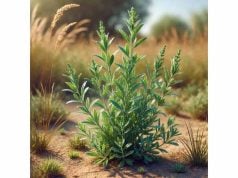
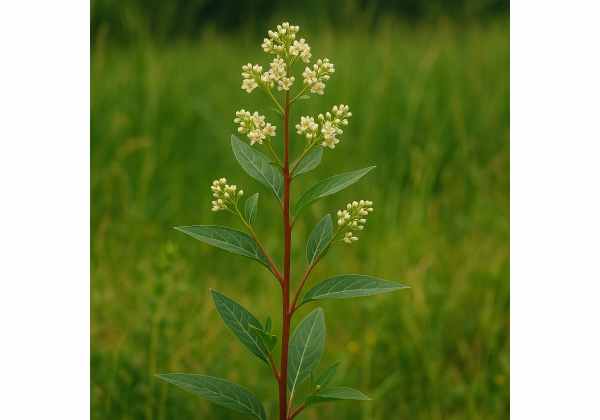
Rheumatism root is the traditional herbal name for Apocynum cannabinum, a perennial plant in the dogbane family. It grows across much of North America and is recognized by its reddish stems, opposite leaves, clusters of small greenish-white flowers, and bitter milky sap. Although one of its common names is “Indian hemp,” it is not a cannabis plant and does not contain THC. The species name cannabinum points to its strong fibrous bark, which was once used for cordage and utility purposes, not to any intoxicating or modern hemp-like effect.
The more misleading common name is “rheumatism root.” It sounds like a mild, joint-focused herb, as though its main purpose were to soothe stiff knees or aching backs. That is only part of the old story. Historically, this plant was often used more seriously for dropsy, fluid retention, and certain heart-related states. In other words, its medicinal identity was tied as much to circulation and edema as to pain. The root was the most valued medicinal part, and it was treated as a potent botanical rather than as a harmless daily tonic.
That distinction matters because names shape expectations. If a reader sees “rheumatism root,” they may assume it belongs beside familiar folk remedies for musculoskeletal discomfort. In truth, it belongs in a more guarded category. The plant contains cardiac glycosides, which are biologically powerful compounds with a small margin between desired effect and toxicity. That puts it closer to the tradition of strong heart-acting botanicals than to the tradition of soothing household herbs. Someone looking for ordinary pain-related support would usually be dealing with a very different level of risk if they explored white willow for musculoskeletal discomfort instead.
Another reason the name can mislead is that it hides the older medical context. Terms such as dropsy, rheumatism, and heart weakness were broad labels in historical practice. They described patterns of symptoms, not modern diagnoses. What older herbalists grouped together under those names may now be separated into heart failure, kidney disease, inflammatory pain disorders, venous insufficiency, or medication-related swelling. That difference means the plant should never be pulled out of its history and dropped into modern self-treatment without careful thought.
So the most accurate introduction to rheumatism root is this: it is a historically respected but potentially dangerous North American medicinal plant whose name sounds softer than its chemistry. That makes botanical identity, medicinal context, and clear safety boundaries essential from the very first paragraph.
Key ingredients in rheumatism root
The most important compounds in rheumatism root are cardiac glycosides, especially cardenolides such as cymarin and related constituents including apocannoside and cynocannoside. These compounds are the main reason the herb earned a serious medicinal reputation. They can influence the heart and circulation in ways that make the plant pharmacologically active, but they also create the herb’s central safety concern. This is not one of those herbs where the active ingredients are mild antioxidants working quietly in the background. The plant contains compounds that can have strong physiologic effects.
The core action of cardiac glycosides is linked to inhibition of the sodium-potassium pump in heart tissue. In practical terms, that can increase the force of cardiac contraction and alter electrical behavior in the heart. That mechanism helps explain why older systems used Apocynum cannabinum in dropsy and heart-related states. It also explains why the herb was never a good candidate for carefree dosing. A plant that can act on the heart strongly enough to be medicinal can also become toxic with relatively small changes in dose, product strength, user sensitivity, or interaction with medicines.
Alongside the cardenolides, the plant also contains apocynin, a naturally occurring compound that later attracted scientific interest for anti-inflammatory and antioxidant activity. Apocynin is sometimes discussed in modern research as a modulator of oxidative stress pathways. That fact is genuinely interesting, but it should not be exaggerated. The presence of a promising compound does not transform the whole root into a routine anti-inflammatory supplement. Whole-plant use still exposes the user to the cardiac glycosides that define the herb’s narrow safety margin.
Other minor constituents reported in the root include tannins, resinous material, fatty components, and carbohydrate fractions such as starch. These probably contribute less to the herb’s identity than the cardenolides and apocynin, but they help complete the phytochemical picture. In traditional herbalism, plants often work as mixtures rather than as single isolated molecules. Even so, with rheumatism root the dominant story remains clear: the chemistry is notable because it is strong.
This is where many casual herb summaries lose accuracy. They focus on the anti-inflammatory interest around apocynin and treat the whole plant as if it were a safe wellness herb for pain or swelling. That skips over the more important fact that the root is still a source of cardioactive compounds. Readers who want perspective on that broader class of plants may find it helpful to compare the subject conceptually with foxglove and other cardiac glycoside plants, even though the plants themselves differ in identity and use.
The best practical takeaway is simple. Rheumatism root contains a chemically meaningful blend, but the key ingredients do not make it casually useful. They make it medically interesting and potentially hazardous. That is the frame that keeps the rest of the article honest.
Potential health benefits and what the evidence supports
When people search for the health benefits of rheumatism root, the most useful answer is not a long list of vague promises. It is a careful ranking of what the plant has historically been used for, what its chemistry plausibly supports, and what remains too risky or too weakly studied to treat as a dependable benefit. This herb has medicinal significance, but not the kind that fits a casual “good for everything” summary.
The most plausible traditional benefit is diuretic support. Rheumatism root was used in older practice for dropsy and fluid retention, which suggests it helped increase urine flow in selected cases. That traditional use aligns with the plant’s long-standing role in circulation and edema complaints. Still, this point needs a modern boundary. Swelling and fluid retention can signal heart, kidney, liver, or vascular problems, so a herb historically used for dropsy is not automatically an appropriate self-care tool today. By comparison, someone seeking a gentler everyday conversation about fluid balance would be in a very different category with dandelion for mild fluid support.
A second historically relevant benefit is cardiotonic activity. Older herbal and pharmacologic traditions valued Apocynum cannabinum because it could influence heart function. This is one of the rare cases where a plant’s “benefit” is inseparable from its danger. A herb that may strengthen cardiac contraction in certain conditions is not automatically desirable in modern unsupervised use. It is precisely the sort of action that requires a known dose, clinical judgment, and awareness of interactions. So while cardiotonic activity belongs in the benefit discussion, it belongs there as a pharmacologic fact, not as an invitation to self-medicate.
The third possible area is anti-inflammatory interest, mostly because of apocynin. Modern laboratory research on apocynin helps explain why the old name “rheumatism root” has some logic behind it. There may be mechanisms relevant to oxidative stress and inflammatory signaling. Yet the evidence for the whole herb as a safe and effective modern anti-rheumatic remedy is limited. It is more accurate to say that the plant contains a compound of anti-inflammatory research interest than to say the herb has proven joint-health benefits.
From a practical standpoint, the evidence hierarchy looks like this:
- Traditional diuretic use for fluid retention.
- Historical cardiotonic use with real pharmacologic basis.
- Indirect anti-inflammatory relevance through a studied constituent.
- No strong case for routine modern self-treatment.
That hierarchy matters because it prevents the common mistake of turning historical potency into modern recommendation. If a reader is hoping this herb is a natural fix for swelling, circulation, or aching joints, the more responsible answer is that its strongest properties are exactly the ones that make it unsuitable for casual use.
Traditional uses and where the herb earned its reputation
Rheumatism root earned its reputation in an era when herbal medicines were often expected to do serious work. It was not just brewed as a pleasant tea or added to a wellness blend. Instead, it appeared in traditions where practitioners were trying to influence fluid balance, circulation, bowel activity, or symptoms that seemed tied to congestive states. This historical setting is the key to understanding why the plant was respected and feared at the same time.
One of its strongest traditional roles was in dropsy, the old term for fluid accumulation or edema. Before modern medicine could easily sort heart failure from kidney disease or other causes of swelling, herbs like Apocynum cannabinum were used to stimulate urination and reduce visible fluid burden. In this sense, the herb was viewed less as a “rheumatism herb” and more as a forceful remedy for a swollen, burdened system. That historical use is important because it explains why the plant remained in serious medical literature rather than only in folk memory.
It was also used in certain heart-related complaints. Older practitioners sometimes saw it as a plant that could support weakened circulation or improve the state of patients whose swelling and fatigue suggested poor cardiac performance. From a modern perspective, that use makes sense mainly because of the cardiac glycosides in the root. It also highlights why the herb fell out of routine practice once regulated heart medicines and better diagnostic tools became available. A standardized drug with measurable dosing is a safer option than a potent crude root for affecting cardiac function.
The “rheumatism” association likely came from the broader older tendency to group swelling, aching limbs, stiffness, and inflammatory pain into overlapping patterns. In that setting, a plant that moved fluid and seemed to relieve congestive discomfort could easily gain a rheumatic reputation. But that does not mean it was primarily a classic joint remedy. The name preserves one part of the tradition, not the full picture.
This wider context also helps explain why modern readers should not romanticize the herb. Some traditional plants remain practical because their use lines up with today’s gentle self-care needs. Rheumatism root is different. Its history is impressive, but it belongs more to the story of powerful medicinal plants than to the story of safe household herbs. Someone looking for broader, gentler cardiovascular-support traditions would be in a completely different conversation with hawthorn for general cardiovascular support.
In short, rheumatism root became famous because it was effective enough to matter in difficult cases. That same fact is also why it requires restraint today. It is a historically important remedy, but not a broad modern recommendation.
How rheumatism root has been prepared and used
The medicinal part of rheumatism root has traditionally been the root or underground portion of the plant. Historical sources describe use in tinctures, fluid extracts, and other concentrated preparations rather than in everyday kitchen-style teas. That already tells you something useful: the herb was approached as a potent medicinal substance, not as a pleasant daily beverage. Concentrated preparations made sense because the root carried the pharmacologically relevant compounds, but they also increased the need for precision.
This is one reason modern use is difficult to discuss casually. With many herbs, preparation style is mostly about convenience or taste. With rheumatism root, preparation style also changes risk. A stronger extract can deliver a more concentrated amount of cardiac glycosides, which reduces the room for dosing error. That is why vague labels and home improvisation are particularly poor fits for this plant.
If a product is marketed today, the safest label features are the plain ones:
- the full Latin name,
- the plant part used,
- the strength or extract ratio,
- the serving amount in a measurable unit,
- and basic caution language.
A product that uses only folk names such as “Indian hemp root” or “rheumatism support tincture” without clear details is not transparent enough for informed use. With a mild herb, that may just be annoying. With Apocynum cannabinum, it is a real safety issue.
Another point worth noting is the difference between whole-herb use and isolated-compound interest. Modern research on apocynin has made some readers curious about the plant, but the root itself is not simply an “apocynin supplement.” A whole-root product exposes the user to the full mix of constituents, especially the cardiac glycosides that define the danger profile. That means a promising lab story about one compound should not be confused with permission to use the crude root casually.
Historically, the herb was used when practitioners wanted a noticeable physiologic effect, not when they wanted a gentle supportive tonic. That makes it fundamentally different from many modern expectations around herbs. People exploring safer traditional options for urinary or fluid-related support often gravitate instead toward plants such as horsetail in urinary-support traditions, which occupy a far less hazardous position in self-care conversations.
So how has rheumatism root been used? Traditionally, in careful, medicinally serious forms. How should that inform modern readers? By reminding them that not every old root belongs in modern unsupervised practice, especially when the plant’s preparation history itself signals potency.
Dosage timing and duration
Dosage is the most sensitive part of any article on rheumatism root because historical dose records exist, yet they do not make self-use safe. Traditional phytotherapy sources describe a daily oral range of about 0.3 to 0.6 mL of a 1:10 tincture, equivalent to a very small amount of dry root. That small range already reveals the nature of the plant. This is not a root customarily taken by the gram in large mugs of tea. It was handled in modest, measured amounts.
What matters even more is that somewhat stronger preparations have historically been associated with intoxication. This is why dosage information for rheumatism root should be read as a warning as much as a guide. In some herbs, a published range suggests a comfortable zone for home use. Here it suggests how little material may separate traditional use from adverse effects. The existence of a dose is not proof of modern suitability.
Timing also deserves context. Because the plant was historically used for effects on fluid balance and circulation, it was not approached as a casual evening tonic or an indefinite wellness formula. It was used for a purpose, observed, and either adjusted or stopped. That pattern is important. Long-term open-ended use of Apocynum cannabinum is not supported by good modern evidence and is difficult to justify from a safety perspective.
A responsible practical summary looks like this:
- Historically cited oral doses were small.
- Stronger or repeated extract use could provoke toxicity.
- Long-term unsupervised use is not appropriate.
- People with cardiovascular, renal, or medication-related complexity should not experiment with it.
- The herb’s dosing history belongs more to trained practice than to self-care.
Readers often want a neat “best dose” line, but that would be misleading here. The more honest answer is that the traditional range exists within a context of caution and toxic potential. That makes rheumatism root very different from familiar herbs where dose discussions mainly revolve around effectiveness. With this plant, dose is part of the safety story from the beginning.
It also helps to remember that dosage cannot be separated from product quality. A poorly labeled tincture or variable extract makes even historically small amounts less predictable. That is another reason modern herbal use has moved away from strong cardioactive roots like this one. Safer alternatives, clearer diagnostics, and better regulated pharmaceuticals have changed the landscape.
So the best dosage guidance is restrained guidance. Yes, historical ranges can be quoted. But the strongest modern takeaway is not how to take more precisely. It is why this herb is unsuited to casual personal experimentation in the first place.
Safety side effects interactions and who should avoid it
Safety is the central issue with rheumatism root. Any honest article about Apocynum cannabinum has to place this section near the end of the reader’s decision path because it changes how every earlier section should be understood. The herb contains cardiac glycosides, and that alone is enough to move it out of the category of everyday self-care herbs. Its traditional benefits and pharmacologic interest are real, but they sit next to a narrow therapeutic margin.
Potential adverse effects include nausea, vomiting, diarrhea, weakness, dizziness, and signs of cardioactive toxicity. Because the herb can influence the heart and circulation, higher exposure or increased sensitivity may create more serious problems, especially in people who already have rhythm issues, heart disease, kidney impairment, or medication interactions. This is not the kind of herb where feeling unwell after a dose should be brushed off as a simple “detox reaction.”
The groups that should avoid unsupervised use include:
- pregnant or breastfeeding people,
- children,
- people with heart rhythm disorders,
- those with known heart disease,
- people with kidney problems,
- anyone taking digoxin or other cardioactive medicines,
- users of diuretics or medicines that alter potassium balance.
Even where formal herb-drug interaction studies are limited, the pharmacology itself justifies caution. Cardiac glycoside effects become more dangerous when electrolyte balance is unstable or when the body is already dealing with prescription medicines that change fluid status, heart conduction, or renal clearance. In real life, that means the herb is a poor fit for people with complex medical histories.
Another major safety issue is misuse for the wrong symptom. A person with swollen ankles, breathlessness, chest pressure, palpitations, unusual fatigue, or persistent unexplained fluid retention needs assessment, not a strong historical root. The same is true for people seeking a “natural diuretic” while already taking prescription drugs. In those cases, rheumatism root does not simplify the situation. It adds another variable to a potentially serious problem.
This is also an herb where “natural” offers no reassurance. Many of the most potent medicinal plants in history are entirely natural and entirely capable of harm. Rheumatism root belongs to that group. It deserves respect as a plant with real medicinal force, but that respect should lead to caution, not casual experimentation.
The final judgment is straightforward. Rheumatism root is historically important, chemically interesting, and potentially toxic. For most readers, the safest takeaway is not how to use it more confidently, but why it should be approached only with professional oversight, if at all.
References
- Apocynum cannabinum 1999 (Regulatory Summary Report)
- Hemp Dogbane (Apocynum cannabinum) 2018 (Official Toxic Plant Monograph)
- Pharmacology of apocynin: a natural acetophenone 2021 (Review)
- Quo vadis Cardiac Glycoside Research? 2021 (Review)
- A comprehensive update on phytochemistry and medicinal developments of apocynin 2025 (Review)
Disclaimer
This article is for educational purposes only and is not medical advice. Rheumatism root contains cardiac glycosides and may be dangerous if self-prescribed, misidentified, overdosed, or combined with heart, kidney, or fluid-balance medicines. Do not use it as a substitute for professional diagnosis or treatment, especially for swelling, palpitations, chest symptoms, shortness of breath, or suspected heart or kidney disease.
If this article helped you, please share it on Facebook, X, or your preferred platform.