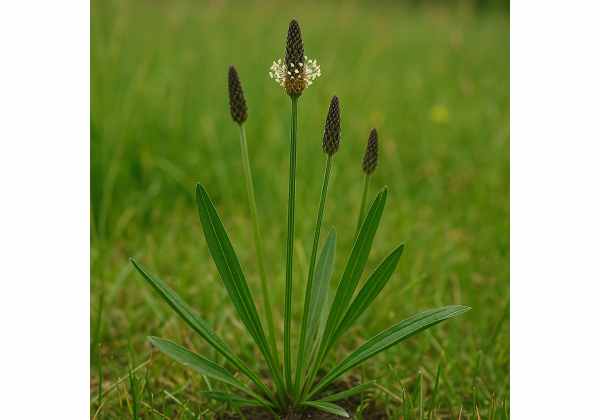
Ribgrass, better known in many herbal texts as ribwort plantain or Plantago lanceolata, is a modest roadside plant with a long medicinal history. Its narrow leaves and upright flower spikes do not look dramatic, yet the herb has been used for centuries to calm irritated throats, ease dry coughs, support minor skin healing, and soothe inflamed tissues. What makes ribgrass interesting is its balanced profile: it contains mucilage-like soothing compounds, polyphenols, iridoid glycosides, and phenylethanoid compounds that help explain its traditional demulcent, antioxidant, antimicrobial, and anti-inflammatory reputation. Modern interest in ribgrass is growing, but the strongest support still comes from long-standing traditional use and pharmacological studies rather than large human trials. That makes it a practical herb, but not a miracle cure. Used thoughtfully, ribgrass can fit well into short-term care for throat irritation, cough associated with colds, and minor skin inflammation. This guide explains what ribgrass contains, how it may work, the best ways to use it, appropriate dosage ranges, and the main safety points to keep in mind.
Quick Overview
- Ribgrass is best known for soothing oral and throat irritation with associated dry cough.
- It may also support minor skin inflammation through gentle anti-inflammatory and protective effects.
- A common adult tea range is 1.4 to 2 g dried herb in 150 to 250 mL hot water, 2 to 3 times daily.
- Avoid self-treating with ribgrass during pregnancy, breastfeeding, or in children under 3 unless advised by a qualified clinician.
Table of Contents
- What ribgrass is and why it is still used
- Ribgrass key compounds and medicinal properties
- Ribgrass benefits for throat, cough, skin, and digestion
- How to use ribgrass in teas, syrups, and topical preparations
- Ribgrass dosage, timing, and duration
- Quality, sourcing, and common mistakes
- Safety, side effects, and who should avoid it
What ribgrass is and why it is still used
Ribgrass is a perennial herb in the plantain family, not the banana-like fruit that shares the same common name in other contexts. It is also called ribwort plantain, narrowleaf plantain, and English plantain. The herb grows widely across Europe, Asia, and many temperate regions around the world, often along paths, meadows, field edges, and roadsides. Because it is so common, people have relied on it as a practical household herb for generations.
The leaves are the part most often used medicinally. They are narrow, deeply veined, and slightly fibrous, which is part of the reason the plant has the name “ribgrass.” Traditional healers valued the fresh and dried leaf for two main reasons. First, it could be applied directly or as a wash to irritated skin. Second, it could be taken internally as tea, syrup, or lozenge for cough, throat irritation, and mild mouth or pharyngeal discomfort.
Ribgrass remains relevant because it sits in a useful middle ground between food-like gentleness and real pharmacological activity. It is not usually a harsh stimulating herb, nor is it only folkloric decoration. Official modern herbal monographs still recognize its traditional use for dry cough associated with irritated throat tissue, cough with cold, and minor skin inflammation. That recognition matters because it places ribgrass among herbs that still have a living place in everyday self-care.
The herb also has a practical advantage: it is versatile. A simple infusion may be enough for throat use, while a cooled preparation or fresh crushed leaf can be used for external care. Unlike many fashionable supplements, ribgrass does not need to be exotic to be useful.
At the same time, its familiarity can make people too casual about it. A plant growing beside a road is not the same thing as clean medicinal raw material. Wild identity, growing conditions, contamination risk, and correct preparation all matter. Ribgrass is common, but that does not mean every specimen is suitable for internal use.
For modern readers, the most accurate way to think about ribgrass is as a time-tested soothing herb with additional anti-inflammatory and antimicrobial promise. It is especially attractive when the goal is short-term support for irritated tissues rather than aggressive symptom suppression.
Ribgrass key compounds and medicinal properties
Ribgrass earns its medicinal reputation from a diverse group of bioactive compounds rather than one single “magic ingredient.” That matters because many herbal effects come from synergy, not isolation. In Plantago lanceolata, the best-known constituents include mucilage-like polysaccharides, iridoid glycosides, phenylethanoid glycosides, flavonoids, tannins, and triterpenes.
Among the most discussed compounds are aucubin and catalpol, which belong to the iridoid glycoside group. These are often linked with anti-inflammatory and protective effects in experimental research. Ribgrass also contains acteoside, sometimes called verbascoside, along with related phenolic compounds that contribute antioxidant activity. Plantamajoside is more strongly associated with other Plantago species but may appear in ribgrass as well, depending on the sample and analytical method.
These compounds help explain ribgrass’s core medicinal properties:
- Demulcent action: Ribgrass can soothe irritated oral and throat tissue, especially when used in water-based preparations.
- Anti-inflammatory activity: Laboratory and preclinical work suggests that leaf extracts can calm inflammatory signaling.
- Antioxidant capacity: Polyphenols and related compounds help neutralize oxidative stress.
- Mild antimicrobial effects: Extracts have shown activity against some bacteria and other microbes in experimental settings.
- Astringent and tissue-toning effects: Tannins may support minor surface irritation and some traditional digestive uses.
This chemistry also explains why ribgrass is often considered both a respiratory and skin herb. The same leaf can create a protective, moistening effect on irritated mucosa while also offering light antimicrobial and anti-inflammatory support on the skin.
Still, it is wise not to oversell the science. Ribgrass has interesting phytochemistry, but most of the stronger mechanism-based claims come from laboratory or animal studies, not large clinical trials in people. That means the herb’s “medicinal properties” are best understood as a blend of traditional experience, plausible pharmacology, and limited modern human evidence.
Another useful point is that preparation changes what you get. A tea or cold macerate emphasizes soothing and surface-level support. A concentrated extract may deliver more phenolic compounds and stronger pharmacological action, but it can also change tolerability. Fresh leaf use emphasizes topical practicality more than chemical standardization.
In real-world herbal practice, ribgrass is valued not because one compound dominates everything, but because the whole leaf offers a calm, coherent profile: soothing, protective, mildly cleansing, and moderately anti-inflammatory. That is exactly the sort of herb people reach for when tissues are irritated but the situation does not yet call for strong medication.
Ribgrass benefits for throat, cough, skin, and digestion
The most credible benefits of ribgrass align closely with its traditional indications. It is best thought of as a supportive herb for irritated tissues rather than a broad-spectrum cure-all.
Its strongest modern herbal use is for oral and throat irritation with associated dry cough. This is where ribgrass’s demulcent and anti-inflammatory character stands out. Sipped as tea, used in syrups, or taken as lozenges, it can help reduce the scratchy, dry, “raw” feeling that often comes with colds, overuse of the voice, or lingering throat sensitivity. In this respect, ribgrass belongs in the same general soothing category as marshmallow root, though ribgrass is usually a bit less slimy and more green-herbal in character.
A second well-supported traditional benefit is relief of cough associated with colds. Ribgrass does not work like a heavy suppressant. Instead, it appears to make coughing less irritating by protecting the mucosa and calming local inflammation. That makes it particularly suitable for dry, irritating cough rather than thick, congested cough with fever and chest symptoms.
A third important area is minor skin inflammation. Ribgrass leaf, especially as a fresh poultice, wash, or simple compress, has a long folk reputation for helping small scrapes, insect bites, superficial irritation, and mildly inflamed skin. Modern pharmacology gives this use some plausibility because ribgrass extracts show antioxidant, anti-inflammatory, and mild antimicrobial behavior. Still, this should be understood as support for minor issues, not treatment for serious skin infection or deep wounds.
Ribgrass also has a quieter digestive tradition. Some herbalists use it for mild irritation of the upper digestive tract, especially when the goal is soothing rather than stimulation. This use is less prominent than its respiratory role, but it makes sense given the herb’s softening and surface-protective qualities.
Reasonable benefits people may notice include:
- less throat scratchiness
- reduced urge to cough when the throat feels dry
- gentler comfort while speaking or swallowing
- calmer minor skin irritation
- mild digestive soothing when the stomach feels inflamed rather than sluggish
What ribgrass is not likely to do is replace antibiotics, cure chronic reflux, reverse eczema on its own, or act as a reliable stand-alone treatment for persistent bronchitis. Its greatest value is early, mild, supportive care.
This distinction is important. Many herbs become disappointing because expectations are misplaced. Ribgrass performs best when used for what it has always done well: calming irritated surfaces, especially in the mouth, throat, and skin.
How to use ribgrass in teas, syrups, and topical preparations
Ribgrass is easy to use, which is one reason it remained popular in folk medicine. The best preparation depends on whether the target is the throat, the skin, or general short-term support during a cold.
For tea or infusion, use dried leaf and hot water. This is the most practical starting point for adults. The tea is especially useful for throat irritation, dry cough, and mild oral discomfort. Sip it slowly rather than drinking it quickly. That gives the herb more time to coat and calm the irritated tissue.
For a cold macerate, the dried herb is soaked in cool or room-temperature water for several hours and then strained. This traditional method is often chosen when the goal is to emphasize the soothing, mucilage-rich side of the plant. It can be useful for throat and mouth irritation and is also the basis for some external applications.
For syrups, ribgrass is commonly used in commercial blends intended for cough associated with colds. These often combine ribgrass with honey or other soothing herbs. In multi-herb formulas, it pairs well with leaves traditionally used for respiratory comfort, such as mullein, though the specific blend should match the symptom pattern.
For topical use, there are several traditional approaches:
- a cooled infusion used as a wash
- a soaked cloth applied as a compress
- a freshly crushed clean leaf placed over minor irritated skin
- an ointment or cream made from the leaf extract
This is the area where ribgrass feels especially practical. A simple wash or compress can be enough for minor redness, small superficial abrasions, insect bites, or irritated patches of skin. The goal is gentle support, not strong antiseptic action.
A few practical use tips make a difference:
- Use the herb early, when irritation is still mild.
- Keep the preparation simple and fresh.
- Sip throat preparations slowly.
- For skin use, start with clean skin and clean materials.
- Stop if the herb stings, dries the skin too much, or seems to worsen redness.
Fresh leaf use is part of ribgrass folklore, but it is most sensible when the plant has been correctly identified and harvested from a clean area. That means not from roadsides, sprayed lawns, or areas exposed to pets or heavy runoff.
In modern home herbalism, ribgrass is often overshadowed by trendier herbs. Yet its strength is exactly its simplicity. It does not need complicated extraction or an elaborate ritual. When prepared well, it is one of the most straightforward herbs for irritated throat tissue and minor surface inflammation.
Ribgrass dosage, timing, and duration
Ribgrass dosage varies by form, but adult traditional use is fairly practical and moderate. For most people, the easiest evidence-aligned preparation is a tea or infusion made from the dried leaf.
A common adult range for herbal tea is 1.4 to 2 g of dried ribgrass leaf in 150 to 250 mL of hot water, taken 2 to 3 times daily. This daily amount lines up with a total of roughly 4 to 6 g per day, which is a useful working range for short-term self-care. If the aim is throat comfort, it is often better to sip smaller amounts more slowly rather than taking one large mug all at once.
For a cold macerate used for throat or oromucosal comfort, a practical traditional-style single amount is about 1.4 g per serving, used 3 to 4 times daily. This kind of preparation is also used externally as a compress or dressing for minor skin inflammation.
For liquid or syrup products, follow the product label rather than trying to convert loosely from tea. Commercial ribgrass syrups vary widely in extract strength, and the finished dose may also depend on whether the product is meant for adults or children. Some standardized traditional products use adult syrup servings around 10 mL taken 3 times daily, but that should never replace the label of the specific preparation you have.
Timing depends on the reason for use:
- For dry cough or throat irritation, take ribgrass between meals or whenever throat dryness is most noticeable.
- For mouth or pharyngeal irritation, slow sipping or frequent small doses usually works better than large doses.
- For skin use, apply the cooled preparation several times daily as needed.
- For digestive soothing, taking the tea after meals is often gentler for sensitive people.
Duration matters. Ribgrass is best used as a short-term herb. A reasonable self-care window is up to 1 week for sore throat, dry cough, or minor skin irritation. If symptoms persist beyond that, worsen, or are accompanied by fever, wheezing, chest pain, spreading redness, or pus, it is time to seek medical care.
For children, the situation is more cautious. Some ribgrass products are used in older children, but children under 3 years should not be given ribgrass preparations without professional guidance. Age-specific products should be dosed by label, not by guessing.
The practical message is simple: ribgrass usually works best in steady, modest, repeated doses over a few days, not as a single large dose and not as a daily indefinite tonic.
Quality, sourcing, and common mistakes
Because ribgrass is so common in the wild, quality control is one of the biggest issues. The plant’s familiarity can create the illusion that any patch of ribgrass is suitable for medicine. In reality, source matters as much as species.
The first quality problem is contamination. Ribgrass often grows near roads, compacted ground, playgrounds, livestock areas, and sprayed turf. Those are poor choices for internal use. Leaves can pick up traffic residues, pesticide drift, pet contamination, and other unwanted exposures. A clean medicinal product should come from a trusted supplier or a carefully chosen unsprayed growing site.
The second issue is misidentification or casual substitution. Ribgrass is distinctive once you know it, but people often confuse different plantain species or assume all broad roadside herbs are interchangeable. In practice, species differences matter less than cleanliness and correct identification, but both still count.
The third problem is using the wrong preparation for the wrong goal. A fresh poultice is practical for a minor bite or superficial irritation. It is not the best tool for a persistent dry cough. Likewise, an infusion is well suited to throat support but not ideal for a deep or worsening skin problem that needs formal wound care.
Common mistakes include:
- harvesting from roadsides or urban runoff zones
- using old, dusty dried herb with little aroma or color
- expecting ribgrass to replace medical treatment for infection
- taking concentrated products for weeks without a clear reason
- using it on significant wounds instead of getting proper care
There is also a conceptual mistake that appears often in herbal writing: treating ribgrass as though “natural” means “universally safe and interchangeable.” It is gentler than many herbs, but it still needs appropriate use.
Another mistake is overlooking better-matched herbs. If someone mainly needs thick mucilage and broad digestive coating, slippery elm may be a closer match. Ribgrass is especially valuable when the picture includes dry throat irritation, mild cough, and a desire for one herb that can also cross into external skin use.
When buying a product, look for:
- the full botanical name Plantago lanceolata
- the plant part used, usually the leaf or herb
- a clear dosage form
- freshness and sensible storage
- reputable sourcing rather than anonymous bulk material
Good ribgrass should feel like a modest, reliable herb, not a mystery powder with oversized promises. The more ordinary the marketing, the more believable the product often is.
Safety, side effects, and who should avoid it
Ribgrass is generally regarded as a low-risk herb when used in traditional amounts for short periods, but “low risk” is not the same as “risk free.” Safety depends on dose, duration, product quality, and the person using it.
The most likely side effects are mild and local. Some people notice:
- stomach discomfort
- mild nausea
- an unpleasant grassy or bitter taste
- throat irritation if the preparation is poor quality or too strong
- skin irritation from topical use in sensitive individuals
Allergic reactions are uncommon but possible. People with known sensitivity to Plantago species, certain pollens, or topical herbal preparations should be cautious. If itching, rash, lip swelling, or breathing difficulty occurs, stop use immediately and seek medical attention.
Ribgrass should be used more carefully, or avoided unless a clinician advises otherwise, in the following groups:
- pregnant or breastfeeding people, because adequate safety data are lacking
- children under 3 years, unless a qualified professional recommends a specific product
- people with serious respiratory symptoms, such as wheezing, shortness of breath, or chest pain
- people with infected or deep wounds, where home treatment may delay proper care
Interaction data are limited, which is an important safety point by itself. Ribgrass is not known for major drug interactions, but because it has soothing, mucilage-like qualities, it is sensible to separate it from oral medicines by 1 to 2 hours when possible. This is a practical precaution rather than a claim of a proven major interaction.
Seek medical care rather than self-treating if you have:
- cough lasting more than a week without improvement
- fever, bloody sputum, or shortness of breath
- sore throat with marked swelling or trouble swallowing
- skin redness that spreads, drains pus, or becomes very painful
- a wound caused by an animal bite, dirty metal, or burn
For minor skin irritation, ribgrass can be a thoughtful option. For stronger skin-soothing support in formulated external care, many people also look to calendula, which has a more established reputation in topical preparations.
The safest view of ribgrass is neither fearful nor careless. It is a traditional herb with a good everyday profile when used briefly, gently, and for the right reasons. Respect the boundaries of self-care, and ribgrass can be a useful part of a sensible herbal toolkit.
References
- European Union herbal monograph on Plantago lanceolata L., folium 2025 (Monograph)
- Assessment report on Plantago lanceolata L., folium 2025 (Assessment Report)
- Plantago major and Plantago lanceolata Exhibit Antioxidant and Borrelia burgdorferi Inhibiting Activities 2024 (Experimental Study)
- Integrative Study of Plantago lanceolata L.: Phytochemical Properties and Therapeutic Effects on Cancer, Diabetes, and Alzheimer’s Disease 2025 (Experimental Study)
- Antioxidant Contents in a Mediterranean Population of Plantago lanceolata L. Exploited for Quarry Reclamation Interventions 2022 (Phytochemical Study)
Disclaimer
This article is for educational purposes only and is not a substitute for medical advice, diagnosis, or treatment. Ribgrass may help with mild throat irritation, cough associated with colds, and minor skin inflammation, but it is not a replacement for appropriate care when symptoms are severe, persistent, or worsening. Speak with a qualified healthcare professional before using ribgrass if you are pregnant, breastfeeding, giving it to a child, taking prescription medicines, or managing a chronic medical condition.
If you found this article useful, please share it on Facebook, X, or any platform you prefer.