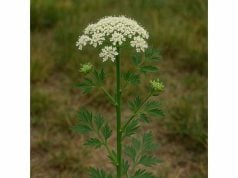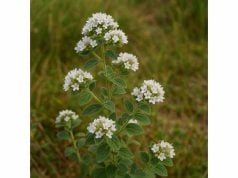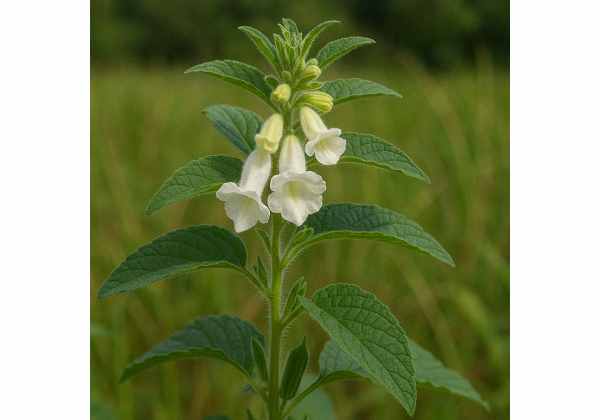
Sesame is one of the oldest cultivated oilseeds in the world, but it is far more than a garnish or a cooking staple. Sesamum indicum has a long record as both a food and a traditional medicinal plant, valued for its rich oil, nutty seeds, and broad nutritional density. Modern research has helped explain why sesame has kept that reputation for so long: it delivers unsaturated fats, plant protein, fiber, minerals, vitamin E compounds, and distinctive lignans such as sesamin and sesamolin that appear to support cardiometabolic health.
What makes sesame especially useful is its flexibility. It can be eaten whole, ground into tahini, pressed into oil, or used in more concentrated lignan-based products. Yet these forms are not nutritionally identical. Whole seeds provide fiber and protein that oil does not. Tahini is easier to eat regularly than dry seeds. Sesame oil is excellent in the kitchen, but it is not a substitute for the seed itself.
The most balanced modern view is this: sesame is a practical functional food with credible health benefits, modest medicinal potential, and one major caution that should never be minimized: sesame allergy can be serious.
Essential Insights
- Sesame supplies lignans, unsaturated fats, and antioxidants that may support cholesterol balance and vascular health.
- Regular sesame intake may modestly improve lipid markers, blood pressure, and oxidative stress in some adults.
- A practical food-based range is about 10 to 30 g of seeds daily, or roughly 1 to 3 tablespoons, with 15 to 30 g of tahini as another common option.
- Sesame oil is useful for cooking and traditional topical care, but it does not provide the fiber and protein found in whole seeds.
- Avoid sesame completely if you have a sesame allergy or a history of sesame-triggered anaphylaxis.
Table of Contents
- What sesame is and which forms matter most
- Key ingredients and medicinal properties of sesame
- Sesame health benefits and what the evidence actually supports
- How sesame is used in food, traditional practice, and topical care
- Dosage, timing, and how to choose the right form
- Common mistakes and how to get more from sesame
- Safety, side effects, and who should avoid sesame
What sesame is and which forms matter most
Sesame is an annual flowering plant grown mainly for its seeds, which are unusually rich in oil and naturally stable for a seed crop. The plant likely originated in parts of Africa and South Asia and has been cultivated for thousands of years across Asia, the Middle East, and later the Mediterranean, Africa, and the Americas. That long history explains why sesame appears in so many food traditions at once: it belongs in tahini, halva, seed pastes, spice blends, breads, confections, porridges, sauces, and cooking oils.
From a health perspective, sesame is best understood as a functional food rather than a classic medicinal herb. It does not work like a stimulant, sedative, or strong bitter tonic. Instead, it contributes steady nutritional and phytochemical value through everyday intake. That makes it similar to other nutrient-dense seeds used for both nourishment and wellness support, though sesame stands out for its lignan content and culinary versatility.
One of the most important practical points is that “sesame” is not just one thing. Several common forms have different strengths:
- Whole seeds: Provide oil, protein, fiber, minerals, and lignans.
- Ground seeds or tahini: Easier to digest and absorb consistently than dry whole seeds for many people.
- Sesame oil: Rich in unsaturated fats and lipid-soluble compounds, but missing the fiber and most of the protein found in the seed.
- Hulled seeds: Usually milder in taste and texture, but not nutritionally identical to unhulled seeds.
- Black and white sesame: Both are useful foods, though they may differ slightly in flavor and phytochemical profile depending on variety and processing.
This distinction matters because people often make broad statements like “sesame is high in calcium” or “sesame lowers cholesterol” without asking which form they mean. Oil does not behave like tahini. Whole seeds do not behave exactly like concentrated sesamin supplements. A sweet sesame candy does not carry the same nutritional value as plain roasted seeds.
Sesame is also a good example of how a food can be both dense and portion-sensitive. A small amount provides meaningful fats and phytonutrients, but it is also energy-dense. That is not a flaw. It simply means sesame works best as part of a broader eating pattern rather than as a “free” add-on in unlimited amounts.
Another useful point is that sesame is not just a modern wellness trend. Traditional systems have used it to support strength, skin, hair, bowel regularity, recovery, and reproductive vitality. Some of those claims remain partly traditional rather than clinically proven, but they are not random. They grew from the fact that sesame is nourishing, oil-rich, and easy to use regularly.
In everyday practice, the smartest first step is to choose the form that matches the goal. Use seeds or tahini for nutrition and fiber. Use oil mainly for cooking and flavor. Use concentrated supplements only when there is a clear reason to move beyond food.
Key ingredients and medicinal properties of sesame
Sesame’s value comes from the combination of its fats, lignans, minerals, protein, and antioxidant compounds rather than from a single “miracle” ingredient. That layered profile is exactly why it has remained relevant in both food traditions and health research.
Its fat content is one of the first strengths to understand. Sesame seeds are rich in unsaturated fatty acids, especially oleic acid and linoleic acid. These fats help explain why sesame oil has long been appreciated as a stable, flavorful culinary oil. In a nutrition context, they also place sesame alongside other unsaturated-fat staples used in heart-conscious eating patterns, though sesame offers more than oil quality alone.
The next major category is sesame’s distinctive lignans. The best known are:
- Sesamin
- Sesamolin
- Sesamol
- Sesaminol-related compounds
These lignans are a large part of what makes sesame more interesting than many other seeds. They have been studied for antioxidant, lipid-regulating, anti-inflammatory, and vascular effects. Sesamin and sesamolin are especially important in the seed, while sesamol becomes more prominent during certain processing and roasting conditions.
Sesame also contributes tocopherols and tocotrienol-related vitamin E activity, though the exact amounts vary by seed type and processing. That antioxidant support does not turn sesame into a vitamin supplement, but it does add to its protective nutritional profile.
On the macronutrient side, sesame provides:
- Plant protein
- Dietary fiber
- Energy-dense fats
- A relatively satisfying texture when used in meals
Minerally, sesame is best known for contributions of:
- Calcium
- Magnesium
- Copper
- Iron
- Zinc
- Manganese
Still, a balanced explanation matters here. Sesame does contain minerals, but not all of them are absorbed equally in every form. Oxalates and phytates can influence mineral availability, and the nutritional experience of hulled seeds differs from unhulled seeds. That does not mean sesame is overrated. It simply means that nutrition on paper and nutrition in practice are not always identical.
These ingredients give rise to the medicinal properties most often associated with sesame:
- Antioxidant
- Cardiometabolic supportive
- Mild anti-inflammatory
- Nourishing and restorative
- Lubricating in traditional food-medicine frameworks
In traditional systems, sesame was often described as building, warming, moistening, or strengthening. In modern biochemical terms, that broad reputation makes sense. A food rich in unsaturated fats, lignans, protein, and minerals would naturally be viewed as restorative.
Another important distinction is between seed, paste, and oil. Whole or ground sesame delivers the full package. Tahini gives much of the same value in a more usable form for many people. Sesame oil offers fats and certain lipid-soluble compounds, but it does not bring the same fiber or protein contribution as the seed. This is why someone eating sesame oil regularly is not necessarily getting the same overall benefits as someone using seeds or tahini.
The big picture is simple: sesame’s medicinal value is food-based and cumulative. Its chemistry supports claims around cardiovascular, metabolic, antioxidant, and nutritional support, but its strength lies in consistent use, not dramatic dosing.
Sesame health benefits and what the evidence actually supports
Sesame has one of the better evidence bases among edible seeds, but it still helps to separate realistic support from exaggerated health marketing. The strongest modern case for sesame is in cardiometabolic health, especially lipid markers, blood pressure, oxidative stress, and some glucose-related measures.
The most consistent area of benefit is lipid support. Reviews of human studies suggest that sesame products may help reduce total cholesterol and LDL cholesterol in some groups, especially when used regularly and in structured amounts. These effects are not dramatic enough to replace medication, but they are meaningful enough to make sesame a sensible addition to a heart-supportive eating pattern.
A second promising area is blood pressure. Some controlled trials and reviews suggest sesame intake may help lower systolic blood pressure, with less consistent results for diastolic pressure. This is probably one of the clearest reasons sesame keeps showing up in functional food research. Still, the effect depends on dose, duration, health status, and form. A person using sesame oil in a generally high-sodium, low-fiber diet should not expect the same outcome as someone incorporating sesame into a broader cardiometabolic plan.
Third, sesame appears helpful for oxidative stress and inflammation-related markers. This likely relates to its lignans, vitamin E activity, and overall fatty acid profile. The most useful interpretation is modest tissue protection, not a sweeping anti-inflammatory cure. Sesame can support a healthier internal environment, but it does not work like a drug for inflammatory disease.
There is also growing interest in glycemic control, particularly in people with metabolic syndrome or type 2 diabetes. Recent meta-analytic evidence suggests sesame products may improve some markers such as HbA1c and certain inflammatory measures, though findings are not identical across all studies. The benefits appear most believable when sesame is used as an adjunct food or supportive ingredient rather than a stand-alone glucose intervention.
Other possible benefits include:
- Improved dietary quality and satiety when seeds or tahini replace less nutritious fats
- Bone and muscle support through minerals and protein, especially as part of an overall nutrient-dense diet
- Hormonal and recovery support in traditional frameworks, though modern clinical confirmation is more limited
This is why sesame deserves to be discussed differently from both ultra-processed spreads and isolated supplements. As a whole food, it can work in the same broad health space as other seeds used for cholesterol and heart-supportive diets, but it brings its own profile of lignans, taste, and culinary flexibility.
At the same time, sesame is not magic. It does not melt body fat, reverse hypertension on its own, or guarantee better glucose control. Several practical limits matter:
- Benefits are usually modest, not extreme.
- Results are better with regular intake over weeks, not one-time use.
- Different forms behave differently.
- Added sugar, salt, or excess calories in sesame-based foods can easily cancel some of the expected advantages.
The fairest summary is that sesame is one of the most useful “small foods” for long-term wellness. It is strongest as a steady dietary tool, especially for cardiovascular and metabolic support, and less convincing when marketed as a fast therapeutic solution.
How sesame is used in food, traditional practice, and topical care
Sesame is unusually adaptable. A single plant can function as a seed, paste, condiment, oil, confection ingredient, and traditional body oil. That range is part of its value, but it also explains why people sometimes confuse its different uses.
In food, sesame is most commonly used in four ways:
- Whole seeds sprinkled on breads, grain bowls, vegetables, and salads
- Ground seeds or tahini blended into sauces, dips, dressings, soups, and spreads
- Sesame oil used for cooking, finishing, or flavoring
- Sesame-rich foods such as halva, bars, seed pastes, and traditional sweets
Tahini is one of the most useful modern forms because it makes regular intake easy. A spoonful can go into dressings, hummus, soups, porridges, or sauces with very little effort. Whole seeds are excellent too, but they are often used more sporadically.
In savory cooking, sesame works especially well in meal patterns that already emphasize legumes, vegetables, grains, and aromatic foods. It combines naturally with ingredients such as garlic in savory dishes built around cardiometabolic support, which is one reason sesame shows up so often in Mediterranean, Middle Eastern, East Asian, and plant-forward kitchens.
Traditional medicine used sesame more broadly than modern nutrition usually does. In Ayurveda, sesame oil has long been used for massage, oral care, and seasonal body practices. In other traditions, sesame seeds were valued as nourishing foods for weakness, dry bowels, recovery, and postpartum support. Black sesame, in particular, developed a reputation for promoting vitality and supporting hair and aging-related concerns. Some of those ideas remain more traditional than clinically validated, but they reflect sesame’s deep place in food medicine.
Topically, sesame oil has been used in massage, skin-softening preparations, and certain folk applications for dryness and comfort. Modern evidence for topical use is more mixed and narrower than many beauty claims suggest. It may be a useful emollient for some people and has a well-established history in cosmetic and body care, but it is not automatically the best oil for every skin type or condition.
The most practical modern uses are:
- Daily food use for steady nutritional benefit
- Tahini and seed butter use for convenient consistency
- Culinary oil use for flavor and fat quality
- Limited topical use where tolerated, especially for dry skin or massage traditions
It is worth remembering that the form changes the benefit. If the goal is more fiber and whole-food nourishment, choose seeds or tahini. If the goal is flavor and cooking performance, choose oil. If the goal is skin softness, topical use may make sense, but it should not be confused with the nutritional advantages of eating the seed.
In short, sesame shines when it stays close to real-life use: sprinkled, stirred, blended, roasted, or gently massaged into routines. It is one of those foods that can be medicinal without ever needing to stop being food.
Dosage, timing, and how to choose the right form
Because sesame is mainly a food, its best dosage is usually practical rather than pharmaceutical. The most useful question is not “What is the maximum dose?” but “What amount can I use consistently in a healthy pattern?”
A practical food-based range for many adults is:
- 10 to 30 g of sesame seeds daily, roughly 1 to 3 tablespoons
- 15 to 30 g of tahini daily, about 1 to 2 tablespoons
- 5 to 15 mL of sesame oil daily, roughly 1 to 3 teaspoons, when used as part of cooking rather than as a supplement
These are food-oriented amounts, not therapeutic mandates. They fit the range commonly used in cardiometabolic studies and real diets without becoming excessive.
Choosing the right form depends on the goal.
For heart and metabolic support:
Seeds and tahini are usually the strongest everyday choices because they provide lignans, fats, some protein, and fiber together.
For flavor and cooking:
Sesame oil is the easiest form to use, but it is nutritionally narrower than the seed itself.
For easier digestion and convenience:
Tahini is often the most practical option. Many people use it more consistently than dry seeds.
For concentrated supplementation:
Sesamin or sesame-lignan products exist, but they should not be treated as equivalent to food. Follow label instructions and use extra care if you are taking medication or managing a metabolic condition.
Timing is flexible. Sesame does not depend on a precise time of day. Still, a few habits help:
- Use it with meals to improve consistency
- Pair it with vegetables, legumes, or whole grains so it supports a full meal rather than becoming extra calories on top of an already heavy diet
- Spread intake through the week rather than relying on a very large serving once in a while
People aiming to improve digestion or satiety may find sesame works well when combined with other fiber strategies, including other gentle fiber-support tools used for bowel regularity. That does not mean they should be taken identically, only that sesame makes the most sense as part of a broader pattern of digestive support.
A useful self-check is this: if the sesame form you chose is easy to use daily for a month, it is probably the right form. If it feels awkward, dry, too expensive, or hard to portion, results are less likely to last.
There is also a simple calorie rule. Sesame is nutrient-dense, but it is still energy-dense. A tablespoon or two is usually constructive. Large spoonfuls on top of an already high-calorie diet may be less helpful, especially if the reason for using sesame is metabolic health.
In practice, sesame works best in moderate, repeatable amounts. Think in tablespoons, not megadoses. Think in meals, not miracles. That approach matches both the best clinical evidence and the oldest food traditions.
Common mistakes and how to get more from sesame
Sesame is simple to use, but several common mistakes can make it less helpful than people expect. Most of them come down to choosing the wrong form, overlooking portions, or assuming every sesame product is equally healthful.
The first mistake is expecting sesame oil to do the job of the whole seed. Sesame oil is useful and flavorful, but it does not contain the fiber or meaningful protein of seeds and tahini. If the goal is fuller nutritional value, the oil alone is not enough.
The second mistake is using whole seeds in ways that do not fit your digestion or routine. Some people scatter small amounts of seeds on food and assume they are getting the full benefit, even when much of the seed may pass through without being chewed well. Ground sesame, tahini, or lightly crushed seeds are often easier to use consistently.
The third mistake is overlooking calorie density. Sesame is healthy, but it is not low-energy. Large amounts of tahini, sesame bars, or sweetened sesame snacks can easily push total calorie intake upward. That does not make them bad foods. It means portion awareness matters.
Other common problems include:
- buying sweetened or heavily salted sesame products and treating them like health foods
- assuming black sesame is always superior in every measurable way
- forgetting that hulled and unhulled seeds differ in taste, texture, and mineral profile
- relying on sesame while ignoring the rest of the diet
- treating concentrated lignan supplements as though they are the same as food
A better approach is to use sesame strategically:
- Choose tahini or ground sesame if you want convenience and regular intake.
- Use plain seeds or pastes more often than sugary sesame candies.
- Pair sesame with foods that actually improve meal quality, such as beans, greens, grains, and vegetables.
- Keep portions moderate enough that sesame adds value without crowding out other helpful foods.
- Rotate forms based on the goal: seeds for texture, tahini for convenience, oil for cooking.
Another easy mistake is assuming sesame is a complete solution for vitamin or mineral needs. It contributes useful nutrients, but it is still only one food. For example, sesame can support antioxidant intake, yet it should not be treated as a replacement for a broader nutrient pattern or for situations that truly require targeted products such as specific vitamin E supplementation under clinical guidance.
People who get the most from sesame usually do not use it dramatically. They use it intelligently. A tablespoon of tahini in a bean bowl, sesame seeds on cooked greens, a spoonful in dressing, or a small amount of toasted oil in a vegetable dish often does more over time than occasional oversized servings.
So the main troubleshooting advice is simple: make sesame regular, plain, and purposeful. It is at its best when it quietly improves the quality of meals rather than when it is turned into a wellness stunt.
Safety, side effects, and who should avoid sesame
For most people, sesame is a safe and valuable food. But “for most people” is not the same as “for everyone,” and sesame has one important safety issue that deserves clear emphasis: it is a significant food allergen, and reactions can be severe.
Anyone with a known sesame allergy should avoid sesame completely in all forms, including seeds, tahini, sesame flour, sesame oil when relevant to their reaction history, and processed foods that may contain sesame ingredients. In the United States, sesame is now recognized as a major food allergen on packaged foods, which reflects how clinically important these reactions can be.
Beyond allergy, the most common side effects are relatively mild and usually linked to amount or form:
- digestive heaviness after large servings
- bloating or loose stools in some people
- nausea if taken in excess
- excess calorie intake from large amounts of tahini, oil, or sweets
There are also a few practical cautions worth noting.
Oxalates and mineral access:
Some sesame forms, especially less processed or unhulled forms, may contribute meaningful oxalates. This does not make sesame dangerous for most healthy adults, but people with a history of calcium-oxalate kidney stones may want to moderate intake and pay attention to the rest of their diet.
Medication overlap:
Food amounts of sesame are usually not a problem, but concentrated sesame lignan or sesamin supplements are a different category. In large supplemental amounts, they may overlap with medications that affect blood pressure, lipids, or glucose. This does not prove a harmful interaction in every case, but it is enough reason to use caution if you take prescription medicines for cardiometabolic conditions.
Topical sensitivity:
Sesame oil is well tolerated by many people, but it can still trigger irritation or allergic response in sensitive individuals. Patch testing is prudent before wider topical use.
Who should be especially careful?
- people with known sesame allergy
- people with prior food-triggered anaphylaxis
- those considering high-dose sesamin or lignan supplements
- people with kidney stone risk who are trying to manage oxalate intake
- individuals on multiple cardiometabolic medications, especially if adding concentrated extracts rather than food
It is also worth remembering that sesame-based products vary widely. Plain seeds, tahini, toasted oil, candy bars, sweet spreads, and concentrated capsules are not equivalent from a safety or nutrition perspective. The more concentrated and processed the product, the more important labels, serving sizes, and ingredient lists become.
The most balanced conclusion is reassuring. Sesame is a strong example of a food that can genuinely support health when used thoughtfully. But it is also a reminder that even very wholesome foods have exceptions. For most people, moderate daily use is constructive. For people with sesame allergy, strict avoidance is essential. For supplement users, especially those managing medical conditions, caution is more appropriate than guesswork.
References
- Sesame (Sesamum indicum L.): A Comprehensive Review of Nutritional Value, Phytochemical Composition, Health Benefits, Development of Food, and Industrial Applications 2022 (Review)
- Lignans of Sesame (Sesamum indicum L.): A Comprehensive Review 2021 (Review)
- Clinical evidence of sesame (Sesamum indicum L.) products and its bioactive compounds on anthropometric measures, blood pressure, glycemic control, inflammatory biomarkers, lipid profile, and oxidative stress parameters in humans: a GRADE-assessed systematic review and dose–response meta-analysis 2025 (Systematic Review)
- Can sesame consumption improve blood pressure? A systematic review and meta-analysis of controlled trials 2017 (Systematic Review)
- The FASTER Act: Sesame Is the Ninth Major Food Allergen 2024 (Official Guidance)
Disclaimer
This article is for educational purposes only and is not medical advice. Sesame is a nutritious food with promising cardiometabolic and antioxidant value, but it is not a substitute for diagnosis, medication, or individualized treatment. People with sesame allergy should avoid it completely, and anyone considering concentrated sesame extracts or lignan supplements should speak with a qualified healthcare professional first, especially if they are pregnant, breastfeeding, or taking medicines for blood pressure, blood sugar, or cholesterol.
If this article was helpful, please share it on Facebook, X, or another platform your readers and community trust.