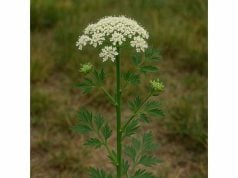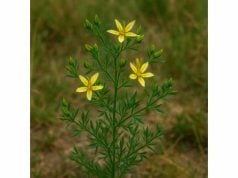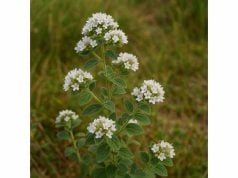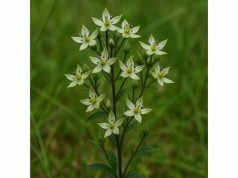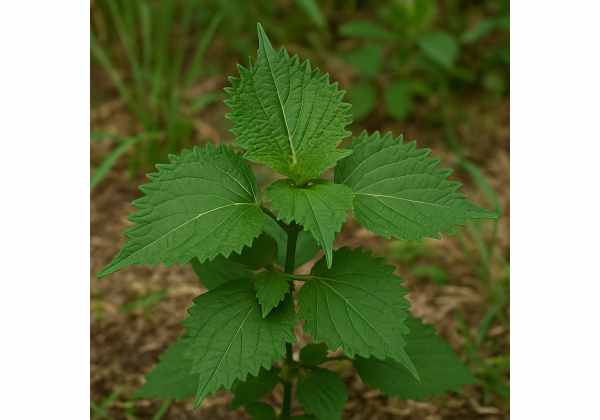
Shiso, the fragrant leaf of Perilla frutescens, is one of those herbs that feels both culinary and medicinal at the same time. In East Asian food traditions, it is valued for its vivid aroma, fresh bite, and ability to brighten rice dishes, pickles, wraps, soups, and herbal beverages. In traditional medicine, it has been used for digestive comfort, respiratory complaints, and support during allergic or inflammatory states. Modern research helps explain why interest in shiso remains strong: the plant contains rosmarinic acid, luteolin, apigenin, perillaldehyde, and other compounds linked to antioxidant, anti-inflammatory, and antiallergic activity. Still, the evidence needs careful framing. Shiso has promising laboratory data and a small but meaningful human research base, especially for allergic symptoms and digestive discomfort, yet it is not a miracle herb and it does not have one universally accepted medicinal dose. The most useful way to understand shiso is as a food-first herb with real phytochemical depth, selective clinical promise, and a safety profile that depends heavily on the form used.
Key Insights
- Shiso shows its clearest potential for allergy-related symptoms, digestive support, and general anti-inflammatory activity.
- Its best-known compounds include rosmarinic acid, luteolin, apigenin, and aromatic terpenes that help explain its medicinal profile.
- Human studies have used about 300 mg per day of leaf extract or 50 to 200 mg per day of rosmarinic-acid-enriched extract, depending on the preparation.
- Avoid concentrated medicinal use during pregnancy and breastfeeding, and use extra caution if you have herb allergies or take multiple medicines.
Table of Contents
- What shiso is and why it matters
- Key ingredients and medicinal properties of shiso
- Potential health benefits and what the evidence really shows
- Traditional uses and modern applications
- How to use shiso as food, tea, and extract
- Dosage, timing, and duration
- Safety, side effects, interactions, and who should avoid it
What shiso is and why it matters
Shiso is the common name most often used for Perilla frutescens, an aromatic herb in the mint family. It is especially well known in Japanese, Korean, and Chinese food traditions, where the leaves, seeds, and sometimes the oil all have distinct uses. Green shiso is often used fresh for its bright, herbal, slightly spicy character, while red or purple forms are valued for both flavor and color. That culinary role matters because it shapes how the herb is best understood: shiso is not just a supplement ingredient pulled from a laboratory paper. It is a long-used edible plant that happens to have a surprisingly rich medicinal chemistry.
Part of shiso’s appeal is that it sits comfortably between food and remedy. A person might eat it in a meal for taste, then turn to a tea or extract because the same plant has a reputation for easing heaviness after meals, helping with seasonal discomfort, or supporting a calmer inflammatory response. That overlap is common in traditional herbal systems, but shiso is an especially good example because its everyday culinary use is still very much alive.
The plant’s aroma also tells you something about its nature. Shiso is a volatile, expressive herb, which means its scent compounds are part of its identity. Fresh leaves can smell minty, clove-like, citrusy, or almost cinnamon-like depending on the variety. That intensity comes from essential oils and related compounds, some of which have been studied for biological activity. In other words, the strong fragrance is not just decorative; it is one sign that the plant contains active constituents worth paying attention to.
Another reason shiso matters is that it has moved beyond traditional use into a more evidence-based conversation. Reviews published in recent years describe it as both a food plant and a medicinal plant, with research spanning allergy, inflammation, oxidation, lipid balance, gut symptoms, and other areas. The strongest evidence is still selective rather than broad, but it is enough to justify serious interest. For readers who already use aromatic leaf herbs such as basil, shiso makes sense as a next step: familiar enough to use in food, but distinctive enough to deserve its own herbal discussion.
The most helpful mindset is to treat shiso as a versatile herb with three layers of value. First, it is a flavorful leaf that makes meals more vivid. Second, it is a traditional medicinal plant with a long record of use. Third, it is a modern research subject whose benefits look promising but still depend on the form, dose, and context. Once those three layers are clear, the rest of the article becomes easier to interpret.
Key ingredients and medicinal properties of shiso
Shiso’s medicinal reputation comes from a mix of phenolic compounds, flavonoids, terpenes, pigments, and seed lipids rather than from one single “magic” ingredient. Among these, rosmarinic acid stands out as one of the most studied. It is strongly associated with antioxidant, anti-inflammatory, and antiallergic activity, and it appears often in the clinical and mechanistic literature on shiso. If you want a useful comparison point for understanding this compound more broadly, see rosmarinic acid as a phytochemical in its own right.
Rosmarinic acid is only part of the picture. Shiso leaves also contain flavonoids such as luteolin and apigenin, both of which are frequently discussed in relation to inflammation signaling, mast-cell activity, and oxidative stress. These are not minor background compounds. They are some of the reasons shiso is repeatedly described in the literature as an herb with meaningful pharmacological potential. In simpler terms, these molecules help explain why the plant shows up in allergy, immune, and inflammatory discussions so often.
The aromatic fraction matters too. Perillaldehyde is one of the most characteristic volatile compounds in shiso and contributes heavily to the leaf’s distinctive scent. Reviews also describe perilla ketone and related aroma compounds, although the exact profile varies by variety, cultivation conditions, and plant part. This variation is important because not every shiso product is chemically interchangeable. A fresh green leaf used as garnish is not the same thing as a concentrated seed oil or a standardized extract.
Seeds bring yet another profile. Perilla seeds and seed oil are rich in fatty acids, especially alpha-linolenic acid, an omega-3 fatty acid that helps explain why seed-based products are sometimes discussed differently from leaf extracts. When people talk about shiso for metabolic support or as a functional oil, they are often really talking about the seed fraction rather than the culinary leaf. That distinction matters because benefits, dosage, and safety may all shift depending on whether the preparation is leaf-heavy, seed-heavy, or standardized for a particular compound.
This is why “key ingredients” should not be read as a simple ingredient list. They point to a broader medicinal pattern:
- phenolic acids for antioxidant and inflammatory balance,
- flavonoids for immune and signaling effects,
- aromatic compounds for sensory and possible antimicrobial activity,
- and seed lipids for metabolic and structural support.
The medicinal properties commonly attributed to shiso, such as antioxidant, anti-inflammatory, antiallergic, antimicrobial, and digestive-supportive effects, are therefore best seen as the result of this compound network rather than one isolated molecule. That is good news in one sense, because food herbs often work through layered, modest actions. It is also a reason to be cautious: one product labeled “shiso” may be chemically very different from another. Understanding the plant starts with understanding its forms.
Potential health benefits and what the evidence really shows
Shiso is often described online as if it has already been proven for everything from allergies to cancer prevention. That is not the right way to read the evidence. The more accurate picture is this: the herb has a strong preclinical base, a modest but real human research base, and a few areas where the clinical signal is more convincing than the rest.
The clearest human evidence centers on allergy-related symptoms. Clinical work with shiso extracts enriched in rosmarinic acid has shown improvement in seasonal allergic rhinoconjunctivitis, especially in symptoms such as itchy nose, watery eyes, and itchy eyes. The mechanism makes sense alongside the plant’s chemistry: reduced inflammatory cell infiltration and a quieter allergic response are plausible effects when a preparation is rich in rosmarinic acid and related flavonoids. This does not mean shiso replaces standard allergy care, but it does mean allergy support is one of the strongest evidence-backed ways to discuss the herb.
A second promising area is digestive comfort. A small placebo-controlled human pilot study found that shiso extract improved gastrointestinal discomfort in otherwise healthy adults with symptoms such as bloating, rumbling, and reduced bowel movement frequency. This is not the same as proving treatment for a diagnosed digestive disease, but it supports a practical point that aligns well with tradition: shiso may be most useful for functional, mild, or meal-related discomfort rather than as a fix for serious gastrointestinal pathology.
Beyond those two areas, the evidence becomes more exploratory. Reviews of human studies suggest possible effects on lipid markers, antioxidant status, and even some downstream cognitive measures, but the data are still limited and not uniform enough to turn into confident consumer claims. Likewise, laboratory and animal work repeatedly supports anti-inflammatory, antimicrobial, and tissue-protective actions, yet those findings still need more direct human confirmation.
So what can readers reasonably expect from shiso?
- It may support seasonal allergy comfort in the right extract form.
- It may help mild digestive discomfort in some people.
- It likely offers meaningful antioxidant and anti-inflammatory support as a food herb.
- It should not be treated as a proven stand-alone therapy for chronic disease.
That final point matters. Shiso is one of those herbs whose reputation is partly deserved and partly overstretched. The deserved part is its chemistry and the focused clinical evidence around allergic and digestive symptoms. The overstretched part is the tendency to turn every interesting laboratory result into a promise for real-world disease treatment. For everyday use, the best interpretation is moderate and useful: shiso appears to work best as a supportive herb, not as a substitute for diagnosis, medication, or established care.
Traditional uses and modern applications
Traditional use gives shiso a depth that many newer supplements do not have. In East Asian systems, the herb has long been used not only for flavor but also for digestive ease, respiratory support, and general relief during periods of imbalance involving cold, dampness, or irritation. Leaves were often used in food and decoctions, while seeds and oils had their own roles. This long history does not prove every modern claim, but it does provide a sensible starting map for how the plant has been understood.
One recurring theme is digestion. Shiso has often been used after heavy or rich meals and in formulas intended to settle the stomach, reduce nausea, or support smoother movement through the gut. Another recurring theme is respiratory and seasonal discomfort. In traditional settings, it was valued in part for easing upper-respiratory unease and for helping the body respond better during allergic or inflammatory flares. These older uses line up surprisingly well with the areas where modern research has found at least some human evidence.
Modern applications are broader, but they are not all equally convincing. Today, shiso appears in:
- fresh culinary preparations,
- dried leaf teas,
- encapsulated leaf extracts,
- rosmarinic-acid-enriched supplements,
- and seed oil products.
Each of these belongs to a different use category. Fresh leaf is mostly culinary with gentle health value. Tea is a traditional, moderate-intensity format. Standardized extracts aim at more targeted symptom relief. Seed oil sits closer to the world of functional fats than herbal garnish. Problems begin when people assume these are all interchangeable. They are not.
Modern use is often strongest when it stays close to traditional logic. A person with mild seasonal discomfort may trial an evidence-informed extract. Someone who wants a food-based herb for daily antioxidant variety may use fresh or pickled leaves. Someone with occasional post-meal heaviness may prefer tea or a modest extract rather than a concentrated oil. This is a more intelligent way to use shiso than chasing the most aggressive or “biohacked” form available.
Culinarily, shiso also pairs well with other fragrant herbs that play both food and supportive-health roles. It can serve as a brightening leaf in the same practical spirit as coriander, though the flavor profile is very different. That comparison is useful because it reminds readers that some herbs are most powerful when used consistently in real meals, not only when compressed into capsules.
The best modern application of shiso is therefore not one fixed protocol. It is matching the form to the goal. Food use fits daily wellness. Tea fits gentle traditional support. Extracts fit more targeted experiments when the indication is realistic and the product is well defined. That kind of matching is what keeps an herb useful instead of confusing.
How to use shiso as food, tea, and extract
Using shiso well begins with choosing the right form. The herb can be eaten fresh, infused as tea, taken as an extract, or used as seed oil, and each route has a different purpose. Many people do best by starting with food use and only moving toward extracts if they have a specific reason.
Fresh leaf is the most approachable format. Green shiso leaves can be used whole or shredded in rice bowls, wraps, noodles, soups, salads, pickles, and cold dishes. Red shiso is often used in pickling or for adding color and sharpness. Culinary use keeps the dose moderate and tends to be the safest entry point. It also makes sense because the leaf’s aroma is part of the experience; the flavor itself often tells you how potent a batch is.
Tea is the next step up in intensity. Dried shiso leaf can be steeped on its own or blended with ginger, citrus peel, or other compatible herbs. Tea is a good fit for people using shiso for gentle digestive or seasonal support rather than for highly targeted extract-level effects. It is also practical for readers who want a repeatable ritual without immediately buying a supplement.
Extracts are different. They may be leaf extracts, seed extracts, or rosmarinic-acid-enriched preparations, and the label matters. Human studies do not support treating all shiso extracts as equal. If a product is standardized, note what it is standardized to. If it is not standardized, assume the effects may be less predictable. This is especially important when people buy “perilla” products online and expect a fresh leaf herb to behave like a concentrated clinical trial formula.
Seed and seed oil products deserve separate handling. They are often promoted for their fatty acid content and may appeal to people interested in functional oils. In practical use, they behave more like oil-rich functional foods than like aromatic leaf herbs. That makes comparison with oil-rich culinary seeds more useful than comparison with leafy garnish. The nutritional logic is different, and so is the dosing logic.
A practical way to choose form is to match it to purpose:
- Fresh leaf for general wellness, flavor, and regular dietary variety.
- Tea for mild digestive or seasonal support.
- Standardized extract for targeted short-term use when the evidence is reasonably aligned.
- Seed oil for people specifically interested in the seed-fatty-acid side of the plant.
That simple structure prevents a common mistake: using the most concentrated form first. With shiso, stronger is not automatically better. A fresh or tea-based routine may be enough for many people, while extracts make the most sense when the goal is specific and the product is clearly defined.
Dosage, timing, and duration
Shiso does not have a single universally accepted medicinal dose, because the plant is used in several very different forms. That is the first rule of dosing it well. Fresh leaves, dried leaf tea, standardized extract, and seed oil should not be treated as dose equivalents. The better approach is to think in tiers: culinary use, traditional tea use, and studied extract use.
For culinary use, dosing is naturally flexible. A few leaves added to a meal, a handful used across the day, or regular use as a garnish is a realistic food-based range. This style of intake is not about chasing a threshold dose. It is about repeat exposure to the plant’s aroma and polyphenols in a low-risk format.
For tea, there is no clinically established standard, but a sensible practical range is modest rather than aggressive. Many people start with a light infusion once daily and assess tolerance before increasing frequency. Tea is best treated as a gentle, supportive format rather than a concentrated protocol.
The clearest numbers come from human extract studies. These are useful as examples, though not as proof that every shiso product should be dosed the same way:
- A gastrointestinal pilot study used 150 mg capsules taken twice daily, for a total of 300 mg per day, over four weeks.
- A study on seasonal allergic rhinoconjunctivitis used rosmarinic-acid-enriched shiso extract at 50 mg or 200 mg per day for 21 days.
These numbers tell us two things. First, clinically studied shiso doses are not enormous. Second, the active preparation matters. A 200 mg rosmarinic-acid-enriched extract is not the same as 200 mg of ordinary dried leaf powder.
Timing should follow the intended use. For digestive support, taking a tea or extract before or around meals often makes the most sense. For seasonal symptom support, consistency across the relevant exposure period matters more than the exact hour of dosing. For food use, the best time is simply when it fits naturally into meals you already eat.
Duration also deserves restraint. Shiso is reasonable for regular culinary use, but concentrated medicinal use should be reassessed after a defined period rather than taken indefinitely without reflection. A short trial window often makes sense:
- 2 to 4 weeks for gentle digestive goals,
- about 3 weeks for allergy-targeted extract trials similar to published research,
- and longer use only when the product is well tolerated and the reason for continuing is clear.
The most practical dosing principle is to start lower than you think you need, keep the form consistent, and judge benefit honestly. With an herb like shiso, clarity is more valuable than intensity.
Safety, side effects, interactions, and who should avoid it
Shiso is generally easiest to tolerate when used as a food herb, and that should shape expectations. Fresh leaves in meals are one thing; concentrated extracts, seed oils, and standardized compounds are another. Most of the reassuring human safety data come from short-term trials rather than long-term everyday medicinal use, so the safest position is confident but not careless.
Common side effects are usually mild and may include stomach upset, reflux-like discomfort, nausea, or a sense that the herb is simply too aromatic for the person using it. Some people may also experience mouth or skin irritation from direct contact with strong preparations. As with many herbs, sensitivity often depends on the form. A person who enjoys fresh shiso in food may not tolerate a concentrated extract nearly as well.
Allergy is an important consideration. Anyone who has had a prior reaction to shiso, perilla products, or mixed seed preparations should avoid experimentation without medical guidance. This is especially relevant with seed-based products, which can behave differently from leaf preparations and may be more problematic for sensitive individuals. The safest assumption is simple: if you are allergy-prone, start with food amounts only or skip the herb until you have clearer advice.
Because interaction data are limited, extra caution is wise for people who take multiple medicines. This does not mean shiso is known to cause major interactions across the board. It means the evidence is not strong enough to be casual. A person taking anticoagulants, antiplatelet drugs, sedatives, antihistamines, or complex gastrointestinal regimens should treat concentrated shiso products as something worth checking with a clinician or pharmacist first.
Certain groups should avoid medicinal use unless a qualified professional advises otherwise:
- pregnant or breastfeeding women,
- children using extract-level products,
- people with a known herb or seed allergy,
- those with complicated medical conditions,
- and anyone preparing for surgery or actively adjusting prescription treatment.
A few safety habits make shiso much easier to use well:
- Use food amounts before medicinal amounts.
- Choose one form at a time instead of stacking tea, capsules, and oil together.
- Trial it for a defined period rather than indefinitely.
- Stop immediately if you develop rash, swelling, wheezing, worsening digestive pain, or clear intolerance.
The bottom line is reassuring but measured. Shiso is not a high-risk herb in normal culinary use, and short-term human studies are encouraging. Even so, concentrated products deserve the same respect you would give any active botanical. The goal is not to fear the herb. It is to use the right level of caution for the form you choose.
References
- Comprehensive Review of Perilla frutescens: Chemical Composition, Pharmacological Mechanisms, and Industrial Applications in Food and Health Products. 2025. (Review)
- Applications of Perilla frutescens Extracts in Clinical Practice. 2023. (Review)
- Perilla frutescens: A traditional medicine and food homologous plant. 2023. (Review)
- Perilla Extract improves gastrointestinal discomfort in a randomized placebo controlled double blind human pilot study. 2014. (RCT)
- Extract of Perilla frutescens enriched for rosmarinic acid, a polyphenolic phytochemical, inhibits seasonal allergic rhinoconjunctivitis in humans. 2004. (RCT)
Disclaimer
This article is for educational purposes only and is not a substitute for medical advice, diagnosis, or treatment. Shiso can be part of a healthy diet and may offer targeted support in certain forms, but it is not a replacement for allergy treatment, gastrointestinal evaluation, or individualized clinical care. Speak with a qualified healthcare professional before using shiso extracts, seed oil, or concentrated products, especially if you are pregnant, breastfeeding, have allergies, live with a chronic condition, or take prescription medications.
If you found this article helpful, please consider sharing it on Facebook, X, or your preferred platform so others can discover it too.