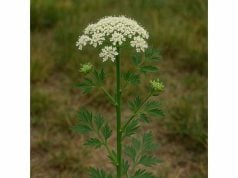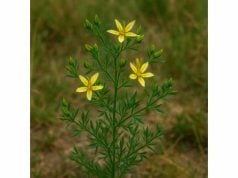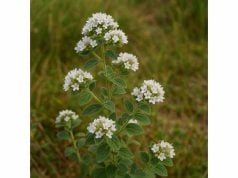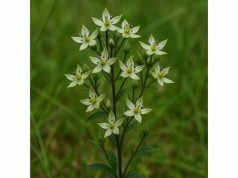
Sichuan pepper is one of those rare spices that feels vivid before it even tastes strong. Rather than the heavy heat of chili or the sharp bite of black pepper, it creates a bright, citrusy aroma and a distinctive tingling, numbing sensation on the tongue. The name can be confusing, though. In English, “Sichuan pepper” is often used broadly for several Zanthoxylum species, while Zanthoxylum piperitum is also widely known as Japanese pepper or sansho. For readers, the practical point is that these related spices share a similar aromatic and tingling profile, along with overlapping culinary and medicinal traditions.
What makes this plant especially interesting is the way flavor and function meet. Its sanshools, volatile oils, and flavonoids help explain its sensory effects, digestive reputation, and growing research interest in antioxidant, anti-inflammatory, and topical uses. At the same time, it is still best understood as a spice and supportive herb rather than a cure-all. Used thoughtfully, it can brighten food, stimulate appetite, support digestion, and offer useful topical or aromatic applications. Used carelessly in concentrated forms, it can irritate sensitive people and deserves real safety limits.
Quick Overview
- Sichuan pepper may support appetite and digestion through salivation, gastric stimulation, and aromatic compounds.
- Its sanshools create the signature tingling sensation and are linked with analgesic and sensory effects.
- A practical culinary range is about 0.5 to 1 g of ground husk per serving, or 1 to 3 g for a mild tea or infusion.
- People who are pregnant, highly spice-sensitive, or prone to allergic reactions should avoid concentrated extracts unless a clinician approves them.
Table of Contents
- What Sichuan Pepper Is and Why the Name Can Be Confusing
- Sichuan Pepper Key Ingredients and Medicinal Properties
- Which Health Benefits Are Most Plausible
- Culinary Uses Herbal Preparations and Topical Applications
- Dosage Timing and How Much to Use
- Common Mistakes When Using Sichuan Pepper
- Safety Side Effects Interactions and Who Should Avoid It
What Sichuan Pepper Is and Why the Name Can Be Confusing
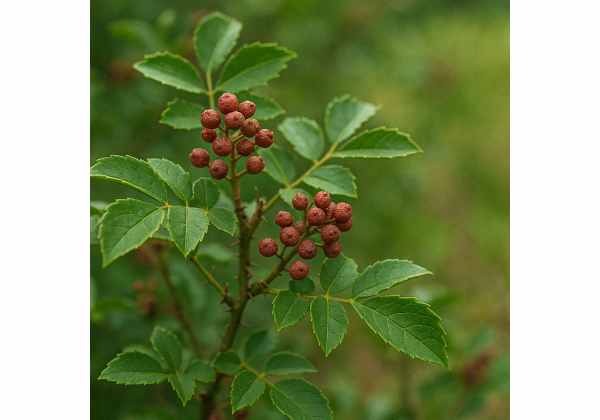
Sichuan pepper is not a true peppercorn in the botanical sense. Black, white, and green pepper all come from Piper nigrum, while Sichuan pepper comes from species in the Zanthoxylum genus, a group of aromatic shrubs and small trees in the citrus family. That family connection helps explain the spice’s lively fragrance. Instead of earthy heat alone, the dried outer husk offers notes that can feel lemony, floral, woody, resinous, and faintly sweet.
The naming issue matters because the English label “Sichuan pepper” is often used loosely. Several Zanthoxylum species are sold under related common names, including Zanthoxylum bungeanum, Zanthoxylum armatum, and Zanthoxylum piperitum. Strictly speaking, Zanthoxylum piperitum is often called Japanese pepper or sansho. Still, it belongs to the same broader spice tradition, and many readers looking for “Sichuan pepper benefits” are really asking about the tingling Zanthoxylum spices as a group. Since these plants share important compounds and culinary roles, it is reasonable to discuss Z. piperitum within that wider context while being honest about the naming.
The part most people use is the dried fruit husk, not the shiny black seed inside. In cooking, the husk delivers the classic tingling effect and aromatic lift. In herbal use, leaves, fruits, bark, and sometimes extracts have appeared in traditional East Asian practice for digestion, pain, circulation, and flavor enhancement. The plant has always lived at the boundary between food and medicine.
That crossover is part of its value. Unlike a purely medicinal herb, Sichuan pepper enters daily life through meals. A pinch in broth, noodles, grilled vegetables, or meat dishes may be enough to change salivation, appetite, and the whole sensory experience of eating. This matters because digestive support often begins before the stomach does much at all. Aroma, taste, and oral stimulation can prepare the body for a meal.
It also helps to compare it with other familiar kitchen spices. If black pepper gives sharp heat, Sichuan pepper gives tingling brightness and aromatic lift. Readers interested in that contrast often also look at black pepper’s piperine-driven effects, which are quite different from the sanshool-rich profile found in Zanthoxylum.
In practice, the best way to understand Sichuan pepper is not as a pepper substitute or a hot spice. It is a distinct aromatic botanical with culinary, sensory, and traditional medicinal value. That identity shapes everything that follows, from its chemistry to its safest uses.
Sichuan Pepper Key Ingredients and Medicinal Properties
The most important compounds in Zanthoxylum piperitum are the ones that you can almost feel before you can name them. The plant’s famous tingling and numbing effect comes mainly from a class of alkylamides called sanshools. These are not just flavor compounds. They interact with sensory pathways in ways that help explain why the spice feels warming, buzzing, and slightly anesthetic rather than simply hot.
The main chemical groups worth knowing include:
- Sanshools and related alkylamides
These are central to the spice’s oral tingling, buzzing, and numbing character. Hydroxy-alpha-sanshool is one of the best-known compounds in this group. It is strongly tied to the sensation people associate with Sichuan pepper and is also one reason the plant attracts interest for topical and sensory research. - Volatile oils and aromatic terpenes
Compounds such as limonene, citronellal, geranyl acetate, and beta-phellandrene help shape the citrusy, green, resinous aroma. These compounds likely contribute to the spice’s appetizing quality and its traditional role in digestive formulas and aromatic cuisine. - Flavonoids and phenolic compounds
These support the plant’s antioxidant profile and help explain why extracts often show anti-inflammatory and tissue-protective activity in laboratory studies. - Coumarins, lignans, and other secondary metabolites
In the broader Zanthoxylum genus, these compounds add to the plant’s pharmacological complexity and may contribute to antimicrobial, anti-inflammatory, and circulation-related effects.
From a medicinal perspective, Sichuan pepper is best described as having five broad properties:
- Aromatic and digestive-stimulating
- Sialagogue, meaning it can increase saliva
- Sensory-active and mildly analgesic
- Antioxidant and potentially anti-inflammatory
- Topically active in certain cosmetic or oral formulations
This last point matters. The “medicinal properties” of Sichuan pepper do not come from one miracle molecule or one dramatic action. They come from a layered chemistry that affects taste, smell, nerve signaling, and digestion at the same time. That is why small amounts can feel surprisingly powerful.
Another useful point is that fresh leaves, green unripe fruits, ripe husks, essential oil, and standardized extracts are not interchangeable. Their chemistry shifts with maturity, drying, origin, and processing. A culinary powder sprinkled on food and a concentrated extract used in a cosmetic serum are two very different products even if they share the same botanical source.
Readers who enjoy spices with both culinary and physiological activity often compare Sichuan pepper with cinnamon’s mix of aromatic compounds and practical health interest, though Sichuan pepper stands apart because its sensory activity is much more immediate and distinctive.
The best takeaway is that Z. piperitum is chemically sophisticated in a way that matches its flavor. Its key ingredients explain not only why it tastes the way it does, but also why traditional systems valued it for appetite, digestion, circulation, and localized relief.
Which Health Benefits Are Most Plausible
The most useful way to discuss Sichuan pepper benefits is to rank them by plausibility. Some are strongly supported by traditional use and sensory logic. Others are promising in laboratory or animal research. A few have early topical or mechanistic human relevance. Very few should be treated as proven clinical outcomes.
1. Appetite and digestive support
This is the most practical and believable benefit. Aromatic spices can stimulate salivation, sharpen the appetite, and make food feel easier to welcome. Sichuan pepper’s citrus aroma and tingling effect make it especially good at this. In culinary amounts, it can help meals feel lighter, brighter, and easier to digest. Traditional use for stomach discomfort and sluggish digestion fits well with how the spice behaves in real life.
2. Carminative and warming effects
Many traditional digestive spices help with fullness, heaviness, and post-meal discomfort. Sichuan pepper appears to belong in that group. It is not a laxative and should not be framed as a treatment for chronic bowel disease, but it may support a more comfortable digestive response in people who feel dull, cold, or weighed down after meals.
3. Sensory and mild analgesic activity
The numbing and tingling action of sanshools is not just a culinary novelty. It helps explain interest in the plant for oral care, localized soothing, and noninvasive topical applications. This area is more promising than many readers expect, although it still belongs in the category of supportive rather than primary treatment.
4. Antioxidant and anti-inflammatory potential
Extracts from Zanthoxylum species repeatedly show antioxidant activity, and some studies suggest anti-inflammatory effects as well. This is useful background science, but it should not be overread. Antioxidant findings in a laboratory do not automatically translate into major health changes in people using the spice at the dinner table.
5. Skin and cosmetic use
This is a more specialized benefit, but it is one of the more interesting modern angles. Some work on Z. piperitum extracts suggests topical use may influence visible facial lines through sensory and muscle-contraction pathways. That supports cautious discussion of external use, especially in finished cosmetic products, but it does not mean homemade spice pastes belong on delicate skin.
6. Metabolic and gut-related interest
Research on sanshools and related compounds has raised interest in gut motility, metabolic regulation, and intestinal signaling. This is promising, but it remains too early for bold claims about blood sugar, weight, or chronic inflammatory disease.
A grounded summary looks like this:
- Strongest everyday case: appetite and digestive support
- Strongest sensory case: tingling, salivation, and oral stimulation
- Strongest emerging case: topical sensory and cosmetic use
- Most overmarketed area: broad disease-treatment claims
For readers comparing kitchen herbs that help after meals, ginger for warming digestion and nausea is often a gentler starting point, while Sichuan pepper works best when a meal needs aromatic lift and light tingling stimulation rather than soft soothing.
The real value of Sichuan pepper is not that it treats everything. It is that it does a few things distinctly well: it wakes up the mouth, sharpens appetite, adds digestive brightness, and offers unusual sensory effects that few other spices can match.
Culinary Uses Herbal Preparations and Topical Applications
Most people will use Sichuan pepper as a spice long before they ever think of it as an herb. That is appropriate. Culinary use is still the safest and most traditional way to benefit from Zanthoxylum piperitum. The dried husk is usually toasted lightly and ground fresh, then added to broths, stir-fries, noodle dishes, grilled foods, vegetable dishes, or seasoning blends. It can also be infused into oil, mixed into finishing salt, or used in small amounts with citrus and vinegar-based sauces.
Its best culinary roles include:
- Brightening rich or oily dishes
- Offsetting blandness without relying only on salt
- Stimulating appetite before or during a meal
- Pairing with sweet, sour, savory, and fermented flavors
Because the aroma is as important as the numbness, overcooking can flatten its character. Many cooks toast the husks briefly to release aroma, then add them near the end or use them as a finishing spice.
Outside the kitchen, Sichuan pepper can be used in simpler herbal preparations. A mild infusion or decoction is sometimes prepared from the husks or fruit for warming digestive use. In that setting, the goal is not a highly concentrated medicinal dose. It is a modest aromatic preparation that stimulates taste and settles a heavy meal.
Some people also use the spice in gargles, mouth preparations, or external formulas. Here, caution matters more. The sensory-active compounds can create a pleasant numbing effect in very controlled products, but crude homemade applications may irritate the mouth, eyes, or skin if they are too strong. Essential oil deserves even more respect. It should not be swallowed casually, and it should never be applied near the eyes or to broken skin without appropriate dilution and product knowledge.
Topical and cosmetic use is best limited to finished products designed for that purpose. That is especially true for facial skin. The fact that a compound is active does not mean the raw kitchen spice belongs in a do-it-yourself mask or scrub.
For everyday users, the best forms are usually:
- Whole dried husks for grinding fresh
- Culinary powders from reputable suppliers
- Mild infusions for short-term digestive use
- Finished cosmetic products if the goal is topical support
Flavor pairings also matter. Sichuan pepper works beautifully with fresh herbs, ginger, garlic, sesame, soy-based sauces, and citrus notes. Readers who enjoy that aromatic profile may also appreciate coriander’s digestive and culinary versatility, especially in broths, spice blends, and savory dishes.
The central rule is simple: use Sichuan pepper according to the form. In food, it is bright, effective, and usually easy to enjoy. In concentrated extracts or topical applications, it becomes a more specialized ingredient that requires better judgment.
Dosage Timing and How Much to Use
There is no universal clinical dosage for Zanthoxylum piperitum in the way there is for some standardized supplements. The most sensible dosing advice comes from traditional culinary practice, cautious herbal use, and the recognition that concentrated extracts vary too much to treat as interchangeable.
For most readers, these practical ranges are the most useful:
- Ground culinary husk: about 0.5 to 1 g per serving
- Whole husks for a dish: roughly 1 to 2 teaspoons for a shared recipe, usually strained or ground
- Tea or infusion: about 1 to 3 g of dried husk or fruit per cup
- Frequency: once daily at first for herbal use, then only as needed if well tolerated
- Topical products: follow the manufacturer’s instructions rather than improvising
In food, less is usually better. Sichuan pepper can quickly shift from vivid to overwhelming. Too much does not simply intensify flavor. It can flatten the palate, dominate the whole dish, and produce lingering oral irritation.
Timing depends on the goal:
- Before or with meals if the aim is appetite or digestive stimulation
- With rich meals if the aim is to cut heaviness and improve sensory balance
- Avoid late-night strong use if spicy, stimulating foods worsen reflux or mouth sensitivity
When preparing a tea, start mild. A light infusion lets you assess tolerance without pushing the numbing compounds too far. The goal is aromatic warmth and digestive brightness, not a mouth-numbing challenge. A useful self-trial can look like this:
- Begin with 1 g dried husk in a cup of hot water.
- Steep for 5 to 10 minutes.
- Sip slowly after a heavy meal.
- Increase only if you find the effect pleasant and nonirritating.
- Stop if you notice burning, nausea, or uncomfortable numbness.
Extracts and capsules require more caution because labels vary widely. Some products may focus on whole fruit powder, while others emphasize alkylamides or essential oil fractions. Without consistent standardization, it is better to avoid making strong dose assumptions. Start at the lowest labeled amount and treat it as a short-term trial, not a permanent routine.
For people who want digestive support with less oral stimulation, peppermint for post-meal discomfort may feel smoother and easier to repeat regularly.
The broader point is that Sichuan pepper is strongest as a measured spice, not a megadose supplement. Culinary use gives most of the enjoyment with much less uncertainty. Medicinal-style dosing should stay modest, short-term, and attentive to tolerance.
Common Mistakes When Using Sichuan Pepper
Sichuan pepper is easy to misuse because it is unusual. People often assume it behaves like black pepper, chili, or a generic aromatic herb. It does not. Its chemistry, texture, and sensory profile create a few predictable mistakes that can make the spice less useful or less comfortable than it should be.
Using the seeds instead of the husks
The dried husk is the prized part. The dark inner seeds are usually gritty, less fragrant, and sometimes unpleasantly bitter. Good culinary practice usually removes them or uses products in which the husks are already separated.
Overtoasting or overheating
A light toast can wake up the aroma. Too much heat can push the spice toward bitterness and reduce the fresh citrusy lift that makes it special. The goal is fragrance, not browning it aggressively.
Using too much too early
A first-time user may think the spice is weak because it is not hot like chili. Then the tingling builds. Starting with a small amount helps you understand the effect before it overwhelms the dish or your mouth.
Treating it like a proven medicinal extract
This is a common wellness mistake. The spice has genuine pharmacological interest, but that does not make every capsule or oil a clinically validated therapy. Food use and concentrated supplementation should not be treated as the same thing.
Applying raw spice to sensitive skin or mucosa
Because sanshools and volatile oils are sensory-active, direct contact with delicate tissues can irritate. That includes the lips, eyes, nose, broken skin, and very sensitive facial skin.
Using stale material
Sichuan pepper loses its most attractive qualities over time. The aroma fades, the husks flatten, and the taste becomes dusty rather than lively. Buy smaller amounts, store them well, and grind close to use.
Ignoring flavor balance
This spice shines when paired thoughtfully. It works with garlic, ginger, sesame, citrus, soy, and fresh herbs. It can feel awkward if added blindly to every dish. Readers who like warm aromatic pairings often explore clove’s stronger aromatic and oral-care profile, though clove is heavier, sweeter, and much more assertive.
A practical checklist helps avoid most problems:
- Buy whole husks when possible
- Store in a sealed container away from light and heat
- Toast lightly, not aggressively
- Grind small amounts fresh
- Use modest portions at first
- Keep medicinal experiments separate from casual cooking
The best mistake to avoid is expecting one spice to do everything. Sichuan pepper is remarkable because it is distinctive, not because it is universal. Respecting that makes it more enjoyable and often more effective.
Safety Side Effects Interactions and Who Should Avoid It
In normal culinary amounts, Sichuan pepper is generally well tolerated by most healthy adults. Problems are more likely when people use concentrated extracts, essential oils, repeated large amounts, or direct topical applications that are too strong. The plant’s sensory activity is part of its appeal, but it is also the reason caution matters.
Common side effects
- Mouth tingling that feels unpleasant rather than interesting
- Burning, numbness, or throat irritation
- Stomach upset or reflux in sensitive users
- Skin irritation if used topically in an unsuitable form
- Sneezing or airway irritation when handling large amounts of powder
Who should be cautious or avoid concentrated use
- People who are pregnant or breastfeeding
- Young children
- Anyone with a history of spice allergy or strong oral sensitivity
- People with active acid reflux, gastritis, or mouth ulcers
- Those using complex topical skin treatments on sensitive facial skin
- Anyone with a known reaction to plants in the citrus family or related aromatic spices
Direct interaction data on Z. piperitum are limited, so this is an area where honest caution matters more than confident claims. Theoretical concerns are more relevant with extracts than with food use. Because the plant shows anti-inflammatory, sensory, and possible metabolic activity in preclinical work, people taking medicines for blood sugar control, pain, or chronic inflammatory conditions should avoid using concentrated products as casual add-ons without checking first.
Essential oil deserves special caution. It is more concentrated than culinary powder and may irritate the skin, mouth, or digestive tract if used incorrectly. It should not be swallowed unless a qualified professional has specifically recommended a properly formulated product, and it should never be dabbed near the eyes or onto irritated skin.
Another issue is quality control. A spice blend labeled “Sichuan pepper” may include mixed species, old stock, or additives that change both flavor and tolerance. Reputable sourcing matters more than many users realize.
The strongest safety advice is straightforward:
- Culinary use is usually the lowest-risk option
- Extracts and essential oils carry more uncertainty
- More tingling does not mean more benefit
- Persistent irritation is a stop signal, not a sign to push through
The overall balance is reassuring but not casual. Sichuan pepper is a food-first botanical with genuine bioactivity. That makes it useful, but it also means concentrated forms deserve the same respect you would give any active herbal product.
References
- Pharmacological activities of Zanthoxylum L. plants and its exploitation and utilization 2024 (Review)
- “Pepper”: Different Spices, One Name—Analysis of Sensory and Biological Aspects 2025 (Review)
- Classification of Japanese Pepper (Zanthoxylum piperitum DC.) from Different Growing Regions Based on Analysis of Volatile Compounds and Sensory Evaluation 2022 (Research Article)
- Zanthoxylum Species: A Comprehensive Review of Traditional Uses, Phytochemistry, Pharmacological and Nutraceutical Applications 2021 (Review)
- Topical application of Zanthoxylum piperitum extract improves lateral canthal rhytides by inhibiting muscle contractions 2020 (Research Article)
Disclaimer
This article is for educational purposes only and is not a substitute for medical advice, diagnosis, or treatment. Sichuan pepper and Zanthoxylum piperitum extracts may affect sensitive skin, the mouth, digestion, or existing health conditions, especially when used in concentrated forms. Do not use this spice or its extracts to replace professional care for chronic digestive symptoms, skin disease, pain disorders, or any ongoing medical condition. If you are pregnant, breastfeeding, taking prescription medicines, or considering concentrated topical or oral products, speak with a qualified healthcare professional first.
If you found this article useful, please share it on Facebook, X, or any platform where others might benefit from it.