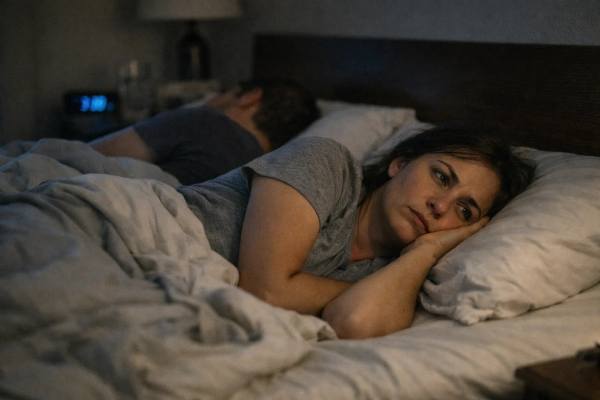
Snoring is easy to dismiss as a noise problem, but it can matter much more than that when you are trying to lose weight. If snoring keeps fragmenting your sleep, or if it is a sign of obstructive sleep apnea, it can leave you hungrier, more tired, less active, and more likely to make impulsive food choices the next day.
That does not mean every person who snores has a serious sleep disorder, and it does not mean snoring alone is the reason weight loss feels hard. But poor sleep quality can quietly work against appetite control, energy, mood, and consistency. This article explains how snoring connects to weight loss, when it may signal a bigger problem, what it does to hunger and energy, and what practical steps can help.
Table of Contents
- Why snoring can matter for weight loss
- How poor sleep quality raises hunger
- Why snoring also drains energy
- When snoring may mean sleep apnea
- What actually helps reduce snoring
- How to eat and move when sleep is poor
- When to get medical help
Why snoring can matter for weight loss
Snoring happens when airflow becomes partly obstructed during sleep and the soft tissues in the nose, mouth, or throat vibrate. Sometimes it is occasional and fairly harmless. Sometimes it is a clue that sleep quality is worse than you think. That distinction matters for weight loss because good results usually depend on more than calories alone. They also depend on appetite control, energy, decision-making, mood, and routine consistency.
When people think about weight loss barriers, they usually focus on food and exercise. Sleep often gets treated like a side issue. In reality, snoring can sit at the center of several problems at once. It may disturb your sleep without fully waking you, leave you less restored in the morning, and make the next day feel harder before you even start making choices. That can create a chain reaction: more fatigue, more cravings, less patience, and lower odds of sticking to the habits that support fat loss.
There is also a two-way relationship here. Extra body weight, especially around the neck and upper airway, can increase the likelihood of snoring and obstructive sleep apnea. Then poor sleep quality can make weight loss harder by increasing hunger and reducing daytime energy. In other words, weight can worsen snoring, and sleep disruption can make weight management more difficult. That feedback loop is one reason people sometimes feel stuck.
Snoring can matter in several ways:
- it may reduce sleep quality even if you think you “slept all night”
- it can leave you feeling unrefreshed and more likely to nap, skip activity, or overeat
- it may signal sleep apnea if it comes with gasping, pauses in breathing, or daytime sleepiness
- it can disrupt your partner’s sleep too, which may increase stress, irritability, and bedtime problems in the household
- it often overlaps with other weight-loss obstacles, including alcohol intake, late meals, sleeping on your back, and inconsistent sleep schedules
This does not mean snoring guarantees poor weight-loss results. Some people snore lightly and still sleep reasonably well. But when snoring is loud, frequent, or paired with daytime fatigue, it is worth taking seriously. A useful rule is this: if your sleep is poor enough to change how hungry, tired, or reactive you feel the next day, it is no longer just a bedtime nuisance.
That is one reason sleep for weight loss matters so much. Better sleep is not only about feeling rested. It helps support the appetite regulation, energy, and consistency that make healthy weight loss easier to sustain.
How poor sleep quality raises hunger
One of the clearest ways poor sleep can interfere with weight loss is by making hunger feel louder and fullness feel less reliable. You may notice this after a bad night: you wake up wanting more food, crave more snack-like or sugary choices, and feel less satisfied after meals than usual.
Part of that response is biological. Sleep disruption affects the systems involved in appetite regulation, food reward, and energy balance. You do not need to know every hormone name to feel the effect. In practical terms, poor sleep often shifts you toward wanting quick, highly palatable food and away from calm, deliberate choices.
That can show up in predictable ways:
- stronger morning hunger or a feeling of needing “something now”
- more cravings for sweets, refined carbs, and high-fat convenience foods
- more grazing or impulsive snacking
- larger portions at dinner or late at night
- feeling mentally unsatisfied even when you have eaten enough physically
Poor sleep also changes how the brain responds to food cues. After a restless night, the part of your brain that wants reward can become louder, while the part that helps with restraint may feel less effective. That is why someone can know exactly what would help and still end up making choices that feel out of character. It is not imaginary, and it is not simply weak willpower.
Another overlooked issue is that tired people often eat for stimulation, not just hunger. Food becomes a way to wake up, stay alert, improve mood, or make a draining day feel more manageable. That is especially common with afternoon vending-machine choices, emotional evening eating, and the feeling that you “need a treat” to get through the night.
This is also why poor sleep can blur the line between hunger and fatigue. Sometimes what feels like a need for extra food is partly a need for recovery, structure, hydration, or a break. But because eating is fast and rewarding, it becomes the default response.
A few practical patterns can reduce the damage from sleep-related hunger:
- eat regular meals instead of trying to compensate by restricting
- make breakfast and lunch protein-forward so hunger does not snowball later
- keep easy, planned options available for tired moments
- pause before assuming every craving needs a food solution
- avoid turning one tired day into a weekend of “I already blew it”
People who struggle with next-day cravings after poor sleep often do better when they expect them instead of being surprised by them. Anticipation creates better choices. That is why articles like why poor sleep makes you hungrier and sugar cravings after bad sleep are so relevant to long-term weight control. The goal is not to eliminate appetite. It is to stop poor sleep from quietly steering the whole day.
Why snoring also drains energy
Weight loss becomes harder when your body and brain both feel underpowered. That is where snoring can create a second major problem. Even if hunger were not affected at all, poor sleep quality would still make progress harder by cutting into energy, motivation, concentration, and willingness to be active.
Many people think of tiredness as a simple feeling of sleepiness. In practice, it changes behavior in several ways:
- workouts feel harder than they should
- step counts drop without you noticing
- recovery from training feels worse
- errands and meal prep start to feel like too much effort
- sitting becomes more appealing than moving
- patience and emotional control shrink, especially late in the day
That last point matters. The impact of snoring is not only physical. It is behavioral. A tired person is more likely to skip the grocery trip, order takeout, miss a workout, or lose the mental energy to plan ahead. That is not because they do not care. It is because poor sleep narrows the margin they usually rely on.
For some people, the biggest effect is not on formal exercise at all. It is on everyday movement. You may still do your planned workout but move less for the other fifteen waking hours. That drop in day-to-day activity can make energy expenditure lower than expected and leave you feeling sluggish enough to reach for more food.
Poor sleep can also distort how hard exercise feels. A walk that would normally feel easy may feel draining after a restless night. Strength training can feel flat. Cardio may feel unusually unpleasant. Over time, that can make movement look like the problem when sleep quality is actually the quieter issue underneath it.
This is one reason some people find themselves in a frustrating pattern:
- They sleep poorly.
- They feel tired and crave more food.
- They move less during the day.
- They feel behind, so they push harder or eat more emotionally.
- The next night is not restorative either.
The more often this cycle repeats, the harder consistency becomes.
It is also worth noting that snoring can affect your partner’s rest. If one person is constantly waking, nudging, changing rooms, or sleeping lightly because of the noise, both people may end up more tired and more irritable. That can increase evening stress, reduce routine stability, and make healthy habits harder for the household overall.
The practical takeaway is simple: if you are always trying to “push through” fatigue, sleep quality deserves more attention. Energy is not a bonus variable in weight loss. It is one of the foundations that makes everything else easier.
When snoring may mean sleep apnea
Not every person who snores has obstructive sleep apnea, but loud chronic snoring can be one of the most recognizable signs. That matters because sleep apnea is not just noisy breathing. It involves repeated narrowing or collapse of the airway during sleep, which can reduce airflow, disrupt sleep quality, and lead to repeated drops in oxygen.
The biggest mistake people make is assuming snoring only matters if they fully wake up. Many people with sleep apnea do not remember frequent awakenings clearly. They just feel tired, foggy, or unrested the next day.
A simple comparison can help:
| More likely simple snoring | More concerning for sleep apnea |
|---|---|
| Occasional or mild snoring | Loud, frequent, chronic snoring |
| No daytime symptoms | Daytime sleepiness or heavy fatigue |
| No witnessed breathing problems | Pauses in breathing, gasping, choking, or snorting |
| Wakes feeling fairly rested | Wakes unrefreshed, with headaches or dry mouth |
| Little impact on function | Poor concentration, mood changes, dozing off easily |
Other risk factors can increase concern, including:
- carrying more weight, especially around the neck or upper body
- high blood pressure
- waking with headaches
- falling asleep easily while sitting quietly
- worsening snoring when sleeping on your back
- a bed partner noticing repeated pauses, gasps, or choking sounds
Sleep apnea matters for weight loss because it can magnify exactly the things that already make progress hard: hunger, fatigue, low activity, poor recovery, and inconsistent routines. It can also affect cardiovascular health, blood pressure, and daytime functioning, which is why it should not be brushed off as a cosmetic or social issue.
If any of this sounds familiar, it may be worth reading more about sleep apnea and weight loss. A diagnosis can matter because the solution may be different from what people try on their own. Weight loss can help some people, but it is not always enough by itself, and it is not a substitute for evaluation when symptoms are strong.
The key idea is this: snoring becomes more medically important when it comes with poor sleep quality, breathing irregularities, or daytime impairment. At that point, treating it as “just snoring” can keep you stuck longer than necessary.
What actually helps reduce snoring
The best approach depends on the cause. Snoring can be influenced by body weight, sleep position, nasal congestion, alcohol, smoking, sedating medications, airway anatomy, and sleep apnea. That is why there is no single fix for everyone. Still, several strategies are consistently practical and worth trying.
Address the obvious contributors first
For many people, the low-hanging fruit matters a lot:
- avoid alcohol close to bedtime
- do not rely on sleeping pills unless a clinician specifically advises them
- treat nasal congestion if it is making you breathe through your mouth
- try side sleeping instead of back sleeping
- keep a regular sleep schedule instead of wildly shifting bedtimes
- work on gradual weight loss if excess weight is part of the picture
Even modest improvements can reduce upper-airway narrowing during sleep and lower snoring intensity in some people.
Improve general sleep conditions
Snoring often gets worse in a sleep routine that is already chaotic. Better sleep hygiene will not cure every airway problem, but it can reduce the overall burden on sleep quality.
Useful habits include:
- a consistent lights-out and wake time
- a bedroom that is cool, dark, and quiet
- earlier shutdown from screens and stimulating work
- finishing large meals with enough time before bed
- a wind-down routine instead of collapsing into bed stressed and wired
A structured sleep hygiene checklist can help if you know your evenings are disorganized.
Watch bedtime substances
Alcohol is a common snoring amplifier because it relaxes the airway further. Some medications can do something similar. Caffeine is different: it usually does not cause snoring directly, but late caffeine can worsen sleep quality and make already poor nights even less restorative. That is why caffeine timing still matters if your goal is better recovery and appetite control.
Know the limits of self-treatment
Lifestyle changes can help, but they are not enough for everyone. If snoring is loud, frequent, paired with gasping, or linked with significant daytime sleepiness, self-treatment should not be the entire plan. Some people need a formal sleep evaluation, positional therapy, an oral appliance, CPAP, or another treatment chosen based on the actual cause.
One of the biggest traps is waiting too long because you assume weight loss has to happen first. In reality, better treatment may help you feel more rested and able to follow through on weight-loss habits. Sometimes sleep support makes the rest of the plan more doable.
What helps most is matching the solution to the problem. Mild snoring from back sleeping and evening alcohol is different from snoring driven by untreated sleep apnea. A good plan starts by being honest about which one sounds more like you.
How to eat and move when sleep is poor
If snoring or poor sleep is already affecting you, the goal is not to run a perfect program. It is to protect your weight-loss progress while you work on the sleep issue. That means using habits that reduce the most common next-day mistakes.
Keep meals structured
Tired people often swing between under-eating early and overeating later. A better approach is steady structure. That usually means three balanced meals or a clear meal pattern you can repeat. Predictability helps when appetite cues are unreliable.
A consistent eating rhythm can be especially helpful, which is why regular meal timing matters on poor-sleep days. It reduces the odds that tiredness turns into grazing.
Build meals that control hunger better
When sleep is off, meals need to work harder. Focus on:
- protein at each meal
- fiber-rich foods such as vegetables, fruit, beans, or high-fiber grains
- enough volume to feel satisfied
- easy options you will actually prepare when tired
Examples include Greek yogurt with fruit, eggs and toast, chicken and rice bowls, soups with beans, or a simple high-protein sandwich plus produce. The point is not culinary perfection. It is reducing the chance that exhaustion pushes you toward random snacking.
Plan for the danger zones
Poor-sleep days often go off track in predictable places:
- midmorning vending choices
- afternoon sugar cravings
- takeout on the drive home
- evening snacking after dinner
- bedtime “reward” eating
Decide in advance what those moments will look like. A planned snack is usually better than an unplanned spiral. A simple dinner is usually better than waiting until you are starving. A defined stopping point after dinner is usually better than eating in front of a screen until bedtime.
Adjust movement without abandoning it
You do not need to force your hardest workout after every poor night. But doing nothing often makes fatigue worse. A short walk, lighter training session, or simple movement break can be enough to protect routine and improve how you feel. This is where walking for stress relief and appetite control can be useful. It asks less of you than intense exercise while still supporting mood, energy, and appetite regulation.
The most useful mindset is flexible consistency. Poor sleep may justify a lighter day. It does not have to become a lost day.
When to get medical help
Snoring deserves medical attention when it stops looking like a minor annoyance and starts affecting sleep quality, daytime function, or breathing. Many people wait too long because they assume they only need help if snoring is extremely loud, or because they think the answer is simply to lose weight first. That delay can keep them stuck.
Consider talking with a healthcare professional if:
- your snoring is frequent, loud, or worsening
- someone notices pauses in breathing, gasping, choking, or long silent gaps
- you wake up tired even after what should have been enough sleep
- you often feel sleepy during the day
- you wake with headaches, dry mouth, or brain fog
- your concentration, mood, or driving alertness is affected
- you have high blood pressure or other health issues along with poor sleep
- lifestyle steps have not helped enough
A clinician may ask about your symptoms, risk factors, and sleep habits, and may recommend a sleep study at home or in a sleep lab. That is not overreacting. It is often the fastest way to find out whether you are dealing with simple snoring or something more significant like obstructive sleep apnea.
It is also important to avoid self-blame here. If you have been fighting hunger, fatigue, and low motivation for months, untreated poor sleep could be part of the reason. That does not replace nutrition and activity, but it may explain why those efforts have felt harder than expected.
The most useful perspective is this: snoring is not only about noise. In some cases, it is one of the clues that your recovery, appetite control, and daytime energy are being undermined at night. Addressing that problem can make your entire weight-loss plan easier to carry out.
If your symptoms are mild, improving sleep habits and weight-related routines may help. If your symptoms are stronger or more persistent, getting evaluated is the smarter move. Better sleep can improve not only how rested you feel, but also how consistently you can make the choices that support long-term weight loss.
References
- Sleep Deprivation: Effects on Weight Loss and Weight Loss Maintenance 2022 (Review)
- The role of insufficient sleep and circadian misalignment in obesity 2023 (Review)
- Obstructive sleep apnea and obesity: A review of epidemiology, pathophysiology and the effect of weight-loss treatments 2024 (Review)
- A Narrative Review on Sleep and Eating Behavior 2025 (Review)
- Obstructive sleep apnea – adults 2025 (Official Medical Encyclopedia)
Disclaimer
This article is for general educational purposes only and is not a substitute for medical advice, diagnosis, or treatment. Loud chronic snoring, witnessed pauses in breathing, gasping, or significant daytime sleepiness should be discussed with a qualified healthcare professional.
If this article helped you, please share it on Facebook, X (formerly Twitter), or any platform where it could help someone else.