
Tag: Skin Health
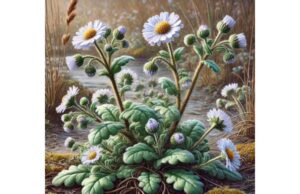
Eclipta (Eclipta prostrata) hair growth, liver support, and safety guide
Eclipta, botanically known as Eclipta prostrata and often called bhringraj or false daisy, is a small herb with an outsized reputation in traditional medicine....

Eastern Prickly Pear Health Benefits, Medicinal Properties, and Side Effects
Eastern prickly pear is a low-growing, cold-hardy cactus with a tougher reputation than its health profile first suggests. Known botanically as Opuntia humifusa, it...

Devil’s Walkingstick, Root Bark Benefits, How to Use It, Dosage, and...
Devil’s walkingstick (Aralia spinosa), also known as Hercules’ club or angelica tree, is a spiny, aromatic shrub or small tree native to the eastern...
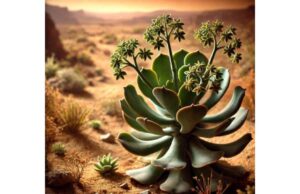
Devil’s Backbone (Kalanchoe daigremontiana) key ingredients, topical uses, dosage ranges, and...
Devil’s Backbone (Kalanchoe daigremontiana) is a striking succulent best known for producing tiny plantlets along the edges of its leaves—one reason it’s also called...
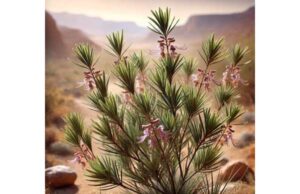
Desert Willow tea uses, cough support, antimicrobial properties, and side effects
Desert willow (Chilopsis linearis) is a flowering shrub or small tree native to the American Southwest and northern Mexico, celebrated for its trumpet-shaped blooms...

Deodar Cedar for Relaxation, Skin Support, Aromatherapy Uses, and Safety
Deodar cedar (Cedrus deodara), also known as Himalayan cedar, is an aromatic evergreen prized for its warm, resinous scent and long history in traditional...

Daphne-berry, Medicinal Claims, Active Compounds, Research Evidence, and Safety Warnings
Daphne-berry, most often referring to Daphne mezereum (also called mezereon or February daphne), is a fragrant ornamental shrub known for its early flowers and...

Daisy (Bellis perennis) health benefits, skin uses, key compounds, and side...
The common daisy (Bellis perennis) is one of those plants many people recognize instantly, yet few think of as a traditional remedy. In European...
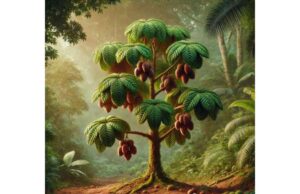
Cupuacu (Theobroma grandiflorum) health benefits, nutrition facts, medicinal properties, and side...
Cupuacu (Theobroma grandiflorum) is an Amazonian fruit closely related to cacao, prized for its fragrant, tangy pulp and its rich, cocoa-like seed fat known...
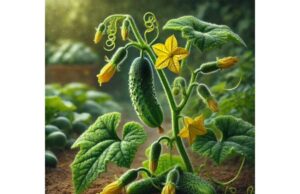
Cucumber for skin, digestion, and weight management, plus safety precautions
Cucumber (Cucumis sativus) is often treated as a simple salad ingredient, yet it functions as something more useful: a high-water, low-calorie food that reliably...

Crowfoot traditional uses, modern evidence, and safety precautions
Crowfoot (Ranunculus acris), often called meadow buttercup or tall buttercup, is a familiar yellow wildflower in many temperate fields and roadsides. It belongs to...
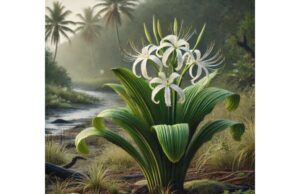
Crinum Lily active compounds, medicinal properties, and toxicity risks
Crinum lily, also known as Crinum asiaticum, is a dramatic, tropical-looking plant with long strap-like leaves and showy, starry flowers. In many places it...

Creeping Buttercup (Ranunculus repens) key ingredients, protoanemonin risks, and medicinal properties
Creeping buttercup (Ranunculus repens) is a common meadow and lawn plant with cheerful yellow flowers and a less cheerful reality: its fresh sap can...
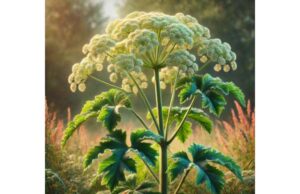
Cow Parsnip traditional uses, modern evidence, and safety considerations
Cow parsnip (Heracleum maximum) is a large, native North American member of the carrot family (Apiaceae) that grows in moist meadows, stream edges, forest...

Cornflower tea benefits, eye compress uses, side effects, and precautions
Cornflower (Centaurea cyanus), sometimes called bachelor’s button or bluebottle, is best known as a vivid blue edible flower—but its value goes beyond decoration. Traditionally,...

Copperleaf (Acalypha wilkesiana) health benefits, key compounds, uses, and safety
Copperleaf (Acalypha wilkesiana) is a tropical shrub best known for its vivid, coppery-red foliage—but in many traditional systems it is also valued as a...

Copaiba Uses for Skin and Oral Care, Benefits, and Side Effects
Copaiba is a fragrant plant resin (often called copaiba oil-resin or oleoresin) traditionally tapped from Copaifera trees in South America. Unlike many “herbal oils,”...

Comptonia (Sweetfern) tea benefits, digestive support, topical uses, and side effects
Comptonia peregrina—better known as sweetfern—is a fragrant, fern-like shrub native to eastern North America. Despite its delicate appearance, it’s a surprisingly sturdy plant with...

Comfrey for sprains, bruises, pain relief, and safe use
Comfrey (Symphytum officinale) is a traditional European herb with a reputation for “knitting” tissues back together—an idea rooted in its long history of topical...

Coconut oil benefits, MCT content, cholesterol effects, and safe daily intake
Coconut is a remarkably versatile tropical fruit that shows up in kitchens and medicine cabinets alike—think coconut water for hydration, coconut meat for fiber...
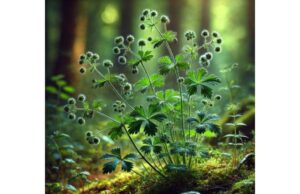
Cleavers health benefits, uses, dosage, and safety guide
Cleavers (Galium aparine) is a humble, sticky spring plant that clings to clothing and fur—yet it has earned a long-standing place in Western herbal...

Citronella benefits, mosquito repellent uses, dosage, and side effects
Citronella is best known for one job: helping people spend time outdoors with fewer mosquito distractions. The plant Cymbopogon nardus—often called citronella grass—produces an...

Calendula Benefits for Skin Healing, Inflammation Relief, Uses, Dosage, and Safety
Calendula, often called pot marigold, is a bright orange-yellow flower long used in traditional herbal care for the skin and mucous membranes. Modern interest...
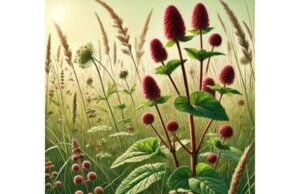
Burnet, wound and skin support, preparation methods, and safety
Burnet (Sanguisorba officinalis), often called great burnet, is a traditional astringent herb valued for its “tightening” and cooling character. In European folk practice and...