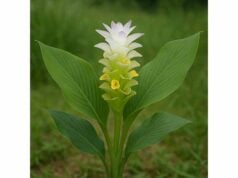
Tahitian gardenia, better known in Polynesia as tiare Tahiti, is a fragrant tropical flower with deep cultural meaning and a growing place in modern natural skin and hair care. Although it is often spoken about as a medicinal herb, its strongest real-world uses are topical rather than internal. The flower is most famous as the botanical heart of monoi, the traditional infusion made by steeping fresh Gardenia taitensis blossoms in coconut oil. That pairing matters, because many of its practical benefits come from the combination of the flower’s soothing aromatic compounds and the emollient, barrier-supportive nature of the oil that carries them.
People turn to Tahitian gardenia for softening dry skin, improving hair feel and shine, supporting massage and after-sun care, and creating a calming sensory ritual. Traditional use also links it with skin comfort, local soothing, and general body care. Still, the evidence is uneven. Direct human clinical research on the flower itself is limited, so the most responsible way to use it is as a cosmetic and wellness botanical, not as a proven cure. Used with that mindset, it can be a beautiful and practical part of a careful routine.
Essential Insights
- Tahitian gardenia is most useful for softening dry skin and improving hair softness, shine, and manageability.
- Its best-supported role is in topical care, especially when infused in coconut oil as monoi.
- A practical topical range is about 2 to 10 drops per use for small areas, or 1 to 2 teaspoons for full-body application.
- People with fragrance sensitivity, coconut allergy, or reactive acne-prone skin should use extra caution or avoid it.
Table of Contents
- What Tahitian Gardenia Is and Why It Stands Out
- Key Ingredients and Medicinal Properties
- Potential Health Benefits and What the Evidence Says
- Tahitian Gardenia for Skin, Scalp, and Hair
- Other Uses and How to Choose a Good Product
- Dosage, Timing, and Best Ways to Use It
- Safety, Side Effects, Interactions, and Who Should Avoid It
What Tahitian Gardenia Is and Why It Stands Out
Tahitian gardenia is a small evergreen shrub in the coffee family, Rubiaceae. Its waxy white flowers are strongly fragrant, with a scent that feels creamy, floral, green, and slightly spicy at once. The plant is closely associated with Tahiti and neighboring islands, where it has long been woven into daily beauty practices, hospitality, ceremony, adornment, and traditional home care.
What makes this flower unusual is that it is not mainly valued as a tea herb, capsule ingredient, or kitchen spice. Its importance is overwhelmingly sensory and topical. In everyday practice, the blossoms are commonly macerated in oil, especially in the island tradition that also relies heavily on coconut oil as a nourishing base for skin and hair care. The result is monoi, a perfumed infusion that is used to moisturize the body, condition the hair, support massage, and add softness after sun and salt-water exposure.
That distinction matters. When people search for Tahitian gardenia health benefits, they often expect a broad medicinal profile similar to Asian gardenia fruit preparations or Western herbal extracts. But Gardenia taitensis is a different plant use-case. It is best understood as a flower used in cosmetically active oil preparations, not as a heavily studied internal remedy. Traditional Polynesian practice gives it credibility as a comfort herb for the skin and body, yet modern evidence is strongest around antioxidant screening, ethnobotanical documentation, and the cosmetic value of infused oil preparations rather than large human treatment trials.
Another reason it stands out is the balance between beauty and function. Many fragrant botanicals smell pleasant but irritate the skin when used carelessly. Tahitian gardenia, when properly infused and sensibly applied, tends to be positioned as a softer, more ritual-oriented botanical. That does not make it risk-free, but it helps explain why it remains so enduring in body oils, hair oils, and massage products.
In practical terms, Tahitian gardenia is best thought of as a traditional Polynesian flower used for skin feel, hair finish, aroma, and gentle topical support. That is a narrower claim than “miracle herb,” but it is a more accurate and useful one.
Key Ingredients and Medicinal Properties
The chemistry of Tahitian gardenia is one reason it has remained so valued. The flower contains volatile aromatic compounds that give it its rich scent, along with nonvolatile plant metabolites that may contribute antioxidant and skin-comfort effects. Even so, one of the most important insights for readers is this: in most real products, the flower does not work alone. The final effects depend on both the flower and the carrier, especially when the preparation is a monoi-style infusion.
The fragrance side of Tahitian gardenia comes from a mix of floral volatiles, including aromatic alcohols, esters, and terpenic compounds. These help explain why the scent feels lush but not as sharp as some essential oils. Compared with more intensely heady florals such as ylang-ylang, Tahitian gardenia often feels rounder, creamier, and more skin-close. That makes it especially attractive in leave-on body products.
From a medicinal-properties standpoint, the most reasonable categories are:
- Antioxidant potential, meaning the plant contains compounds that can help neutralize oxidative stress in lab models.
- Mild soothing support, especially in traditional topical use for irritated or weather-exposed skin.
- Cosmetic emollience by partnership, because when the flower is infused into oil, the resulting product helps reduce dryness and improve skin feel.
- Sensory calming value, since pleasant floral aroma can support relaxation rituals even when it is not a direct medical sedative.
It is also worth separating Tahitian gardenia from other gardenia species. A common mistake is to borrow research from Gardenia jasminoides fruit and apply it to Gardenia taitensis flowers. These are not interchangeable. Asian gardenia fruit research often centers on iridoids and internal pharmacology, while Tahitian gardenia is primarily used as a flower infusion for body care. That means some broad “gardenia” claims online are too sweeping.
In monoi preparations, the carrier oil changes the story further. Coconut-based oils add fatty acids that improve slip, reduce water loss from the skin surface, and help hair feel smoother and less brittle. So when a person experiences softer skin or shinier hair from Tahitian gardenia oil, the benefit often comes from the synergy of fragrant flower compounds and the structural support of the oil base.
In plain language, the key active story is not one miracle molecule. It is a layered effect: aroma, plant antioxidants, gentle topical soothing, and an oil vehicle that helps the flower stay on the skin and hair long enough to matter. That makes Tahitian gardenia less of a pharmaceutical herb and more of a traditional functional botanical with genuine cosmetic value.
Potential Health Benefits and What the Evidence Says
The strongest benefit claims for Tahitian gardenia should stay close to what tradition and early research actually support. That means focusing on skin comfort, hair feel, emollient support, antioxidant potential, and wellness-oriented use rather than promising broad disease treatment.
A balanced summary of likely benefits looks like this:
- Dry-skin support. Tahitian gardenia is commonly used in oil infusions that help soften rough areas and reduce the tight feeling that comes with dryness.
- Hair conditioning. In a traditional monoi format, it can improve softness, shine, and manageability, especially on dry, curly, salt-exposed, or overwashed hair.
- Mild after-sun and after-bath comfort. It is often used after bathing, swimming, or sun exposure because it leaves a protective, comforting film on the skin.
- Antioxidant support. Lab work on Polynesian medicinal plants suggests Gardenia taitensis belongs in a group of botanicals with skin-care antioxidant potential.
- Relaxing sensory effect. The floral aroma can make massage and body care more calming and emotionally grounding.
What the evidence does not clearly prove is equally important. There is not strong human clinical evidence showing that Tahitian gardenia alone treats eczema, psoriasis, infection, wound healing, insomnia, pain syndromes, or internal inflammatory disorders. Some traditional uses point in those directions, but a traditional use is not the same as a confirmed treatment outcome. The most honest interpretation is that it is a supportive botanical, not a stand-alone medical therapy.
A useful insight here is that many reported benefits likely come from the full preparation. If a monoi product makes hair feel stronger or less rough, some of that effect probably comes from coconut-based oil reducing porosity and surface damage, while the flower contributes scent, sensory appeal, and possibly some supportive plant compounds. That combination can still be valuable, but the mechanism is blended, not flower-only.
This is also why Tahitian gardenia works best for expectation management. It is excellent for a ritual that makes the skin feel nourished and the hair look healthier. It is much less convincing as an oral “healing herb” or a replacement for prescription care. For irritated or compromised skin, it may serve as a comfort layer around a proper treatment plan, much as people sometimes combine it with other soothing island botanicals such as tamanu oil for a richer restorative feel.
The bottom line is simple. Tahitian gardenia has real value, but its value is mostly topical, sensory, and supportive. Used that way, the claims are credible. Used as a cure-all, the claims quickly outrun the evidence.
Tahitian Gardenia for Skin, Scalp, and Hair
Skin and hair care is where Tahitian gardenia makes the most practical sense. In this setting, the goal is not to force a medicinal result but to use the flower in ways that improve comfort, texture, and daily care quality.
For skin, Tahitian gardenia oil is best suited to dryness, rough patches, post-shower softness, massage, and cosmetic glow. It works especially well when applied to damp skin, because a thin layer of oil on slightly wet skin can reduce moisture loss and improve spread. This makes it useful for elbows, knees, shoulders, legs, and areas that feel tight after bathing. It can also be pleasant as a cuticle oil or as a finishing body oil over a bland moisturizer.
For the scalp and hair, the best applications are pre-wash treatment, light finishing oil on the ends, and occasional smoothing of flyaways. Dry, frizz-prone, chemically processed, curly, or beach-exposed hair tends to respond best. A small amount on the mid-lengths and ends can reduce roughness and improve shine. A larger pre-shampoo application may help with manageability and reduce the stripped feeling that frequent washing creates.
Good use patterns include:
- Pre-wash hair oil: apply to lengths and ends 30 to 60 minutes before shampooing.
- Leave-in finishing oil: warm a few drops in the hands and press into the last third of the hair.
- Body oil after bathing: massage a small amount into damp skin.
- Massage oil: use alone or over a basic lotion for better glide.
There are limits. Oily scalps may dislike leave-on use near the roots. Acne-prone skin may react to heavier oil layers, especially on the chest, shoulders, or jawline. Strong fragrance lovers may enjoy it, but very reactive skin may prefer a simpler product.
Tahitian gardenia can also fit nicely into a broader floral care routine. Readers who enjoy fragrant botanicals may find some overlap in mood and self-care use with jasmine, though Tahitian gardenia is typically richer, creamier, and more associated with oil infusions than brewed preparations.
A good rule is to use just enough to change feel, not so much that the skin becomes greasy or the hair collapses. This is one of those botanicals where restraint usually produces the best result. A light, regular application often outperforms heavy, occasional use.
Other Uses and How to Choose a Good Product
Beyond straightforward skin and hair care, Tahitian gardenia also has value in self-care settings where texture, aroma, and ritual matter. It is often used in massage, after-sun routines, bath rituals, and personal scent layering. Some people apply a small amount to pulse points, collarbones, or the ends of the hair as a soft floral finish. Others use it to soften hands and feet before bed.
These uses are practical because the flower’s appeal is not only chemical. Part of its benefit is experiential. A product that encourages slow massage, less over-cleansing, and more consistent moisturizing can improve skin comfort simply because it supports better habits. That may sound simple, but in real life, pleasant products are often the ones people actually use.
Choosing a good Tahitian gardenia product is important because the market includes everything from authentic infused oils to synthetic fragrance blends. A better product usually shows several signs:
- Clear ingredient labeling.
- A recognizable oil base such as coconut oil.
- Either fresh flower infusion language or Gardenia taitensis flower extract on the label.
- A scent that feels floral and soft rather than harsh or chemical.
- Packaging that protects the oil from heat and light.
Authentic monoi-style products may also solidify in cooler weather. That is usually normal, not a defect. Coconut-rich oils can harden below about room temperature. Gentle warming of the bottle in the hands or in lukewarm water usually restores fluidity.
A few buying mistakes are common:
- Assuming every “gardenia oil” is Tahitian gardenia.
- Confusing a perfume oil with a botanical infusion.
- Overpaying for a product that contains mostly synthetic fragrance and very little functional oil.
- Expecting a fragranced oil to behave like a clinical skin treatment.
If you are fragrance-sensitive, simpler is better. If you are acne-prone, use it first on the body or hair ends rather than the face. If you want the most traditional experience, look for products centered on coconut oil and Gardenia taitensis rather than long ingredient lists packed with extra perfumes, dyes, or drying alcohols.
In other words, product quality affects the outcome as much as the flower itself. A thoughtfully made oil can be comforting and elegant. A heavily perfumed imitation can be irritating and disappointing.
Dosage, Timing, and Best Ways to Use It
There is no standardized medicinal oral dose for Tahitian gardenia, and that is worth stating clearly. This is not a well-established supplement herb with a fixed capsule range or a clinically validated tea dose. The most responsible dosage advice is topical and practical.
For topical use, these ranges work well for most adults:
- Face or a very small area: 1 to 3 drops.
- Cuticles, lips area around the mouth, or dry patches: 2 to 4 drops.
- Hair ends or flyaways: 2 to 5 drops.
- Whole scalp or pre-wash hair treatment: 1 to 2 teaspoons.
- Full-body application after bathing: 1 to 2 teaspoons.
- Massage use for shoulders, arms, or legs: 1 to 3 teaspoons as needed.
Timing depends on the goal:
- After bathing is best for body softness, because slightly damp skin helps seal in moisture.
- Before shampooing is best for hair protection and softness.
- Before sun exposure is not ideal if you are using it as your only product; it is not a sunscreen.
- After sun, after swimming, or after salt-water exposure is a better fit.
- Evening use often works well because the aroma can feel more relaxing and there is less concern about shine.
Frequency can be once daily for dry skin, two to three times weekly for hair treatments, or simply as needed. More is not always better. Heavy use can leave residue on hair, stain fabrics, or contribute to clogged pores in some people.
Preparation format matters too. Tahitian gardenia is most often encountered as:
- Monoi or monoi-like infused oil.
- Body oil blends.
- Hair oils and masks.
- Scented balms and butters.
- Rarely, floral water or perfume-style products.
Oral use is not a routine recommendation. Because the flower is mainly used topically and because safety data for internal dosing are limited, self-prescribing internal use is not a wise default. If a product is marketed as ingestible, that should be treated as a separate product category requiring professional review.
A final practical tip: start low. Try a few drops first, learn how your skin or hair responds, then scale up only if needed. Tahitian gardenia works best as a measured, repeatable ritual rather than a heavy-handed treatment.
Safety, Side Effects, Interactions, and Who Should Avoid It
Tahitian gardenia is generally best tolerated as an external cosmetic botanical, but “natural” does not mean risk-free. Its main safety issues are irritation, fragrance sensitivity, pore congestion in some users, and confusion about whether a product is meant for topical or internal use.
The most common side effects are:
- Skin irritation or burning on sensitive skin.
- Allergic contact reactions to fragrance compounds or other ingredients in the blend.
- Breakouts or clogged pores on acne-prone areas.
- Hair heaviness or limpness when overapplied.
- Eye irritation if it migrates into the eyes.
A patch test is a smart first step. Apply a small amount to the inner forearm or behind the ear and wait 24 hours. If redness, itching, or stinging develops, do not continue.
People who should avoid it or use extra caution include:
- Anyone with known allergy to coconut, gardenia, or fragranced skin products.
- People with active eczema flares, dermatitis, or broken skin unless a clinician says a fragranced oil is appropriate.
- Those with acne-prone facial skin, especially if they react badly to heavier oils.
- Infants and very young children, unless the product is specifically designed for them and a qualified professional approves it.
- Anyone considering oral use without medical guidance.
Interactions are mostly practical rather than pharmacologic. Tahitian gardenia oil may worsen irritation when layered over strong exfoliating acids, retinoids, benzoyl peroxide, or medicated scalp products if the skin barrier is already stressed. In that setting, use it on alternate times or on unaffected areas instead of stacking everything together.
Pregnant and breastfeeding adults usually face the same advice as other users: modest external use is more reasonable than concentrated or internal use, but fragrance sensitivity can increase during these periods. Simpler formulas are often the safest choice.
One more safety point deserves emphasis. A true Tahitian gardenia preparation is usually a cosmetic support product, not a substitute for treatment. If a rash is infected, a scalp condition is worsening, or hair loss is sudden and significant, do not rely on a floral oil alone. Use it, if at all, as a comfort measure around proper evaluation.
In short, Tahitian gardenia is safest when used externally, lightly, and with realistic expectations. Respect the fragrance, respect the carrier oil, and respect the fact that some skin types prefer simpler routines.
References
- Identification of Antioxidant Metabolites from Five Plants (Calophyllum inophyllum, Gardenia taitensis, Curcuma longa, Cordia subcordata, Ficus prolixa) of the Polynesian Pharmacopoeia and Cosmetopoeia for Skin Care 2023 (Research Article)
- Traditional medical practices for children in five islands from the Society archipelago (French Polynesia) 2023 (Open Review and Survey)
- Benefit of coconut-based hair oil via hair porosity quantification 2022 (Research Article)
- A Comprehensive Review of Plant-Based Cosmetic Oils (Virgin Coconut Oil, Olive Oil, Argan Oil, and Jojoba Oil): Chemical and Biological Properties and Their Cosmeceutical Applications 2024 (Review)
- Monoï de Tahiti, appellation of origin since 1992 2022 (Official Association Article)
Disclaimer
This article is for educational purposes only and is not medical advice, diagnosis, or treatment. Tahitian gardenia is best understood as a topical wellness and cosmetic botanical, not a proven cure for disease. Safety can vary with the exact formula, the carrier oil, and your skin or scalp condition. If you are pregnant, breastfeeding, treating a skin disorder, managing allergies, or thinking about internal use, speak with a qualified healthcare professional before using it.
If you found this guide useful, please share it on Facebook, X, or your preferred platform to help more readers find practical, evidence-aware information on Tahitian gardenia.