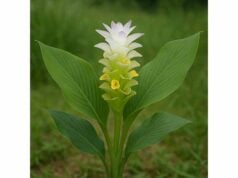
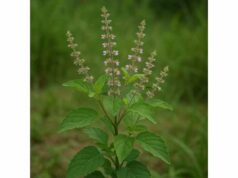
Tarragon is a fragrant culinary herb best known for its delicate anise-like flavor, but it has a much broader story than its place in mustard, vinegar, and French sauces suggests. Botanically called Artemisia dracunculus, it belongs to the same large plant family as chamomile and wormwood. For centuries, it has been used not only to season food, but also to support digestion, stimulate appetite, freshen the palate, and ease minor discomfort after heavy meals.
Modern interest in tarragon focuses on its volatile oils, polyphenols, coumarins, and other plant compounds that may help explain its antioxidant, anti-inflammatory, antimicrobial, and metabolic effects. Even so, the evidence is uneven. Culinary tarragon is well established as a useful food herb, while many stronger health claims come from extracts, essential oil studies, or small clinical trials rather than broad, settled human evidence.
That is why a practical guide matters. Tarragon can be genuinely useful, especially for flavor, digestion, and gentle functional support, but the form you choose, the amount you use, and your personal risk factors all make a difference.
Quick Facts
- Tarragon may help support digestion, appetite, and post-meal comfort, especially when used in food or tea.
- Its most promising researched effects involve antioxidant activity and modest support for glucose-related and inflammatory pathways.
- A practical tea range is about 1 to 2 g dried tarragon per cup, up to 2 to 3 times daily for short-term use.
- Concentrated tarragon essential oil is not the same as the fresh herb and should not be taken casually by mouth.
- Pregnant or breastfeeding people and anyone using glucose-lowering medicines should be cautious with medicinal-dose tarragon.
Table of Contents
- What tarragon is and which type matters
- Key ingredients and medicinal properties of tarragon
- Tarragon health benefits with practical expectations
- Traditional uses and where modern evidence fits
- How to use tarragon in food, tea, and extracts
- Dosage, timing, and how long to use it
- Safety, side effects, and who should avoid it
What tarragon is and which type matters
Tarragon is a perennial aromatic herb in the Asteraceae family. Its long, narrow leaves and light herbal sweetness make it one of the classic herbs for sauces, dressings, marinades, and infused vinegars. Yet the name “tarragon” covers more than one practical type, and that distinction matters for both cooking and health discussions.
In everyday use, people most often mean French tarragon. This is the preferred culinary type because it has the smooth, sweet, slightly licorice-like taste that makes the herb famous. Russian tarragon, by contrast, tends to taste harsher, less refined, and more bitter. It is less prized in cooking, but it appears more often in some supplement and research contexts. When an article or product mentions metabolic or blood-sugar effects, it is often referring to Russian tarragon extracts rather than the fresh herb used in the kitchen.
That difference is important because it prevents a very common misunderstanding. A spoonful of chopped fresh tarragon in a salad dressing is not equivalent to a concentrated tarragon extract in a capsule. The plant family may be the same, but the chemistry and dosing can be quite different depending on the part used, the extraction method, and the cultivar.
Tarragon also sits at the intersection of food and herbal practice. It is valuable as:
- a flavoring herb for savory dishes
- a digestive-supportive culinary plant
- a traditional remedy for low appetite and sluggish digestion
- a source of bioactive compounds studied for antioxidant and metabolic effects
This food-and-herb overlap is part of what makes tarragon appealing. It does not need to be taken as a supplement to be useful. Many of its most realistic benefits begin with regular culinary use. A herb that makes food more satisfying, salt-free meals more flavorful, and heavy meals easier to handle can be genuinely helpful long before anyone reaches for a capsule.
Tarragon’s botanical identity also helps explain some of its cautions. Because it is in the Asteraceae family, people with known sensitivity to related plants may need to be careful. Its essential oil chemistry can also vary widely, and that variability matters more for concentrated products than for ordinary cooking.
The best starting point is simple: think of tarragon first as a functional culinary herb, then as a medicinal plant with potential. That order keeps expectations realistic and helps separate its everyday value from the more experimental claims built around extracts and essential oils.
Key ingredients and medicinal properties of tarragon
Tarragon’s medicinal reputation comes from a mix of volatile and non-volatile compounds. The aromatic fraction gives the herb its distinctive scent and taste, while the non-volatile fraction contributes many of the antioxidant and anti-inflammatory properties that have attracted modern research.
The best-known aromatic compound is estragole, also called methyl chavicol. It contributes strongly to the sweet, anise-like character of tarragon, especially in essential oil-rich preparations. Depending on the type of tarragon and the preparation, other volatile compounds may include ocimenes, limonene, sabinene, terpinen-4-ol, trans-anethole, elemicin, eugenol-related compounds, and smaller amounts of other terpenes. These compounds help explain why tarragon feels bright, slightly warming, and digestive in food.
The non-volatile fraction is just as important, especially in leaf and extract studies. Tarragon contains:
- flavonoids such as quercetin, luteolin, kaempferol, and related glycosides
- phenolic acids such as chlorogenic acid, caffeic acid, and vanillic acid
- coumarins, including herniarin and related compounds
- alkamides and other minor phytochemicals
- small amounts of tannins, sterols, and vitamin C depending on the form
These compounds shape the plant’s broader medicinal properties. In practical language, tarragon is often described as having several overlapping actions:
- carminative, meaning it may help ease gas and digestive heaviness
- appetite-supportive, especially before or with meals
- antioxidant, through its polyphenol content
- mild anti-inflammatory, especially in preclinical and extract studies
- antimicrobial in laboratory settings
- potentially glucose-modulating in some extract-based studies
That last point needs care. Some of the best-known experimental work on tarragon focuses on specific hypoglycemic compounds in Russian tarragon extracts, not on ordinary culinary use. So while the plant has interesting metabolic potential, it should not be described as a proven glucose-control herb in the same way that strong clinical therapies are. It is more accurate to say that certain tarragon extracts may influence glucose-related pathways and insulin handling under specific conditions.
Another useful distinction is between herb, infusion, and essential oil. A leaf infusion emphasizes a broader mixture of water-soluble compounds. Essential oil emphasizes volatile aromatic chemistry. Hydroalcoholic extracts may concentrate different compounds again. This is why results from one preparation do not automatically apply to another.
In culinary terms, tarragon’s chemistry gives it a role similar to other aromatic kitchen herbs with overlapping digestive and antioxidant value, such as rosemary’s aromatic antioxidant profile. But tarragon is softer, sweeter, and more closely associated with appetite, vinegars, sauces, and gentle post-meal support than with strongly resinous or stimulating effects.
The most practical takeaway is that tarragon is chemically rich, but its benefits depend heavily on form. Fresh leaves, dried herb tea, and concentrated extracts each tell a different story.
Tarragon health benefits with practical expectations
Tarragon’s health benefits are best understood in layers. Some uses are grounded in culinary experience and traditional logic. Others are supported by cell studies, animal work, or small human trials. The evidence is promising in places, but not broad enough to justify dramatic promises.
Digestive support and appetite
This is tarragon’s most realistic everyday benefit. Its aromatic profile can make food feel more appealing, especially when appetite is low or meals seem heavy and dull. Many people find that tarragon-containing dishes feel easier to eat and easier to digest. That does not mean the herb “cures” indigestion, but it can support the digestive process through flavor, salivation, and mild carminative action.
Antioxidant support
Tarragon is rich in polyphenols and other plant compounds associated with antioxidant activity. This makes it relevant to the broader idea of reducing oxidative stress, though that effect should be understood as supportive rather than dramatic. A herb-rich diet works by cumulative influence, not by one heroic ingredient.
Mild anti-inflammatory potential
Research on extracts suggests that tarragon may influence inflammatory signaling and oxidative stress pathways. This area is interesting, especially because both polyphenols and certain aromatic compounds may contribute. Still, most of the stronger evidence comes from preclinical research, so it is better to describe this as potential rather than settled clinical benefit.
Glucose-related and metabolic effects
This is the most discussed modern area, but also the most likely to be overstated. Some studies on Russian tarragon extracts suggest improvements in insulin handling, glucose-related markers, systolic blood pressure, or HDL cholesterol in selected groups. That does not mean culinary tarragon is a treatment for diabetes or prediabetes. The safest interpretation is that specialized tarragon extracts may have metabolic activity worth further study.
Antimicrobial and food-protective effects
In laboratory and food science settings, tarragon extracts and essential oil have shown antimicrobial activity. This may help explain its historical role in seasoning preserved foods, pickles, sauces, and vinegars. But in vitro antimicrobial action is not the same as treating an infection in a person. It is useful background, not a reason for self-treatment.
A balanced list of realistic benefits would look like this:
- better flavor and appetite in everyday meals
- gentle support for gas, heaviness, and sluggish digestion
- added antioxidant value in herb-rich eating patterns
- possible modest metabolic support from certain extracts
- mild anti-inflammatory promise that still needs more human evidence
For readers interested mainly in digestive comfort, tarragon fits into the same practical family as fennel for gas and post-meal ease, though its flavor is greener, drier, and more suited to savory sauces than to sweet seed teas.
The most helpful mindset is to expect tarragon to perform well as a supportive herb, not a stand-alone therapy. It adds value through repeated, appropriate use, especially in food, and becomes more uncertain as claims move from digestion and flavor toward chronic metabolic disease treatment.
Traditional uses and where modern evidence fits
Tarragon has a long traditional record in Asian and European herbal practice. Historically, it has been used for poor appetite, sluggish digestion, abdominal discomfort, unpleasant breath, minor inflammatory complaints, and general weakness after illness or heavy food. In some traditions, it was also described as a mild calming or sleep-supportive herb, though that role is less established in modern use.
One reason tarragon remained important is that it works well as both remedy and ingredient. Many herbs become difficult to use regularly because they taste harsh or unpleasant. Tarragon avoids that problem. It can be built into dressings, soups, egg dishes, fish preparations, poultry, mustard, and vinegars with little effort. That gives it a natural role in preventive or supportive use rather than only symptom-driven use.
Traditional uses often group tarragon into a few core themes:
- stimulating appetite before meals
- easing heaviness and fullness after eating
- supporting smoother digestion of rich foods
- helping the palate recover after strong or fatty meals
- refreshing the mouth and breath
- serving as a mildly warming but not aggressively hot herb
Modern evidence supports parts of that traditional picture more than others. The appetite and digestive story makes good sense because the herb’s aroma and taste naturally stimulate appetite and enhance the sensory side of digestion. The antioxidant and anti-inflammatory story also fits modern phytochemical findings. The more ambitious claims, such as broad hormonal or strong anti-diabetic action, remain much less settled and depend heavily on specific extracts.
Another important point is that traditional practice usually relied on whole herb use, infusions, food preparations, or vinegars. It did not always depend on isolated essential oils or highly standardized extracts. That matters because whole-herb use often exposes the body to a gentler, more balanced mixture of compounds. Concentrated products can be useful, but they do not always behave like the traditional remedy they are trying to imitate.
This is also why tarragon should be kept distinct from other Artemisia plants. The genus is large, and some relatives have very different safety profiles, dominant compounds, or traditional roles. Tarragon is not simply “wormwood with a sweeter taste.” It has its own culinary identity, chemistry, and practical use.
For modern readers, the most useful translation of traditional knowledge is not to copy old claims literally, but to ask which uses still make sense today. In that light, tarragon remains strongest as an herb for food enjoyment, appetite, digestive ease, and mild supportive care. That places it closer to the daily, functional role seen with dill for bloating and post-meal settling than to highly specialized medicinal herbs intended for narrow clinical problems.
Traditional use gives tarragon credibility, but modern care still requires proportion. It is a worthwhile herb, not a universal remedy.
How to use tarragon in food, tea, and extracts
Tarragon is easiest to use well when the preparation matches the goal. Most people do best with culinary use first, tea second, and supplements only when there is a specific reason to consider them.
Fresh or dried herb in food
This is the most practical and safest form for regular use. Fresh tarragon works especially well in:
- vinaigrettes and herb sauces
- mustard blends
- eggs and omelets
- fish and chicken dishes
- yogurt or cream-based sauces
- infused vinegars
- vegetable dishes that need a clean, aromatic finish
Fresh leaves are usually gentler and more elegant than dried herb. Dried tarragon is still useful, but its aroma fades more quickly with storage.
Tarragon vinegar
Infused vinegar is one of the classic forms. It is a useful way to carry the herb’s aroma into salads, dressings, sauces, and marinades. This is not a medicinal dose in the strict sense, but it is a smart culinary way to get consistent exposure to the herb without overdoing it.
Tarragon tea or infusion
Tea is less famous than culinary use, but it can be practical for post-meal heaviness or low appetite. The flavor is mild, herbal, and slightly sweet-anise rather than intensely bitter. Tea is usually a better starting point than tincture or essential oil for anyone exploring tarragon beyond cooking.
Extracts and capsules
These require more caution because product quality varies and the evidence often comes from specialized extracts, especially Russian tarragon preparations. A label that says “tarragon extract” does not tell you enough unless it also states the part used, extraction method, dose, and standardization details. The benefits studied in research may not apply to a random commercial blend.
Essential oil
This is the form most likely to create confusion. Tarragon essential oil is not a stronger version of the fresh herb. It is a concentrated volatile fraction with a different risk profile. It may have niche uses in fragrance or carefully diluted topical products, but casual oral use is not a smart home practice.
A practical way to choose the right form is this:
- Use fresh or dried herb in food when your goal is flavor, appetite, and gentle digestive support.
- Use tea for short-term digestive heaviness or mild appetite support.
- Consider extracts only when you are targeting a more specific goal and can assess product quality.
- Avoid casual ingestion of essential oil.
Tarragon also combines well with other savory digestive herbs. In cooking, it pairs especially well with seeds and leaves that support aroma and digestive balance, such as coriander in savory herb blends. That makes it a useful part of a larger digestive cooking style rather than a single isolated remedy.
The best use of tarragon is usually the least complicated one: regular, modest culinary use that improves both the meal and the way the meal feels afterward.
Dosage, timing, and how long to use it
There is no single universal tarragon dose because the herb appears in several very different forms. Fresh leaf, dried herb, tea, extract, and essential oil cannot be treated as equivalent. The most sensible dosing approach is to separate food use from medicinal use.
Culinary use
For food, tarragon is usually measured by taste rather than strict medicinal units. A practical daily range might be:
- 1 to 3 teaspoons chopped fresh tarragon in meals or sauces
- about 1/2 to 1 teaspoon dried herb in cooking, depending on recipe strength
This level is usually well tolerated and appropriate for ongoing use as part of normal meals.
Tea or infusion
A practical dried-herb infusion range is:
- 1 to 2 g dried tarragon per cup of hot water
- steeped about 8 to 10 minutes
- used up to 2 to 3 times daily for short periods
Tea tends to make the most sense after meals or shortly before meals when the goal is appetite support.
Extracts
This is where dosing becomes less transferable. Some clinical and metabolic studies used specialized tarragon extracts rather than ordinary leaf preparations. One commonly cited human trial used 1000 mg before breakfast and 1000 mg before dinner for 90 days in people with impaired glucose tolerance. That is useful context, but it should not be copied automatically unless the product type and goal are comparable.
Best timing
Timing depends on purpose:
- before meals for appetite support
- with meals for culinary digestive comfort
- after meals for heaviness or sluggish digestion
- earlier in the day if aromatic herbs tend to feel too stimulating late at night
How long to use it
Food use can continue as part of an ordinary diet. Tea is often best used for a few days to a few weeks depending on the reason. Extract-style use should be more deliberate. If a concentrated product has not produced a clear benefit after several weeks, it may not be the right tool.
A few common dosing mistakes are worth avoiding:
- assuming dried herb, extract, and essential oil are interchangeable
- using too much essential oil because the fresh herb seems gentle
- copying research doses from Russian tarragon extracts to culinary products
- taking metabolic-support claims as a reason to self-treat diabetes
For readers who like food-first herbs, tarragon belongs in the same broad practical category as mint as a gentle digestive support herb, where ordinary culinary or tea use often makes more sense than immediately jumping to concentrated products.
The safest dosing principle is simple: start with food, move gradually, and use the least concentrated form that actually matches your goal.
Safety, side effects, and who should avoid it
Tarragon used as a normal food herb is generally well tolerated for most healthy adults. Problems are much more likely to arise with concentrated extracts, essential oil, or long-term medicinal-dose use without attention to product quality and personal risk factors.
Common side effects
At food or tea levels, side effects are usually mild if they happen at all. Possible issues include:
- stomach irritation in sensitive people
- mild nausea if taken too strong on an empty stomach
- allergic reactions in people sensitive to related plants
- dislike of the taste leading to over-sweetening or overuse in blends
Essential oil caution
This is the most important safety point. Tarragon essential oil may contain significant amounts of estragole and related aromatic compounds. Those compounds contribute to aroma, but concentrated exposure is not the same as normal culinary use. Safety concerns are much greater for essential oil or highly concentrated volatile fractions than for ordinary leaf use in food.
Because of that, tarragon essential oil should not be treated as a kitchen shortcut or wellness tonic. It is not appropriate for casual oral use, and it deserves extra care even in topical applications because concentration and dilution matter.
Medication and health-condition cautions
Special caution is reasonable for people who:
- use glucose-lowering medicines or insulin
- have known allergy to Asteraceae plants
- are pregnant or breastfeeding and considering medicinal doses
- want to use concentrated tarragon extracts for long periods
- have a history of strong reactions to essential oils or aromatic concentrates
The concern with glucose-lowering therapy is not that culinary tarragon is likely to cause a crisis. It is that concentrated extracts may have modest metabolic effects, which could complicate self-management if someone assumes “natural” means neutral.
Pregnancy and breastfeeding
Normal culinary amounts are generally the most reasonable limit. Medicinal-dose use is harder to justify because safety data are not strong enough, especially for concentrated products and essential oil. The safer approach is to keep use at food levels unless a qualified clinician recommends otherwise.
How to think about risk
The most balanced way to assess tarragon safety is by dividing it into three levels:
- food use: usually low risk
- tea or modest short-term herb use: often reasonable with normal caution
- extracts and essential oil: higher uncertainty and more need for supervision
This distinction keeps the conversation grounded. Tarragon is not a dangerous kitchen herb, but it is also not a plant that should be concentrated carelessly. Used in cooking, it is usually easy to enjoy safely. Used as a medicinal product, it deserves the same thoughtful approach as any active herb.
References
- Artemisia dracunculus (Tarragon): A Review of Its Traditional Uses, Phytochemistry and Pharmacology 2021 (Review)
- Phytochemical Composition Antioxidant and Anti-Inflammatory Activity of Artemisia dracunculus and Artemisia abrotanum 2024 (Preclinical Study)
- Extraction, Purification, Component Analysis and Bioactivity of Polyphenols from Artemisia dracunculus L. 2025 (Open-Access Research)
- Public statement on the use of herbal medicinal products containing estragole 2022 (EMA Safety Statement)
- Effect of Artemisia dracunculus Administration on Glycemic Control, Insulin Sensitivity, and Insulin Secretion in Patients with Impaired Glucose Tolerance 2016 (RCT)
Disclaimer
This article is for educational purposes only and is not a substitute for medical advice, diagnosis, or treatment. Tarragon is widely used as a culinary herb, but concentrated extracts and essential oil may not be appropriate for everyone. Speak with a qualified healthcare professional before using tarragon medicinally if you are pregnant, breastfeeding, managing blood sugar problems, taking prescription medicines, or have a known plant allergy.
If this article helped you, please share it on Facebook, X, or any platform your readers and friends use most.