Tea plant, or Camellia sinensis, is one of the world’s most influential medicinal and culinary plants. From a single evergreen species come green tea, black tea, white tea, oolong, and matcha, each with its own flavor, chemistry, and practical uses. What makes the plant so compelling is its unusual balance of stimulation and steadiness. Tea can sharpen attention, support alertness, and deliver a rich supply of polyphenols, yet many people experience it as gentler than coffee because its caffeine comes packaged with compounds such as L-theanine.
That combination has made tea more than a beverage. It has a long place in traditional wellness systems, modern nutrition research, and daily routines built around focus, digestion, cardiovascular support, and simple pleasure. At the same time, the form matters. Brewed tea, powdered tea, and concentrated green tea extracts do not behave the same way, and the strongest safety concerns apply to extracts rather than ordinary cups of tea.
A useful tea guide therefore needs both enthusiasm and restraint. This article covers the plant, its key bioactives, the best-supported benefits, practical uses, dosage, and the safety details that matter most.
Key Insights
- Regular tea drinking is linked with cardiovascular and longevity benefits, especially when intake is moderate and consistent.
- Caffeine and L-theanine together may support alertness, attention, and a steadier form of mental energy.
- About 2 to 4 cups of brewed tea daily is a practical range for many adults, adjusted for brew strength and caffeine tolerance.
- Pregnant people and those with insomnia, reflux, anxiety, arrhythmias, iron deficiency, or liver concerns should be especially cautious with strong tea and concentrated extracts.
Table of Contents
- What the Tea Plant Is and Why Processing Matters
- Key Ingredients in Camellia sinensis Leaves
- Tea Plant Health Benefits and Medicinal Properties
- Which Tea Types Fit Different Goals
- How Tea Plant Is Prepared and Used
- Dosage Timing and How Much Tea Per Day
- Safety Side Effects Interactions and Who Should Avoid Too Much Tea
What the Tea Plant Is and Why Processing Matters
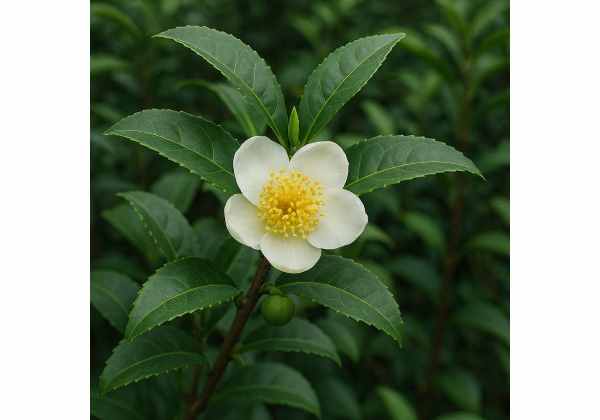
The tea plant, Camellia sinensis, is an evergreen shrub in the Theaceae family. It is cultivated mainly for its young leaves and buds, which are harvested, shaped, heated, dried, oxidized, or powdered to create the many teas people drink every day. This point is easy to overlook, but it matters: green tea, black tea, white tea, oolong, yellow tea, dark tea, and matcha all come from the same plant. Their differences are created less by species changes than by cultivar choice, harvest timing, terroir, and processing.
Two broad botanical forms are especially important. Camellia sinensis var. sinensis is associated with smaller leaves and has historically been linked with many Chinese teas. Camellia sinensis var. assamica has larger leaves and is often associated with stronger, bolder teas such as many black teas. In practice, modern tea production includes many local cultivars and hybrids, so what ends up in a cup depends on both botany and craftsmanship.
Processing changes the chemistry in meaningful ways. Green tea is heated early to slow enzymatic oxidation, which helps preserve catechins. Black tea is more fully oxidized, which transforms many of those catechins into theaflavins and thearubigins. Oolong sits between green and black tea. White tea is usually the least manipulated, while matcha uses shade-grown leaves that are ground into a powder, which changes both concentration and the way the leaf is consumed.
That is why tea should not be discussed as though every cup is chemically identical. The plant is the same, but the final product is not. A delicate white tea, a strong breakfast black tea, and a bowl of matcha can differ sharply in caffeine content, bitterness, tannin impact, aroma, and expected physiological effects.
It also helps to distinguish “true tea” from herbal tea. In everyday speech, people call almost any steeped plant a tea. Botanically and nutritionally, that is inaccurate. Chamomile, peppermint, rooibos, hibiscus, and ginger drinks are herbal infusions, not Camellia sinensis. That distinction matters whenever a person wants to understand caffeine, catechins, L-theanine, or evidence that applies specifically to the tea plant.
The best way to think about tea plant is as a medicinal beverage plant rather than a simple herb. It is gentle enough for daily use in many people, yet active enough to affect sleep, alertness, digestion, drug absorption, and cardiometabolic markers. That combination is exactly what makes it so widely loved and so worthy of careful use.
Key Ingredients in Camellia sinensis Leaves
Tea plant leaves are chemically dense, and that complexity explains both their benefits and their limits. The most important compounds fall into a few major groups: polyphenols, methylxanthines, amino acids, volatile aroma molecules, and minor minerals and carbohydrates. The balance between these groups shifts as leaves are processed, which is why different teas feel different in the body even when they come from the same species.
The best-known tea compounds are the catechins, especially in green tea. These include epigallocatechin gallate, or EGCG, along with epigallocatechin, epicatechin, and epicatechin gallate. Catechins are strongly associated with antioxidant and cell-signaling effects and are a big reason green tea is so often discussed in relation to metabolic and cardiovascular health.
Black tea contains fewer intact catechins because oxidation transforms many of them into theaflavins and thearubigins. These compounds still matter. They contribute to color, taste, and part of black tea’s health profile, especially in vascular and oxidative-stress research.
The second major ingredient is caffeine. Tea’s caffeine content is highly variable, but it is central to tea’s alerting effect. Caffeine can improve wakefulness, reduce perceived fatigue, and sharpen attention. Yet tea does not feel like caffeine alone, because tea leaves also contain L-theanine, a distinctive amino acid that many people associate with calmer focus and less edgy stimulation. If caffeine is tea’s accelerator, theanine often feels like its steering system. Readers interested in that specific compound may also find value in l-theanine’s calmer focus profile.
Tea also contains:
- Flavonols, such as quercetin and kaempferol derivatives
- Phenolic acids, including gallic and chlorogenic acid derivatives
- Polysaccharides, which are studied for metabolic effects
- Volatile compounds, which shape aroma and sensory response
- Trace minerals, including manganese and small amounts of potassium and fluoride
The concentration of these compounds depends on many factors:
- cultivar and leaf grade
- climate and altitude
- season of harvest
- shading before harvest
- brewing time and temperature
- whether the leaf is consumed as an infusion or as a whole powder, as in matcha
This last point is especially practical. Matcha is not simply “green tea in a different cup.” Because the whole powdered leaf is consumed, the intake of caffeine and polyphenols per serving can be substantially higher than with a lightly brewed infusion.
The chemistry of tea also explains why one product cannot automatically replace another. Bottled sweet tea, sweetened milk tea, green tea extract capsules, and loose-leaf tea all sit under the same broad umbrella, but they do not deliver the same matrix, dose, or metabolic effect. When people ask about the key ingredients in tea plant, the right answer is therefore not just a list of compounds. It is a reminder that tea chemistry is dynamic, and the form of tea often matters as much as the leaf itself.
Tea Plant Health Benefits and Medicinal Properties
Tea plant has one of the stronger evidence bases among widely consumed botanicals, but the evidence still needs careful framing. Many of the benefits associated with tea are modest, cumulative, and context-dependent. Tea is not a cure-all, yet it is far more than a neutral beverage. Its medicinal properties are most convincing in the areas of cardiometabolic support, alertness and mental performance, oxidative balance, and possibly long-term cognitive protection.
The first major area is cardiovascular and metabolic health. Observational studies and meta-analyses suggest that moderate tea consumption is associated with lower all-cause and cardiovascular mortality. That does not prove cause and effect by itself, but it is consistent with plausible biological mechanisms. Tea polyphenols appear to influence endothelial function, oxidative stress, inflammation, and lipid handling. In practical terms, regular tea use may modestly support vascular health, especially when it replaces sugary beverages rather than simply adding more calories to the day.
The second strong area is alertness, attention, and mood. Tea’s caffeine clearly contributes to wakefulness, but the more interesting effect is often the pairing of caffeine with L-theanine. Many people report that tea offers focus with less overstimulation than coffee. Controlled studies suggest that tea or tea-equivalent combinations of theanine and caffeine may benefit certain short-term cognition and mood outcomes, especially attention-heavy tasks.
The third area is oxidative and inflammatory regulation. Tea polyphenols are not just generic antioxidants floating through the bloodstream. They interact with signaling pathways, vascular biology, gut microbial metabolism, and cellular stress responses. This helps explain why tea keeps appearing in research on healthy aging, glucose regulation, and tissue protection.
A fourth area of interest is oral and microbial support. Tea has long been valued for its astringency and mouthfeel, and its catechins and other polyphenols have been studied for effects on oral bacteria, breath freshness, and gum-related environments. That does not make tea a replacement for brushing, flossing, or dental care, but it does strengthen its identity as a plant with real medicinal properties.
A more cautious area is weight management. Tea, especially green tea, is often marketed aggressively for fat loss. The real evidence is more modest. Tea may support weight management indirectly by replacing high-calorie drinks and, in some cases, by slightly increasing energy expenditure or fat oxidation. But the effect is not dramatic, and unrealistic expectations are common.
The clearest practical lesson is that tea works best as a sustained habit, not as a heroic intervention. A daily pattern of moderate intake is more meaningful than occasional overuse. In that sense, tea resembles other long-game botanicals more than short-acting performance aids. Readers comparing tea’s cognitive and circulatory reputation with other plants may also notice overlap with ginkgo for circulation and cognitive support, though the evidence base, mechanisms, and safety profile differ substantially.
Tea’s benefits are real, but they are strongest when understood as steady support layered onto an already decent diet and lifestyle.
Which Tea Types Fit Different Goals
Once people learn that all true teas come from one plant, the next practical question is usually which type fits which goal. This is where tea becomes especially useful, because the same species can be processed into products with noticeably different personalities.
Green tea is usually the first choice for people who care most about catechins, especially EGCG. It is the style most closely linked with research on antioxidant capacity, metabolic support, and green tea extract safety discussions. It often tastes more grassy, vegetal, or astringent than black tea, and it can feel a bit sharper on an empty stomach.
Black tea is often the easiest entry point for daily use. Its fuller oxidation gives it a rounder, darker flavor and shifts its chemistry toward theaflavins and thearubigins. Black tea is highly relevant for people who want a routine morning beverage, gentle mental stimulation, and a tea style that pairs well with food. It is often better tolerated than strong green tea in people who are sensitive to bitterness.
Oolong tea sits between green and black tea. It is useful for people who enjoy complexity and want a middle ground in flavor and oxidation. Its health profile is less likely to be summarized with one simple slogan, but it belongs comfortably within tea’s broader cardiometabolic and sensory appeal.
White tea is often marketed as delicate and pure. That can be true in flavor, but it does not automatically mean low caffeine or stronger health effects. Young buds can sometimes yield surprisingly stimulating cups. White tea is best chosen for taste and brewing style rather than assumptions about superiority.
Matcha deserves separate mention. Because it uses powdered leaf rather than a strained infusion, it often delivers a denser dose of caffeine and polyphenols per serving. That can be helpful for focus and ritualized morning use, but it also makes matcha easier to overdo, especially in caffeine-sensitive people.
For different goals, a reasonable guide looks like this:
- Steady daily focus: black tea or moderate green tea
- Polyphenol-forward routine: green tea or matcha in modest amounts
- Gentler flavor and ceremony: white tea or light oolong
- Afternoon tea with less harshness: oolong or lighter black tea
- Caffeine-sensitive evening use: not ideal for true tea; a non-tea infusion is often better
This is also where comparison shopping becomes useful. People sometimes reach for tea when what they actually want is a non-coffee stimulant or a caffeine-free ritual. In that case, yerba mate as another caffeinated botanical may suit the first goal, while a caffeine-free infusion suits the second.
What matters most is not chasing the single “best” tea. It is matching the tea type to the purpose. Someone seeking gentle morning alertness, someone trying to reduce sugary drink intake, and someone hoping for a concentrated antioxidant powder are not really asking for the same thing, even though all three may say they want tea.
How Tea Plant Is Prepared and Used
Tea plant is one of the most versatile medicinal beverages because it can be used casually, ceremonially, culinary-wise, and sometimes therapeutically. Most of the time, the simplest form remains the best: brewed leaf in hot water. Yet even that simple act has variables that change the outcome, including water temperature, leaf amount, steep time, and whether the tea is taken with meals or alone.
The most common uses are:
- daily beverage use for alertness, hydration, and routine pleasure
- focused mental use before work, reading, or study
- social and ceremonial use in tea cultures around the world
- culinary use in matcha drinks, broths, sweets, and baking
- adjunctive wellness use as part of a diet aimed at cardiometabolic support
A basic brewing approach works well for most people:
- Choose a tea style that matches your goal.
- Use fresh water and avoid overboiling delicate teas.
- Steep briefly at first, then adjust to taste and tolerance.
- Notice the body effect, not just the flavor.
Green and white teas usually do better with slightly cooler water and shorter infusions. Black tea often tolerates hotter water and longer steeping. Matcha is whisked rather than steeped. The practical reason to care is not snobbery. It is physiology. A longer, harsher brew can pull more caffeine and tannins, which changes stimulation, bitterness, and digestive impact.
Tea can be used with meals, but that choice has trade-offs. With food, tea may feel gentler on the stomach and become part of a slower ritual. Between meals, some people find it clearer and more energizing. On the other hand, tea’s tannins and polyphenols can reduce non-heme iron absorption, so people with low iron or those taking iron supplements often do better keeping tea away from iron-focused meals.
Tea is also often chosen by what it replaces. Replacing sugary sodas, sweet coffee drinks, or energy beverages with unsweetened tea can create benefits that are not solely due to tea’s own phytochemicals. Sometimes the smartest use of tea is simply as a better default beverage.
Still, not every tea moment needs to involve caffeine. For late-day routines, many people are actually looking for ritual, warmth, and flavor rather than stimulation. In those cases, hibiscus as a caffeine-free tea alternative can make more sense than trying to force true tea into an evening slot.
The deepest practical truth about tea use is simple: tea works best when the preparation fits the person. The right leaf, strength, and timing can make tea feel clear and supportive. The wrong combination can make it feel jittery, acidic, or sleep-disrupting. The plant is forgiving, but not infinitely so.
Dosage Timing and How Much Tea Per Day
Tea dosage depends less on a single medicinal rule than on the form, strength, and caffeine load. A light cup of sencha, a strong breakfast tea, and a bowl of matcha are not equivalent doses. That is why “how much tea per day” is best answered with a range rather than one magic number.
For many healthy adults, about 2 to 4 cups of brewed tea per day is a practical and realistic range. In volume terms, that often means roughly 400 to 1,000 mL daily, depending on cup size. This level usually fits comfortably into a daily routine while leaving room to monitor caffeine tolerance, sleep, digestion, and meal timing.
Caffeine content varies widely, but as a rough practical rule:
- a lighter brewed green tea may deliver a modest amount
- black tea is often stronger per cup
- matcha can be substantially denser because the whole powdered leaf is consumed
- bottled teas can vary widely and often add sugar rather than useful tea density
For many adults, tea works best when distributed rather than stacked. One cup in the morning and one later in the day usually feels steadier than several strong servings at once. Timing matters as much as total dose. If tea is used for focus, early-day and early-afternoon use is often the most forgiving pattern. Evening tea can still suit some people, but caffeine-sensitive readers should assume that late tea may affect sleep even when it feels subjectively mild.
Pregnancy requires more caution. A common public-health rule is to keep total daily caffeine from all sources under 200 mg during pregnancy. Tea can fit within that, but only if the rest of the day’s caffeine is counted honestly. Several cups of strong tea plus chocolate, cola, matcha, or coffee can add up faster than expected.
Green tea extracts deserve separate treatment. They are not interchangeable with brewed tea. Ordinary tea infusions are generally better tolerated, while concentrated extracts raise sharper safety questions. One of the biggest safety lines in the literature is around high supplemental EGCG exposure, not everyday tea drinking. This is why the dosage question should always begin with “tea beverage or extract?”
A few practical timing rules help:
- take stronger tea earlier if sleep is fragile
- avoid very strong tea on an empty stomach if it causes nausea
- separate tea from iron supplements and iron-rich meals when iron status is low
- avoid “catch-up dosing” with multiple cups late in the day
The best dosage pattern is not the highest one a person can tolerate. It is the lowest amount that reliably supports the goal. If the goal is calm alertness, one or two well-made cups may do more than five rushed ones. And if the goal is health support, consistency almost always matters more than intensity.
Safety Side Effects Interactions and Who Should Avoid Too Much Tea
For most healthy adults, ordinary brewed tea is a relatively safe daily beverage. The safety conversation changes when intake becomes heavy, brews become unusually strong, or the product shifts from leaf infusion to concentrated extract. That distinction matters because many alarming stories about “tea” are really about high-dose green tea supplements rather than everyday cups.
The most common side effects of too much tea are familiar caffeine-related problems:
- jitters or inner restlessness
- faster heartbeat or palpitations
- difficulty sleeping
- anxiety or shakiness
- headaches
- stomach upset or nausea
- reflux worsening in sensitive people
Tea can also create non-caffeine problems. Tannins may irritate an empty stomach, and regular tea with meals can reduce non-heme iron absorption. That matters most for people with iron deficiency, heavy menstrual losses, vegetarian diets built around plant iron, or iron supplementation.
Concentrated green tea extracts deserve more caution than brewed tea. They can deliver a catechin load, especially EGCG, that is far more compressed than what most people get from infusions. The main red flag is liver safety. High supplemental catechin doses have been associated with elevations in liver enzymes, and the risk seems more concerning with extracts than with ordinary tea consumed in traditional beverage form. Taking such products on an empty stomach may raise the chance of trouble.
People who should be especially cautious include:
- pregnant people, because total caffeine needs tighter limits
- breastfeeding people, because caffeine can still affect infant exposure and maternal tolerance
- children and teens, especially with strong, sweetened, or energy-style tea products
- people with insomnia, panic tendency, or marked anxiety
- those with reflux, gastritis, or nausea on an empty stomach
- people with iron deficiency or anemia
- those with liver disease or a history of supplement-related liver problems
- anyone using concentrated green tea extracts or multi-ingredient fat-loss products
Interaction issues also deserve respect. Tea may interfere with iron supplement timing. Caffeine can amplify the effects of other stimulants. Very large intakes may not suit people with arrhythmia sensitivity. Extract-based green tea products are more likely than ordinary tea to complicate medication plans because concentrated catechins can affect absorption and metabolism.
For readers who want a gentler late-day drink or a non-caffeinated calming routine, chamomile for evening relaxation often makes more practical sense than trying to force true tea into a sleep-support role.
The bottom line is reassuring but not careless. Tea plant is one of the more useful and widely tolerated medicinal beverages, yet it still rewards moderation. Ordinary tea is usually the safe lane. Strong extracts, late-day overuse, and high total caffeine are where the problems tend to begin.
References
- Green Tea (Camellia sinensis): A Review of Its Phytochemistry, Pharmacology, and Toxicology 2022 (Review)
- Biological potential and mechanisms of Tea’s bioactive compounds: An Updated review 2024 (Review)
- Tea consumption and risk of all-cause, cardiovascular disease, and cancer mortality: a meta-analysis of thirty-eight prospective cohort data sets 2024 (Meta-analysis)
- Effects of Tea (Camellia sinensis) or its Bioactive Compounds l-Theanine or l-Theanine plus Caffeine on Cognition, Sleep, and Mood in Healthy Participants: A Systematic Review and Meta-Analysis of Randomized Controlled Trials 2025 (Systematic Review and Meta-Analysis)
- Scientific opinion on the safety of green tea catechins 2018 (Scientific Opinion)
Disclaimer
This article is for educational purposes only and does not replace medical advice. Tea is generally safe as a beverage for many adults, but caffeine sensitivity, pregnancy, iron deficiency, reflux, arrhythmias, anxiety disorders, liver conditions, and concentrated green tea extracts can change the risk profile. Speak with a qualified healthcare professional before using tea extracts therapeutically or if you have symptoms, take prescription medicines, or need individualized advice on caffeine intake.
If you found this guide useful, please share it on Facebook, X, or your preferred platform so others can make more informed and balanced choices about tea plant use.