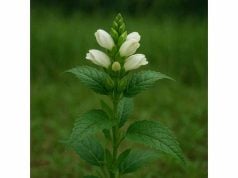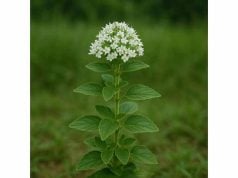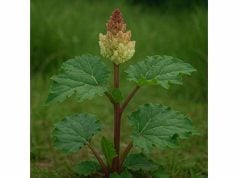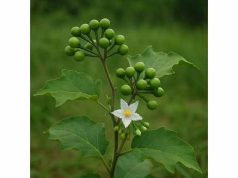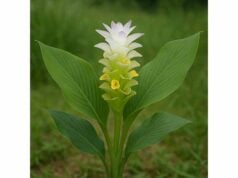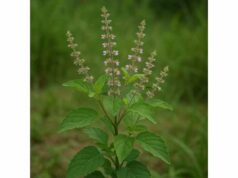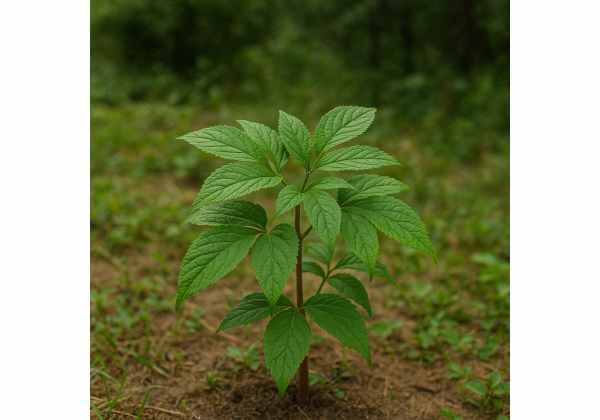
Tienchi ginseng, also called notoginseng, sanqi, or tienchi, is a revered root in Chinese herbal practice and one of the most clinically interesting members of the Panax genus. Although it belongs to the same broader family as Asian and American ginseng, its reputation is different. Tienchi ginseng is valued less for broad stimulation and more for circulation, tissue recovery, blood-flow balance, and trauma-related support. Modern research has added another layer of interest by examining its saponins for cardiovascular, cerebrovascular, anti-inflammatory, and antioxidant effects.
What makes this herb especially compelling is that it sits at the meeting point of tradition and modern pharmacology. Classical use emphasizes bleeding, blood stasis, swelling, and pain, while contemporary studies focus on standardized notoginseng saponin preparations in stroke, heart disease, and vascular settings. At the same time, not every powder, capsule, and hospital product is equivalent. That is why dosage, preparation, and safety matter so much.
A useful guide should therefore do more than praise the herb. It should explain what it is, what compounds matter most, where the evidence is strongest, how it is used, and when caution should lead the conversation.
Core Points
- Tienchi ginseng is best known for circulatory, cardiovascular, and tissue-recovery support rather than general stimulation.
- Its most important active compounds are ginsenosides and notoginsenoside R1, which help explain its vascular and anti-inflammatory effects.
- Studied oral saponin capsules often fall around 120 to 240 mg/day, but crude root powders and proprietary extracts are not interchangeable.
- Avoid unsupervised use with anticoagulants, antiplatelet drugs, bleeding disorders, planned surgery, pregnancy, or recent stroke or heart attack without clinician guidance.
Table of Contents
- What Tienchi Ginseng Is and How It Differs from Other Panax Roots
- Key Ingredients in Panax notoginseng Root
- Tienchi Ginseng Health Benefits and Medicinal Properties
- Traditional Uses and Where Modern Clinical Application Differs
- How Tienchi Ginseng Is Prepared and Used
- Dosage Timing and What Amounts Are Actually Studied
- Safety Side Effects Interactions and Who Should Avoid Tienchi Ginseng
What Tienchi Ginseng Is and How It Differs from Other Panax Roots
Tienchi ginseng is the dried root and rhizome of Panax notoginseng, a perennial plant in the Araliaceae family. It is native to southern China, especially Yunnan and nearby regions, where it has long been cultivated as an important medicinal crop. In traditional Chinese medicine it is better known as sanqi, while Western supplement labels often use notoginseng or tienchi ginseng. All three names usually refer to the same medicinal plant.
The first practical point for readers is that not all Panax roots are used the same way. People often hear the word “ginseng” and assume every species acts as a general energizer or adaptogen. Tienchi ginseng is different. Asian ginseng is more often discussed for vitality, stress resilience, and broad tonic use. American ginseng is commonly framed around gentler energy and metabolic balance. Tienchi ginseng, by contrast, is most closely tied to blood movement, hemostatic balance, swelling, pain, and recovery after vascular or traumatic strain.
This difference is not just cultural language. It reflects chemistry and clinical direction. Tienchi ginseng has a high saponin content and a characteristic compound called notoginsenoside R1 that helps distinguish it from other Panax species. Those features help explain why modern research repeatedly gravitates toward circulation, platelet activity, ischemic injury, endothelial function, and inflammatory signaling.
Another distinctive point is the herb’s traditional “dual” reputation. Classical descriptions say it can both stop bleeding and move blood. At first glance that sounds contradictory. In practice, it reflects a multi-compound herb whose whole-root actions are more nuanced than a one-direction drug. Different constituents, different preparations, and different clinical contexts can shift the emphasis. That is one reason this is not a casual herb for self-experimentation in medically sensitive situations.
Modern clinical interest usually centers on the root and rhizome, not on the plant as a generic whole. The above-ground parts also contain bioactive compounds, but the medicinal identity of Tienchi ginseng is still rooted, quite literally, in the underground portion. Some traditions also distinguish between raw and processed forms, with slightly different emphases in use.
The best way to understand Tienchi ginseng is not as a general “ginseng substitute,” but as a specialized Panax root with a strong circulatory identity. That single shift in perspective makes the rest of the herb’s benefits, dosage questions, and safety boundaries much easier to understand.
Key Ingredients in Panax notoginseng Root
The chemistry of Tienchi ginseng explains both its medicinal value and the caution it deserves. Its best-known compounds are triterpene saponins, usually called ginsenosides and notoginsenosides. These are the dominant active constituents in the root and are widely regarded as the main drivers of its vascular, anti-inflammatory, antioxidant, and tissue-protective effects.
The most important named compounds include:
- Notoginsenoside R1, a signature marker that is especially associated with Panax notoginseng
- Ginsenoside Rg1
- Ginsenoside Rb1
- Ginsenoside Rd
- Ginsenoside Re
These compounds do not all act identically. Some are studied for endothelial support, some for neuroprotection, some for anti-inflammatory signaling, and others for platelet or microcirculatory effects. That is why high-quality notoginseng products are often standardized to total saponins or to a few key marker compounds rather than marketed as a generic powdered root.
Tienchi ginseng also contains other components worth knowing about. These include polysaccharides, flavonoids, amino acids, and a characteristic non-protein amino acid called dencichine. Dencichine has attracted attention because of its hemostatic association, but it is not the main reason modern clinicians or researchers focus on notoginseng. The central story is still the saponin fraction.
A practical way to think about the root is that its chemistry is both rich and uneven. Different plant parts, growing regions, ages of harvest, and preparation methods can change the final profile. A raw powdered root, a standardized oral capsule, a hospital injectable product, and a multi-herb patent formula may all contain notoginseng, but they are not pharmacologically interchangeable.
That matters for quality control. Serious products usually highlight the botanical name, the plant part, and some level of saponin standardization. Vague labels that say only “ginseng blend” or “Chinese ginseng complex” tell the buyer very little. With notoginseng, specificity matters.
It is also useful to compare notoginseng’s chemistry with other circulation-oriented botanicals. Unlike circulation-focused ginkgo compounds, which rely mainly on flavone glycosides and terpene lactones, notoginseng’s core identity is saponin-driven. That difference helps explain why the two herbs can overlap in broad vascular themes while still behaving quite differently in research and practice.
So when people ask what the “key ingredients” are, the most accurate answer is not a long list of plant chemicals. It is a short hierarchy: saponins first, especially notoginsenoside R1 and major ginsenosides; supportive secondary compounds second; and product quality as the final factor that determines whether any of that chemistry is meaningful in real use.
Tienchi Ginseng Health Benefits and Medicinal Properties
Tienchi ginseng has a broader scientific profile than many lesser-known roots, but its benefits are easiest to understand when ranked by evidence strength. The herb is pharmacologically active, yet the strongest human evidence does not come from casual tea or powder use. It comes from standardized notoginseng saponin preparations studied as adjuncts in specific medical settings, especially vascular and cerebrovascular care.
The most convincing area is cardiovascular and circulatory support. Reviews and clinical studies repeatedly describe actions related to endothelial function, platelet behavior, oxidative stress, inflammation, and microcirculation. In plain language, the herb seems most relevant where blood flow, vascular resilience, and ischemic injury matter. This is why it is often placed in the same broad conversation as heart-supportive herbs such as hawthorn, although the two herbs differ substantially in chemistry, tradition, and clinical use.
A second strong area is stroke and cerebrovascular recovery support, but this needs careful framing. Modern trials in China have investigated standardized Panax notoginseng saponin products in patients with ischemic stroke, generally as add-on therapy rather than as a replacement for standard care. This is not the same as saying that any over-the-counter notoginseng capsule prevents stroke or treats one at home. It means specific formulations have shown promising results in defined clinical settings.
A third plausible benefit is anti-inflammatory and antioxidant support. Notoginseng compounds are studied for reducing inflammatory signaling and limiting oxidative injury in vascular, hepatic, metabolic, and neurologic models. These properties help explain why the herb is being researched well beyond traditional circulation claims.
A fourth area is support for tissue recovery after trauma or swelling. This aligns strongly with traditional use. In classic herbal practice, sanqi was widely valued for bruising, swelling, pain, and injury-related recovery. Modern pharmacology gives that tradition more plausibility by showing effects on inflammation, circulation, and tissue signaling.
A fifth area is metabolic and organ-protective interest, including liver, kidney, and glucose-related pathways. These lines of research are promising but still secondary to the herb’s vascular identity. Most readers should see them as emerging rather than established self-care uses.
The most useful summary is this:
- strongest identity: vascular and circulatory support
- best clinical evidence: proprietary saponin products in stroke and cardiovascular contexts
- solid mechanistic support: anti-inflammatory and antioxidant actions
- traditional continuity: trauma, swelling, bleeding balance, and pain
That last point matters. Tienchi ginseng does have real medicinal properties, but not all of them translate into routine home use. The herb looks strongest when used thoughtfully, with product quality and clinical context taken seriously, rather than treated as a generic tonic just because the label includes the word ginseng.
Traditional Uses and Where Modern Clinical Application Differs
Traditional use gives Tienchi ginseng much of its enduring identity. In Chinese herbal medicine, sanqi has long been associated with stopping bleeding, dispersing blood stasis, reducing swelling, and easing pain. That combination made it particularly important for trauma, bruising, injury, postoperative recovery traditions, and certain bleeding-related patterns. It also appeared in formulas aimed at circulatory obstruction, chest discomfort, and internal stagnation.
These traditional uses are not random. They fit the plant’s modern pharmacology surprisingly well. A root that influences platelet behavior, vascular tone, inflammatory pathways, oxidative stress, and microcirculation would naturally attract attention for bruising, tissue recovery, swelling, and blood-related complaints. What traditional systems described in a different language now looks partly understandable through contemporary biochemistry.
Even so, there is a major difference between classical use and modern evidence-based use. Historically, practitioners often used crude powder, decoctions, or multi-herb formulas guided by diagnostic patterning. Modern clinical studies often investigate purified or standardized saponin preparations, soft capsules, or hospital-based injections used alongside conventional treatment. These are not equivalent situations.
That difference changes three things.
First, it changes dose precision. Traditional powders can be measured in grams, while standardized extracts may be measured in low hundreds of milligrams. Second, it changes predictability. A proprietary saponin product with defined composition behaves more consistently than a loosely sourced powder. Third, it changes clinical meaning. A hospital trial on ischemic stroke does not automatically justify self-prescribing a retail root product for “brain circulation.”
This is where many herb articles oversimplify the story. They blend ancient use, lab research, and modern hospital trials into one seamless promise. Tienchi ginseng deserves a more disciplined approach. Traditional use explains why the herb became respected. Modern research shows that many of those old applications were pharmacologically intelligent. But the bridge between them still depends on preparation, standardization, and context.
For everyday readers, a good rule is to divide notoginseng use into two categories:
- Traditional and supplemental use, which includes powders, capsules, and multi-herb formulas
- Clinical formulation use, which includes standardized saponin preparations studied in stroke, heart disease, and similar settings
Those two categories overlap, but they are not interchangeable. Someone using a commercial powder for general wellness is not doing the same thing as a hospital patient receiving a standardized preparation in a monitored vascular setting.
That distinction may feel less romantic than repeating ancient uses, but it is far more helpful. It allows readers to respect tradition without assuming that every modern product carries the same strength, purpose, or evidence base as a clinically studied notoginseng medicine.
How Tienchi Ginseng Is Prepared and Used
Tienchi ginseng is used in several forms, and the form chosen has a direct effect on how the herb behaves. For most people, the main options are powder, capsules, tablets, standardized extracts, and multi-herb formulas. In medical settings, particularly in China, injectable or proprietary saponin preparations may also be used, but those are not equivalent to ordinary consumer supplements and are not appropriate for unsupervised use.
The simplest traditional form is powdered root or rhizome. This is often stirred into warm water or taken in measured spoonfuls. Its appeal is that it is close to the herb’s classic use. Its drawback is variability. Unless the source is strong and the testing is clear, a crude powder may be harder to standardize than a well-made extract.
Capsules and tablets are more practical for many users. They are easier to dose consistently, easier to transport, and less intense in taste. The key question is whether they are plain root powder or a standardized extract. That single label detail changes expectations. A plain powder is best viewed as a traditional-format supplement. A standardized saponin extract is closer to the research model.
Some products combine notoginseng with other circulation-active herbs. That can be useful, but it also makes it harder to know which ingredient is helping or causing side effects. The more complex the formula, the more the buyer needs good labeling and a clear reason for using it.
Hospital or prescription-style PNS preparations are a different category altogether. These products are the basis for much of the modern stroke and cardiovascular literature, but they should not be treated as a simple upgrade from an over-the-counter powder. Their standardization, route of use, and clinical monitoring are part of what makes the data meaningful.
A few practical rules make product choice much safer:
- look for the full botanical name Panax notoginseng
- confirm whether the product is powder or standardized extract
- check for saponin or marker-compound information if it is an extract
- avoid vague “ginseng complex” labels
- be extra careful with combination formulas marketed for circulation or brain support
For many people, Tienchi ginseng makes the most sense as one part of a wider vascular self-care strategy rather than as a miracle root. That broader strategy may include diet, movement, sleep, and evidence-based habits, with herbs or foods such as garlic for vascular-friendly daily support playing a more ordinary role in the background.
The key point is that the herb should be matched to the goal. Traditional powder, standardized extract, and clinically used preparations all belong to the notoginseng story, but they do not belong to the same chapter.
Dosage Timing and What Amounts Are Actually Studied
Tienchi ginseng dosage is more complicated than it first appears because there is no single universal form of the herb. A crude root powder, a standardized saponin capsule, and a hospital-grade preparation should not share one neat dosage line. The most responsible way to discuss dose is to separate traditional-use amounts from studied standardized-product amounts.
Traditional use often works in gram-level dosing. Powders and decoction-style uses are commonly described in that language, especially in East Asian practice. Standardized modern products, however, are usually measured in milligrams and may concentrate saponins far beyond what the same weight of plain powder would provide.
One clinically useful anchor comes from a large ischemic stroke trial that used 120 mg orally twice daily of a specific Panax notoginseng saponin capsule for 3 months. That gives readers a real-world example of how a studied product may be used, but it should not be mistaken for a universal notoginseng dose. It is a proprietary formulation, not a generic herb rule.
So what can an everyday reader take from the evidence?
- gram-level dosing usually belongs to crude powders and traditional preparations
- low-hundreds-of-milligrams dosing usually belongs to standardized extracts or saponin products
- the label matters because “500 mg” of powder is not the same as “120 mg” of standardized saponins
- most meaningful use is consistent and measured, not sporadic and aggressive
Timing also matters. Many people do better taking notoginseng with food, especially at first, because that reduces the chance of stomach upset. Divided dosing is usually more practical than a single large dose. For circulation-focused goals, regular daily use tends to make more sense than “as needed” use.
Duration depends on the use case. A trauma-oriented formula may be used for a shorter period, while vascular support products are often taken in multi-week blocks. It is reasonable to reassess after 4 to 8 weeks unless the product is being used within a clinician-guided plan.
Three dosage mistakes are especially common:
- treating powder and extract as interchangeable
- combining multiple blood-moving supplements without realizing it
- assuming more is better because the herb is “natural”
This is also where comparison with other extracts becomes useful. Just as standardized curcuma products differ from raw turmeric powder, standardized notoginseng saponins differ from ordinary root powder. That is why dosage advice has to begin with preparation type, not just plant name.
The safest approach is simple: follow the exact product label unless a qualified clinician gives other instructions, and judge the herb by the form you are actually using rather than by a dose quoted for a completely different preparation.
Safety Side Effects Interactions and Who Should Avoid Tienchi Ginseng
Tienchi ginseng is often described as well tolerated, and in many settings that is fair. Even so, safety should never be treated casually, because this is a circulation-active herb with meaningful potential for drug interactions. The strongest caution is around blood-related medicines and medically sensitive vascular conditions.
Reported side effects are usually mild, but they can still matter. The most common include:
- stomach discomfort
- nausea
- loose stools or digestive upset
- headache
- dry mouth
- rash or skin reaction
- occasional sleep disturbance or restlessness in sensitive users
The more important question, however, is interaction risk. Because notoginseng can influence platelet function, coagulation pathways, and blood flow, it deserves special caution with:
- anticoagulants
- antiplatelet drugs
- aspirin-heavy regimens
- pre-surgical settings
- bleeding disorders
This does not mean that every combination is automatically dangerous, but it does mean that unsupervised stacking is unwise. A person taking warfarin, apixaban, rivaroxaban, clopidogrel, or high-dose aspirin should not casually add Tienchi ginseng just because it sounds “heart healthy.” The herb’s traditional reputation for both bleeding control and blood movement makes the situation even less appropriate for guesswork.
Other groups that should be cautious or avoid use include:
- pregnant or breastfeeding people, because safety data are insufficient and circulation-active herbs deserve extra caution
- children, unless specifically guided by a qualified practitioner
- people with upcoming surgery or dental procedures
- those with unstable blood pressure, recent stroke, recent heart attack, or unexplained bleeding
- people using multiple botanicals that may influence circulation, including more familiar options such as ginger in larger supplemental amounts
Another practical warning is product substitution. A clinically studied PNS capsule, a traditional root powder, and a cheap “ginseng complex” may all claim to contain notoginseng, but their safety profiles are not equally predictable. Poorly standardized products create avoidable risk.
The safest summary is this: Tienchi ginseng is promising, but it is not a self-prescribed emergency herb and not a casual add-on for anyone already managing blood thinners or vascular disease. It belongs in a thoughtful plan, not an impulsive one. For healthy adults using reputable products in appropriate situations, it may be reasonably well tolerated. For medically complex users, its benefits and risks should be judged with professional oversight rather than enthusiasm alone.
References
- Panax notoginseng: Pharmacological Aspects and Toxicological Issues 2024 (Review). ([PMC][1])
- A narrative review of Panax notoginseng: Unique saponins and their pharmacological activities 2025 (Narrative Review). ([PMC][2])
- Latest Evidence and Perspectives of Panax Notoginseng Extracts and Preparations for the Treatment of Cardiovascular Diseases 2025 (Review). ([PubMed][3])
- Efficacy and Safety of Panax notoginseng Saponins in the Treatment of Adults With Ischemic Stroke in China: A Randomized Clinical Trial 2023 (RCT). ([PMC][4])
- Efficacy and safety of Panax notoginseng saponin injection in the treatment of acute myocardial infarction: a systematic review and meta-analysis of randomized controlled trials 2024 (Systematic Review and Meta-analysis). ([PubMed][5])
Disclaimer
This article is for educational purposes only and is not medical advice. Tienchi ginseng can affect circulation, platelet activity, and drug response, so it should not replace diagnosis, emergency care, or prescribed treatment. Seek guidance from a qualified healthcare professional before using it if you are pregnant, breastfeeding, preparing for surgery, taking blood thinners or antiplatelet medicines, or managing cardiovascular, cerebrovascular, or bleeding-related conditions.
If you found this article useful, please share it on Facebook, X, or your preferred platform so others can make more careful and informed decisions about Tienchi ginseng.