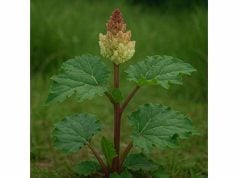
Tiger nut is one of the most misleadingly named foods in natural health. It is not a true nut at all, but a small edible tuber from Cyperus esculentus, a grass-like plant also known as chufa or earth almond. That matters for both nutrition and use. Tiger nut behaves less like a tree nut and more like a dense, naturally sweet, fiber-rich root food that also contains useful fats, minerals, and bioactive compounds.
Its popularity comes from several directions at once. It is valued as a traditional food in Africa and the Mediterranean, especially in drinks such as horchata de chufa. It is also used in gluten-free flours, plant-based beverages, and cold-pressed oils. From a health perspective, tiger nut is most interesting for digestive support, steady energy, heart-friendly fat quality, and its potential prebiotic effects. At the same time, it is easy to overstate the science. Tiger nut is a strong functional food, but the clinical evidence for bold medicinal claims is still limited.
A practical guide helps, because whole tubers, flour, milk-style drinks, and oil all offer different benefits and different limitations.
Fast Facts
- Tiger nut may support digestion and bowel regularity because it provides fiber, resistant starch, and slowly digested carbohydrates.
- Its oil and whole tubers may support heart-friendly eating patterns because they are rich in monounsaturated fats, especially oleic acid.
- A practical food-based range is about 20 to 30 g of dried tiger nuts or 15 to 30 g of tiger nut flour per day.
- People with very sensitive digestion should start small, because larger servings can cause bloating or loose stools.
- Unsweetened tiger nut drinks are usually a better health choice than sweetened commercial versions.
Table of Contents
- What tiger nut is and why it is not actually a nut
- Key ingredients and medicinal properties of tiger nut
- Tiger nut health benefits with realistic expectations
- Traditional uses and where modern evidence fits
- How to use tiger nut in foods, drinks, flour, and oil
- Dosage, timing, and how much to use
- Safety, side effects, and who should avoid it
What tiger nut is and why it is not actually a nut
Tiger nut comes from Cyperus esculentus, a sedge plant that forms small underground tubers. These tubers are wrinkled, golden-brown to dark brown, and naturally sweet with a taste many people describe as a blend of almond, coconut, and chestnut. Despite the name, tiger nut is not botanically related to almonds, walnuts, or hazelnuts. That is one reason it has become popular in grain-free, dairy-free, and gluten-free cooking.
Its identity as a tuber explains a lot about how it behaves in the diet. Tiger nut contains carbohydrate, but not in the same way as potato or cassava. It also contains notable amounts of fat, fiber, and some protein, which gives it a more balanced nutritional profile than many other starchy plant foods. Depending on variety and processing, dried tiger nuts can provide meaningful amounts of fiber, oleic-rich oil, vitamin E, potassium, magnesium, and plant compounds such as phenolics and phytosterols.
Tiger nut has a long food history. It has been eaten as a snack, milled into flour, blended into beverages, and pressed into oil. In Spain, it is best known as the base for horchata de chufa, a milk-like drink made by soaking, grinding, and straining the tubers. In parts of West Africa, it is eaten raw, roasted, soaked, or blended into porridges and local drinks. This long culinary history is important, because tiger nut’s strongest evidence base still sits closer to food use than to high-dose medicinal supplementation.
The form matters just as much as the plant. Whole dried tubers, tiger nut flour, tiger nut milk-style drinks, and tiger nut oil are not interchangeable. A whole tuber gives you fiber and chewing resistance. Flour can be easier to digest for some people and easier to incorporate into baking. Horchata provides hydration and a pleasant delivery method, but it may be low in fiber if heavily strained. Oil offers mostly fat and bioactive lipid components, not the full whole-food profile.
Tiger nut’s value comes from that whole picture:
- it is naturally gluten-free
- it is not a true tree nut
- it can work as both food and functional ingredient
- it offers fiber, fat, minerals, and phytochemicals together
- it fits well into plant-based, dairy-free, and Mediterranean-style eating patterns
That combination is why tiger nut deserves more than trend status. It is best understood as a nutrient-dense tuber with functional food value, not as an exotic miracle ingredient. Once that is clear, it becomes much easier to judge its real health benefits and to choose the form that actually suits your goal.
Key ingredients and medicinal properties of tiger nut
Tiger nut’s usefulness comes from its unusual nutritional balance. Most tubers are mainly starch. Most oily foods are mainly fat. Tiger nut sits in the middle. It combines carbohydrate, dietary fiber, and a meaningful amount of fat, especially monounsaturated fat, with smaller amounts of protein, minerals, and phytochemicals. That broad composition is the reason it attracts interest as a functional food rather than just a calorie source.
One of its most important features is its fat profile. Tiger nut oil is rich in oleic acid, the same monounsaturated fat that gives olive oil its heart-friendly reputation. This does not make tiger nut identical to olive oil, but it does help explain why tiger nut oil is often discussed as a stable edible oil with a favorable lipid pattern. It also contains smaller amounts of linoleic and saturated fatty acids, along with plant sterols and vitamin E compounds that contribute to oxidative stability.
Fiber is the second major story. Whole tiger nuts provide insoluble and soluble fiber along with resistant starch-like fractions, depending on processing and maturity. This helps explain their reputation for supporting bowel function and satiety. Fiber is also one reason tiger nuts can feel more filling than their sweet taste suggests. In practice, the whole tuber or flour usually offers more digestive benefit than the strained beverage or refined oil.
Tiger nut also contains starch, natural sugars, and small amounts of protein. The protein content is not high enough to make it a protein food, but it adds to the nutritional mix. The mineral profile varies by growing conditions, yet magnesium, potassium, phosphorus, and iron are commonly reported. These are part of the reason tiger nut fits well in nutrient-conscious diets, though it should not be treated as a concentrated mineral supplement.
Its phytochemicals matter too. Reviews describe phenolic compounds, flavonoids, tannins, and phytosterols in tiger nut tubers and oil. These compounds are often linked to antioxidant, mild anti-inflammatory, and lipid-supportive effects in food science research. A few studies also point to peptides, aroma compounds, and other lesser-known bioactives that may influence both flavor and function.
A practical way to organize tiger nut’s medicinal properties is this:
- fiber and resistant starch support digestive regularity
- monounsaturated fats support a more favorable dietary fat pattern
- phenolics and vitamin E contribute antioxidant potential
- phytosterols may help explain part of its cholesterol-related interest
- prebiotic potential may influence gut microbial balance
This does not mean tiger nut behaves like a drug. Its medicinal character is gentle and food-centered. That distinction matters. Tiger nut is not a stimulant herb, a concentrated extract, or a fast-acting remedy. It is better understood as a nourishing functional food that may influence digestion, lipid quality, and microbiota over time.
That long-game pattern is exactly why tiger nut is attractive. It supports health by fitting into daily eating, not by asking to be treated like a dramatic intervention.
Tiger nut health benefits with realistic expectations
Tiger nut has several credible health strengths, but they are not all equally supported. The clearest benefits come from its role as a whole food. Stronger medicinal claims are possible, yet still less settled. Keeping that difference in mind helps separate useful guidance from marketing exaggeration.
The most practical benefit is digestive support. Whole tiger nuts and tiger nut flour can increase fiber intake and may help bowel regularity, stool bulk, and post-meal fullness. That does not make them a treatment for chronic constipation, but it does make them a useful option for people trying to improve fiber quality in a way that feels more food-like than supplement-like. Compared with psyllium-based fiber support, tiger nut is less concentrated but more versatile in real meals.
A second benefit is fat quality. Tiger nut oil is naturally rich in oleic acid, and the whole tuber contains a favorable fat profile compared with many refined snacks. In practical terms, this makes tiger nut more supportive of heart-conscious eating than foods built mainly from refined starch or poor-quality fats. That said, tiger nut should be seen as one helpful ingredient within an overall diet pattern, not as a stand-alone tool for lowering cholesterol.
A third area is microbiota support. A small human intervention study found that drinking 300 mL of natural, unprocessed tiger nut horchata daily for three days shifted gut microbial patterns toward bacteria associated with more plant-rich eating. That is interesting and promising. It does not prove broad disease prevention, but it does support the idea that tiger nut can behave like a prebiotic food in at least some people.
Other possible benefits are more preliminary. These include antioxidant support, mild anti-inflammatory effects, and possible help with satiety or metabolic regulation. These areas are supported more strongly by compositional studies, food science, and preclinical work than by large human trials. That means tiger nut fits better as a health-supportive food than as a supplement for specific disease treatment.
A realistic summary of benefits looks like this:
- better fiber quality and digestive regularity
- more favorable fat intake when used instead of poorer-quality snack foods
- possible short-term prebiotic effects from unprocessed tiger nut drinks
- good support for gluten-free and dairy-free eating patterns
- steadier satiety than many low-fiber processed carbohydrates
Just as important are the limits. Tiger nut is not proven to cure diabetes, reverse high cholesterol, or act like a medicinal herb for hormone balance. It may support healthier patterns that influence those issues, but the evidence is not strong enough for aggressive claims.
That is the best way to appreciate tiger nut: as a useful bridge between nutrition and gentle functional support. It can genuinely help, especially when it replaces lower-quality foods, but its power comes from repeated dietary use rather than dramatic short-term effects.
Traditional uses and where modern evidence fits
Tiger nut has long been valued in traditional food cultures for more than its taste. Historical and regional uses describe it as nourishing, strengthening, digestive, and even mildly aphrodisiac in some settings. It has also been used in drinks intended to refresh in hot weather, restore energy, and support bowel comfort. These uses make sense when you look at the tuber’s food chemistry, but tradition still needs to be translated carefully into modern terms.
The traditional digestive reputation is the easiest to understand. Tiger nut is naturally sweet, easy to blend, and rich in fiber when used whole or minimally processed. That combination can support satiety and bowel regularity, and it helps explain why tiger nut drinks and soaked tubers have long been used as digestive foods rather than just treats. In food cultures where refined snacks were less common, a tuber like this would naturally be seen as strengthening and sustaining.
Traditional uses also emphasize energy and nourishment. This is not a stimulant effect. It is more likely the result of the tuber’s balance of carbohydrates, fats, and minerals, which can make it feel more sustaining than a simple sugary drink. That distinction matters because many modern “energy” claims are built around caffeine or fast sugar, while tiger nut works more like a slow, balanced food.
Another traditional theme is reproductive vitality. Tiger nut is sometimes promoted for libido or fertility. This is one of the most over-marketed areas online. There are cultural reasons for the association, and the tuber’s nutrient density may support overall health, but direct human clinical proof for specific fertility or sexual performance claims remains weak. It is better described as a traditional reputation than as an evidence-based therapeutic use.
Modern evidence lines up best in three places:
- digestive support through fiber and gut effects
- supportive fat quality through its oil and oleic-rich composition
- functional beverage use, especially unsweetened horchata-style drinks
It lines up less well when tradition gets stretched into disease language. For example, “strengthening” does not automatically mean performance enhancement. “Digestive” does not automatically mean treatment for gastrointestinal disorders. “Heart-healthy” does not mean tiger nut alone can correct cardiometabolic risk.
This same translation issue appears with many food-like botanicals. A traditional food can carry real health value without behaving like a drug. That is part of what makes tiger nut closer to a functional staple than to a classical medicinal herb. In that respect, it fits conceptually beside chia as a nutrient-dense functional food rather than beside potent botanical extracts.
The most useful lesson from traditional use is not that tiger nut cures many conditions. It is that people kept returning to it as a food that satisfied, digested reasonably well, and supported daily resilience. Modern evidence, limited though it is, mostly reinforces that simpler and more believable picture.
How to use tiger nut in foods, drinks, flour, and oil
Tiger nut is easiest to benefit from when the form matches the goal. Many disappointing experiences come from choosing the wrong preparation. Someone looking for digestive fiber may buy only the oil. Someone wanting a convenient dairy-free drink may choose a sweetened bottled horchata and end up with more sugar than benefit. The plant is versatile, but each form has strengths and trade-offs.
Whole dried tiger nuts are the most traditional option. They can be eaten as a snack after soaking, blended into homemade drinks, or chopped into porridge, yogurt alternatives, and breakfast bowls. They require chewing and provide the most intact fiber structure, which can help with fullness.
Tiger nut flour is useful in baking and thickening. It adds mild sweetness and works well in gluten-free recipes, pancakes, cookies, energy bites, and porridge blends. Because it is ground, some people find it easier to use consistently than the whole tuber. It also works well mixed with oat, almond, or coconut-based ingredients.
Tiger nut drink, often called horchata de chufa, is one of the most enjoyable ways to use the tuber. Homemade versions made from soaked, ground, and strained tiger nuts can be refreshing and gentle. The main caution is sugar. Traditional or commercial versions often contain added sugar, which changes the health profile quickly. Unsweetened or lightly sweetened versions are usually the better choice.
Tiger nut oil is a separate category. It provides mostly fat, not fiber. That means it may be useful as a flavorful cooking or finishing oil, but it is not a substitute for whole tiger nut if your goal is digestive benefit. The oil works best when you want a monounsaturated fat with a mild nutty aroma and good culinary stability.
A practical use guide looks like this:
- use whole or soaked tiger nuts for snacking and chewing-based satiety
- use flour for baking, porridge, and easy daily intake
- use unsweetened horchata-style drinks for convenience and hydration
- use oil when you want the lipid profile, not the fiber
Preparation also matters for tolerance. Soaking softens the tubers and may make them easier to digest. Blending and straining create a smoother drink but reduce fiber unless the pulp is retained. Roasting improves aroma but may slightly shift some delicate compounds.
For people building a plant-based kitchen, tiger nut can complement other functional pantry foods. It works especially well with warm spices and cocoa, and it can fit alongside cinnamon in lower-sugar functional drinks where flavor and satiety matter.
The smartest approach is to start with one form that fits your life. For many people, that means flour or an unsweetened homemade drink. Practical use beats idealized use almost every time.
Dosage, timing, and how much to use
Tiger nut does not have a standard medicinal dose in the way many herbal extracts do. It is mainly a food, so the most useful dosing advice is practical rather than pharmacological. The goal is to find an amount that gives digestive and nutritional value without causing unnecessary gastrointestinal discomfort.
For whole dried tiger nuts, a good starting range is about 20 to 30 g per day. That is enough to provide noticeable fiber, some fat, and useful satiety without pushing intake too fast. People with sensitive digestion may want to start even lower, around 10 to 15 g, especially if they are not used to fiber-rich foods.
Tiger nut flour works well in roughly the same general range. About 15 to 30 g per day is practical for porridge, smoothies, pancakes, or baking. If you use it in recipes, the daily total can add up quickly, so it is worth paying attention at first rather than assuming it behaves like a neutral flour.
For tiger nut drinks, around 200 to 300 mL of an unsweetened or minimally sweetened drink is a sensible serving. This lines up with the human horchata intervention that used 300 mL daily for three days. Drink form can be easier to tolerate for some people, but the fiber content varies widely depending on how much pulp remains.
Tiger nut oil is different. Because it is mostly fat, dosing should follow culinary use rather than “supplement” logic. One to two tablespoons as part of a meal is usually enough to evaluate flavor and tolerance. More than that is rarely necessary unless it is simply replacing another edible oil.
Timing depends on the goal:
- use it with breakfast or lunch if you want steadier satiety
- use it between meals if you want a more nourishing snack
- use drinks earlier in the day if added calories matter for appetite control
- use smaller servings at first if you are mainly testing digestive response
A few common mistakes are worth avoiding:
- increasing the serving too quickly because it tastes mild
- choosing sweetened horchata and assuming it is equivalent to whole tiger nut
- relying on oil for fiber-related benefits
- adding tiger nut on top of an already high-fiber diet without a gradual transition
This gradual approach matters because tiger nut can act like other fermentable fiber foods. People who do well with prebiotic fibers such as inulin often tolerate tiger nut more smoothly, while people with sensitive digestion may need a slower build.
The best way to dose tiger nut is to treat it as a functional food. Start small, use it consistently for one to two weeks, and judge results based on bowel comfort, fullness, energy steadiness, and overall meal quality rather than expecting a dramatic medicinal effect.
Safety, side effects, and who should avoid it
Tiger nut is generally well tolerated as a food, especially when introduced gradually. Its strongest safety advantage is that it has a long history of human consumption. Still, “food” does not mean “problem-free.” The biggest issues are usually digestive, product-related, or linked to the way the tuber is processed.
The most common side effect is gastrointestinal discomfort. Because tiger nut contains fiber and fermentable material, some people notice bloating, gas, abdominal rumbling, or loose stools when they start with large amounts. This is especially likely with whole dried tiger nuts, coarse flour, or high-volume tiger nut drinks taken quickly. In the small human horchata study, a few participants dropped out early because of intestinal discomfort and short intestinal transit, which is a useful reminder that even a wholesome food can be too much for a sensitive gut.
Sugar content is another issue. Commercial tiger nut drinks can be heavily sweetened. In those cases, the product may be more like a flavored beverage than a health food. The same caution applies to tiger nut snack bars or desserts that use the tuber as a health halo ingredient while adding significant sugar.
Allergy seems to be uncommon, but rare reactions have been described, including occupational sensitivity to tiger nut dust. That means people with multiple food allergies or strong occupational dust sensitivities should be cautious with powdered forms.
There are also a few practical safety groups to keep in mind:
- people with very sensitive digestion or IBS-like symptoms
- people who do poorly with high-fiber foods
- those using sweetened tiger nut drinks as if they were medicinal products
- anyone relying on tiger nut instead of a medically necessary diet plan
Tiger nut is often promoted as universally suitable because it is not a true nut and is naturally gluten-free. That is helpful, but it does not guarantee tolerance. A gluten-free food can still upset the gut, and a non-nut food can still be processed in facilities with allergens.
For tiger nut oil, the safety picture is somewhat different. It appears generally acceptable as an edible oil under proposed food uses, but that does not make it a high-dose supplement. The oil should be used as food, not as a concentrated remedy.
A balanced safety summary looks like this:
- whole tiger nut is usually safe as food in moderate amounts
- larger servings can cause bloating or loose stools
- sweetened products weaken the health case
- allergy appears rare, but sensitivity is possible
- gradual introduction is the smartest strategy
Tiger nut is safest when it is treated exactly for what it is: a useful functional food, not a miracle ingredient. Respect the fiber, choose minimally processed forms when possible, and let tolerance guide the pace.
References
- Tiger Nut (Cyperus esculentus L.): A Systematic Review of Metabolic Regulation, Functional Bioactivities, and Sustainable Food Applications 2025 (Systematic Review)
- Safety of Tiger nuts (Cyperus esculentus) oil as a novel food pursuant to Regulation (EU) 2015/2283 2024 (Safety Assessment)
- Tiger nut (Cyperus esculentus L.) oil: A review of bioactive compounds, extraction technologies, potential hazards and applications 2023 (Review)
- Tiger Nut (Cyperus esculentus L.): Nutrition, Processing, Function and Applications 2022 (Review)
- Intake of Natural, Unprocessed Tiger Nuts (Cyperus esculentus L.) Drink Significantly Favors Intestinal Beneficial Bacteria in a Short Period of Time 2022 (Human Study)
Disclaimer
This article is for educational purposes only and is not a substitute for medical advice, diagnosis, or treatment. Tiger nut is best understood as a functional food rather than a proven therapy for disease. Speak with a qualified healthcare professional before making major dietary changes with tiger nut if you have chronic digestive symptoms, medically prescribed dietary restrictions, or concerns about food allergy or intolerance.
If you found this article useful, please share it on Facebook, X, or any other platform where it may help someone else make a more informed choice.