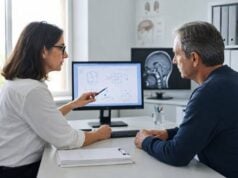
Brief seizure-like episodes can be difficult to understand from memory alone. A person may stiffen, stare, shake, fall, seem confused, have unusual sensations, or wake with unexplained injuries, but the event may be over before a clinician ever sees it. A routine exam, brain scan, or short EEG may still be normal.
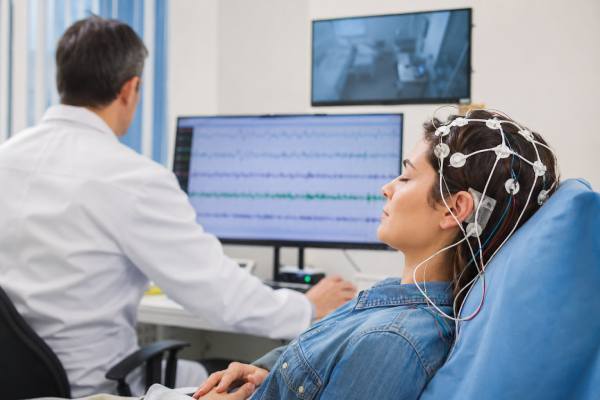
Video EEG monitoring helps solve this problem by recording brain-wave activity and video at the same time. The goal is not only to see whether an event is associated with epileptic activity, but also to understand what the person’s body, awareness, speech, breathing, and recovery look like during the episode. That combination can be crucial when the diagnosis is uncertain, seizures are not controlled, events happen during sleep, or surgery is being considered for drug-resistant epilepsy.
Table of Contents
- What Video EEG Monitoring Does
- When Video EEG Monitoring Is Needed
- Types of Video EEG Monitoring
- How to Prepare and What Happens
- What Doctors Look For in Results
- Risks, Limitations, and Urgent Warning Signs
- What Happens After Video EEG
What Video EEG Monitoring Does
Video EEG monitoring records two things at once: the brain’s electrical activity and a synchronized video of the person’s behavior. This helps clinicians match what is happening on the EEG with what is happening physically during a spell, seizure, or episode.
A standard EEG records electrical patterns from the scalp using small electrodes attached with paste, adhesive, or a cap. A video EEG adds continuous video and usually audio. When an event occurs, the neurologist can review the EEG tracing second by second and compare it with visible signs such as staring, blinking, head turning, limb jerking, stiffening, speech changes, confusion, automatisms, or recovery time.
This matters because seizure diagnosis is not based on EEG alone. A person can have epilepsy with a normal routine EEG, especially if no seizure or epileptiform discharge happens during the brief recording. A person can also have abnormal EEG findings that do not explain every episode they experience. Clinical history, witness description, medication response, neurological exam, imaging, and event recordings all matter.
Video EEG is often ordered after a shorter standard EEG does not answer the key question. A routine EEG may last about 20 to 30 minutes, while video EEG monitoring may last hours, overnight, several days, or longer depending on how often events occur and what the care team needs to find out.
The test is most useful when it captures a typical event. “Typical” means an episode that looks and feels like the events that prompted the evaluation. If a person has several kinds of spells, the team may need to capture more than one type because one event could be epileptic while another has a different cause.
Video EEG can help distinguish among several possibilities, including:
- epileptic seizures, caused by abnormal synchronized electrical activity in the brain
- nonepileptic events, including fainting, movement disorders, migraine-related episodes, panic attacks, sleep events, or functional seizures
- seizure mimics related to heart rhythm, blood sugar, medication effects, or sleep disorders
- different seizure types, such as focal impaired-awareness seizures, absence seizures, tonic-clonic seizures, myoclonic seizures, or nocturnal seizures
- seizure onset patterns that may matter for treatment planning
It is important to understand what video EEG is not. It is not a general “brain health” scan, a personality test, or a stand-alone test for depression, anxiety, ADHD, or autism. It does not show brain structure the way MRI does. It also differs from consumer-style “brain mapping” approaches; clinical video EEG is interpreted in the context of symptoms and medical history, not used as a broad wellness score.
When Video EEG Monitoring Is Needed
Video EEG monitoring is usually needed when clinicians need to see and record the actual event to make a safer, more confident diagnosis. It is especially helpful when symptoms are recurrent, unexplained, disabling, risky, or not responding as expected to treatment.
One common reason is diagnostic uncertainty. Someone may have episodes of staring, shaking, collapsing, confusion, or unusual sensations, but the cause is unclear. The events may look like epileptic seizures to family members, emergency clinicians, or even specialists, yet other conditions can resemble seizures. Fainting, sleep disorders, movement disorders, migraine, panic attacks, functional neurological symptoms, and some metabolic problems can overlap in appearance.
Video EEG is also used when antiseizure medication is not working as expected. If a person continues having episodes despite treatment, the question may be whether the medication is the right one, whether the seizure type has been correctly classified, whether the episodes are epileptic, or whether more than one condition is present.
Another important use is evaluating possible psychogenic nonepileptic seizures, also called functional seizures or nonepileptic attacks. These events are real and involuntary, but they are not caused by the abnormal epileptic electrical activity seen in epilepsy. Video EEG can be central to diagnosis when a typical event is captured and the EEG does not show an epileptic seizure pattern. The result must still be interpreted carefully, because some focal seizures may be difficult to detect with scalp electrodes.
Video EEG may be recommended when seizures occur during sleep or on waking. Nocturnal episodes can be hard to describe because the person may not be fully aware of them. Bed partners may notice thrashing, vocalization, stiffening, falls from bed, or confusion, but video EEG may be needed to separate nocturnal epilepsy from parasomnias or other sleep-related conditions. In some cases, a formal sleep study may be considered instead of, or alongside, EEG-based testing.
Video EEG can also help before epilepsy surgery or other advanced treatments. When seizures remain uncontrolled after appropriate medication trials, specialists may need to locate where seizures begin and determine whether the pattern matches MRI findings, seizure symptoms, and other tests. In those cases, video EEG is often part of a broader epilepsy center evaluation.
Other situations where video EEG may be considered include:
- a first seizure-like event with features that remain unclear after initial evaluation
- episodes that involve injury, loss of awareness, or driving/work safety concerns
- suspected absence seizures, focal seizures, or myoclonic seizures that were not captured on routine EEG
- events that are frequent enough to record during a planned monitoring period
- medication adjustment in a controlled setting, when clinically appropriate
- unexplained episodes in children, older adults, or people with developmental disabilities, where descriptions may be limited
Video EEG is not needed for every person who has a seizure. Some diagnoses are clear from history, exam, routine EEG, and imaging. A clinician may start with a standard EEG, a sleep-deprived EEG, blood tests, cardiac evaluation, or a brain MRI before considering longer monitoring. The right sequence depends on the event type, risk level, age, medical history, and urgency.
Types of Video EEG Monitoring
The main types differ by setting, duration, supervision, and purpose. The best choice depends on how often events occur, how risky they are, and whether medication changes or emergency response may be needed.
| Type | Typical setting | Common use | Key limitation |
|---|---|---|---|
| Short outpatient video EEG | Clinic or EEG lab | Capturing frequent events or adding video to a routine EEG | May miss infrequent episodes |
| Ambulatory video EEG | Home or daily environment | Recording events that happen outside the hospital | Less direct supervision and variable video quality |
| Inpatient video EEG | Hospital epilepsy monitoring unit | Clarifying diagnosis, classifying seizures, or presurgical evaluation | Requires admission and may involve safety restrictions |
| Continuous EEG with video | Hospital ward or intensive care unit | Detecting nonconvulsive seizures or monitoring altered mental status | Used for acute hospital questions rather than routine outpatient spells |
Short outpatient video EEG may be useful when episodes are frequent and likely to occur during the appointment. It can also document subtle seizures, staring spells, or brief motor events. However, if events happen once every few weeks, a short study may not be enough.
Ambulatory video EEG allows monitoring at home while the person follows many normal routines. This can be helpful when events are triggered by ordinary activities, sleep patterns, stress, or environmental factors that are hard to reproduce in a hospital. The person may keep a diary and press an event button when symptoms occur. Family members may be asked to help keep the camera positioned when possible.
The downside is that home studies have less supervision. Electrodes can loosen, video may not capture the whole body, and safety support is limited. Ambulatory monitoring may not be appropriate for people at high risk of injury, prolonged seizures, medication withdrawal, or severe events that require immediate intervention.
Inpatient video EEG is done in an epilepsy monitoring unit or specialized hospital setting. Electrodes stay attached continuously, and the person is observed by trained staff. The room is designed for safety, with seizure precautions and monitoring equipment. In some cases, antiseizure medications may be adjusted, sleep may be limited, or activation procedures may be used to increase the chance of capturing an event. These decisions are individualized and supervised.
Continuous EEG with video in the hospital is different from planned epilepsy monitoring. It is often used for people who are critically ill, deeply confused, sedated, recovering from brain injury, or suspected of having nonconvulsive seizures. In these cases, seizures may not cause obvious shaking, so EEG can reveal seizure activity that is otherwise hidden.
How to Prepare and What Happens
Preparation is mainly about helping the team capture a typical event safely. The exact instructions vary, so medication, sleep, food, hair care, and activity instructions should come from the ordering clinician or EEG lab.
Before the test, the care team will ask detailed questions about the episodes. Useful details include when they began, how often they happen, what triggers them, what the person feels before they start, what witnesses see, how long they last, what recovery looks like, and whether there are injuries, tongue biting, incontinence, confusion, or memory gaps. Home videos from a phone can be very helpful if they are safe to record and do not delay first aid.
Medication instructions are especially important. People should not stop antiseizure medicines on their own before video EEG. In some inpatient evaluations, the team may reduce medication to increase the chance of recording seizures, but this is done under supervision because it can increase seizure risk. For outpatient and ambulatory testing, many people continue their usual medicines unless told otherwise.
Hair should usually be clean and free of oils, gels, sprays, or heavy conditioners. Electrodes need good contact with the scalp. Hair extensions, wigs, or scalp coverings may require special planning. People should also tell the EEG team about skin sensitivities, adhesive allergies, implanted devices, pregnancy, mobility needs, and whether they need a caregiver or interpreter.
During setup, a technologist measures the scalp and places electrodes in standard positions. The electrodes do not deliver electricity; they record electrical signals from the brain. The setup can take time, especially for long studies, because secure placement matters.
During monitoring, the person may be asked to stay within camera view. In an inpatient unit, staff may restrict certain activities to reduce injury risk. The person may need assistance when getting out of bed, using the bathroom, or showering. Some units use padded bed rails, fall precautions, or continuous observation.
Depending on the reason for testing, the team may use activation methods such as flashing lights, deep breathing, sleep recording, or sleep deprivation. These are not used for everyone. They are chosen based on age, seizure type, safety, and consent.
For children, preparation often includes explaining the wires in calm, concrete language. A parent or caregiver may stay nearby, depending on the facility. Bringing comfort items, familiar pajamas, books, or quiet activities can help. For adults, practical preparation may include arranging time off work, planning transportation, packing comfortable clothes, and bringing a list of medications.
The most important thing during the study is to report symptoms as soon as possible. Pressing the event button, calling staff, or noting the time helps the neurologist review the correct EEG segment. If a person has warning symptoms before an event, those sensations are clinically meaningful and should be described.
What Doctors Look For in Results
Doctors look for whether the person’s typical event matches an EEG seizure pattern, and whether the video behavior fits the electrical findings. A useful result is not just “normal” or “abnormal”; it is an interpretation of the event in clinical context.
The most direct finding is an epileptic seizure captured on EEG. If the EEG shows an evolving seizure pattern during the same time the person has symptoms on video, that can confirm that the event is epileptic. The pattern may also help classify the seizure type and suggest where in the brain it begins.
Another possible result is that a typical event occurs without an epileptic EEG change. This can support a nonepileptic diagnosis, especially when the recorded event clearly matches the person’s usual episodes. The clinician will still consider the full picture, because scalp EEG is better at detecting some seizure types than others. Deep focal seizures, brief auras, movement artifact, or seizures from certain brain regions may be harder to see.
Sometimes the EEG shows interictal epileptiform discharges, meaning abnormal spikes or sharp waves between events. These can support an epilepsy diagnosis, but they do not always prove that every symptom is a seizure. The neurologist must decide whether the EEG abnormality matches the person’s episodes, age, syndrome, and clinical history.
A video EEG can also be inconclusive. This may happen if no typical event occurs, electrodes lose signal, the video does not show the relevant movement, or the symptoms are too subtle to classify. In that case, the next step may be longer monitoring, ambulatory monitoring, repeat testing, cardiac evaluation, sleep evaluation, medication review, or referral to an epilepsy center.
Doctors often review several layers of information:
- the person’s behavior before, during, and after the event
- whether awareness, speech, responsiveness, or memory changes occur
- the timing of EEG changes relative to symptoms
- heart rate or oxygen changes, when those are monitored
- whether events occur during wakefulness, drowsiness, or sleep
- whether more than one event type is present
- whether EEG findings match previous history, imaging, and exam
Results may change treatment significantly. If epilepsy is confirmed, the clinician may adjust medication, discuss seizure safety, review driving rules, or classify the epilepsy syndrome more precisely. If nonepileptic events are diagnosed, the next step may involve explaining the diagnosis clearly, avoiding unnecessary antiseizure medication when appropriate, and connecting the person with treatment that fits the underlying condition.
A good explanation of results should answer practical questions: Was a typical event captured? Did the EEG show seizure activity? What diagnosis is most likely? Are more tests needed? Should medications change? What should the person and family do if another event happens?
Risks, Limitations, and Urgent Warning Signs
Video EEG is generally safe, but the events being monitored can carry real risks. The main safety concern is not the electrodes; it is the possibility of seizures, falls, medication changes, sleep deprivation, or prolonged episodes during the monitoring period.
The electrodes may cause mild scalp irritation, itching, pressure, or discomfort from adhesive. Some people develop skin sensitivity. Long studies can also be tiring, boring, or stressful because movement is limited and privacy is reduced. In inpatient units, video is necessary for diagnosis, but staff should explain when recording occurs and how privacy is handled.
The larger risks depend on the person’s condition. If medication is reduced in the hospital, seizures may become more likely. If sleep deprivation is used, it can trigger seizures in susceptible people. A seizure may cause injury, tongue biting, falls, confusion, or rarely prolonged seizure activity. This is why higher-risk monitoring is usually done in a supervised setting.
Video EEG also has limitations. It may not capture an event during the recording window. A normal result does not always rule out epilepsy. Some seizures may not be visible on scalp EEG, especially if they arise from deep or small brain regions or are obscured by muscle movement. On the other hand, abnormal EEG patterns between events must be interpreted carefully so that unrelated symptoms are not automatically labeled as seizures.
People should know when seizure-like symptoms need urgent care. Emergency evaluation is especially important for a first seizure, a seizure lasting around 5 minutes or longer, repeated seizures without full recovery, serious injury, trouble breathing, seizure in water, seizure during pregnancy, seizure in a person with diabetes, or new weakness, severe headache, fever, stiff neck, confusion, or stroke-like symptoms. A broader discussion of urgent neurological symptoms can help families plan ahead, but emergency services should be used when immediate safety is in question.
Driving, swimming, bathing, heights, machinery, and childcare responsibilities may need temporary restrictions while episodes are unexplained or uncontrolled. Rules vary by location and diagnosis, so clinicians should give clear guidance based on local law and the person’s risk.
For families and witnesses, the safest response during a convulsive seizure-like event is usually to protect the person from injury, turn them on their side if possible, time the event, avoid putting anything in the mouth, and avoid restraining movements. Call emergency services if the event is prolonged, recovery is abnormal, injury occurs, or the situation feels unsafe.
What Happens After Video EEG
After video EEG, the next step depends on whether a typical event was captured and what the recording showed. The most useful follow-up visit translates the technical report into a clear diagnosis, treatment plan, and safety instructions.
If epilepsy is confirmed, the clinician may discuss seizure type, likely epilepsy syndrome, medication options, lifestyle triggers, rescue medication, safety precautions, and follow-up. If seizures continue despite appropriate treatment, referral to an epilepsy specialist or comprehensive epilepsy center may be considered. For some people, especially those with focal seizures that do not respond to medication, further testing may explore surgery, neurostimulation, or dietary therapy.
If the study suggests nonepileptic events, the discussion should be careful and respectful. Functional seizures and other nonepileptic episodes are not “fake.” They are real events that can be frightening and disabling. The value of video EEG is that it can redirect care away from treatments that are unlikely to help and toward the correct type of treatment, such as psychological therapy, physical rehabilitation, sleep treatment, cardiac care, migraine care, or treatment of another medical cause.
If results are mixed, the plan may need to address more than one diagnosis. Some people have both epileptic seizures and nonepileptic events. This can be confusing, but video recordings of each event type can help the person, family, and clinicians learn the differences and respond appropriately.
If no event was captured, the test may still provide useful information, but it may not answer the main question. The clinician may recommend longer ambulatory monitoring, repeat inpatient monitoring, a cardiac rhythm monitor, sleep evaluation, updated imaging, lab testing, or careful review of medication and substance use. A phone video of future events may help, as long as recording does not interfere with safety.
A practical follow-up plan should include:
- the most likely diagnosis and how confident the clinician is
- whether a typical event was captured
- what the EEG showed during and between events
- medication changes, if any
- driving, work, school, sports, and water-safety guidance
- what to do during future events
- when to seek emergency care
- whether additional tests or specialist referrals are needed
Video EEG can feel like a major step, especially when someone has been living with unexplained episodes for months or years. Its greatest value is clarity. When the test captures the right event and is interpreted in context, it can prevent misdiagnosis, guide treatment, reduce unnecessary medication, and help the person and family respond with more confidence.
References
- Minimum standards for inpatient long-term video-EEG monitoring: A clinical practice guideline of the international league against epilepsy and international federation of clinical neurophysiology 2022 (Guideline)
- Epilepsies in children, young people and adults 2025 (Guideline)
- Routine and sleep EEG: Minimum recording standards of the International Federation of Clinical Neurophysiology and the International League Against Epilepsy 2023 (Guideline)
- Use of video alone for differentiation of epileptic seizures from non-epileptic spells: A systematic review and meta-analysis 2023 (Systematic Review)
- Ambulatory video EEG extended to 10 days: A retrospective review of a large database of ictal events 2023 (Retrospective Review)
- Psychogenic Nonepileptic Seizures 2024 (Review)
Disclaimer
This article is for general educational purposes only and is not a substitute for medical advice, diagnosis, or treatment from a qualified clinician. Seizure-like episodes, loss of awareness, unexplained falls, or prolonged confusion should be evaluated by a medical professional, and urgent symptoms require emergency care.
Please share this article on Facebook, X, or your preferred platform to help others better understand when video EEG monitoring may be useful.