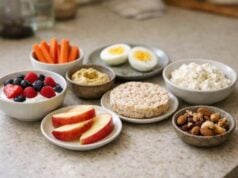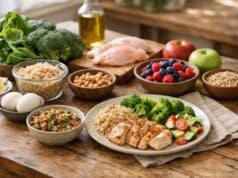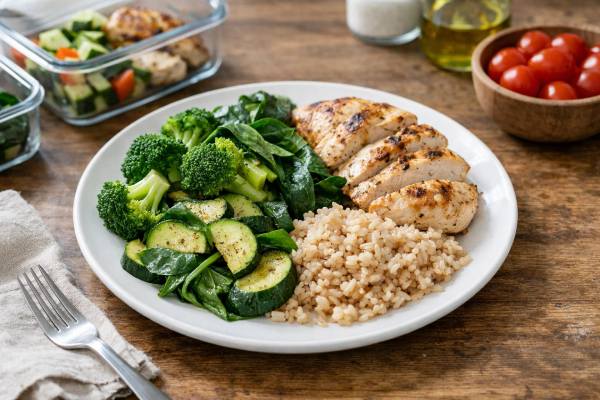
A calorie deficit is what drives fat loss, but the foods you choose determine how hard that deficit feels. Some meals leave you satisfied, energized, and able to stay consistent. Others use up a large share of your calories and still leave you hungry an hour later. That is why the best foods for a calorie deficit are not just “low calorie.” They are foods that give you a strong mix of protein, fiber, volume, and meal satisfaction.
This guide explains what to eat in a calorie deficit, which foods help most with fullness, how to build meals that support fat loss, and what usually makes a deficit harder to maintain.
Table of Contents
- What Matters Most in a Calorie Deficit
- Best Protein Foods for Fat Loss
- Smart Carbs, Fats, and Fiber
- High-Volume Foods That Help You Stay Full
- Best Meals for a Calorie Deficit
- Foods That Make Fat Loss Harder
- How to Build Your Own Calorie Deficit Day
What Matters Most in a Calorie Deficit
A calorie deficit means you are taking in fewer calories than your body uses over time. That is the foundation of fat loss, but it does not tell you how to set up your meals. Two diets can contain the same calories and produce very different results in real life because one is easier to stick with and one is not.
The foods that work best in a calorie deficit usually do four things well:
- provide enough protein
- create fullness through fiber and volume
- keep calories reasonably controlled
- make meals enjoyable enough to repeat
That last point matters more than many people expect. A meal can look “clean” on paper and still fail if it feels too small, too bland, or too restrictive. The best calorie deficit foods are the ones that help you stay consistent on ordinary days, stressful days, and busy days.
A useful way to think about it is that fat loss meals should be built around satiety per calorie, not just low calorie numbers. A 150-calorie snack that disappears in five bites may not help much. A 300-calorie meal with protein, vegetables, and a solid carbohydrate source may keep you full for hours and make the overall day easier to manage.
In practice, most people do better when their calorie deficit includes:
- protein at each meal
- vegetables or fruit several times a day
- some higher-fiber carbohydrate sources
- moderate portions of fats rather than accidental overuse
- a meal structure they can repeat
This is also why many people succeed with simpler meal frameworks instead of constantly hunting for new recipes. When you understand the basics of a calorie deficit, the next step is learning how to choose foods that make that deficit feel manageable rather than punishing.
The most helpful mindset shift is this: the goal is not to eat as little food as possible. The goal is to eat in a way that keeps you satisfied while still controlling calories. That often means larger portions of lower-energy-density foods, more protein, and fewer calories “wasted” on foods that are easy to overeat but not very filling.
You also do not need a perfect diet style to make progress. You need a pattern that works more often than it fails. For most people, that pattern includes simple, whole or minimally processed foods, flexible meals, and enough structure to prevent random overeating later in the day.
Best Protein Foods for Fat Loss
If there is one food category that matters most in a calorie deficit, it is protein. Protein helps support muscle retention during weight loss, usually has a stronger effect on fullness than carbs or fats alone, and makes meals feel more complete. That does not mean every meal has to be a giant chicken breast, but it does mean protein should be easy to spot in your daily eating plan.
Some of the best protein foods for fat loss include:
- chicken breast or chicken thigh with skin removed
- turkey breast or lean ground turkey
- fish such as salmon, tuna, cod, and tilapia
- shrimp
- eggs and egg whites
- Greek yogurt
- cottage cheese
- tofu, tempeh, and edamame
- lean cuts of beef
- beans and lentils, especially when paired with other protein sources
A practical target for many people is roughly 25 to 40 grams of protein at main meals, depending on body size, overall calorie intake, training, and total daily protein goals. What matters most is not chasing a magic number at every meal, but making sure protein is not an afterthought.
Here is why protein helps so much in a deficit:
- It increases meal satisfaction.
- It slows down the feeling that you need to eat again right away.
- It helps reduce the “always hungry” feeling that can appear during fat loss.
- It supports muscle retention, which matters for body composition and long-term results.
The easiest way to improve a calorie deficit diet is often to upgrade the protein in meals you already eat. For example:
- Add Greek yogurt to oatmeal instead of eating plain oats alone.
- Add chicken, tuna, tofu, or beans to salads instead of relying on vegetables only.
- Turn a snack into yogurt and fruit instead of crackers alone.
- Build dinner around a protein source first, then add carbs and vegetables around it.
This is where a strong high-protein foods list becomes useful. You do not need expensive supplements or “diet foods.” You need a short set of protein staples you will actually buy and eat repeatedly.
It is also worth noting that protein does not need to come only from animal foods. Plant-based eaters can absolutely build a strong deficit diet around tofu, tempeh, edamame, lentils, beans, soy yogurt, and protein-fortified staples. The key is being deliberate enough that protein stays high enough for fullness and recovery.
A common mistake is eating meals that are technically low in calories but too low in protein. That often looks like fruit alone for breakfast, salad without protein for lunch, or snack-style dinners that never feel complete. Those meals can lead to overeating later even if they looked disciplined at the time.
Protein is not the only thing that matters, but it is often the anchor that makes the rest of the calorie deficit easier to maintain.
Smart Carbs, Fats, and Fiber
Carbs and fats do not ruin a calorie deficit. In fact, both can help make your diet more sustainable when you choose them well and keep portions sensible. The real issue is not whether you eat carbs or fats. It is whether the foods you choose help control hunger or quietly crowd out more filling foods.
Carbohydrates work especially well in a calorie deficit when they bring some combination of fiber, structure, and staying power. Good examples include:
- potatoes and sweet potatoes
- oats
- beans and lentils
- fruit
- rice in sensible portions
- whole-grain bread and wraps
- whole-grain pasta
- quinoa and similar grains
These foods often work better than highly refined, easy-to-overeat options because they fit into fuller meals. Potatoes are a great example. They are often treated like “bad carbs,” but a baked potato with Greek yogurt, salsa, and a lean protein source is usually far more filling than a similar number of calories from chips or pastries. That is one reason lists of the best carbs for a calorie deficit often include potatoes, oats, beans, fruit, and whole grains.
Fiber deserves special attention because it improves fullness, slows digestion, and usually comes packaged with foods that take up more space on the plate. Many people in a deficit do better when they get fiber from:
- vegetables
- fruit
- beans and lentils
- oats
- higher-fiber grains
- seeds in moderate amounts
Fats matter too. They help with meal satisfaction, flavor, and overall diet quality. The problem is that fats are calorie-dense, so they are easy to overshoot without noticing. Helpful fat sources include:
- olive oil
- avocado
- nuts
- seeds
- salmon and other fatty fish
- nut butters
- full-fat dairy in measured amounts
The key word is measured. A little olive oil improves a meal. Multiple casual pours can double the calorie load of a salad or roasted vegetable dish. A spoonful of peanut butter can be satisfying. Several large scoops can turn a snack into a meal without much fullness to show for it.
A balanced calorie deficit usually works better than an extreme one. Most people do not need to cut out whole food groups. They need to set up carbs, fats, and fiber so those foods support satiety instead of working against it. That often means:
- making carbs part of meals, not random snacking
- using fats for flavor and satisfaction, not as a free-for-all
- letting fiber-rich foods appear throughout the day instead of only at dinner
When carbs, fats, and fiber are used well, a calorie deficit feels far more normal and far less like a diet you are desperate to escape.
High-Volume Foods That Help You Stay Full
One of the smartest ways to eat in a calorie deficit is to use food volume to your advantage. High-volume foods take up more space in your stomach and on your plate without pushing calories up as quickly. This helps meals feel larger and more satisfying, which is a major advantage when total calories are lower than usual.
The best high-volume foods are usually rich in water, fiber, or both. Strong examples include:
- leafy greens
- broccoli
- cauliflower
- cabbage
- zucchini
- mushrooms
- cucumbers
- tomatoes
- carrots
- berries
- apples
- oranges
- melon
- air-popped popcorn
- broth-based soups
- potatoes
- beans and lentils
A lot of these foods are especially effective because they change how your meals look and feel. A dinner plate with chicken, roasted potatoes, and a huge serving of vegetables feels very different from a small calorie-dense meal, even if the total calories are similar.
This is also where the logic behind the Volumetrics diet fits naturally into fat-loss eating. You are not just trying to “eat less.” You are trying to eat more food for fewer calories by letting lower-energy-density foods take up more room in your meals.
A few especially useful high-volume strategies are:
- Start lunch or dinner with broth-based soup or salad.
- Add extra vegetables to pasta, rice bowls, wraps, and stir-fries.
- Choose fruit for sweetness more often than pastries or candy.
- Use potatoes, beans, and vegetables to create bigger meals without relying on heavy sauces or fried sides.
- Keep frozen vegetables on hand so volume is always available, even on busy nights.
High-volume eating works best when it is combined with protein. That is the difference between a meal that feels satisfyingly large and one that is just a pile of low-calorie food. For example:
- A giant salad with chicken and beans can work well.
- A giant salad made mostly of lettuce and cucumber may leave you hungry fast.
- A bowl of vegetable soup plus a turkey sandwich can be satisfying.
- A bowl of broth and vegetables alone may not be enough for long.
This is why the most effective high-volume meals are usually also found among high-volume, low-calorie foods and meals that include some protein, some structure, and real meal balance.
High-volume foods are not a trick. They are a practical way to make a calorie deficit more comfortable. They help you build meals that look generous, chew longer, and create more fullness without demanding huge amounts of willpower.
Best Meals for a Calorie Deficit
Knowing which foods are helpful is one thing. Knowing how to turn them into actual meals is what makes a calorie deficit sustainable. The best meals for fat loss are usually simple, repeatable, and built around protein, produce, and a smart carbohydrate source.
A useful meal formula is:
- one clear protein source
- one or two high-volume foods
- one carb source that fits your needs
- optional fats or sauces in measured amounts
Here is what that can look like across the day.
Breakfast ideas
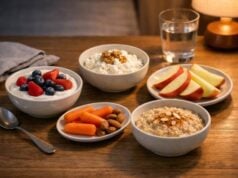
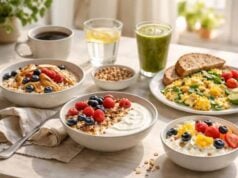
- Greek yogurt with berries and oats
- Eggs, egg whites, and vegetables with toast
- Oatmeal with fruit and a side of cottage cheese
- Protein smoothie with fruit and spinach
- Breakfast wrap with eggs, salsa, and vegetables
Lunch ideas
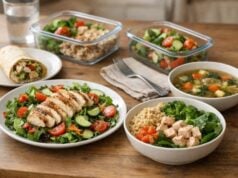
- Chicken salad with beans and a measured dressing
- Turkey wrap with fruit and raw vegetables
- Lentil soup with Greek yogurt and fruit
- Rice bowl with tofu, vegetables, and edamame
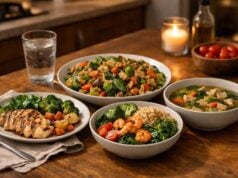
- Meal-prep chicken, potatoes, and broccoli
Dinner ideas
- Salmon, potatoes, and roasted vegetables
- Turkey taco bowl with rice, beans, lettuce, and salsa
- Stir-fry with shrimp, mixed vegetables, and rice
- Lean beef or tofu bowl with cabbage and roasted carrots
- Pasta with lean meat sauce and extra vegetables
Snack ideas
- Greek yogurt and fruit
- Cottage cheese and berries
- Apple with peanut butter in a measured portion
- Popcorn and a protein source
- Hard-boiled eggs and raw vegetables
A helpful rule is to avoid building meals from only one type of food. A meal that is mostly refined carbs often leaves hunger coming back quickly. A meal that is mostly vegetables with little protein can feel light but unsatisfying. The strongest calorie deficit meals usually combine fullness and structure.
This is why dedicated resources on high-protein, low-calorie meals and filling low-calorie meals tend to work so well. They do not just cut calories. They organize calories in a way that helps appetite.
It is also fine to repeat meals. Variety can be great, but consistency often matters more. Many people do well with:
- two or three breakfasts they rotate
- two reliable lunches
- a few dinners built from the same staples in different combinations
The best meal plan is not the most creative one. It is the one that helps you eat well enough often enough to keep the deficit going without feeling miserable.
Foods That Make Fat Loss Harder
No single food automatically stops fat loss, but some foods make a calorie deficit much harder to maintain because they are easy to overeat, not especially filling, or both. These are often the foods that use a lot of calories while doing very little for appetite control.
Common examples include:
- chips and crackers
- pastries and baked sweets
- sugary drinks
- candy
- large restaurant appetizers
- creamy coffee drinks
- high-calorie sauces and dressings
- heavily processed snack foods
- calorie-dense “healthy” snacks eaten mindlessly
- frequent takeout meals with hidden oils and extras
The challenge is usually not that these foods are evil. It is that they combine several difficult traits:
- low fullness for the calories
- high palatability, so it is easy to keep eating
- small portions that do not look like much food
- vague serving sizes
- easy mindless snacking
Even foods with a healthy image can create problems in a deficit. Granola, nut butter, trail mix, smoothies, acai bowls, and restaurant salads can all fit into a fat-loss diet, but they can also carry far more calories than people expect. A food being “natural” or “clean” does not make it easy to fit into a deficit.
That is why many people benefit from identifying the foods that make a calorie deficit harder for them personally. For one person, that may be takeout pizza. For another, it may be handfuls of nuts, sweet coffee drinks, or mindless evening cereal. The issue is not just the food itself. It is the role it plays in your eating pattern.
A few habits make these foods especially troublesome:
- eating directly from large packages
- saving too many calories for nighttime, then overeating
- calling snacks a meal instead of building a real plate
- relying on “treat foods” for stress relief
- using restaurant meals as a frequent default instead of an occasional choice
This does not mean you have to cut out every indulgent food. In fact, all-or-nothing thinking often backfires. A small dessert after a balanced dinner can be easier to manage than trying to swear off sweets completely and then overeating them later.
The most helpful approach is to make foods that support fullness more automatic and foods that are easy to overshoot more intentional. When higher-calorie items are planned and portioned, they are much less likely to derail the bigger picture.
How to Build Your Own Calorie Deficit Day
A good calorie deficit day does not need to be perfect, highly specific, or full of “diet foods.” It needs to be structured enough that hunger stays manageable and calories stay under control. For most people, that works best when they stop improvising every meal.
A simple way to build your day is:
- Start with protein at breakfast.
This often improves fullness and makes later cravings easier to manage. - Include produce at least three or four times during the day.
Fruit, vegetables, broth-based soups, and salads all help add volume. - Choose one or two dependable carb sources.
Oats, potatoes, rice, fruit, beans, and whole grains are usually easier to manage than random snacking on refined foods. - Use fats on purpose.
Include them, but portion them. - Keep one or two planned snacks available.
This is especially useful if you tend to overeat later when you get too hungry. - Repeat meals that work.
A repeatable pattern is often more effective than trying to “eat perfectly” through constant variety.
Here is a simple structure many people can adapt:
- Breakfast: protein plus fruit or fiber-rich carbs
- Lunch: protein, vegetables, and a carb source
- Snack: protein or fruit-based option
- Dinner: protein, vegetables, and a satisfying starch
- Dessert or extra snack if needed: planned and portioned
This kind of setup helps prevent the classic calorie deficit mistakes of eating too little early, getting ravenous later, then blowing through a large number of calories at night.
It is also worth adjusting your meals to your life rather than forcing a rigid template. Someone who trains after work may want a bigger dinner. Someone who is hungriest in the morning may need a larger breakfast. Someone with a busy office schedule may do best with prepped lunches and portable snacks. The best diet pattern fits your reality.
If you want to keep it even simpler, use a plate rule at main meals:
- about half the plate from vegetables or fruit
- about one quarter from protein
- about one quarter from carbs or legumes
- fats used in smaller amounts for flavor and staying power
That is often enough structure for people who do not want to count every detail. If you do like more precision, then daily calories, protein goals, and consistent portions can make the process even easier.
A calorie deficit becomes much more sustainable when the day is built on purpose instead of managed moment to moment. Once you know which foods keep you full, which meals fit your schedule, and which foods are easiest to overdo, the whole process becomes less confusing and more repeatable.
References
- Obesity in Adults: A 2022 Adapted Clinical Practice Guideline for Ireland 2022 (Guideline)
- Enhanced protein intake on maintaining muscle mass, strength, and physical function in adults with overweight/obesity: A systematic review and meta-analysis 2024 (Systematic Review and Meta-Analysis)
- Impact of energy density on energy intake in children and adults: a systematic review and meta-analysis of randomized controlled trials 2023 (Systematic Review and Meta-Analysis)
- Cereal Fibers and Satiety: A Systematic Review 2025 (Systematic Review)
- Dietary Guidelines for Americans, 2020-2025 2020 (Guideline)
Disclaimer
This article is for general educational purposes only. Eating in a calorie deficit for fat loss should be tailored to your health history, medications, activity level, body size, and nutrition needs, so it is not a substitute for professional medical advice, diagnosis, or treatment.
If this article helped you, share it on Facebook, X, or any other platform where it could help someone build a more satisfying, sustainable fat-loss diet.