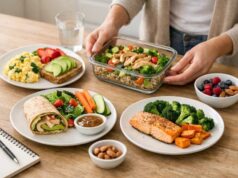
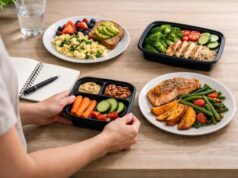
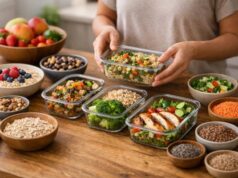
A 7-day no-sugar meal plan for weight loss works best when “no sugar” means cutting added sugar, not fearing every naturally sweet food. The goal is to remove the foods and drinks that make it easy to overeat calories, spike cravings, and stay hungry, then replace them with meals built around protein, fiber, and minimally processed foods.
The plan below is practical rather than extreme. It keeps fruit, vegetables, beans, plain dairy, and other whole foods on the table while trimming sugary drinks, desserts, sweet sauces, flavored yogurts, pastries, and most packaged snack foods. You will also see how to prep the week, handle cravings, and adjust portions so the plan supports fat loss without feeling punishing.
Table of Contents
- What a low-sugar week really means
- Foods to center your meals around
- 7-day no-sugar meal plan
- Grocery list and simple prep
- How to handle cravings and social meals
- How to adjust portions for weight loss
- Who should modify this plan
What a low-sugar week really means
For most people, a “no-sugar” week should mean no or very little added sugar, not a rigid ban on every gram of sugar in food. That distinction matters because an apple and a soda are not the same thing nutritionally, even if both taste sweet.
This plan removes or sharply limits:
- soda, sweet tea, energy drinks, and fruit punch
- pastries, donuts, muffins, cookies, and candy
- sugary cereals and granola bars
- flavored yogurt, sweetened oatmeal packets, and dessert-style coffee drinks
- barbecue sauce, ketchup-heavy meals, sweet chili sauce, honey mustard, and other sugar-heavy condiments
- “healthy” snacks that are really candy in disguise, such as chocolate-coated protein bars or snack balls loaded with syrup
It still allows foods that naturally contain sugar as part of a more filling package:
- whole fruit
- plain Greek yogurt or skyr
- milk or unsweetened soy milk
- beans and lentils
- vegetables
- oats and other intact grains
That is why this approach is closer to a structured version of a no-sugar diet for weight loss than a literal sugar-free diet. The benefit is that it becomes easier to sustain for a full week and much easier to repeat.
A good rule for this week is simple: if a packaged food tastes like dessert, check the label. If sugar, syrup, honey, agave, dextrose, fructose, cane juice, or fruit juice concentrate shows up near the top of the ingredient list, it probably does not belong in the plan.
Another useful mindset: do not let tiny amounts ruin the plan. A jarred marinara with 2 grams of added sugar per serving is very different from a breakfast pastry with 20 grams. Keep the focus on the biggest sources first. For most adults, sugary drinks, snack foods, sweet coffee orders, and frequent desserts drive far more excess sugar and calories than trace amounts in a condiment.
You also do not need to force large amounts of artificially sweetened foods into the week. Some people use them sparingly without issue, but many find that keeping the palate a little less sweet for seven days helps cravings settle down faster. If you want a broader look at that tradeoff, see sugar, artificial sweeteners and weight loss evidence.
Foods to center your meals around
The easiest way to make a low-sugar week work is to stop thinking only about what you are cutting out and start thinking about what will keep you full. Hunger is where many “clean eating” plans fall apart.
Build meals around four anchors:
1. Lean or high-quality protein
Protein helps a low-sugar plan feel steady instead of miserable. Include one solid protein source at each main meal:
- eggs or egg whites
- Greek yogurt, skyr, cottage cheese
- chicken breast or thighs
- turkey
- tuna, salmon, sardines, shrimp, white fish
- lean beef
- tofu, tempeh, edamame
- beans and lentils
A practical target is a palm-sized portion at meals, or a bit more if you are taller, more active, or trying to preserve muscle while losing weight. If you want more ideas for structuring your plate, the basics overlap with what to eat in a calorie deficit.
2. High-fiber carbohydrates
Going low in added sugar does not require going ultra-low-carb. In fact, many people do better when meals still include slower-digesting carbs that reduce the urge to snack later.
Good options include:
- oats
- potatoes or sweet potatoes
- quinoa
- brown rice
- beans and lentils
- berries
- apples, pears, oranges
- high-fiber whole-grain wraps or breads with little or no added sugar
3. High-volume produce
Vegetables make this week easier because they add bulk with relatively few calories. Aim to include them at lunch and dinner, and often at breakfast too. Good staples are spinach, cucumbers, tomatoes, broccoli, cauliflower, peppers, zucchini, mushrooms, green beans, carrots, and salad greens.
4. Smart fats for satiety
You do not need much, but you do need some. A little fat makes meals more satisfying and helps flavor whole foods. Think olive oil, avocado, nuts, seeds, olives, pesto, tahini, or a small amount of cheese.
The most effective low-sugar weeks usually end up looking like the same core pattern highlighted in many best fat-loss foods lists: protein first, fiber second, produce everywhere, and calories from sweets replaced by food that actually fills you.
A simple plate formula for this week looks like this:
- Half the plate: vegetables or fruit
- One quarter: protein
- One quarter: starch or legumes
- Add-on: a modest portion of healthy fat
That structure keeps the plan from drifting into either extreme: all restriction with no satisfaction, or “healthy” eating that still overshoots calories.
7-day no-sugar meal plan
This 7-day meal plan is designed as a flexible template for fat loss. It is not meant to be perfectly identical for every body size or calorie need. Meals are built to be high in protein, high in fiber, and low in added sugar, with portions adjusted later in the article.
| Day | Breakfast | Lunch | Dinner | Snack |
|---|---|---|---|---|
| Day 1 | Plain Greek yogurt with berries, chia seeds, and cinnamon | Grilled chicken salad with mixed greens, cucumbers, tomatoes, chickpeas, olive oil, and vinegar | Baked salmon, roasted broccoli, and a medium sweet potato | Apple slices with peanut butter |
| Day 2 | Veggie omelet with mushrooms, spinach, and tomatoes, plus avocado | Turkey lettuce wraps with hummus, crunchy vegetables, and a side of fruit | Lean beef stir-fry with peppers, zucchini, and cauliflower rice or brown rice | Cottage cheese with cucumber and black pepper |
| Day 3 | Overnight oats made with unsweetened milk, walnuts, berries, and ground flax | Lentil soup with a side salad and plain yogurt | Chicken thighs, green beans, and roasted baby potatoes | Hard-boiled eggs and a pear |
| Day 4 | Cottage cheese bowl with sliced strawberries, pumpkin seeds, and cinnamon | Tuna bowl with greens, quinoa, cherry tomatoes, olives, and lemon olive oil dressing | Turkey meatballs over zucchini noodles or roasted spaghetti squash with marinara | Carrots and bell peppers with tzatziki or hummus |
| Day 5 | Scrambled eggs, sautéed spinach, and roasted potatoes | Chicken and bean burrito bowl with lettuce, salsa, avocado, and rice | Shrimp or tofu stir-fry with broccoli, snap peas, and brown rice | Plain Greek yogurt with walnuts |
| Day 6 | Protein smoothie with unsweetened milk, plain yogurt, frozen berries, spinach, and peanut butter | Leftover shrimp or tofu bowl with extra vegetables | Roast chicken, large salad, and baked potato | Orange and a handful of almonds |
| Day 7 | Egg muffins with peppers, onions, and turkey sausage, plus fruit | Salmon salad with white beans, herbs, cucumber, and olive oil | Turkey chili with beans, peppers, onions, and a side of roasted cauliflower | Edamame or cottage cheese |
How to use the plan without getting bored
The fastest way to quit a structured week is to make every meal feel like diet food. Instead, reuse ingredients across days in different forms:
- Roast a tray of chicken and use it in salads, bowls, or wraps.
- Cook one pot of rice or quinoa and portion it through the week.
- Wash and cut vegetables ahead of time.
- Keep two easy proteins ready at all times, such as eggs and Greek yogurt, or chicken and tofu.
- Use herbs, lemon, mustard, salsa, garlic, vinegar, and spices to keep meals flavorful without turning to sweet sauces.
What each day is doing
Day 1 keeps things simple. It usually feels easiest because you are motivated, so lean into high-protein basics and lots of hydration.
Day 2 lowers the “diet friction” by using quick lunch foods and a fast skillet dinner. This matters because the second day is often when snack cravings show up.
Day 3 adds oats and lentils, which can help people who start craving sugar when they accidentally go too low in carbs.
Day 4 is useful for resetting expectations. You are not living on salad; you are building meals that are satisfying but not dessert-driven.
Day 5 is a good higher-activity day. If you train, the burrito bowl and stir-fry give you room for performance-friendly carbs without relying on sugary foods.
Day 6 is built for flexibility and leftovers. Weekend structure is where many people lose their deficit, so keep meals almost boringly easy.
Day 7 uses familiar comfort foods in a lower-sugar format. Chili, egg muffins, and salmon salad make it easier to finish the week feeling normal, not deprived.
Best beverage choices during the week
Stick mostly to:
- water
- sparkling water
- black coffee
- coffee with a splash of milk
- unsweetened tea
- unsweetened iced tea
- plain kefir or milk in moderate amounts if they fit your calories
Try to skip liquid calories from sugar. For many people, that single change does more for appetite control than obsessing over tiny label details.
Grocery list and simple prep
A low-sugar week is won at the store and in the first hour of prep. If your kitchen is full of sweet snack foods and you are trying to rely on willpower alone, the plan gets much harder than it needs to be.
A tight grocery list looks like this:
Protein
- eggs
- plain Greek yogurt or cottage cheese
- chicken breast or thighs
- turkey
- salmon, tuna, shrimp, or white fish
- tofu or tempeh
- canned beans and lentils
Produce
- salad greens
- spinach
- cucumbers
- tomatoes
- peppers
- broccoli
- cauliflower
- zucchini
- green beans
- onions
- mushrooms
- berries
- apples
- pears
- oranges
- lemons
Carbs and staples
- oats
- brown rice or quinoa
- potatoes or sweet potatoes
- chickpeas, black beans, lentils
- high-fiber wraps or bread with minimal added sugar
- canned tomatoes or marinara with low added sugar
Fats and flavor
- olive oil
- avocado
- nuts and seeds
- hummus
- mustard
- salsa
- vinegar
- garlic
- herbs and spices
If you need a broader framework for shopping, a basic weight loss grocery list for beginners can help you stock the right defaults.
Now keep prep simple. You do not need a four-hour Sunday cooking session.
- Cook two proteins.
Example: bake chicken and hard-boil eggs, or cook turkey meatballs and marinate tofu. - Prep one grain and one potato.
A batch of rice or quinoa plus roasted potatoes covers multiple lunches and dinners. - Wash and chop vegetables.
Visible, ready-to-eat produce gets eaten. Whole cucumbers buried in the crisper often do not. - Portion easy snacks.
Put nuts, fruit, cottage cheese, yogurt, or cut vegetables into grab-and-go containers. - Make one sauce or dressing.
A lemon olive oil dressing, tzatziki, or salsa-based topping makes repetitive meals much more appealing.
This style of setup overlaps nicely with a one-hour meal prep plan for weight loss. The point is not perfection. It is making the low-sugar choice the easy choice on busy days.
How to handle cravings and social meals
The hardest part of a no-sugar week is usually not breakfast or dinner. It is the 3 p.m. energy dip, the “I deserve a treat” moment after work, or the restaurant meal where every sauce seems sweet.
Here is how to stay steady without white-knuckling it.
For afternoon cravings
First check whether lunch was too light. A salad with barely any protein is not a fat-loss win if it leads to a vending machine run two hours later. Many cravings are delayed hunger.
Good fixes:
- pair fruit with protein or fat, such as an apple and peanut butter
- choose Greek yogurt, cottage cheese, eggs, or edamame instead of a sweet bar
- drink water before assuming you need a treat
- take a short walk if the craving is stress-driven rather than physical hunger
For dessert habits after dinner
A seven-day reset works best when you replace the ritual, not just the food. Try:
- hot tea after dinner
- berries with plain yogurt and cinnamon
- a square of very dark chocolate only if it does not trigger more snacking
- brushing your teeth after the kitchen closes
If sweets are your main sticking point, practical sweet tooth swaps for weight loss can help you transition without turning every night into a fight.
For restaurant meals
Look for simple protein-and-vegetable meals first. Ask for sauces and dressings on the side. Watch the obvious sugar traps:
- glazed salmon
- teriyaki bowls
- barbecue meats
- sweet cocktails
- sweetened coffee drinks
- “healthy” bowls loaded with sweet dressings
A steak, chicken, fish, burger without a sugary sauce, fajitas, salad with grilled protein, or bunless sandwich plate often works better than overthinking the menu.
For late-night sugar urges
Late cravings often have less to do with discipline and more to do with fatigue, under-eating earlier, or habit. If nights are your weak point, it is worth looking at the bigger pattern behind night-time sugar cravings, especially if they hit after stressful or underslept days.
One final tip: do not “save up” calories all day for a sweet reward at night. That usually backfires. Eat balanced meals earlier, and the evening feels much more manageable.
How to adjust portions for weight loss
This meal plan works because it improves food quality and appetite control, but weight loss still depends on energy balance over time. That means portions matter.
You do not need to count every calorie for this week, but you should adjust the template to fit your size, hunger, and activity.
If you are smaller or less active
Keep protein portions steady, but trim energy from starches and fats first. For example:
- use half a cup of rice instead of a full cup
- choose one tablespoon of peanut butter instead of two
- use half an avocado instead of a whole one
- keep snacks smaller if meals are filling enough
If you are taller, very active, or training hard
Do the opposite. Keep the low-sugar structure, but add enough food to prevent rebound hunger:
- increase rice, potatoes, oats, or beans
- add fruit around workouts
- use a larger protein portion at lunch and dinner
- include an extra snack if you train in the morning or evening
A simple visual method works well:
- Protein: 1 to 2 palms
- Starch: 1 fist at most meals, more if highly active
- Vegetables: 2 fists or more
- Fats: 1 to 2 thumb-sized portions
If you want a clearer target, estimate your needs with a guide on how many calories to eat to lose weight, then decide whether you prefer loose portions or more structured tracking.
Macros can help too, especially if you are trying to keep muscle while dieting. Most people do well when they anchor meals around protein first, rather than trying to “earn” carbs by removing sugar. A beginner-friendly primer on counting macros for weight loss can help if you want to turn this 7-day plan into a repeatable long-term system.
The key idea is this: do not slash portions so aggressively that the plan becomes a setup for bingeing. The right deficit is the one you can actually hold.
Who should modify this plan
This kind of low-sugar week is reasonable for many adults, but it is not one-size-fits-all.
You should adjust the plan or talk with a clinician before using it if:
- you take insulin, sulfonylureas, or other glucose-lowering medication
- you are pregnant or breastfeeding
- you have a history of binge eating, purging, or highly restrictive dieting
- you are recovering from an eating disorder
- you are an endurance athlete with high carbohydrate needs
- you have kidney disease or another condition that affects protein recommendations
- you are using weight loss medication and struggling with nausea or low intake
If you have diabetes or prediabetes, the structure of this plan may still work well, but carbohydrate timing and medication dose issues matter. If you use a GLP-1 medication, this plan can also be helpful because it prioritizes nutrient-dense foods and simple meals, but very large portions may feel uncomfortable.
Also remember that a successful week does not have to be perfect. If one meal contains added sugar, the week is not ruined. The bigger win is changing your default pattern:
- more protein and fiber
- fewer liquid calories
- fewer sweet snack foods
- more meals made from actual ingredients
- fewer “cheat” cycles driven by sugar cravings
That is the part that supports weight loss beyond seven days.
References
- Healthy diet 2026 (Fact Sheet)
- Reducing free sugars intake in adults to reduce the risk of noncommunicable diseases 2023 (Guidance)
- Use of non-sugar sweeteners: WHO guideline 2023 (Guideline)
- Overweight and obesity management | Guidance 2025 (Guideline)
- Current Dietary Guidelines 2026 (Guideline)
Disclaimer
This article is for general educational purposes only. A low-sugar meal plan can support weight loss, but it is not a substitute for personalized medical, nutrition, or mental health advice, especially if you have diabetes, a history of disordered eating, are pregnant or breastfeeding, or take prescription weight loss or blood sugar medications.
If this article helped, share it on Facebook, X, or your preferred platform so someone else can use the plan this week too.