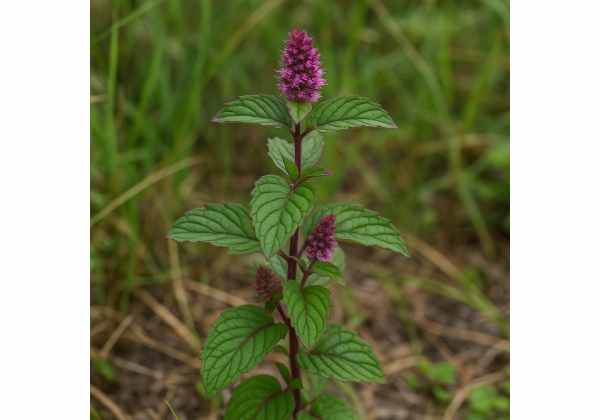
Red peppermint, usually sold under the cultivar name Mentha × piperita ‘Candymint’, is a decorative peppermint with reddish stems and the crisp, cooling aroma people expect from true peppermint. It belongs to the peppermint group rather than being a separate medicinal species, which matters because most of what we know about its health effects comes from broader research on Mentha × piperita leaf and peppermint oil, not from clinical trials on this specific cultivar.
That does not make red peppermint unimportant. It is still a genuine peppermint, rich in volatile compounds such as menthol and menthone, along with polyphenols that help explain its traditional use for digestive comfort, freshness, mild tension relief, and aromatic support. In the kitchen, it works beautifully in teas, herb blends, syrups, desserts, and cooling summer drinks. In herbal practice, it is best approached as a food-first medicinal herb rather than a cure-all.
This guide explains what red peppermint contains, which benefits are realistic, how it is used, what dosage ranges make sense, and where its most important safety limits begin.
Quick Overview
- Red peppermint may help ease mild digestive discomfort and post-meal heaviness.
- Its menthol-rich aroma may support a cooling, clearing, and refreshing sensory effect.
- A practical tea range is 1.5 to 3 g dried peppermint leaf per cup, up to 3 times daily.
- People with reflux, gallstones, very young children, or plans to use essential oil should be cautious.
Table of Contents
- What red peppermint is and why cultivar evidence matters
- Key ingredients and active compounds in red peppermint
- Health benefits and medicinal properties of red peppermint
- Tea, culinary, and aromatic uses
- Dosage, timing, and best ways to use it
- Harvesting, storage, and common mistakes
- Safety, side effects, and who should avoid it
What red peppermint is and why cultivar evidence matters
Red peppermint is best understood as a peppermint cultivar, not as a separate medicinal plant with its own fully distinct evidence base. The cultivar name ‘Candymint’ usually refers to a peppermint selection valued for its reddish stems, attractive foliage tones, and cooling flavor. Botanically, however, it still belongs to Mentha × piperita, the well-known hybrid peppermint created from watermint and spearmint. That means its chemistry and likely health effects fit inside the larger story of peppermint rather than standing apart from it.
This point matters more than it may seem. Many herbal articles quietly slide from a named cultivar into broad claims about a whole species without saying so. In the case of red peppermint, the honest position is simple: there are not well-known clinical trials specifically on ‘Candymint’. Most medicinal discussion therefore comes from research on peppermint leaf, peppermint oil, menthol, and Mentha × piperita in general. That is still useful, but it should be stated clearly.
In practical terms, red peppermint behaves like a handsome garden peppermint with a cooling, strongly aromatic leaf. It belongs to the same broader world of mint-family herbs known for digestive support, fragrant teas, and culinary versatility. Its value lies in the overlap between beauty and usefulness. It is decorative enough for containers and borders, but also very usable in fresh herb preparations.
Its flavor profile is also worth understanding. Red peppermint does not merely taste “minty.” It combines cooling menthol notes with sweetness, herbal greenness, and a sharper aromatic lift that makes it work in both sweet and savory contexts. That flexibility explains why peppermint cultivars are so common in teas, summer drinks, desserts, syrups, and after-meal preparations.
Another important reason the cultivar question matters is dosage. A leaf tea made from a peppermint cultivar is not the same thing as a concentrated peppermint oil capsule, and neither is the same as undiluted essential oil. Yet people often talk about all three as though they were interchangeable. They are not. Fresh leaf, dried leaf, hydroalcoholic extract, and essential oil all deliver very different chemical intensities.
So where does that leave red peppermint? In a strong position, as long as expectations are realistic. It is best treated as a peppermint form with likely peppermint-type benefits, especially for digestion, flavor, and aromatic use. But it should not be described as a uniquely proven medicinal cultivar unless such evidence actually exists. That distinction keeps the article grounded and makes the practical advice far more trustworthy.
Key ingredients and active compounds in red peppermint
Because red peppermint is a peppermint cultivar, its most important active compounds are the same compound groups that define peppermint more broadly. The best known are volatile oil constituents, especially menthol and menthone. These are the substances most responsible for peppermint’s cooling sensation, strong aroma, and much of its digestive and sensory activity. In good-quality peppermint material, menthol is often the dominant constituent, while menthone, menthyl acetate, 1,8-cineole, menthofuran, and small amounts of pulegone help shape the rest of the profile.
That volatile fraction explains the immediate experience of the herb. When you crush a leaf, the scent feels cold, bright, and penetrating because these compounds stimulate sensory pathways associated with cooling and freshness. This is one reason peppermint can seem simultaneously soothing and invigorating. It does not sedate in the same way as a heavy calming herb. It sharpens and refreshes first.
But peppermint is not only volatile oil. The leaves also contain a meaningful polyphenol and flavonoid fraction. Reviews of Mentha × piperita identify compounds such as eriocitrin, rosmarinic acid, hesperidin, luteolin derivatives, caffeic acid, and related phenolics in leaf extracts and teas. These matter because they help explain the plant’s antioxidant and anti-inflammatory interest, especially when it is used as a leaf infusion rather than as a pure essential oil.
The main compound groups worth knowing are:
- menthol, which contributes the cooling sensation and much of the spasm-relaxing reputation
- menthone, an important peppermint ketone that shapes aroma and oil character
- menthyl acetate and 1,8-cineole, which help round out the scent profile
- rosmarinic acid and eriocitrin, which contribute antioxidant value
- hesperidin, luteolin derivatives, and related flavonoids
- trace pulegone and menthofuran, which matter more for safety than for marketing
The hybrid origin of peppermint also helps explain its chemistry. Because peppermint arises from watermint and spearmint, it carries a profile that is more cooling and more menthol-forward than spearmint, but often softer and more layered than some harsher mint oils. Cultivars can vary in appearance, vigor, aroma intensity, and exact oil balance, which is why a garden peppermint may smell slightly different from a commercial oil crop.
Leaf stage also matters. Younger leaves are often brighter and more tender, while older leaves may be tougher and somewhat less elegant in fresh use. Drying changes the profile again. Dried leaves still make useful tea, but the freshest aromatic lift belongs to recently harvested foliage.
This is why red peppermint is best understood as a layered herb. Menthol may get the attention, but the fuller medicinal character comes from the interplay of volatile oils and leaf polyphenols. In practice, that means fresh leaf, dried leaf tea, and peppermint oil each tell a different part of the same story. Good use depends on knowing which form you are actually working with.
Health benefits and medicinal properties of red peppermint
Red peppermint inherits its most plausible medicinal benefits from peppermint in general, especially from peppermint leaf and peppermint oil research. The strongest and most practical area is digestive support. Peppermint has a long tradition of use for dyspepsia, bloating, abdominal discomfort, and the kind of post-meal heaviness that makes a person want something lighter and clearer. Part of this seems to come from menthol’s effect on smooth muscle and sensory pathways, which may help the gut feel less cramped and more settled.
This is also the area where peppermint has some of its best clinical support. Enteric-coated peppermint oil has been studied for irritable bowel syndrome and related abdominal symptoms, with several trials and reviews suggesting benefit for abdominal pain and overall symptom burden. That said, this evidence belongs to standardized peppermint oil products, not specifically to ‘Candymint’ leaves from the garden. Red peppermint tea or fresh leaf use is more traditional and gentler, and it should not be presented as identical to clinical capsule therapy.
A second realistic benefit is sensory and upper-digestive freshness. Peppermint’s aroma can make the mouth feel cleaner, the breath fresher, and the whole digestive experience lighter. This may sound modest, but modest benefits often matter most in day-to-day herbal use. A cup of peppermint tea after a large meal is not dramatic medicine. It is the kind of small, repeated act that makes a real difference over time.
A third area is antioxidant and anti-inflammatory potential. Peppermint leaf contains rosmarinic acid, eriocitrin, hesperidin, and other phenolics with documented antioxidant interest. This does not mean red peppermint is a proven anti-inflammatory treatment for chronic disease. It means its leaf preparations contribute protective plant compounds that fit well within a high-quality diet.
Possible benefits often associated with peppermint include:
- mild relief of dyspepsia and flatulence
- reduced sense of abdominal cramping or heaviness
- fresher breath and a cleaner mouthfeel
- cooling sensory relief in teas and inhaled vapor
- supportive antioxidant effects from leaf polyphenols
It is also sometimes used for headache aroma rituals, mild nausea, and mental refreshment. Here again, nuance matters. Peppermint may help some people feel clearer and more alert, but it is not uniformly calming. In some settings it relaxes, while in others it wakes the senses and sharpens attention. That paradox is part of its character.
Compared with other after-meal herbs such as fennel or ginger, peppermint often feels cooler, cleaner, and more directly aromatic. Ginger warms and moves. Fennel softens and sweetens. Peppermint clears and cools. This is one reason it suits heavy or rich meals so well.
The best conclusion is also the most honest one: red peppermint likely offers peppermint-type digestive, sensory, and antioxidant benefits, but most clinically meaningful evidence belongs to the species and especially to standardized oil products, not to this cultivar alone. Used with that understanding, it becomes a very practical herb.
Tea, culinary, and aromatic uses
Red peppermint is unusually easy to use well because its medicinal and culinary roles naturally overlap. The same leaf that flavors a summer drink can also become a helpful after-meal tea. The same aromatic quality that freshens a dessert can also make a room or steam bowl feel cleaner and more open. This flexibility is one of peppermint’s great strengths, and it suits a decorative cultivar like ‘Candymint’ especially well.
Tea is the most traditional and accessible use. A simple peppermint infusion can be taken after meals, during periods of digestive heaviness, or whenever a cooling herb feels welcome. Fresh leaf tea tends to be brighter and sweeter. Dried leaf tea is rounder, more settled, and easier to dose with consistency. For many people, tea is the best place to begin because it gives the benefits of the leaf without the intensity or risk profile of essential oil.
Culinary use is equally important. Red peppermint can be added to:
- hot or iced tea blends
- fruit salads and berry dishes
- syrups, jellies, and herb sugars
- yogurt sauces and fresh cheese spreads
- chocolate desserts and cold creams
- summer drinks, lemonades, and sparkling infusions
- savory herb mixes in small amounts
Fresh leaves are usually best added near the end of preparation. Too much heat can flatten the flavor, especially the brighter top notes. Gentle tearing or bruising releases aroma well, while aggressive chopping can make the leaf darken quickly. In desserts and drinks, the herb works best when it is allowed to taste fresh rather than boiled into dull sweetness.
Aromatic use is another practical lane. Peppermint leaves in hot water release vapor that many people find clearing and refreshing. This is not the same as a medical inhalation therapy, and it should not be confused with using strong essential oil near children. Still, a bowl of hot water with fresh leaves or a mild tea inhaled at a distance can feel pleasant during stuffiness or mental fatigue.
Blending is also worthwhile. Peppermint combines especially well with herbs that soften or round its edge. For example, it pairs naturally with lemon balm in calming evening teas, with chamomile in digestive blends, and with citrus peels in cooling summer preparations. In cooking, it also blends well with mild dairy, chocolate, berries, cucumber, peas, and soft cheeses.
One important distinction should stay in view: leaf use is not essential-oil use. A handful of fresh red peppermint leaves in a jug of water is gentle. A few drops of essential oil can be intensely concentrated and are not interchangeable with the leaf. The plant’s best everyday uses come from this gentler end of the spectrum.
That is ultimately why red peppermint is such a satisfying herb. It asks very little of the user. Grow it, harvest it fresh, infuse it, blend it, and use it regularly in moderate amounts. It rewards skill and repetition more than intensity.
Dosage, timing, and best ways to use it
Because red peppermint is a cultivar of peppermint rather than a separately standardized medicinal herb, dosage is best handled in layers. One layer is fresh leaf use. Another is dried leaf tea. A third is concentrated peppermint oil, which belongs to species-level medicinal products rather than directly to the homegrown ‘Candymint’ leaf. Keeping those layers separate makes the guidance safer and much easier to apply.
For fresh leaf use, exact medicinal dosing is not standardized. A practical culinary range is usually a small handful of fresh leaves per day, divided across teas, drinks, or food. In kitchen terms, that often means about 5 to 10 fresh leaves for a cup of tea, or 1 to 2 tablespoons finely chopped leaf in a recipe. Some people use more, but strong mint is not always better.
For dried peppermint leaf, the clearest adult guidance comes from herbal monographs that use about 1.5 to 3 g dried leaf infused in 100 to 150 mL boiling water, up to 3 times daily. This is a reasonable reference point for peppermint leaf tea, including red peppermint once dried, though homegrown material can vary in intensity.
Practical ranges look like this:
- fresh leaf tea: about 5 to 10 fresh leaves per cup
- dried leaf tea: 1.5 to 3 g per cup, up to 3 times daily
- fresh culinary use: 1 to 2 tablespoons chopped leaf in a serving
- tincture or liquid extract: follow product labeling rather than guessing
- enteric-coated peppermint oil capsules: use only standardized products and follow the label or clinician guidance
Timing matters. Peppermint leaf is often most useful after meals or 20 to 30 minutes before meals when the goal is digestive comfort. Tea can also be used as needed for heaviness, bloating, or a stale mouthfeel. Fresh leaf in cold drinks is more refreshing than medicinal, but still fits the herb’s overall profile.
Concentrated peppermint oil deserves special respect. In clinical settings, enteric-coated peppermint oil capsules are commonly used for bowel symptoms, but these products are designed very differently from a household essential oil bottle. The capsules are meant to reach the intestine rather than dissolve too early in the stomach. This is why homemade “drop dosing” of essential oil is a poor substitute and should not be treated as equivalent.
A useful step-by-step approach is simple:
- Start with fresh or dried leaf, not essential oil.
- Use it with meals or after meals first.
- Increase only if flavor and digestion remain comfortable.
- Reserve standardized peppermint oil products for more targeted use.
- Avoid mixing multiple peppermint forms at once without a reason.
Another subtle point is duration. Peppermint tea is usually fine as an occasional or seasonal habit. But if a person needs daily concentrated peppermint products for weeks because symptoms keep returning, that is a cue to look more closely at the underlying issue rather than only increasing the herb.
The best dose is the one that remains pleasant, repeatable, and clearly useful. With red peppermint, elegance usually works better than force.
Harvesting, storage, and common mistakes
Red peppermint is easy to grow, but good medicinal and culinary results depend on timing and handling more than many people realize. Peppermint leaves can lose quality quickly if they are harvested too late, stored too warm, or bruised too hard. The cultivar’s beauty can distract from this, because an attractive plant is not always at its peak flavor stage.
Young to mid-mature leaves are usually the best choice. Very young tips can be delicate and sweet, while mature but still healthy leaves often give the strongest peppermint character. Once the plant begins to age heavily or flower aggressively, leaves can become coarser and somewhat less refined in flavor. That does not make them useless, but it changes their best use from fresh finishing to infusions or cooked applications.
Harvesting habits that help include:
- cut leaves in the morning after dew has dried
- choose clean, healthy stems without yellowing
- use scissors or pinch gently to avoid crushing
- take regular cuttings to keep the plant bushy
- avoid harvesting after intense midday heat if possible
Storage is simple but important. Freshly cut peppermint keeps best when wrapped loosely in a slightly damp towel and refrigerated, or when the stems are placed in water for short periods like a bouquet. It is best used within a few days. For longer keeping, drying works well, but only if done gently and away from strong heat and direct sun. Once dried, leaves should be stored in airtight containers away from light.
One of the most common mistakes is assuming essential oil and leaf are interchangeable. They are not. A teaspoon of chopped leaf in tea is gentle. A few drops of essential oil can be dramatically stronger and is not a home equivalent. Another frequent mistake is over-steeping tea. Peppermint tea that brews too long can become harsher and less balanced, especially when the leaf is old or heavily crushed.
Other common errors include:
- using too much fresh mint at once and flattening a recipe
- confusing refreshing flavor with the need for larger medicinal doses
- chewing enteric-coated capsules instead of swallowing them whole
- pairing peppermint with reflux-prone meals when heartburn is already active
- assuming every peppermint cultivar has the same strength
Red peppermint also benefits from comparison with other tender culinary herbs. Like fresh basil, it is best when handled with a light touch. Once bruised or cooked too hard, some of its most attractive aromatic character fades.
A final and often overlooked mistake is waiting until the herb is a problem-solver rather than using it as a pattern. Peppermint is most rewarding when it becomes part of ordinary food and drink habits. A small pot of red peppermint used regularly is usually more valuable than a neglected bottle of strong oil used only when symptoms flare. That is the deeper practical lesson of this plant: freshness, moderation, and timing matter more than intensity.
Safety, side effects, and who should avoid it
Red peppermint is generally safe in ordinary food amounts, but safety changes significantly with the form used. Fresh leaves in tea or food are very different from strong tinctures, enteric-coated capsules, or essential oil. Most problems linked with peppermint come from concentration, not from modest culinary use.
The best-known caution is reflux. Peppermint can worsen heartburn in some people because it may relax the lower esophageal area in ways that make reflux easier. Anyone who already notices burning after mint tea should treat that as useful feedback, not something to ignore. In those people, peppermint may be better used as an occasional flavor rather than a regular digestive herb.
Gallbladder and biliary issues are another caution point. Peppermint leaf and especially peppermint oil are often used carefully, or avoided, in people with gallstones or other biliary disorders unless a clinician advises otherwise. This is not because peppermint is automatically dangerous, but because strong digestive botanicals can complicate an already sensitive situation.
The most important safety concerns include:
- worsening heartburn or reflux
- irritation from strong peppermint oil
- allergy or contact sensitivity to menthol or peppermint
- inappropriate use near infants and very young children
- avoidable problems from taking capsules incorrectly
Essential oil deserves special emphasis. It should not be ingested casually, and it should not be treated as interchangeable with leaf tea. In young children, menthol-containing peppermint oil can be especially risky around the face or chest. Strong oral peppermint oil is also more likely to cause burning, nausea, or irritation if used carelessly.
People who should be especially cautious include:
- those with reflux, hiatal hernia, or frequent heartburn
- people with gallstones or biliary disease
- pregnant or breastfeeding individuals considering medicinal use
- children, especially when essential oil is involved
- anyone with menthol sensitivity or known mint allergy
- people using enteric-coated peppermint oil together with antacids, H2 blockers, or proton pump inhibitors
That last point is not widely known but is practical. Acid-lowering medicines and even taking peppermint oil capsules with food or antacids can encourage premature dissolution of enteric coatings. When that happens, irritation and upper-digestive side effects may become more likely. This is one reason standardized peppermint oil products should be used according to instructions rather than improvised.
Pregnancy and breastfeeding deserve a conservative approach. Safety for medicinal peppermint preparations has not been firmly established, especially for concentrated oil forms. Food use is one thing. Repeated medicinal dosing is another.
Overall, red peppermint is a very good herb when used in the form that suits it best: leaf-level, moderate, and intentional. Trouble begins when people jump too quickly from fresh leaf to strong oil, or from occasional tea to self-prescribed high-dose use. That is why safety with peppermint is really a lesson in respecting form and concentration.
References
- European Union herbal monograph on Mentha x piperita L., folium 2020 (Monograph)
- European Union herbal monograph on Mentha x piperita L., aetheroleum 2019 (Monograph)
- Systematic review and meta-analysis: efficacy of peppermint oil in irritable bowel syndrome 2022 (Systematic Review and Meta-analysis)
- Mentha piperita: Essential Oil and Extracts, Their Biological Activities, and Perspectives on the Development of New Medicinal and Cosmetic Products 2023 (Review)
- Peppermint and menthol: a review on their biochemistry, pharmacological activities, clinical applications, and safety considerations 2025 (Review)
Disclaimer
This article is for educational purposes only and does not replace medical advice, diagnosis, or treatment. Red peppermint is a peppermint cultivar, and most medicinal evidence comes from peppermint leaf and peppermint oil research more broadly rather than from studies on ‘Candymint’ itself. Tea and culinary use are generally gentler than concentrated preparations. People with reflux, gallbladder problems, pregnancy-related concerns, very young children in the home, or interest in essential-oil use should seek qualified guidance before using peppermint medicinally.
If this article helped you, please share it on Facebook, X, or another platform you prefer.