Rue, or Ruta graveolens, is one of those herbs that cannot be discussed honestly without giving safety as much space as benefits. Native to the Mediterranean and long used in traditional medicine, rue has a powerful aroma, a bitter taste, and a chemistry rich in alkaloids, flavonoids, furanocoumarins, and volatile compounds. Historically it has been used for digestive discomfort, menstrual complaints, minor external applications, and folk remedies tied to pain and spasms. Modern laboratory research also points to antioxidant, antimicrobial, and anti-inflammatory potential.
Yet rue is not a gentle everyday herb. It has a narrow margin between traditional use and toxic use, and its reputation includes phototoxic skin reactions, strong reproductive risks, and meaningful potential for adverse effects or interactions. That makes it very different from the mild kitchen-herb image some readers may expect. The most useful way to approach rue today is with disciplined curiosity: understand its chemistry, acknowledge its traditional roles, and keep clear boundaries around internal use, dosage, pregnancy, sunlight exposure, and self-treatment.
Quick Facts
- Rue shows antioxidant and antimicrobial activity in laboratory research.
- Traditional use includes digestive spasm support and limited external applications, but human evidence remains weak.
- Historical oral ranges of about 1.5–3 g dried herb per day have been cited, but routine internal self-use is not considered a safe first-line approach.
- Avoid rue entirely during pregnancy and breastfeeding, and use extreme caution if you are prone to photosensitivity or take prescription medicines.
Table of Contents
- What rue is and why it has a complicated reputation
- Key ingredients and medicinal properties
- Rue health benefits and what the evidence actually supports
- Traditional uses and where rue still fits today
- Dosage, preparation, and why oral use demands restraint
- Common mistakes, product issues, and safer comparisons
- Safety, side effects, interactions, and who should avoid it
What rue is and why it has a complicated reputation
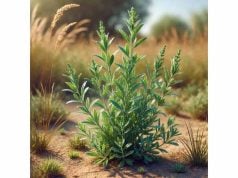
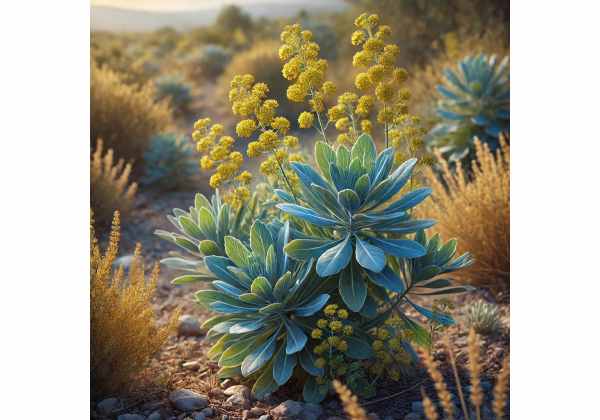
Rue is a perennial aromatic shrub in the Rutaceae family, the same broad family that includes citrus plants. It is often called common rue or garden rue and is recognized by its bluish-green leaves, bitter resinous scent, and yellow flowers. In older European, Middle Eastern, and Mediterranean traditions, rue was valued as a household medicinal herb, a ritual plant, an insect deterrent, and at times a culinary seasoning used in very small amounts. That long cultural history explains why rue still appears in herbal discussions, even though modern safety standards treat it much more cautiously.
Its reputation is complicated because the same plant that attracted healers also worried them. Traditional texts linked rue with menstrual stimulation, spasm relief, digestive complaints, headaches, bruises, and external preparations for local discomfort. But rue was also known for being strong, irritating, and potentially dangerous in excess. In modern terms, that old caution makes sense. The plant contains chemically active compounds that may help explain real biological effects, but those same compounds also help explain toxic reactions, reproductive hazards, and sunlight-related skin problems.
This is one reason rue should not be placed in the same category as gentle everyday digestive herbs. A reader looking for something broadly comparable to fennel for gas and indigestion is likely looking for the wrong plant if they choose rue. Rue is sharper, more toxicologically complex, and far less suitable for casual tea use or routine self-care.
Another reason rue is misunderstood is that it carries a certain mystical and folk prestige. In many traditions it was associated with protection, purification, and powerful household medicine. Plants with that kind of history often gather more claims than evidence. Rue is a good example. It is not an empty herb, and it does have real phytochemical interest, but its modern profile is defined just as much by caution as by potential benefit.
A balanced modern view starts with three facts. First, rue has a long and genuine medicinal history. Second, laboratory and animal research support the idea that it contains biologically active compounds. Third, these findings do not automatically make it a safe or useful first-line herb for ordinary self-treatment. In fact, the opposite is often true. The stronger the tradition of rue as an emmenagogue, abortifacient, or irritant plant, the more careful modern readers should become.
So when people ask whether rue is a healing herb, the answer is yes, historically and pharmacologically. When they ask whether that makes it a wise home remedy for routine use, the answer is often no. That tension is what defines the plant and why any serious article on rue has to begin with clarity, not enthusiasm.
Key ingredients and medicinal properties
Rue’s medicinal profile begins with its chemistry. The plant contains several classes of compounds that together explain why it has attracted both pharmacological interest and toxicological concern. The most important groups include flavonoids, coumarins, furanocoumarins, alkaloids, essential-oil constituents, and phenolic compounds.
One of the best-known compounds associated with rue is rutin, a flavonoid glycoside that has drawn attention for antioxidant and vascular-support interest in broader plant research. Rue also contains quercetin-related compounds and other phenolics that contribute to its antioxidant potential. These molecules help explain why extracts of rue often perform well in laboratory antioxidant assays.
The plant’s coumarins and furanocoumarins are a second major piece of the story. These compounds matter because they can contribute both to therapeutic interest and to risk. Furanocoumarins in particular help explain rue’s potential for phototoxic reactions, especially when fresh plant material or concentrated preparations come into contact with skin and are followed by ultraviolet exposure. This is one of the clearest examples of why active plant chemistry is not automatically a sign of safe use.
Rue also contains alkaloids such as graveoline, skimmianine, arborinine, and related quinoline or furoquinoline compounds. These help give rue its reputation as a pharmacologically rich herb. Researchers have studied these constituents for antimicrobial, anti-inflammatory, and nervous-system-related effects, but here again the chemistry does not convert neatly into a safe consumer herb.
The essential oil is particularly strong. In some analyses, ketones such as 2-undecanone and 2-nonanone appear in high proportions, helping define rue’s sharp odor and some of its bioactivity. Essential oil is where casual users often go wrong. The fact that an herb smells medicinal does not mean its oil is suitable for casual internal use. With rue, essential oil concentrates risk far more than it expands practical benefit.
From this chemistry, several plausible medicinal properties emerge:
- antioxidant activity
- antimicrobial and antifungal effects
- mild anti-inflammatory potential
- possible antispasmodic action
- possible insect-repellent or pesticidal activity
- reproductive and uterine activity, which is a risk rather than a benefit in many real-world situations
This last point deserves emphasis. Not every pharmacological effect belongs in the “benefits” category. Rue’s traditional association with menstruation, fertility control, and abortion is part of its medicinal history, but it is also part of the plant’s danger. In modern herbal practice, that makes rue fundamentally different from safer aromatic herbs such as peppermint for digestive spasm relief.
The best summary is that rue has genuine medicinal properties, but they come attached to a narrow comfort zone. Its chemistry explains why people have used it for centuries, and it also explains why modern use demands much more restraint than the herb’s folklore might suggest.
Rue health benefits and what the evidence actually supports
Rue is often described online as if it were a broad-spectrum healing herb for pain, digestion, inflammation, infections, circulation, and women’s health all at once. The evidence does not support that kind of confidence. A more honest reading shows that rue has several plausible or experimentally supported benefits, but most are preclinical, limited, or overshadowed by safety concerns.
The strongest area is antioxidant activity. Recent reviews and experimental studies consistently show that Ruta graveolens contains phenolic compounds and flavonoids that perform well in in vitro antioxidant testing. This matters because oxidative stress is involved in inflammation and tissue damage. Still, antioxidant performance in a lab does not guarantee a meaningful clinical benefit in a person drinking rue tea or taking rue extract.
A second area is antimicrobial potential. Rue extracts and essential oils have shown inhibitory effects against selected bacteria and fungi in laboratory studies. This supports the herb’s long-standing folk use for infections and topical preparations. But once again, the leap from petri dish to home medicine is too large to ignore. A plant can suppress microbes in vitro and still fail to become a safe or effective human treatment.
A third area is mild anti-inflammatory potential. Some experimental work suggests that rue extracts may modulate inflammatory pathways or reduce markers of oxidative stress. That makes the herb scientifically interesting, but not clinically settled. Readers should resist the common habit of translating “anti-inflammatory in a model system” into “good for chronic inflammation in daily life.”
There is also some support for antispasmodic and smooth-muscle effects, which helps explain traditional use for digestive spasm or menstrual complaints. But here the risk-benefit picture becomes especially unstable. An herb that may affect smooth muscle and reproduction is not a harmless self-care experiment. A safer person-centered decision is often to reach for herbs with a wider comfort margin, such as ginger for better-established digestive support, rather than forcing rue into a routine digestive role.
What the evidence does not justify is strong language around mood, fertility management, or chronic disease treatment. Rue has been studied in wide-ranging ways, but that should not be confused with established efficacy. It is a plant that generates scientific interest because of its chemistry, not because it has already been validated as a mainstream therapeutic herb.
A realistic benefit profile for rue looks like this:
- antioxidant support in extract studies
- antimicrobial activity in laboratory settings
- possible mild anti-inflammatory action
- possible antispasmodic relevance
- limited topical or traditional use value in expert hands
A realistic limit profile looks like this:
- lack of robust human clinical evidence
- major safety concerns in pregnancy
- risk of phototoxic skin reactions
- uncertain interaction potential
- narrow margin for safe internal use
So does rue have health benefits? Yes, in the sense that it contains active compounds with real biological effects. But this is not the same as saying rue is a good self-care herb. The most evidence-based way to describe it is as a potentially useful but high-caution medicinal plant whose risks are often more clinically relevant than its benefits.
Traditional uses and where rue still fits today
Rue’s historical use is broad, and that breadth is part of what makes the plant so enduring in herbal memory. Traditional systems in Europe, the Mediterranean, Latin America, and parts of Asia used rue for cramps, digestive complaints, headaches, bruises, sprains, menstrual stimulation, and ritual cleansing. It also appeared as a household herb for warding off pests or “bad influences,” which gave it a symbolic power well beyond formal medicine.
These older uses help explain why rue keeps returning in conversations about folk healing. An herb that was once part medicine, part garden tool, part protective symbol, and part culinary bitter tends to linger in culture. But when older traditions are translated into modern self-care, problems arise. Traditional use tells us where to look for pharmacological relevance. It does not tell us that home use is automatically safe.
Where, then, does rue still fit today?
The first plausible place is in tightly limited external use. Some herbal traditions used rue topically in oils or diluted preparations for sore areas, bruises, or minor local complaints. Even here, modern caution is necessary because phototoxic reactions are a real concern. If external use is considered at all, it belongs on intact skin, in small amounts, and away from sun exposure. For readers who mainly want gentle skin support, calendula for gentler skin care is usually the more practical modern choice.
The second place rue still fits is in academic or practitioner-led herbal study. Its chemistry is rich enough to matter, and its traditional role is strong enough to justify continued research. This is not the same as saying it should be a routine home herb. In fact, rue may be more valuable as a plant that teaches good herbal judgment than as a plant that belongs in casual self-treatment.
The third place is trace culinary tradition. In a few regional cuisines, rue has been used in extremely small amounts as a bitter aromatic accent. This role is easy to romanticize and harder to recommend broadly. The line between culinary trace use and excessive intake is simply too important with rue to treat it like an ordinary flavor herb.
Traditional internal uses for menstruation or fertility control deserve especially careful wording. These uses were real, and they are part of the plant’s ethnobotanical record. But in modern practice they should be approached primarily as warning signs, not revival projects. Rue’s emmenagogue and abortifacient associations are exactly why pregnancy is such a firm contraindication.
So the modern fit for rue is narrow. It belongs in historical herbal education, cautious phytotherapy discussions, and tightly limited specialist use more than it belongs in daily wellness culture. That may sound restrictive, but it is actually respectful. It lets the plant keep its historical importance without pretending that a high-risk herb should compete with safer, better-defined options.
Dosage, preparation, and why oral use demands restraint
Rue is one of those herbs where the dosage section should begin with a warning rather than a recommendation. There is no modern consensus that routine oral self-use is a sensible first-line practice. Historical pharmacopoeias and herbal texts do describe doses, but the existence of a historical dose does not mean the herb has a comfortable or well-validated safety margin by current standards.
A frequently cited traditional benchmark is about 1.5 to 3 g of dried rue herb per day. That figure appears in older herbal references and is echoed in later scientific discussion. It is useful as context, but it should not be read as an endorsement for unsupervised use. In a modern safety-aware article, the most honest way to present it is as a historical range that helps explain how the herb was used, not as a go-ahead for routine home dosing.
If someone were to prepare rue as a folk infusion, the preparation would usually be modest and bitter:
- about 0.5 to 1 g dried herb per cup
- used once daily at most
- kept brief rather than taken continuously
- stopped immediately if any irritation or unusual symptoms appear
Even that conservative framing should come with clear restraint. Rue is not a tea herb for daily experimentation, and essential oil is even less appropriate for internal self-use. Essential oil magnifies potency, irritation, and toxicity risk. In practical terms, the oil is not just “stronger rue.” It is a different risk level altogether.
Topical use also requires discipline. A diluted external preparation may be used in very small amounts, but only on intact skin and only with careful avoidance of sunlight. Because rue can cause phytophotodermatitis, timing matters. Application before outdoor exposure is a poor idea.
Preparation choices make a major difference:
- Fresh plant contact carries more risk of sap-related skin reaction.
- Essential oil is much riskier than a weak infusion.
- Repeated oral use is harder to justify than short, cautious, and clearly defined use.
- Pregnancy, breastfeeding, and fertility concerns should end the discussion before dosage even begins.
- Combining rue with other strong herbs or medicines increases uncertainty rather than improving results.
For most readers, the most practical dosage advice is not how to take rue, but when not to. If the desired goal is a calming tea, a digestive infusion, or a gentle household topical, safer plants are readily available. Someone seeking an herb for ordinary evening tea is almost always better served by chamomile for gentle daily infusions than by rue.
So while older dose ranges do exist, the modern message is simple: rue’s dosage history should be understood, not casually copied. The plant belongs on the short list of herbs where the safest recommendation for routine unsupervised oral use is often restraint rather than enthusiasm.
Common mistakes, product issues, and safer comparisons
Most trouble with rue starts not from malicious use, but from category errors. People hear “medicinal herb” and assume rue belongs in the same practical tier as mint, chamomile, fennel, or calendula. It does not. Treating it as a normal wellness herb is the first major mistake.
A second common mistake is assuming that traditional use automatically implies safe use. Many powerful plants were used historically precisely because they were strong. That strength sometimes helped and sometimes harmed. Rue’s old roles as an emmenagogue, abortifacient, and irritant herb are not side notes. They are central to how the herb should be interpreted today.
A third mistake is using fresh rue on the skin and then forgetting about sunlight. This is not a theoretical issue. Fresh plant contact can be followed by striking photoirritant reactions, especially when ultraviolet exposure is involved. Readers who want a better-defined topical astringent or skin-support herb will usually find witch hazel for topical use much easier to handle in a modern self-care context.
A fourth mistake is trusting essential oil simply because it is sold as a natural product. Rue oil is not a casual aromatherapy oil and not an all-purpose folk remedy. It concentrates the plant’s sharper properties and makes reproductive, irritant, and phototoxic concerns harder rather than easier to manage.
A fifth mistake is using rue for goals that already have better-supported options. For digestive discomfort, safer aromatic herbs are abundant. For mild topical care, better-defined herbs exist. For menstrual concerns, a clinician-guided conversation is more appropriate than experimenting with a historically abortifacient plant. Rue becomes most dangerous when people use it not because it is the best herb, but because it sounds mysterious or potent.
Product issues add another layer. Rue is not as standardized in consumer herbal markets as many mainstream botanicals. That means label quality, plant identity, extract strength, and preparation style can vary widely. A weak tea, a strong tincture, a homemade oil, and a concentrated essential oil are not interchangeable. One of the easiest ways to misuse rue is to assume that all preparations carry the same balance of risk and effect.
The best comparison mindset is straightforward:
- choose rue only when you understand why it is different
- do not use it just because it is “natural”
- prefer herbs with broader safety margins when the goal is ordinary self-care
- keep specialist plants for specialist contexts
That mindset does not diminish rue. It places it where it belongs: as a serious herb that teaches the value of precision. The more quickly readers stop asking “How can I use rue more often?” and start asking “Is rue even the right herb for this goal?” the safer and smarter their herbal decisions become.
Safety, side effects, interactions, and who should avoid it
Safety is not a minor section for rue. It is the section that determines whether the herb is even appropriate to discuss for self-care at all. Rue has multiple, well-recognized safety concerns: reproductive toxicity, possible abortifacient activity, phototoxic skin reactions, gastrointestinal irritation, and potential interaction concerns related to metabolism and pharmacologically active compounds.
Pregnancy is the clearest contraindication. Rue and rue oil should be avoided during pregnancy because of their historical and experimental links to uterine stimulation, implantation interference, and abortifacient effects. Breastfeeding should also be treated as a clear avoid category because of the lack of reassuring safety data and the seriousness of the reproductive risk profile.
Photosensitivity is another major concern. Fresh rue or its sap can trigger phytophotodermatitis, especially if the skin is exposed to ultraviolet light afterward. The reaction can be painful and visually dramatic. This makes rue an especially poor choice for improvised outdoor skin use or household folk applications in sunny conditions.
Possible side effects from internal or concentrated use may include:
- nausea
- stomach pain
- vomiting
- diarrhea
- dizziness
- excessive uterine activity
- general toxicity with higher exposures
Interaction risk deserves respect as well. Experimental work suggests rue can influence drug-metabolizing enzymes, which raises reasonable caution around prescription medicines. The exact human interaction picture is not as well mapped as it is for some famous herb-drug interaction plants, but “not fully mapped” does not mean “safe with everything.” Caution is especially wise with:
- anticoagulants
- cardiovascular medicines
- seizure medicines
- psychiatric medicines
- medicines with narrow therapeutic ranges
People who should avoid rue entirely or avoid unsupervised use include:
- anyone pregnant or breastfeeding
- people trying to conceive
- children
- anyone with a history of photosensitive skin reactions
- people with significant liver, kidney, or gastrointestinal vulnerability
- anyone taking multiple prescription medicines
- people who are tempted to use rue specifically for menstrual induction or fertility control
One final practical point matters: fresh herb contact and internal use are not the only risks. Even handling the plant, juicing it, or preparing a homemade oil can be enough to create trouble if light exposure follows. Rue is not just risky when swallowed. It can also be risky when touched carelessly.
For readers looking for gentler herbal support, that distinction matters. Rue is not a beginner herb, not a pregnancy-adjacent herb, and not a plant to improvise with. In modern self-care, the safest position is often the simplest one: admire rue’s chemistry and history, but keep a firm boundary around routine personal use.
References
- Traditional Uses, Phytochemistry, Pharmacology and Toxicology of Ruta graveolens L.: A Critical Review and Future Perspectives 2024 (Review)
- Phenolic Content and in Vitro Antioxidant, Anti-Inflammatory and antimicrobial Evaluation of Algerian Ruta graveolens L 2022 (Experimental Study)
- Maternal Reproductive Toxicity of Some Essential Oils and Their Constituents 2021 (Review)
- Effects of aqueous extract of Ruta graveolens and its ingredients on cytochrome P450, uridine diphosphate (UDP)-glucuronosyltransferase, and reduced nicotinamide adenine dinucleotide (phosphate) (NAD(P)H)-quinone oxidoreductase in mice 2015 (Experimental Study)
- Rue the herb: Ruta graveolens–associated phytophototoxicity 2007 (Case Report)
Disclaimer
This article is for educational purposes only and is not medical advice. Rue is a high-caution herb with meaningful toxicity concerns, especially during pregnancy, breastfeeding, and sunlight exposure after skin contact. It should not be used to self-treat menstrual delay, fertility issues, infection, severe pain, or chronic digestive symptoms, and it should not replace professional care. Speak with a qualified healthcare professional before using rue in any medicinal form, especially if you take prescription medicines or have liver, kidney, gastrointestinal, or reproductive health concerns.
If you found this article useful, please share it on Facebook, X, or your preferred platform to help more readers find careful, safety-aware herbal information.